12 E-Commerce Marketing Examples That Actually Work

Why Marketing is the Backbone of E-Commerce
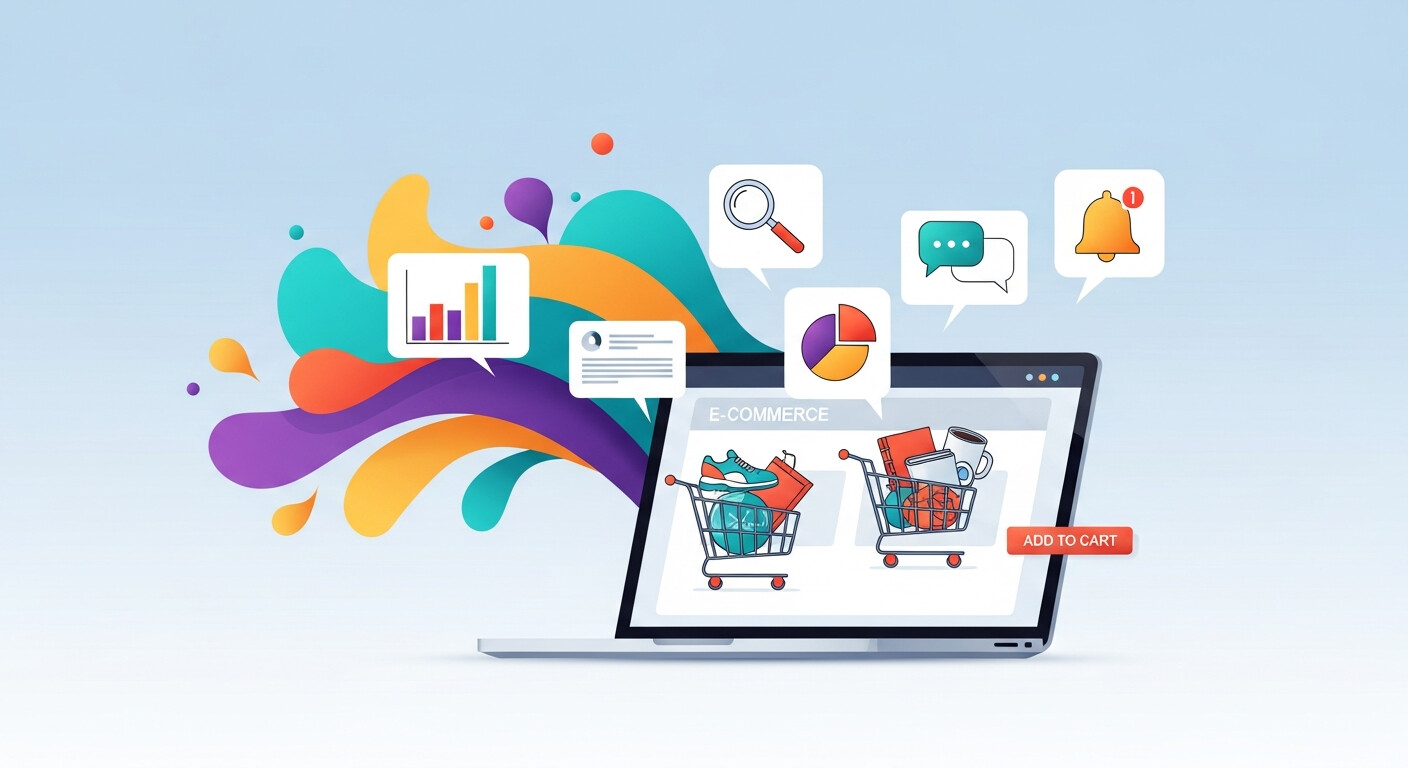
E-commerce marketing is the critical link between online retailers and their customers. In an increasingly crowded digital marketplace, simply having a great product or website isn’t enough—businesses need strategic marketing to reach, engage, and convert their audience. Marketing in e-commerce isn’t just about promoting products; it’s about creating meaningful interactions, building trust, and guiding customers through the buying journey.
Through strategies like social media campaigns, personalized emails, search engine optimization, influencer collaborations, and content marketing, brands can achieve several key objectives:
- Boosting visibility: In a market saturated with options, marketing ensures your brand stands out. Whether through organic social media posts, paid advertising, or search engine rankings, consistent visibility keeps your products top of mind for potential buyers.
- Driving website traffic: Effective marketing attracts the right audience to your website. Targeted ads, blog content, and social media engagement can bring qualified traffic that is more likely to convert into customers.
- Converting visitors into customers: Marketing doesn’t stop at getting people to your site. It also includes tactics like product recommendations, retargeting ads, and email follow-ups that guide visitors toward making a purchase.
However, not every marketing effort guarantees results. The most successful e-commerce brands understand their audience deeply, analyze performance metrics, and experiment with creative approaches to see what resonates. Learning from proven strategies allows businesses to avoid trial-and-error pitfalls and focus on campaigns that generate real growth.
The following sections showcase 12 real-world examples of e-commerce marketing campaigns that have delivered measurable results. These examples highlight how brands leverage personalization, storytelling, social proof, technology, and creative thinking to stand out—and provide actionable insights you can apply to your own business.
Sephora’s Personalized Emails
Sephora takes email marketing to the next level by leveraging extensive customer data to send highly personalized product recommendations. Their emails aren’t just generic newsletters—they reflect each customer’s unique shopping habits, past purchases, and even specific preferences like skin tone, fragrance type, or favorite product categories. This creates a feeling that the brand truly understands each customer, which significantly increases open rates and click-through rates.
Sephora is often cited among the best E-Commerce Marketing Examples for personalization. To replicate their success, use tools like Klaviyo or Mailchimp to segment your audience based on behavior and interests. Personalize emails with curated product lists, exclusive discounts, or dynamic recommendations that update based on browsing behavior. This makes campaigns feel timely and relevant, encouraging customers to engage and purchase more frequently. Learn more in our Complete Guide to E-Commerce Email Marketing.
Implement It Yourself
Sephora is often cited among the best E-Commerce Marketing Examples for personalization. To replicate their success, use tools like Klaviyo or Mailchimp to segment your audience based on behavior and interests. Personalize emails with curated product lists, exclusive discounts, or dynamic recommendations that update based on browsing behavior. This makes campaigns feel timely and relevant, encouraging customers to engage and purchase more frequently.
Glossier’s Instagram UGC Strategy
Glossier has mastered social proof through user-generated content (UGC), turning their customers into brand advocates. By encouraging users to post selfies and reviews featuring Glossier products, the brand creates a sense of community and authenticity. Potential buyers are more likely to trust real customer photos over traditional advertising because it feels genuine.
Pro Tip
Glossier’s approach is one of the standout E-Commerce Marketing Examples in social media strategy. Encourage UGC with contests, hashtags, or social recognition. Reward customers with incentives like discounts, gift cards, or features on your official page. Over time, this strategy builds an engaged community that actively promotes your products organically.
Amazon’s Upselling with “Frequently Bought Together”
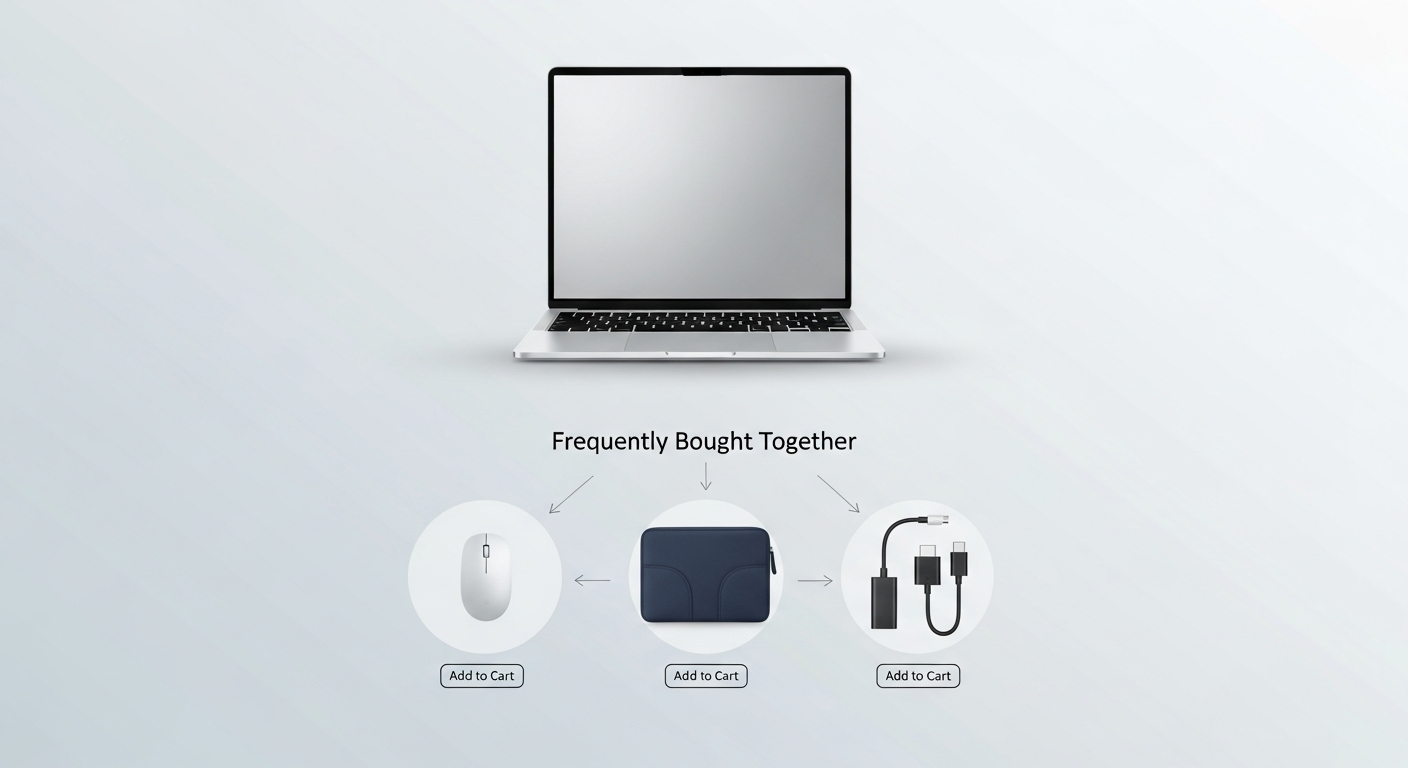
Amazon’s “Frequently Bought Together” feature is a masterclass in subtle upselling. By showcasing complementary products alongside a customer’s primary choice, Amazon increases the average order value without feeling pushy. Customers often discover items they hadn’t initially considered, which improves satisfaction while driving incremental revenue.
Implement similar functionality using plugins like WooCommerce Frequently Bought Together or Shopify Product Recommender. Presenting relevant add-ons or bundles at checkout encourages more purchases and enhances the shopping experience effortlessly. For more on increasing conversions, see Building a Winning E-Commerce Marketing Strategy.
Takeaway
This feature is a classic example among E-Commerce Marketing Examples that effectively increase revenue. Implement similar functionality using plugins like WooCommerce Frequently Bought Together or Shopify Product Recommender. Presenting relevant add-ons or bundles at checkout encourages more purchases and enhances the shopping experience effortlessly.
Spotify’s Wrapped Campaign
Spotify’s campaign is frequently highlighted for its creative use of data. Collect metrics such as purchase behavior, browsing activity, or engagement trends. Then, transform this data into visually appealing, shareable formats like infographics or interactive dashboards. Tools like Google Data Studio or Hotjar help analyze trends and create compelling visuals your audience will love. Learn more about digital marketing for e-commerce in Digital Marketing E-Commerce Complete Guide.
How to Do It
Spotify’s campaign is frequently highlighted in E-Commerce Marketing Examples for its creative use of data. Collect metrics such as purchase behavior, browsing activity, or engagement trends. Then, transform this data into visually appealing, shareable formats like infographics or interactive dashboards. Tools like Google Data Studio or Hotjar help analyze trends and create compelling visuals your audience will love.
ASOS’s Abandoned Cart Emails
ASOS tackles cart abandonment with timely, visually compelling email reminders. These emails include product images, friendly messaging, and sometimes a limited-time discount to encourage customers to complete purchases. By reminding users of items they’ve shown interest in, ASOS recovers potentially lost revenue in a helpful, customer-focused way.
Actionable Tip
ASOS is often featured in E-Commerce Marketing Examples for email automation. Set up abandoned cart emails using platforms like Shopify, Klaviyo, or Sendinblue. Personalize emails with product images and add urgency with countdown timers or limited-time discounts to maximize recovery rates.
Casper’s Sleep Campaign
Casper goes beyond selling mattresses by positioning itself as a sleep wellness brand. Their “Casper Sleep Sounds” app provides white noise and relaxing playlists, supporting customers’ sleep goals. This innovative approach aligns marketing with product purpose, creating additional touchpoints that enhance brand loyalty.
Try It Yourself
Casper is among the creative E-Commerce Marketing Examples that go beyond product promotion. Think about how your product can solve a broader customer need—through apps, tools, guides, or downloadable content. Adding value in alignment with your product’s purpose strengthens customer relationships and differentiates your brand.
Airbnb’s Storytelling Approach
Airbnb connects with audiences through authentic stories from travelers and hosts. Instead of focusing solely on listings, Airbnb highlights unique experiences and emotional moments, creating a sense of wanderlust and personal connection. Storytelling builds trust and helps customers envision themselves enjoying similar experiences.
Build Your Story
Airbnb’s approach is a great case in E-Commerce Marketing Examples for storytelling. Incorporate testimonials, interviews, or user-generated stories on your website, blog, and social media. Focus on narratives that evoke emotions, turning standard product pages into engaging journeys that resonate with your audience.
Gymshark’s Influencer Partnerships
Gymshark leveraged fitness influencers to grow into a global brand. By collaborating with influencers whose values align with the brand, Gymshark created aspirational content that motivated audiences to engage, purchase, and share. Influencers act as trusted voices, bridging the gap between brands and potential customers.
Steps to Execute
Gymshark is frequently cited among E-Commerce Marketing Examples for influencer marketing. Identify influencers that reflect your brand ethos and target audience. Micro-influencers are cost-effective and have high engagement rates. Partner for authentic campaigns, challenges, or events, and track results for strong ROI.
Warby Parker’s Virtual Try-On
Warby Parker reduces hesitation in online shopping with their virtual try-on feature. AR technology lets customers see how glasses fit their face before purchase, which reduces returns and improves confidence in online buying.
Add Value with AR
Warby Parker is often listed in E-Commerce Marketing Examples for innovation in AR. Tools like ARitize or Shopify AR allow you to create interactive, visual experiences for your customers, helping them visualize products in real life and reducing uncertainty before purchase.
Patagonia’s Advocacy Campaigns
Patagonia is among top E-Commerce Marketing Examples for purpose-driven campaigns. Highlight initiatives, ethical practices, or charitable collaborations. Authentic storytelling that reflects your brand values increases engagement, loyalty, and advocacy.
Level Up with Impactful Messaging
If your brand is purpose-driven, lean into your values and tell that story through your marketing. Consumers love to support a brand whose goals align with theirs.
Zara’s FOMO Tactics
Zara excels at creating urgency by promoting limited-edition collections. The fear of missing out (FOMO) drives shoppers to act quickly rather than risk losing their opportunity to purchase.
Quick Win
Use countdown timers, low-stock alerts, or limited-time offers on your website to inspire action among visitors.
Nike’s Personalized App
Nike extends brand engagement beyond products with a personalized app offering workout plans, product recommendations, and virtual challenges. This ongoing interaction fosters loyalty and repeat purchases, showing the brand provides value beyond just selling products
Keep Customers Engaged
Nike is often featured in E-Commerce Marketing Examples for app personalization. Explore app-based loyalty programs, gamification, or exclusive content to add personal touches. These strategies deepen emotional connection and encourage users to return frequently.
Turning Inspiration into Action

Inspired by these examples? Here are five actionable tips to apply to your e-commerce store right now:
- Use email automation tools to create personalized campaigns like Sephora’s.
- Incorporate user-generated content to build trust and engagement, just like Glossier does.
- Set up abandoned cart recovery sequences to recover revenue effortlessly, à la ASOS.
- Explore influencer marketing to connect with your audience on a deeper level, following Gymshark’s lead.
- Experiment with limited-time offers or scarcity marketing to encourage immediate action.
Personalization Beyond Products: Dynamic Website Content
Personalization is no longer limited to email marketing. Leading e-commerce brands now focus on delivering a fully personalized website experience. Dynamic content allows your website to adapt in real-time based on a visitor’s behavior, preferences, and location. For example, returning customers may see product recommendations related to past purchases, while first-time visitors are greeted with bestsellers, trending items, or limited-time offers.
This level of personalization creates a sense of relevance for each visitor, making the shopping experience more engaging and reducing bounce rates. It also increases the likelihood of conversion because visitors are presented with products that match their interests or needs without having to search extensively.
Implementing dynamic content can involve showing personalized banners, updating homepage recommendations, tailoring pop-ups, or highlighting products based on seasonal trends or location-specific inventory. Testing different content variations ensures that you’re delivering the most effective experiences to each visitor segment.
How to Apply:
- Use platforms like Optimizely, Dynamic Yield, or built-in Shopify personalization tools to deliver tailored website content.
- Segment visitors by behavior, such as browsing history, location, or previous purchases.
- Create personalized product recommendations, promotional banners, or pop-ups that resonate with different audience segments.
- Continuously A/B test layouts, messaging, and product placements to identify what drives engagement and conversions.
Subscription and Membership Models

Subscription services have evolved far beyond software and media—they are now a powerful strategy in e-commerce for driving consistent revenue and fostering long-term customer loyalty. By offering memberships or subscription boxes, brands provide customers with convenience, predictability, and a sense of exclusivity, all of which enhance the overall shopping experience.
Brands like Dollar Shave Club and Blue Apron have become textbook examples of this strategy, showing how subscription models can turn routine purchases into a recurring engagement opportunity. Subscribers feel a sense of connection to the brand, often perceiving it as part of their daily lives, which strengthens retention and encourages brand advocacy.
The advantages of subscription models are multifaceted. They not only create a stable revenue stream but also allow businesses to predict inventory needs more accurately and plan promotions effectively. Additionally, subscription-based engagement gives brands more opportunities to collect data on preferences and behavior, which can inform future campaigns, product launches, and personalized offers.
For customers, subscription services offer convenience, cost savings, and personalized experiences. From curated product boxes to loyalty memberships that provide early access or special perks, these models turn one-time buyers into committed, repeat customers, driving both loyalty and lifetime value.
Futureproof Your Strategy Today
The e-commerce landscape is constantly evolving, and keeping up with changing consumer behaviors, emerging technologies, and competitive trends can feel overwhelming. However, as these examples show, investing in innovative, customer-focused marketing strategies consistently delivers significant payoff. Staying ahead requires not only implementing proven tactics like personalization, storytelling, and social proof but also exploring emerging marketing approaches and platforms. For businesses looking to stay ahead, guides like How to Market Your NFT: A Comprehensive Guide provide actionable insights into leveraging new digital channels, building community engagement, and adapting strategies to shifting trends—principles that are valuable even beyond the NFT space.
Frequently Asked Questions (FAQ)
What is the most effective e-commerce marketing strategy?
There’s no one-size-fits-all answer, but personalization, data-driven insights, social proof, and interactive content consistently deliver strong results. The key is to experiment, measure, and iterate based on your audience’s behavior.
How often should I send marketing emails to my customers?
Frequency depends on your audience, but a good starting point is 1–2 personalized emails per week. Focus on relevance and value rather than sheer volume to avoid unsubscribes.
Can small e-commerce brands compete with giants like Amazon?
Absolutely. By leveraging creative, customer-focused strategies like influencer partnerships, loyalty programs, and purpose-driven campaigns, small brands can carve out unique positions and attract a loyal audience.
What tools help implement these commerce marketing examples?
Tools like Klaviyo and Mailchimp for email, Shopify or WooCommerce plugins for upselling, ARitize or Shopify AR for interactive experiences, and Google Analytics or Hotjar for data insights are all excellent starting points.
How do I measure the success of my marketing campaigns?
Track KPIs like website traffic, conversion rates, average order value, engagement rates, and customer lifetime value. Regular analysis allows you to refine campaigns and maximize ROI.