Why Your E-commerce Business Needs Professional Marketing Services

Professional e-commerce marketing boosts growth by optimizing SEO, ads, social media, email, and conversions, increasing sales and ROI while saving time for business owners.
Running a successful e-commerce business requires more than just great products and a functional website. With over 26.5 million e-commerce sites competing for attention online, standing out from the crowd has become increasingly challenging. While you might have started your online store with DIY marketing tactics, there comes a point where professional expertise becomes essential for sustainable growth.
Many e-commerce entrepreneurs find themselves juggling product development, customer service, inventory management, and marketing—often spreading themselves too thin to excel in any single area. Professional e-commerce marketing services can bridge this gap, providing specialized knowledge and dedicated resources to accelerate your business growth.
The digital marketplace evolves rapidly, with new platforms, algorithms, and consumer behaviors emerging constantly. What worked last year might not deliver results today, making it crucial to stay ahead of trends and adapt strategies accordingly.
The Hidden Costs of DIY E-commerce Marketing

Managing your own e-commerce marketing might seem cost-effective initially, but hidden expenses quickly accumulate. Time spent learning new platforms, testing campaigns, and analyzing data represents opportunity costs that could be invested in core business activities like product development or customer service.
Consider the learning curve associated with mastering platforms like Google Ads, Facebook Ads Manager, or Amazon’s advertising ecosystem. Each platform has unique algorithms, bidding strategies, and optimization techniques that can take months or years to fully understand. During this learning period, inefficient campaigns waste budget while competitors with professional marketing gain market share.
Marketing tools and software subscriptions add another layer of expense. Professional marketers leverage enterprise-level analytics platforms, automation tools, and design software that would be prohibitively expensive for individual business owners to purchase and maintain.
Core E-commerce Marketing Services That Drive Results
Search Engine Optimization (SEO)
Effective e-commerce SEO goes beyond basic keyword optimization. Professional services focus on technical SEO elements like site speed, mobile responsiveness, and schema markup that directly impact search rankings and user experience. Product page optimization, category structure, and internal linking strategies require specialized knowledge to implement correctly. Learn more in our dropshipping SEO tips.
Local SEO becomes particularly important for businesses offering same-day delivery or pickup options. Professional marketers understand how to optimize Google My Business profiles, manage local citations, and create location-specific content that drives nearby customers to your online store.
Pay-Per-Click (PPC) Advertising
Professional PPC management involves sophisticated campaign structures, audience segmentation, and bid optimization strategies that maximize return on ad spend. Google Shopping campaigns, dynamic remarketing, and cross-platform attribution require expertise to execute effectively.
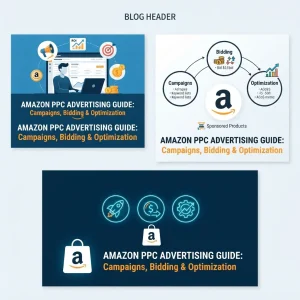
Amazon advertising presents unique challenges with its own set of campaign types, keyword research tools, and optimization strategies. Professional marketers understand how to balance organic ranking factors with sponsored product campaigns to maximize visibility and sales.
Social Media Marketing
Social commerce has transformed how consumers discover and purchase products. Professional social media marketers create cohesive brand experiences across platforms while adapting content formats to each channel’s unique characteristics and audience expectations. Explore effective e-commerce marketing examples for inspiration.
Influencer partnerships require careful vetting, contract negotiation, and performance tracking to ensure authentic brand alignment and measurable results. Professional services have established networks and processes for identifying suitable partners and managing collaborative campaigns.
Email Marketing Automation
Advanced email marketing involves sophisticated segmentation strategies, behavioral triggers, and lifecycle campaigns that nurture leads through the entire customer journey. Professional services set up complex automation workflows that deliver personalized content based on browsing behavior, purchase history, and engagement patterns.
Deliverability optimization ensures emails reach intended recipients rather than spam folders. This involves technical elements like domain authentication, IP warming, and reputation management that require ongoing attention and expertise.
Measuring Success: Key Performance Indicators

Professional e-commerce marketing services provide detailed analytics and reporting that goes beyond basic metrics like website traffic or social media followers. Key performance indicators include customer lifetime value, return on ad spend, conversion rate optimization, and multi-touch attribution analysis.
Advanced attribution modeling helps identify which marketing channels and touchpoints contribute most effectively to conversions. This insight enables more informed budget allocation and strategy optimization across all marketing activities.
Cohort analysis reveals customer retention patterns and identifies opportunities for increasing repeat purchases. Professional marketers use this data to develop targeted retention campaigns and loyalty programs that maximize long-term customer value.
Choosing the Right E-commerce Marketing Partner
Selecting appropriate marketing services requires careful evaluation of expertise, track record, and cultural fit. Look for agencies or consultants with demonstrated experience in your industry and business model, whether that’s B2B, B2C, subscription-based, or marketplace selling.
Case studies and client testimonials provide insight into past performance and working relationships. Request specific examples of how potential partners have addressed challenges similar to yours and what results they achieved.
Communication style and reporting frequency should align with your preferences and business needs. Some businesses prefer weekly check-ins and detailed reports, while others want monthly summaries with exception-based communication for urgent issues.
Integration with Your Existing Operations

Professional marketing services work most effectively when integrated smoothly with your existing business operations. This includes connecting marketing platforms with your e-commerce system, customer service tools, and inventory management software.
Data sharing and privacy considerations become increasingly important as marketing activities generate customer insights and behavioral data. Establish clear guidelines for data usage, storage, and sharing to ensure compliance with relevant regulations and maintain customer trust.
Team coordination ensures marketing efforts support broader business objectives rather than operating in isolation. Regular communication between marketing partners and internal teams helps align campaigns with product launches, seasonal promotions, and inventory availability.
The Investment Perspective
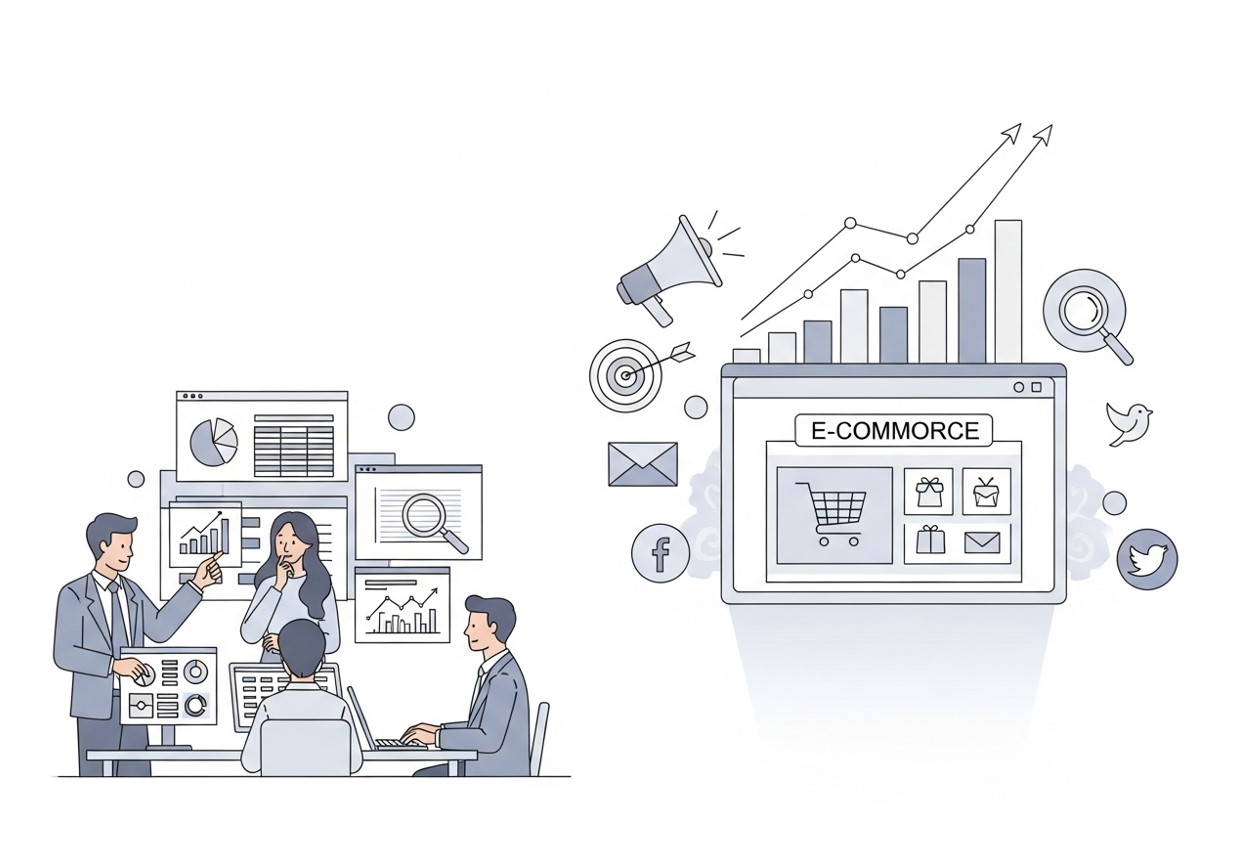
Professional e-commerce marketing services represent an investment in business growth rather than simply an operational expense. The goal is generating incremental revenue that exceeds service costs while freeing up time and resources for other strategic initiatives.
Budget allocation should reflect the potential impact of different marketing channels on your specific business model and target audience. A data-driven approach to budget distribution ensures maximum return on investment across all marketing activities.
Scalability becomes crucial as your business grows. Professional services can adapt strategies and increase campaign volumes without the hiring and training costs associated with building an internal marketing team.
Content Marketing for E-commerce: Driving Engagement and Authority
While paid ads can deliver quick sales, content marketing builds long-term brand equity and customer trust. Professional e-commerce marketers develop strategic content plans that align with your target audience’s interests and the buyer journey. This might include blog posts that answer common customer questions, video tutorials showcasing product use, or downloadable guides that provide actionable insights.
By integrating content with SEO strategies, these assets can improve organic search rankings while nurturing potential buyers. Moreover, high-quality content can fuel social media campaigns and email marketing efforts, creating a unified experience that encourages repeat visits and conversions. Advanced marketers also leverage data-driven insights to determine which content formats and topics resonate most with your audience, continually refining the strategy for better results.
Conversion Rate Optimization (CRO): Turning Visitors into Customers
Attracting traffic is only part of the equation; converting that traffic into paying customers is where real revenue growth occurs. Professional e-commerce marketing services often include Conversion Rate Optimization (CRO), which involves analyzing customer behavior on your site and implementing strategies to improve the likelihood of purchase.
This can involve A/B testing different product page layouts, experimenting with call-to-action placement, optimizing checkout flows, or enhancing trust signals like reviews, ratings, and secure payment badges. CRO professionals use advanced tools to map user journeys, identify drop-off points, and implement iterative improvements. A higher conversion rate not only increases sales without additional ad spend but also improves the efficiency of your existing marketing efforts.
Data Analytics for Predictive Growth
Data-driven insights are critical for informed decision-making in e-commerce. Professional marketing services use analytics to track user behavior, campaign performance, and purchasing trends. Beyond basic metrics, advanced analytics enable predictive modeling, identifying patterns that suggest future customer behavior.
By understanding which products, channels, or campaigns are likely to generate the highest ROI, businesses can proactively adjust strategies to maximize growth. Explore digital marketing analytics for smarter campaigns for a deeper understanding of predictive insights.
Seasonal and Event-Based Marketing Strategies
Timing is critical in e-commerce, and professional marketers plan campaigns around seasonal trends, holidays, and special events. These strategies go beyond generic sales announcements—they involve carefully crafted messaging, optimized creatives, and multi-channel coordination to maximize impact.
For instance, marketers can design campaigns targeting back-to-school shoppers, holiday gift buyers, or seasonal product launches. Email, social media, paid ads, and content marketing are synchronized to deliver consistent messaging across platforms. Analytics are used to refine campaigns in real-time, adjusting messaging, offers, and targeting to ensure peak performance.
Retargeting and Customer Retention Strategies
Winning a new customer is often more expensive than retaining an existing one. Professional e-commerce marketers design retargeting campaigns to re-engage visitors who didn’t convert initially. This includes display ads, dynamic remarketing on Google and social media, and automated email sequences reminding users of abandoned carts or suggesting complementary products.
Retention strategies include loyalty programs, personalized recommendations, and segmentation-based campaigns. Learn more about the benefits of customer loyalty programs and how they impact e-commerce growth.
Mobile Commerce Optimization
With mobile commerce accounting for a growing share of online shopping, ensuring a seamless mobile experience is crucial. Professional marketers optimize your website and advertising campaigns for mobile users, focusing on responsive design, fast-loading pages, easy navigation, and frictionless checkout experiences.
Mobile-first campaigns are not limited to the website experience; marketers also design mobile-specific ad creatives and social campaigns, ensuring that messaging and visuals resonate on smaller screens. They analyze mobile performance data separately to identify unique trends, behaviors, and opportunities that may not be visible in desktop analytics.
Continuous Testing and Optimization
One of the major advantages of professional e-commerce marketing is the emphasis on continuous improvement. Every campaign, website change, or content update is tested and refined using data-driven insights. From ad creative performance to email subject lines, every detail is measured against defined KPIs to maximize efficiency.
This iterative approach ensures that marketing spend is optimized over time and that campaigns evolve with consumer behavior, seasonal trends, and platform updates. Businesses relying solely on DIY methods often miss these subtle optimizations, which can add up to significant revenue differences over months or years.
Your Next Steps Forward
Professional e-commerce marketing services offer specialized expertise, advanced tools, and dedicated resources that many businesses cannot efficiently develop internally. The question isn’t whether you can afford these services, but whether you can afford to continue without them while competitors gain market advantages.
Start by identifying your most pressing marketing challenges and biggest growth opportunities. Whether that’s improving search rankings, increasing social media engagement, or optimizing advertising campaigns, professional services can provide the expertise needed to achieve your objectives more quickly and effectively than DIY approaches.
Consider scheduling consultations with potential marketing partners to discuss your specific needs and explore how their services align with your business goals. Most reputable agencies offer initial strategy sessions that can provide valuable insights even if you decide to continue managing marketing internally.
Frequently Asked Questions (FAQ)
Can small e-commerce businesses benefit from professional marketing services?
Absolutely. Even smaller stores can see a significant return on investment by outsourcing marketing tasks to professionals. Expert strategies help maximize limited budgets, reduce trial-and-error costs, and accelerate growth.
How do I measure the success of e-commerce marketing campaigns?
Key metrics include return on ad spend (ROAS), conversion rates, average order value, customer lifetime value, email engagement rates, social media engagement, and website traffic sources. Advanced marketers also use multi-touch attribution to understand how different channels contribute to sales.
Do professional marketing services replace in-house teams?
Not necessarily. Many businesses use professional services to complement in-house efforts, providing specialized expertise, advanced tools, and scalability that internal teams may lack.
How quickly can I expect results from professional e-commerce marketing?
The timeline depends on your business model, market competitiveness, and the scope of services. Some campaigns, like paid advertising, can deliver faster results, while SEO, content marketing, and brand-building strategies may take several months to show significant impact.
Are professional e-commerce marketing services worth the investment?
Yes, if approached strategically. The right partner helps you generate revenue that exceeds their fees while freeing you to focus on core business operations. The ROI improves over time as campaigns are optimized and scaled.