How E-Commerce Improves Market Efficiency: Key Benefits
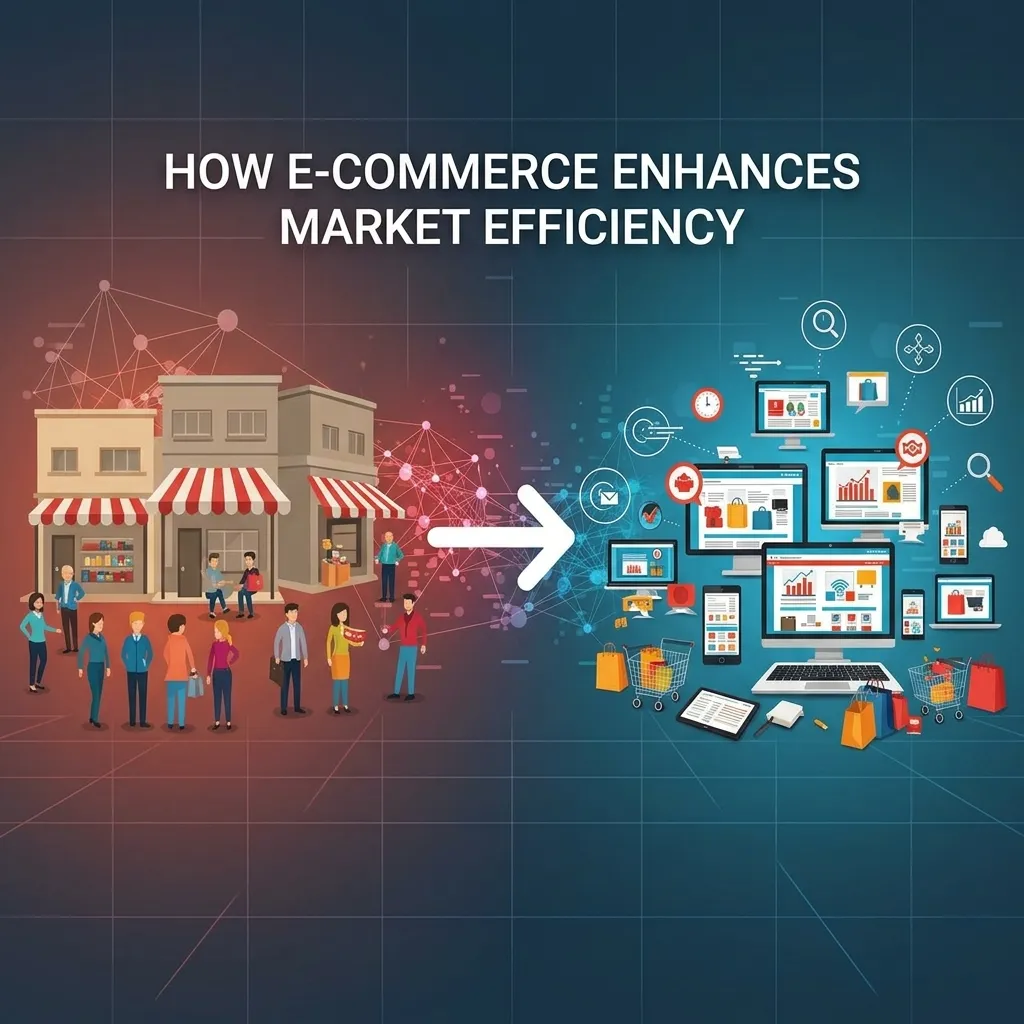
E-Commerce Market Efficiency improves by reducing transaction costs, expanding market reach, increasing price transparency, enabling faster information flow, and allowing businesses and consumers to make more informed, timely decisions.
What is Market Efficiency?
Before examining how e-commerce improves market efficiency, it is necessary to define the term.
A market that allocates resources optimally so that the lowest cost, minimum waste of resources, and maximum value for both consumers and suppliers alike is popularly considered efficient. Fairness, transparent transfer of assets (both in time and space), easy access to all market participants–all of these are aspects
e-commerce platforms like Amazon, Alibaba, and Shopify contribute to these factors in a big way, reshaping global markets go in a harmonious direction.
How eCommerce Improves Market Efficiency
1. Market Transparency
One of the defining features of e-commerce is its transparency. Consumers can access a wealth of information about products, prices, and reviews directly online, which was much harder to achieve in traditional retail settings.
a) Price Comparisons
eCommerce platforms often facilitate price comparison tools. Customers can easily browse multiple sellers, check different prices, and make informed decisions. This not only benefits buyers but also forces sellers to remain competitive.
b) Product Reviews
Customer reviews on platforms like Amazon or Yelp build trust and eliminate uncertainty. Shoppers can learn about a product’s quality or a seller’s reputation within minutes. This transparency increases confidence and reduces the potential for fraudulent activities.
Transparency in an eCommerce setting aligns the interests of buyers and sellers, creating an environment where both parties are incentivized to act fairly.
2. Reductions in Transaction Costs
Traditional marketplaces involve various costs, from physical store leases to middleman fees and advertising costs. eCommerce significantly reduces these transaction costs, benefiting both businesses and consumers.
a) Lower Overheads for Sellers
Brick-and-mortar operations come with substantial fixed costs, such as rent, utilities, and staffing. By operating as an online-only business, sellers can cut these expenses drastically. Platforms like Shopify and Big Commerce make it affordable for even small businesses to reach a global audience without the burden of maintaining physical stores.
b) Convenience for Buyers
eCommerce eliminates effort-based costs for customers. Instead of traveling to a store or visiting multiple locations to compare products, customers can shop from the comfort of their own homes. This reduction in “search costs” contributes to overall market efficiency.
c) Targeted Advertisements
Rather than wasting resources on generalized advertising, eCommerce enables precise, cost-effective targeting. AI-powered tools on platforms like Facebook Ads or Google Ads help businesses connect with the right audience, reducing wastage and allowing small budgets to generate big impacts.
3. Facilitating Competition
eCommerce has fostered an environment where businesses of all sizes can compete on a level playing field. Here’s how it works:
a) Access to Global Markets
Previously, geographical constraints often limited businesses to local markets. Now, even small businesses can sell to customers worldwide using platforms like eBay or Etsy. This expanded access boosts competition, benefiting consumers through better prices and innovation.
b) Entry Barriers are Reduced
Starting a business in traditional markets often meant facing high barriers to entry, such as regulatory hurdles, licensing, or financial capital for infrastructure. eCommerce simplifies this process, enabling startups and entrepreneurs to establish an online storefront quickly and inexpensively.
A more competitive market not only ensures fair pricing but also motivates companies to enhance their products and services continually.
4. Efficient Supply Chain Management
E-Commerce has drastically streamlined supply chain operations, which contributes significantly to market efficiency.
a) Real-time Data Integration
Many eCommerce businesses use advanced analytics and AI-powered tools to track inventory, predict demand, and optimize shipping routes. For example, companies like Amazon have pioneered next-day delivery services by using predictive logistics algorithms.
b) Direct-to-Consumer (DTC) Models
Direct-to-consumer models reduce the need for intermediaries, allowing businesses to ship products directly from manufacturers to customers. This not only decreases costs but also speeds up delivery times, enhancing customer satisfaction.
c) Drop-shipping
This strategy, popularized by Shopify businesses, involves selling products without maintaining inventory. By leveraging a drop-shipping model, sellers eliminate storage costs and reduce capital requirements, which benefits cash flow and reduces inefficiencies.
5. Access to Data and Insights
Data is one of the most valuable assets in an eCommerce-driven world. Online businesses collect and analyze customer data to understand their preferences, buying patterns, and behaviors.
a) Personalized Recommendations
Platforms like Amazon and Netflix use robust algorithms to recommend products or content based on past behaviors. This improves customer experience, reduces decision-making time, and boosts overall satisfaction.
b) Improved Demand Forecasting
Thanks to rich customer and sales data, sellers can better predict consumer demand, minimizing overproduction or stock outs. This level of resource optimization is key to maintaining a lean and efficient market.
6. Environmental Impact
Interestingly, e-commerce also contributes to sustainability, an essential component of an efficient market.
By enabling consolidated shipping and reducing the need for physical retail spaces, e-commerce minimizes greenhouse gas emissions. Innovations in eco-friendly packaging and carbon-neutral shipping initiatives further enhance eCommerce’s green credentials.
Read our latest blog, E-Commerce Logistics Market
Dynamic Pricing and Real-Time Market Adjustments
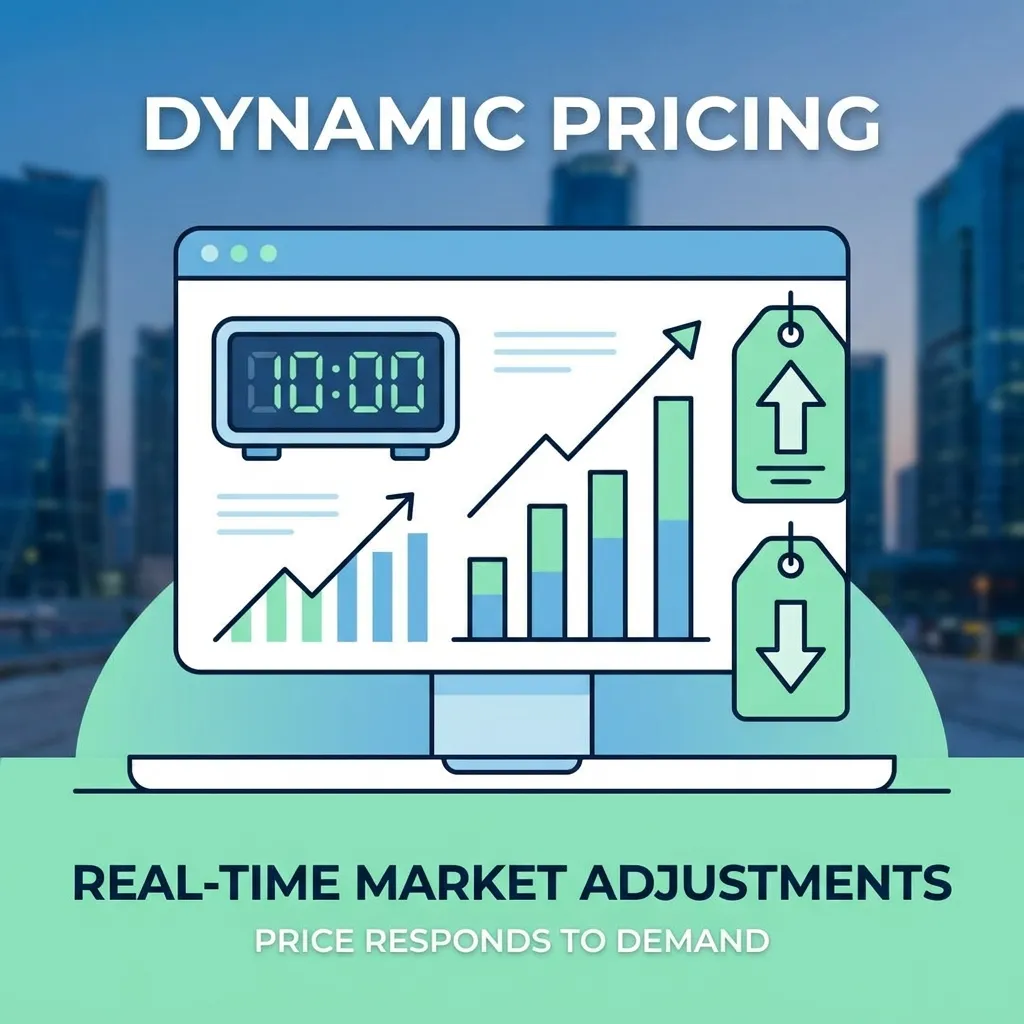
One of the most powerful ways E-Commerce Market Efficiency is enhanced is through dynamic pricing models. Unlike traditional retail, where price changes require physical updates and manual processes, e-commerce platforms can adjust pricing instantly based on demand, competition, seasonality, and customer behavior.
Dynamic pricing ensures that supply and demand are balanced in real time. It minimizes unsold inventory, prevents stockouts, and allows businesses to respond immediately to market signals.
a) Demand-Based Pricing
E-commerce platforms use algorithms to increase or decrease prices depending on demand levels. For example, during high-demand periods, prices may increase slightly to maintain stock availability.
b) Competitive Price Monitoring
Online sellers can track competitors’ prices automatically and adjust their own pricing strategies accordingly. This encourages fair pricing and strengthens competition within the e-commerce market.
c) Promotional Optimization
Businesses can run time-sensitive shopping campaigns and flash sales based on live performance metrics, maximizing conversion rates while minimizing wasted marketing budgets.
Example – Dynamic Pricing Impact on Market Efficiency
| Pricing Strategy | How It Improves Efficiency | Business Benefit |
|---|---|---|
| Demand-based pricing | Balances supply and demand | Reduces overstock & shortages |
| Competitor-based pricing | Ensures competitive market rates | Improves customer retention |
| Time-based promotions | Maximizes short-term demand | Boosts revenue during peak periods |
| Personalized pricing | Aligns price with customer behavior | Increases conversion rates |
Dynamic pricing strengthens resource allocation and supports a more responsive, data-driven commerce strategy.
Automation and Operational Efficiency
Automation is a key driver of efficiency in the e-commerce market. By reducing manual intervention, businesses lower operational costs, minimize errors, and speed up processes.
Automation doesn’t just apply to logistics—it also improves marketing-ecommerce processes, customer support, and order fulfillment.
a) Automated Order Processing
Orders can be processed instantly without human input, reducing delays and operational bottlenecks.
b) Marketing Automation
Tools for email-marketing-for-e-commerce allow businesses to automate welcome sequences, abandoned cart reminders, and post-purchase follow-ups. This improves engagement while reducing marketing labor costs.
c) Customer Support Automation
Chatbots and AI-powered support systems resolve common queries 24/7, improving service efficiency and reducing staffing expenses.
Example – Automation Areas & Efficiency Gains
| Automation Area | Efficiency Impact | Resulting Market Benefit |
|---|---|---|
| Order processing | Reduces manual errors | Faster transaction completion |
| Email marketing systems | Improves targeted communication | Higher ROI on marketing spend |
| AI chat support | 24/7 customer service availability | Increased customer satisfaction |
| Inventory automation | Real-time stock updates | Lower waste & better forecasting |
Automation allows businesses to scale rapidly without proportionally increasing costs, directly contributing to E-Commerce Market Efficiency.
Customer Loyalty Programs and Retention Efficiency
Market efficiency is not only about reducing costs—it’s also about maximizing lifetime value. Customer Loyalty Programs play a significant role in improving efficiency within the e-commerce market.
Acquiring new customers is often more expensive than retaining existing ones. By focusing on retention strategies, businesses reduce marketing waste and stabilize revenue streams.
a) Reward-Based Systems
Points, discounts, and cashback programs encourage repeat purchases and long-term engagement.
b) Tiered Membership Models
VIP or premium tiers incentivize higher spending while offering exclusive benefits.
c) Integrated Email & Retention Strategies
Combining email-marketing-strategies with loyalty programs ensures consistent engagement and personalized rewards.
Example – Loyalty Programs & Market Efficiency
| Loyalty Strategy | Efficiency Contribution | Long-Term Impact |
|---|---|---|
| Points-based rewards | Encourages repeat purchases | Increased customer lifetime value |
| Tiered memberships | Incentivizes higher spending | Revenue stability |
| Personalized email offers | Reduces marketing wastage | Improved conversion efficiency |
| Referral programs | Low-cost customer acquisition | Organic market expansion |
By strengthening retention, businesses optimize marketing-ecommerce budgets and enhance long-term stability in the e-commerce market.
The Challenges of eCommerce in Achieving Full Efficiency
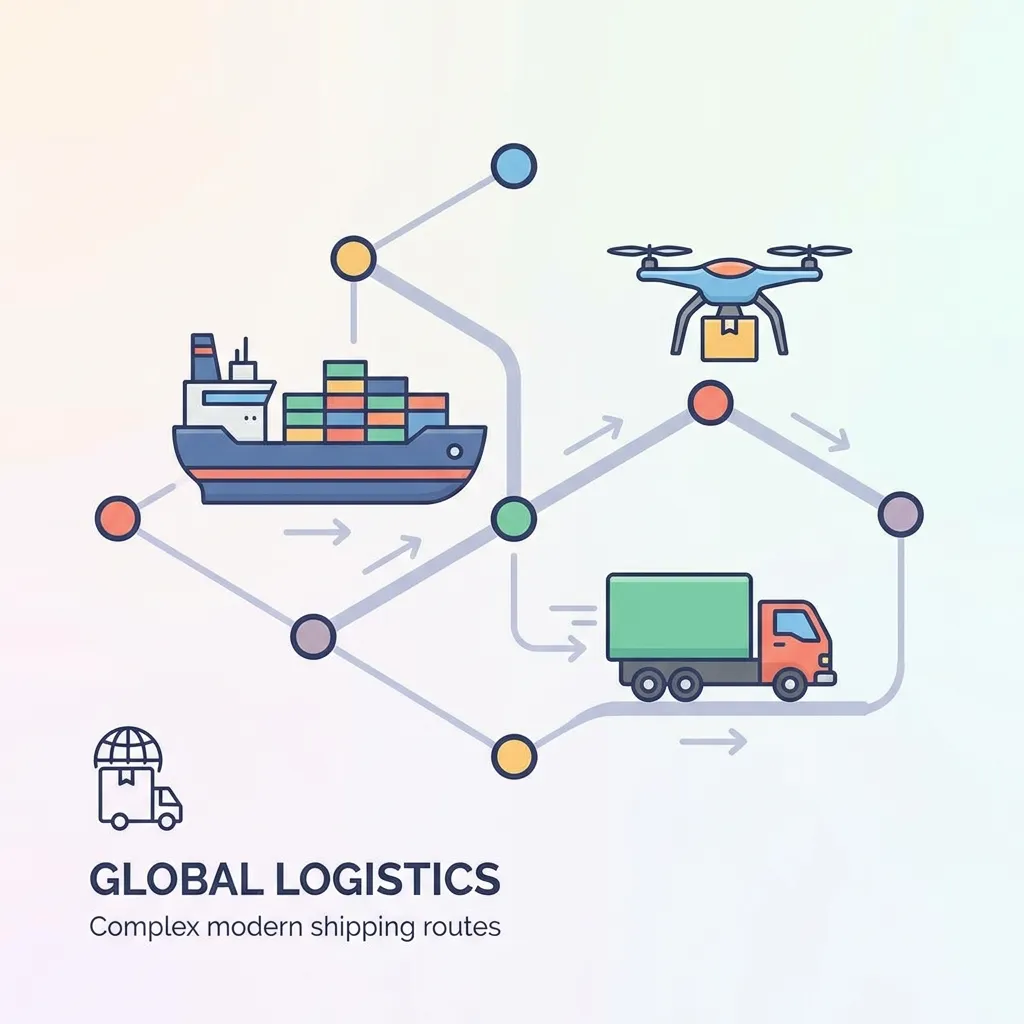
While e-commerce offers numerous advantages, it’s important to acknowledge the challenges that still exist.
- Digital Divide: Not everyone has equal access to the internet or digital literacy, creating a gap in who can fully participate in e-commerce.
- Logistics Issues: Certain rural areas still struggle with efficient and timely deliveries.
- Data Security: Market efficiency can be undermined by cybersecurity threats, fraud, or data breaches.
How Businesses Can Leverage e-commerce for Efficiency
If you’re a business looking to capitalize on eCommerce’s benefits, here are some actionable steps to start today:
- Invest in Analytics: Use tools like Google Analytics, Shopify reports, or advanced AI systems to track and optimize customer behavior.
- Focus on User Experience (UX): A streamlined, user-friendly site enhances transparency and trust.
- Adopt Scalable Tools: Leverage platforms that simplify inventory management, demand forecasting, and personalized marketing.
- Stay Ethical: Build customer trust by being transparent about data usage, pricing, and delivery practices.
E-Commerce and the Road Ahead
E-commerce’s future is in continuous innovation. So, with the help of Artificial Intelligence (AI), Blockchain Technology, and Augmented Reality, rationalizing markets will further democratize the world economy on a global scale.
Those companies that embrace these new developments are better placed to prosper in the increasingly connected world of global e-commerce.
Are you ready for your business to enter the world of e-commerce? In the spirit of providing excellence, it doesn’t matter if it’s a new idea or if it runs against current conventions; the one thing that will always be valued is ensuring customers have a great experience while still finding a way to make your work flow smoother and faster.
Frequently Asked Questions (FAQs) About E-Commerce Market Efficiency
1. What is E-Commerce Market Efficiency?
E-Commerce Market Efficiency refers to how online markets allocate resources with minimal waste, lower transaction costs, greater transparency, and improved access to information. It ensures both buyers and sellers benefit from optimized pricing, competition, and faster transactions.
2. How does e-commerce improve overall market efficiency?
E-commerce improves efficiency by reducing operational costs, enabling real-time pricing adjustments, increasing price transparency, improving supply chain management, and providing access to customer data for smarter business decisions.
3. Why does e-commerce need email marketing to improve efficiency?
E-commerce needs email marketing because it lowers customer acquisition costs and increases retention. Automated email marketing strategies help businesses communicate directly with customers, recover abandoned carts, and improve conversion rates efficiently.
4. Is SMS marketing more efficient than email marketing in e-commerce?
SMS marketing vs email marketing depends on the goal. SMS works well for urgent promotions, while email marketing for e-commerce is better for detailed content, automation, and customer nurturing. Combining both increases overall market efficiency.
5. How do customer loyalty programs contribute to market efficiency?
A customer loyalty program improves efficiency by increasing repeat purchases and customer lifetime value. Retaining existing customers reduces marketing costs and creates predictable revenue streams in the e-commerce market.
6. Can Affiliate Marketing Enhance E-Commerce Market Efficiency?
Yes. Affiliate marketing expands reach without high upfront advertising costs. Businesses only pay commissions on successful sales, making it a performance-based strategy that reduces marketing risk and improves cost efficiency.
7. How do shopping campaigns improve efficiency in e-commerce?
Shopping campaigns use data-driven targeting to display relevant products to the right audience. This reduces wasted ad spend and increases conversion rates, contributing directly to more efficient resource allocation.
8. What role does social media strategy play in e-commerce efficiency?
A strong Facebook strategy or WhatsApp strategy enhances online-marketing-in-e-commerce by improving customer communication, retargeting efficiency, and direct engagement. Social platforms help businesses reach audiences faster and at lower costs.
9. How does automation support E-Commerce Market Efficiency?
Automation in order processing, inventory management, and email marketing strategies reduces manual errors and operational delays. This lowers overhead costs and improves transaction speed across the e-commerce market.
10. What is the future of E-Commerce Market Efficiency?
The future of E-Commerce Market Efficiency lies in AI-driven personalization, predictive analytics, blockchain transparency, and integrated commerce-strategy models. Businesses that adopt innovative services-strategies will operate more competitively and sustainably.