Harnessing AI Chatbots to Boost E-Commerce Conversions
In today’s competitive digital marketplace, e-commerce businesses are seeking innovative ways to stand out, engage customers, and drive higher conversion rates. Among the most promising solutions is the integration of AI-powered chatbots. These virtual assistants can deliver instant, personalized support, guide users through the purchase journey, and automate routine tasks, freeing up human agents for more complex inquiries. In this comprehensive guide, we will explore what AI chatbots are, why they matter for e-commerce, how to implement them effectively, and the best practices and metrics you need to succeed.
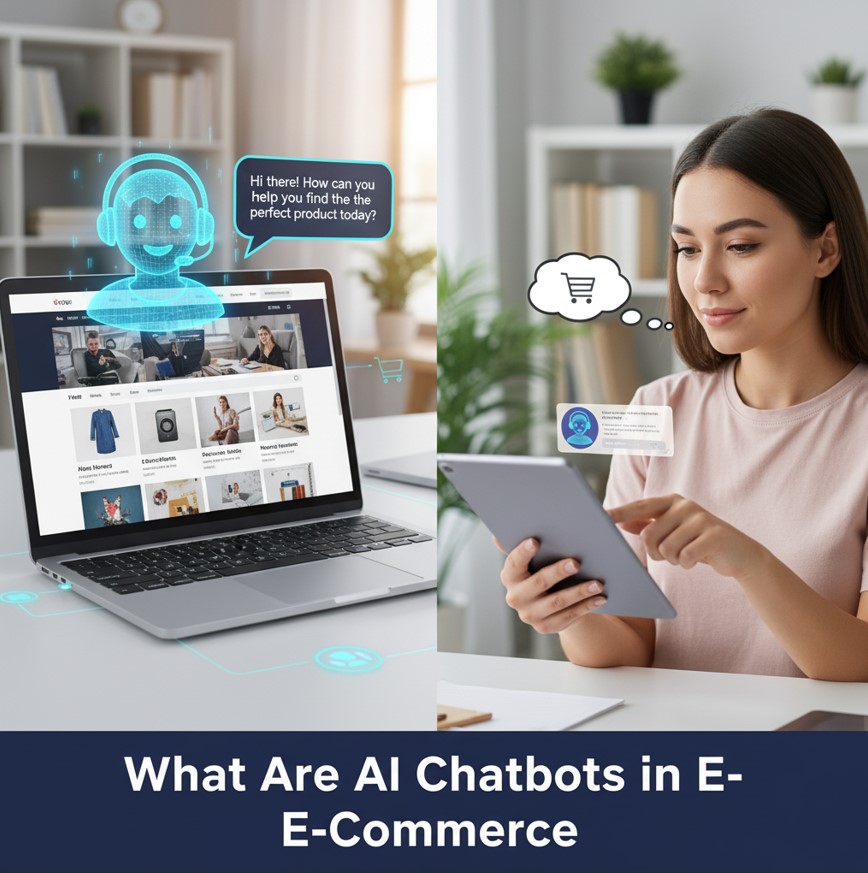
What Are AI Chatbots in E-Commerce?
AI chatbots are software applications that leverage artificial intelligence, natural language processing (NLP), and machine learning to simulate human conversation. In an e-commerce context, they can be integrated on websites, mobile apps, or messaging platforms to interact with customers in real time. Instead of navigating through a static FAQ page or waiting for an email response, shoppers can ask questions, receive product recommendations, track orders, and troubleshoot issues instantly.
Key Benefits of AI Chatbots for E-Commerce
24/7 Customer Support
AI chatbots never sleep. They provide round-the-clock assistance, ensuring that customers across different time zones can get help any time of day or night. This continuous availability reduces cart abandonment and improves overall satisfaction.
Personalized Shopping Experiences
By analyzing user behavior, purchase history, and preferences, chatbots can deliver tailored product recommendations. Personalized suggestions make customers feel understood and often lead to higher average order values. For more on enhancing personalization in your store, see AI Personalization in E-Commerce.
Faster Resolution of Queries
Routine questions about shipping, returns, sizing, and product specifications can be handled instantly by chatbots. Faster resolutions prevent frustration and build trust in your brand.
Cost Savings and Scalability
Implementing chatbots reduces the burden on human support teams, leading to lower staffing costs. As your traffic grows, chatbots can handle increased query volumes without proportional increases in cost.
Data Collection and Insights
Every interaction with a chatbot generates valuable data. By analyzing conversation logs, you can identify common pain points, popular products, and opportunities to refine your marketing and sales strategies. This aligns well with broader E-Commerce Marketing Services Needed for data-driven growth..
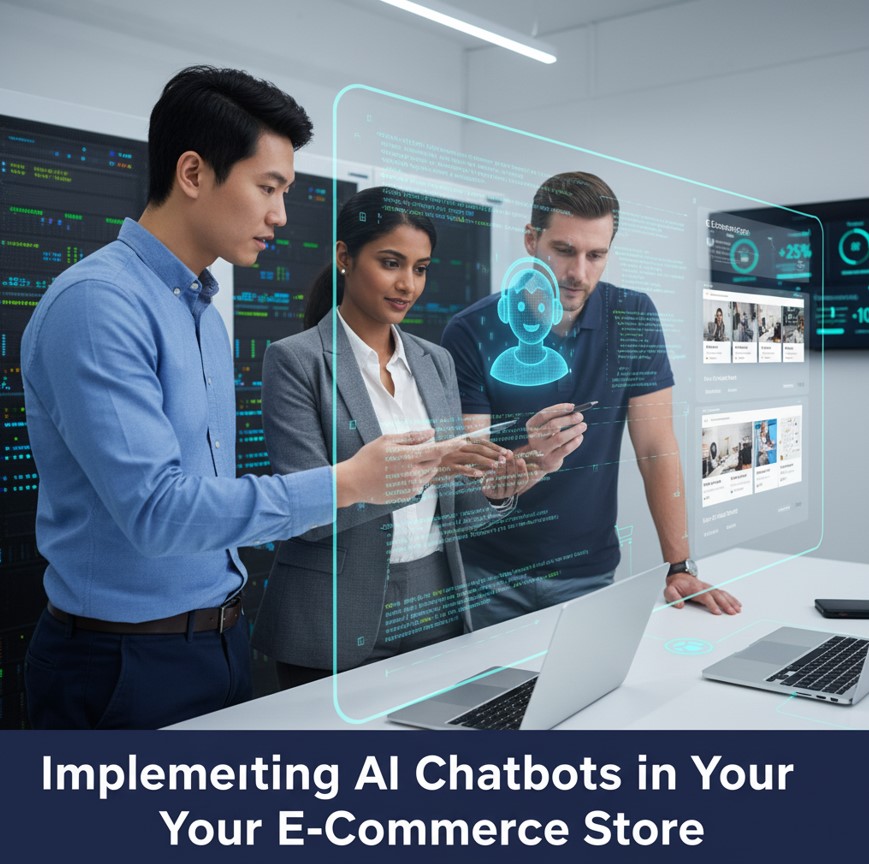
Implementing AI Chatbots in Your E-Commerce Store
Successful chatbot integration involves strategic planning, the right technology stack, and continuous optimization. Follow these steps to get started:
Define Objectives and Use Cases
Begin by identifying the primary goals you want to achieve with a chatbot. Common objectives include reducing support tickets, increasing average order value, or improving customer engagement. Then, map out specific use cases, such as product discovery, order tracking, and post-purchase follow-up. Complement this with E-Commerce Marketing Strategy Guide insights for a full marketing approach.
Choose the Right Platform
There are many chatbot platforms available, from all-in-one solutions to specialized AI frameworks. Evaluate options based on ease of integration, NLP capabilities, analytics dashboards, and pricing. Popular choices include Dialogflow, IBM Watson Assistant, Microsoft Bot Framework, and dedicated e-commerce chatbots like Tidio or Intercom.
Design Conversational Flows
Crafting intuitive conversational flows is critical. Start with greeting messages that set the tone and guide users to relevant options. Use buttons, quick replies, and rich media like images or carousels to streamline navigation. Ensure that fallback responses are polite and provide options to connect with a human agent when needed.
Integrate with Back-End Systems
To provide real-time order tracking, inventory updates, and personalized suggestions, integrate your chatbot with your e-commerce platform (e.g., Shopify, Magento) and CRM. Secure API connections enable the bot to fetch customer data, update order statuses, and recommend products accurately. This is an important part of any Digital Marketing E-Commerce Foundation.
Train the AI and Test Extensively
Feed your chatbot with example dialogues, FAQs, and product catalogs to improve NLP accuracy. Conduct rigorous testing across different scenarios, languages, and devices. Invite internal teams and beta customers to provide feedback and uncover edge cases.
Launch and Monitor
After deployment, track performance metrics closely. Monitor response accuracy, resolution rates, engagement levels, and user satisfaction scores. Use these insights to refine conversation scripts and expand capabilities over time. For offline and hybrid campaigns, monitoring is also discussed in Event Digital Marketing: Your Complete Strategy.
Best Practices for Maximizing Chatbot Performance
To ensure your AI chatbot delivers tangible ROI, follow these proven best practices:

- Be Transparent: Inform users they’re chatting with a bot to set expectations and build trust.
- Prioritize User Experience: Keep messages concise, avoid jargon, and offer menu options to simplify navigation.
- Offer Human Escalation: Always provide an easy path to a live agent for complex or sensitive issues.
- Continuously Train Your Bot: Regularly update intents, entities, and conversation flows based on new products, policies, and customer feedback.
- Localize Content: If you serve multiple regions, adapt language, currencies, and cultural references to resonate with local audiences.
- Leverage Rich Media: Use images, GIFs, and product carousels to create engaging interactions and showcase your catalog visually.
Measuring Chatbot Success: Key Metrics
To evaluate the impact of your AI chatbot on e-commerce conversions, track these core metrics:
- Response Accuracy Rate: The percentage of user queries correctly understood and handled by the bot.
- Conversation Completion Rate: The proportion of sessions that reach a successful outcome, such as a product recommendation or order placement.
- Average Order Value (AOV): Compare AOV for users who interacted with the chatbot versus those who did not.
- Cart Abandonment Rate: Monitor how effectively the bot recovers abandoned carts through targeted messages and reminders.
- Customer Satisfaction Score (CSAT): Collect feedback at the end of each chat session to gauge user sentiment.
Future Trends: What’s Next for AI Chatbots in E-Commerce?
AI chatbot technology continues to evolve rapidly. Here are some emerging trends shaping the future of e-commerce interactions:
Multimodal Interfaces
Next-generation bots will understand voice commands, images, and even videos. Shoppers might send photos of items they like and receive product matches instantly.
Deep Personalization with Predictive Analytics
By analyzing browsing behavior and past purchases, chatbots will proactively suggest products just when customers are most likely to buy, driving even higher conversion rates.
Seamless Omnichannel Experiences
Unified bot frameworks will allow customers to switch between website chat, mobile apps, and social messaging without losing context, ensuring a cohesive experience across touchpoints.
Integration with AR and VR
Imagine a virtual shopping assistant guiding customers through an augmented reality store, helping them visualize products in their own environment before purchasing.
Advanced Strategies for AI Chatbots in E-Commerce
While basic chatbot implementation can improve customer support and sales, advanced strategies can transform chatbots into key drivers of business growth. One such approach involves proactive engagement. Instead of waiting for a customer to initiate a conversation, AI chatbots can detect user behavior and trigger helpful interactions. For example, if a visitor lingers on a product page or adds an item to their cart without checking out, the chatbot can offer assistance, suggest complementary products, or provide discount codes in real-time. This predictive engagement not only enhances the user experience but also increases the likelihood of conversion.
Another sophisticated strategy involves segmentation and personalization at a granular level. By integrating chatbots with CRM and marketing automation tools, businesses can tailor conversations based on user profiles, purchase history, and even seasonal trends. This level of personalization builds loyalty and strengthens customer relationships, as shoppers feel understood and valued. Moreover, chatbots can be programmed to follow up with personalized recommendations post-purchase, turning one-time buyers into repeat customers and brand advocates.
AI Chatbots and Customer Retention
Customer retention is a crucial metric in e-commerce, and AI chatbots can play a pivotal role in maintaining long-term relationships. Through ongoing interactions, chatbots can remind users about upcoming sales, restock alerts, and loyalty rewards. By sending timely notifications and follow-ups based on customer behavior, chatbots help keep the brand top-of-mind without appearing intrusive.
Additionally, chatbots can gather insights into customer satisfaction and product preferences over time. By analyzing this data, businesses can identify potential issues, anticipate needs, and continuously improve the shopping experience. This proactive retention strategy reduces churn, encourages repeat purchases, and reinforces trust between the customer and brand.
Integrating AI Chatbots with Omnichannel Marketing
Modern e-commerce is inherently omnichannel. Customers may interact with a brand through social media, email, websites, apps, or even voice assistants. AI chatbots can unify these touchpoints into a seamless experience. By integrating with social messaging platforms like WhatsApp, Facebook Messenger, or Instagram Direct, chatbots ensure that customers receive consistent, timely support wherever they are.
Beyond support, chatbots can enhance marketing campaigns across channels. For example, a customer who interacts with a chatbot on Instagram may receive follow-up product recommendations via email or push notifications, maintaining continuity and reinforcing messaging. Omnichannel chatbot integration ensures that marketing efforts are cohesive, personalized, and effective across all digital touchpoints.
Ethical Considerations in AI Chatbot Deployment
While AI chatbots offer numerous benefits, ethical considerations are critical. Transparency is paramount; customers should always be aware they are interacting with a bot, not a human agent. Misleading users can erode trust and negatively impact brand perception.
Data privacy is another crucial aspect. E-commerce chatbots handle sensitive customer information, including payment details, addresses, and personal preferences. Ensuring compliance with data protection regulations such as GDPR or CCPA is essential. Businesses should implement secure data handling practices, encrypt sensitive information, and provide customers with clear privacy policies regarding chatbot interactions. By prioritizing ethics and security, companies can build trust while leveraging the full potential of AI technology.
Optimizing Chatbots with Continuous Learning
AI chatbots thrive on continuous learning. Every interaction provides data that can be used to refine natural language understanding, improve response accuracy, and anticipate customer needs. Regularly reviewing conversation logs allows businesses to identify gaps in the chatbot’s knowledge, uncover common customer pain points, and optimize messaging.
Furthermore, A/B testing can be applied to chatbot interactions. By experimenting with different prompts, suggestions, and conversational flows, marketers can determine which approaches yield the highest engagement and conversion rates. This iterative improvement ensures that chatbots remain relevant, effective, and aligned with evolving customer expectations.
Conclusion
AI chatbots represent a transformative opportunity for e-commerce businesses aiming to elevate customer experience, increase efficiency, and drive higher conversion rates. By understanding the technology, defining clear objectives, implementing thoughtful conversational flows, and monitoring performance, you can unlock the full potential of chatbots. As AI continues to advance, these virtual assistants will become even more intelligent, personalized, and indispensable to online retailers. Start your chatbot journey today, and stay ahead in the ever-evolving world of e-commerce.
Frequently Asked Questions (FAQ)
How can AI chatbots improve the overall shopping experience?
AI chatbots enhance the shopping experience by providing instant, personalized support that guides customers through every stage of their journey. From product discovery to order tracking, chatbots remove friction, answer questions in real-time, and even anticipate user needs through predictive suggestions. This level of service improves satisfaction, reduces cart abandonment, and increases the likelihood of repeat purchases.
Can chatbots handle complex customer issues or only simple inquiries?
While chatbots excel at handling routine questions about products, orders, or shipping, they can also manage more complex interactions when properly trained. Through integration with CRM systems and access to comprehensive knowledge bases, chatbots can provide detailed recommendations and escalate issues seamlessly to human agents for advanced problem-solving.
Do AI chatbots require ongoing maintenance?
Yes, chatbots are not a set-and-forget solution. Continuous monitoring, regular training with new data, and updates to conversational flows are necessary to maintain accuracy, relevance, and engagement. Businesses should regularly review chatbot performance metrics, analyze user interactions, and refine responses to meet changing customer expectations.
How do chatbots collect and utilize customer data responsibly?
AI chatbots collect data such as browsing behavior, purchase history, and user preferences. Responsible usage involves anonymizing sensitive information, complying with data protection regulations, and being transparent with users about how their data is used. Properly implemented, this data allows for more personalized and relevant customer interactions without compromising privacy.
Will chatbots replace human customer service agents?
Chatbots are designed to complement, not replace, human agents. By automating routine tasks, chatbots free up human agents to focus on complex, high-value interactions. This combination improves efficiency, enhances the customer experience, and allows human teams to provide higher quality support where it’s most needed.
What are the most important metrics to track for chatbot performance?
Key metrics include response accuracy, conversation completion rate, average order value influenced by chatbot interactions, cart abandonment reduction, and customer satisfaction scores. Monitoring these metrics enables businesses to measure ROI, optimize performance, and continuously enhance the user experience.
Can chatbots be used for marketing beyond customer support?
Absolutely. Chatbots can serve as marketing tools by promoting new products, offering personalized recommendations, delivering discounts, and collecting feedback. By integrating with marketing automation systems, chatbots can engage customers proactively, nurturing leads and boosting conversions.
How do AI chatbots adapt to multiple languages and regions?
Advanced chatbots can be trained in multiple languages and localized for cultural nuances, currency, and regional preferences. This ensures that global customers receive a personalized, contextually relevant experience regardless of location.
Are chatbots suitable for small e-commerce businesses, or only for large enterprises?
Chatbots are scalable solutions suitable for businesses of all sizes. Small businesses can benefit from reduced support costs, improved engagement, and data collection, while larger enterprises leverage chatbots to handle high volumes of interactions and provide consistent, personalized experiences at scale.
What is the future of AI chatbots in e-commerce?
The future of AI chatbots lies in multimodal interfaces, deep personalization, integration with AR/VR experiences, and full omnichannel interaction. Chatbots will increasingly anticipate customer needs, offer proactive recommendations, and blend seamlessly into the broader e-commerce ecosystem, becoming indispensable tools for enhancing customer experience and driving sales.