
E-Commerce Logistics Market: Growth Trends and Future Outlook

The e-commerce logistics market has grown rapidly, driven by online shopping and rising consumer expectations for fast, reliable deliveries. Technology, automation, and data-driven solutions are transforming last-mile delivery, warehousing, and cross-border shipping. Despite challenges like labor shortages and environmental pressures, companies that combine efficiency, innovation, and customer experience are best positioned to succeed in this dynamic industry.
Market Size and Growth Projections
The e-commerce logistics market has experienced unprecedented growth, driven by the global shift toward online shopping. Industry analysts project continued expansion as digital commerce penetrates new geographic markets and demographic segments.
Several factors contribute to this sustained growth trajectory. Consumer preferences have shifted permanently toward online shopping, with many buyers now expecting delivery options that rival traditional retail experiences. Additionally, small and medium-sized businesses increasingly rely on e-commerce platforms to reach customers, creating demand for scalable logistics solutions.
The integration of advanced technologies like artificial intelligence, robotics, and predictive analytics has enabled logistics providers to handle higher volumes while improving efficiency. These technological improvements make it economically viable to serve previously challenging markets, including rural areas and international destinations.
Key Market Segments
Last-Mile Delivery Services
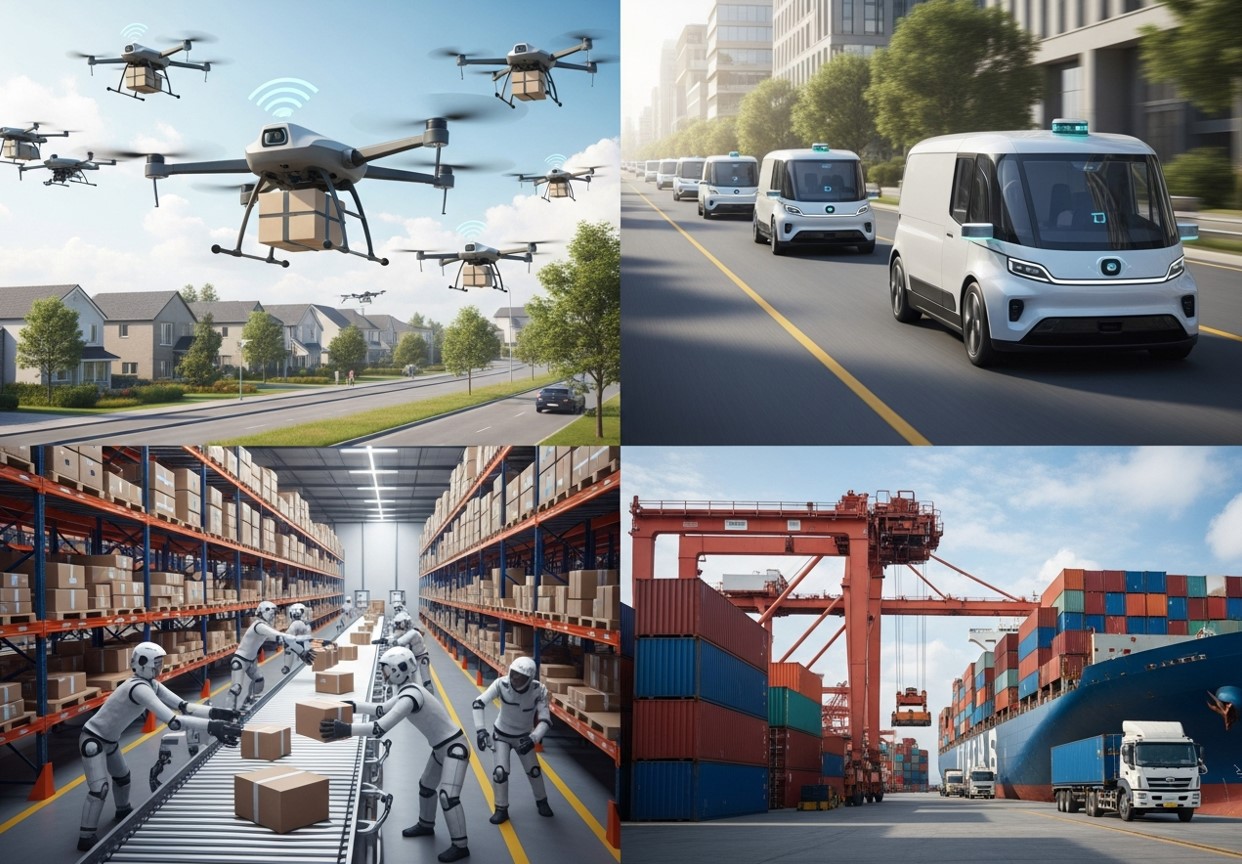
Last-mile delivery represents the final and most customer-facing step in the e-commerce logistics chain, where packages move from distribution hubs or local fulfillment centers directly to customers’ doorsteps. This stage plays a critical role in shaping customer satisfaction, as delivery speed, reliability, and convenience strongly influence repeat purchases and brand loyalty. As a result, last-mile delivery has become one of the most competitive and innovation-driven segments of the logistics market.
Companies are actively experimenting with new delivery models to reduce costs and improve efficiency. Emerging solutions such as drone deliveries, autonomous vehicles, and crowdsourced courier networks aim to address rising delivery volumes while meeting expectations for faster service. At the same time, traditional carriers are enhancing route optimization, real-time tracking, and delivery confirmation technologies to remain competitive.
Urban environments present unique last-mile challenges, including traffic congestion, limited parking access, high delivery density, and increased risks of missed or stolen packages. To overcome these obstacles, logistics providers are deploying parcel locker networks, offering scheduled or time-slot deliveries, and forming partnerships with local retailers and pickup points. These approaches help reduce failed deliveries, lower operational costs, and provide customers with greater flexibility and control over how and when they receive their orders.
Warehousing and Fulfillment
Modern e-commerce operations rely on highly efficient warehousing solutions designed to process large volumes of orders quickly and accurately. Automated fulfillment centers use robotics, AI, and advanced warehouse management systems to streamline picking, packing, sorting, and shipping processes.
As consumer expectations for fast delivery continue to rise, warehouses are increasingly positioned closer to end customers. This shift toward distributed fulfillment networks allows businesses to reduce delivery times and transportation costs. Micro-fulfillment centers and regional warehouses are becoming essential components of e-commerce logistics strategies, particularly in densely populated areas.
The growth of omnichannel retail has further increased the complexity of warehousing operations. Warehouses must now support both online order fulfillment and physical store replenishment from the same inventory pool. This requires flexible systems capable of managing real-time inventory visibility, diverse product assortments, and multiple fulfillment workflows. Companies that successfully integrate these capabilities gain greater inventory efficiency and a more consistent customer experience across all sales channels.
Cross-Border Logistics
Cross-border logistics plays a vital role in enabling international e-commerce, allowing businesses of all sizes to reach customers beyond their domestic markets. While global selling creates significant growth opportunities, it also introduces complex logistical and regulatory challenges that require specialized expertise and infrastructure.
International shipping involves navigating customs clearance processes, import duties and taxes, currency conversions, and compliance with varying trade regulations across countries. Delays or errors at any stage can lead to longer delivery times, increased costs, or negative customer experiences. As a result, efficient cross-border logistics depends heavily on accurate documentation, transparent pricing, and reliable carrier networks.
Specialized cross-border e-commerce logistics providers help businesses manage these complexities by offering end-to-end solutions, including customs brokerage, localized warehousing, and international returns handling. Many also provide delivery time estimates and landed cost calculations at checkout, improving transparency for customers. As consumers become more comfortable purchasing from international retailers, demand for streamlined and dependable cross-border logistics solutions continues to grow, making this segment a key driver of global e-commerce expansion.
Technology Driving Market Evolution

Automation and Robotics
Warehouse automation has revolutionized order fulfillment, enabling companies to process higher volumes with greater accuracy. Advanced sorting systems use machine learning to optimize package routing, reducing delivery times and transportation costs. Many businesses invest in AI chatbots and automation to streamline operations and improve efficiency.
Advanced sorting systems use machine learning to optimize package routing, reducing delivery times and transportation costs. These systems adapt to changing demand patterns and can automatically adjust operations during peak seasons.
Data Analytics and Predictive Modeling
E-commerce logistics companies leverage vast amounts of data to optimize their operations. Predictive analytics help forecast demand, optimize inventory placement, and improve delivery route planning.
Real-time tracking systems provide transparency for both businesses and consumers, reducing customer service inquiries while enabling proactive problem resolution. This data-driven approach allows companies to continuously refine their logistics networks.
Mobile and Cloud Technologies
Mobile applications have become essential tools for logistics coordination, enabling drivers to receive real-time updates and customers to track their packages. Cloud-based logistics platforms offer scalability and flexibility that traditional systems cannot match.
These technologies enable smaller logistics providers to compete with larger companies by accessing sophisticated tools without significant upfront investments. The democratization of logistics technology has contributed to increased competition and innovation across the market.
Regional Market Dynamics

North American Market
North America remains a leading market for e-commerce logistics, supported by high internet penetration and well-established online shopping behaviors. The region’s advanced road, rail, and air transportation infrastructure enables efficient distribution and fast delivery across large geographic areas.
Strong competition among major logistics providers has driven heavy investment in automation, regional fulfillment centers, and last-mile optimization. As a result, same-day and next-day delivery have become standard expectations in many urban markets, setting a high benchmark for logistics performance.
Asia-Pacific Growth
The Asia-Pacific region represents the fastest-growing e-commerce logistics market, fueled by rapid digital adoption and expanding mobile commerce. Emerging economies such as India, Indonesia, and Vietnam offer significant growth opportunities, even as infrastructure challenges persist in some areas.
Mobile-first shopping behavior shapes logistics demand, leading to smaller shipment sizes and more frequent deliveries. Local logistics providers are responding with flexible delivery models, including localized hubs and cost-efficient transportation methods tailored to regional needs.
European Market Characteristics
European e-commerce logistics operates across diverse markets with varying regulations and consumer preferences. Providers must navigate complex compliance requirements while delivering consistent service across multiple countries.
Sustainability is a major focus in the region, driving adoption of eco-friendly packaging and low-emission delivery solutions. While EU-wide regulations support cross-border commerce, Brexit has added complexity to UK-EU logistics, prompting ongoing network adjustments.
Challenges Facing the Industry
Labor Shortages and Costs
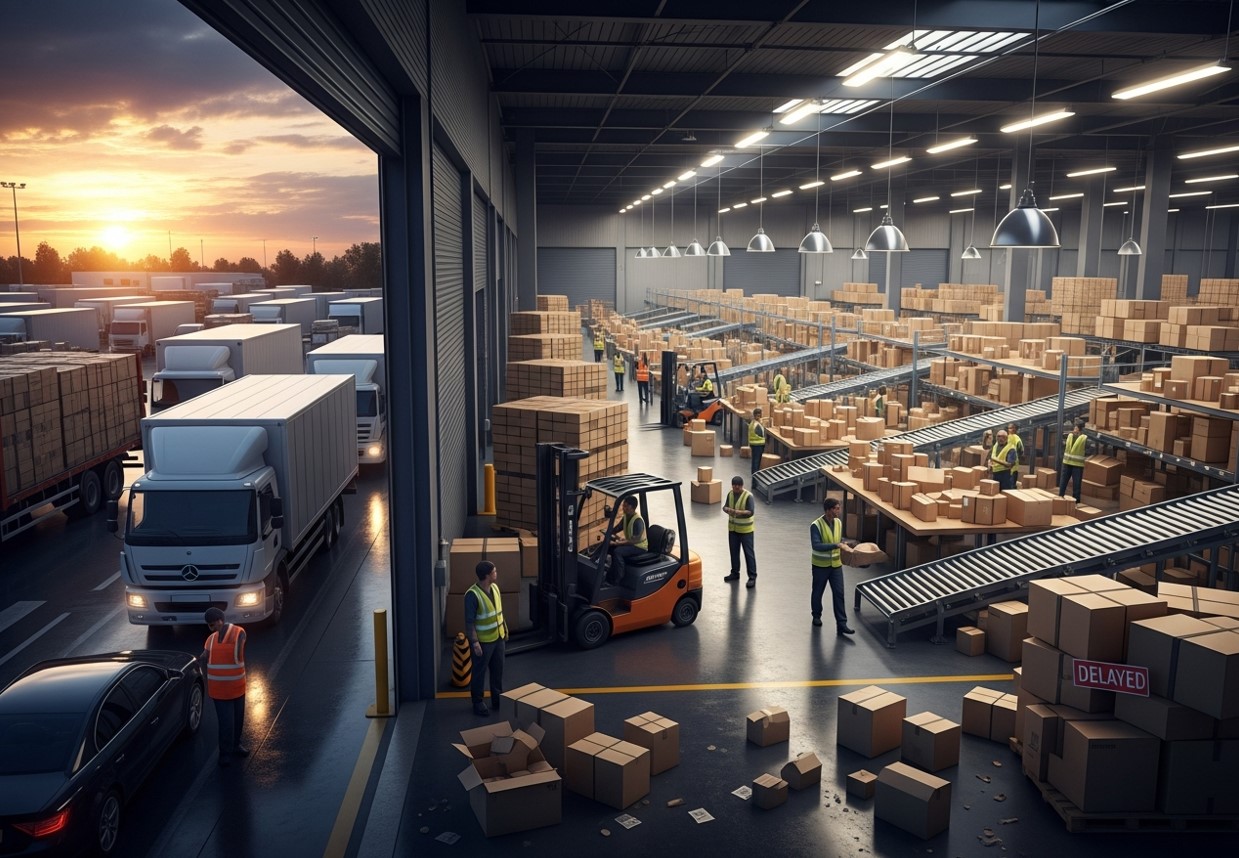
The e-commerce logistics market continues to face ongoing labor challenges, particularly driver shortages and high turnover rates in warehouse and fulfillment operations. Intense delivery timelines, physically demanding work environments, and competitive labor markets make it difficult for companies to attract and retain skilled workers. At the same time, rising wages and benefit costs are increasing operational expenses, placing pressure on logistics providers to improve productivity while maintaining service quality.
Seasonal demand spikes during major sales events and holiday periods further complicate workforce planning. To manage these fluctuations, companies are adopting flexible staffing strategies such as temporary labor, gig-based delivery models, and partnerships with third-party service providers. Many are also accelerating investments in automation and robotics to reduce dependency on manual labor and stabilize long-term costs.
Labor shortages, seasonal demand spikes, and rising operational costs continue to challenge logistics providers. Infrastructure limitations, such as traffic congestion and limited warehouse space, add further pressure. To navigate these issues, companies are adopting flexible workforce strategies and investing in sustainable solutions like electric vehicles and optimized packaging.
Infrastructure Limitations
The rapid expansion of e-commerce has placed significant strain on existing logistics infrastructure across many regions. Increased delivery volumes contribute to traffic congestion in urban areas, while limited availability of modern warehouse space drives up real estate costs and complicates network expansion. Aging roads, ports, and rail systems further increase the risk of delays and operational inefficiencies.
Addressing these challenges requires substantial capital investment and long-term infrastructure planning. Governments and private sector players are increasingly collaborating through public-private partnerships to modernize transportation networks, expand logistics hubs, and support last-mile delivery capacity. These initiatives aim to improve efficiency while supporting continued growth in digital commerce.
Environmental Concerns
Environmental sustainability has become a major challenge and priority for the e-commerce logistics industry. Growing concerns around packaging waste, carbon emissions from transportation, and high energy consumption in warehouses have drawn increased scrutiny from regulators, consumers, and investors alike.
In response, logistics companies are implementing greener initiatives such as electric and low-emission delivery vehicles, route optimization to reduce fuel usage, and redesigned packaging that minimizes waste. Many are also investing in renewable energy for warehouses and exploring carbon offset programs. Despite these efforts, balancing sustainability goals with cost efficiency and fast delivery expectations remains an ongoing challenge for the industry.
Future Opportunities and Innovations
Emerging Technologies
Drone delivery technology continues to advance, with regulatory frameworks gradually enabling commercial applications. While still limited in scope, drone delivery shows promise for serving remote areas and urgent deliveries.
Autonomous vehicles represent another transformative technology, potentially reducing delivery costs while improving safety. Several companies are conducting pilot programs to test autonomous delivery systems in controlled environments.
Emerging technologies like drone delivery and autonomous vehicles offer transformative potential, while personalization and AI in e-commerce enhance the customer experience. Companies that strategically invest in these areas can maximize growth and operational efficiency.
Sustainability Initiatives
The push toward sustainable logistics is creating opportunities for companies that can deliver environmental benefits without compromising service quality. Carbon-neutral delivery options are becoming more common, often supported by customer willingness to pay premium prices.
Circular economy principles are influencing packaging design and returns processing, creating new business models around reusable containers and refurbishment services.
Personalization and Customer Experience
Advanced data analytics enable increasingly personalized logistics experiences, including customized delivery preferences and predictive shipping. These capabilities help differentiate service offerings in a competitive market.
Integration with smart home technologies allows for more sophisticated delivery coordination, potentially reducing failed delivery attempts while improving security.
Maximizing Opportunities in E-Commerce Logistics
The e-commerce logistics market continues to evolve rapidly, presenting both significant opportunities and complex challenges. Success requires understanding regional market dynamics, investing in appropriate technologies, and maintaining focus on customer experience.
Companies entering this market should consider their unique value proposition and target segments carefully. Whether focusing on specialized services, geographic expansion, or technological innovation, a clear strategic vision is essential for navigating this competitive landscape.
For businesses already operating in this space, continuous adaptation and investment in emerging technologies will be crucial for maintaining competitive advantages. The companies that thrive will be those that can balance operational efficiency with customer satisfaction while addressing growing environmental and social responsibilities.
As e-commerce logistics continues to evolve alongside global digital infrastructure, professionals looking to stay ahead should also explore how to become a digital marketing expert and capitalize on the growing intersection between logistics, technology, and online customer engagement.
Frequently Asked Questions (FAQ)
What is e-commerce logistics?
E-commerce logistics refers to the processes involved in storing, managing, transporting, and delivering products sold online. It includes warehousing, order fulfillment, last-mile delivery, returns management, and technology systems that support these operations.
Why is last-mile delivery so important in e-commerce logistics?
Last-mile delivery directly affects customer experience, delivery speed, and cost efficiency. Since it represents the final interaction between the brand and the customer, delays or failures at this stage can significantly impact satisfaction and repeat purchases.
How does technology improve e-commerce logistics efficiency?
Technology enhances efficiency through automation, data analytics, and real-time tracking. These tools help forecast demand, optimize routes, reduce errors, and provide transparency to both businesses and customers, leading to lower costs and better service quality.
What challenges do businesses face in cross-border e-commerce logistics?
Cross-border logistics involves customs clearance, regulatory compliance, currency conversion, and longer delivery timelines. Managing these complexities requires specialized expertise and technology to ensure smooth international shipping experiences.
How are sustainability concerns shaping e-commerce logistics?
Sustainability is influencing packaging design, transportation methods, and warehouse energy usage. Many logistics providers are adopting electric vehicles, recyclable packaging, and carbon-neutral delivery options to reduce environmental impact while meeting consumer expectations.
What role does logistics play in customer retention?
Reliable logistics builds trust and reduces friction throughout the buying process. Fast delivery, accurate tracking, and easy returns contribute to positive customer experiences, increasing the likelihood of repeat purchases and long-term loyalty.