E-commerce Marketing Services: Strategies to Elevate Your Online Business
E-commerce marketing services use proven e-commerce marketing strategies to drive traffic, increase conversions, and grow online sales. By combining SEO, paid ads, social media, email marketing, and data-driven insights, businesses can create a seamless shopping experience and achieve sustainable growth..
What are E-commerce Marketing Services?
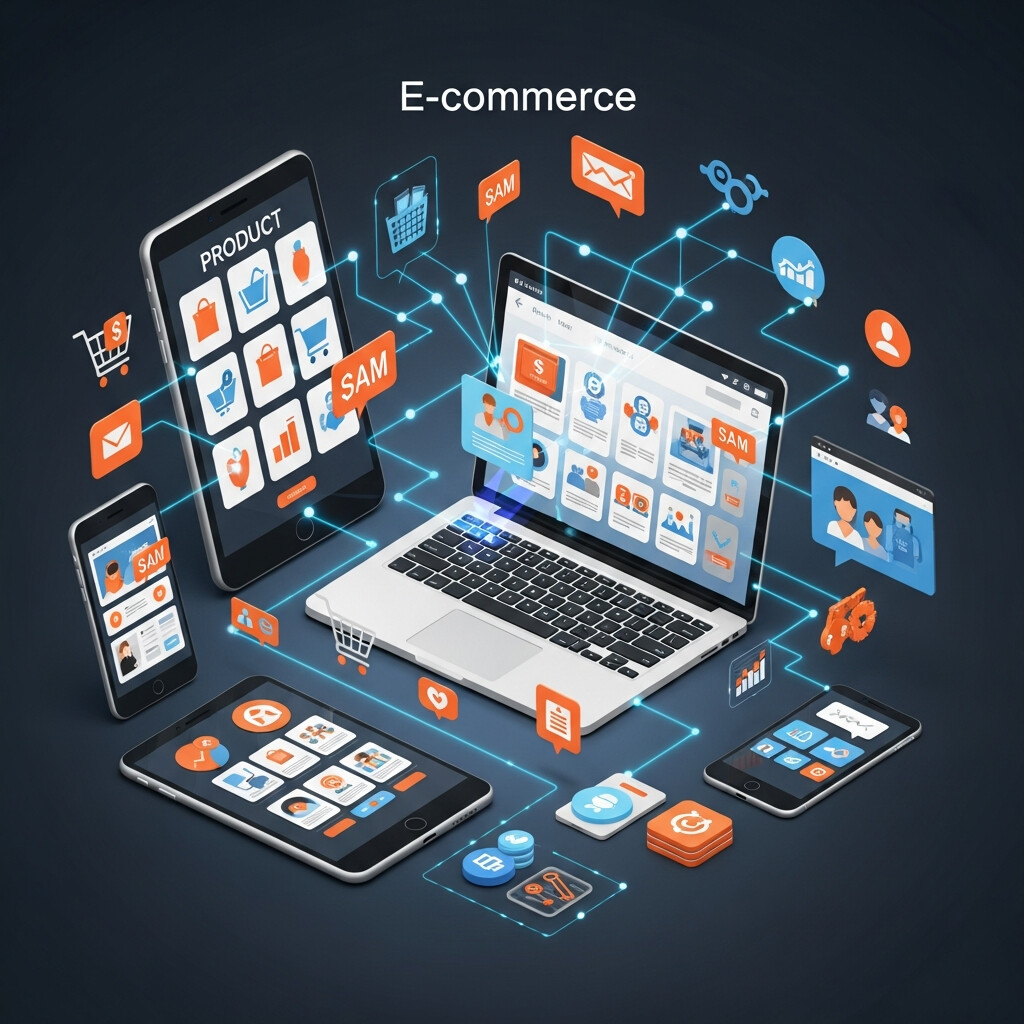 E-commerce marketing services are a comprehensive set of techniques, tools, and platforms designed to promote online stores, increase visibility, drive qualified traffic, and boost sales. These services are built around proven e-commerce marketing strategies that help businesses attract new customers, engage existing ones, and improve long-term customer retention.
Effective e-commerce marketing strategies leverage digital channels such as search engine optimization (SEO), pay-per-click (PPC) advertising, social media marketing, email campaigns, content marketing, and conversion rate optimization. Unlike traditional digital marketing, these strategies are specifically tailored to the e-commerce environment—focusing on product discovery, shopping behavior, user experience, and data-driven optimization to maximize online revenue and scalability
The goal? In order to get more eyes on your pins, better click-through and ultimately more customers.
E-commerce Marketing Services Area of Service
 E-Commerce Marketing is more than Simply Promoting Products It’s all about a frictionless shopping experience. Such services include but not limited to:
- Driving Targeted Traffic:
Successful e-commerce marketing strategies focus on attracting high-quality, purchase-ready traffic through a mix of SEO, paid advertising, and social media marketing. SEO improves organic visibility for product and category pages, while paid ads on search engines and social platforms drive immediate, targeted traffic. Social media marketing further supports brand awareness, engagement, and consistent traffic from platforms where customers actively discover products. - Optimizing Conversions:
Effective e-commerce marketing strategies go beyond traffic generation by optimizing conversions across product pages, landing pages, and calls-to-action (CTAs). This includes improving product descriptions, visuals, page speed, mobile experience, trust signals, and checkout flows. Through continuous testing and performance analysis, these strategies reduce friction, enhance user experience, and turn visitors into loyal customers. - Encompassing Customers in the email marketing, personalized researchers, and retargeting campaigns.
- Nurturing Loyalty with content marketing, social proof, and special offers.
Organic Traffic Through SEO in E-commerce
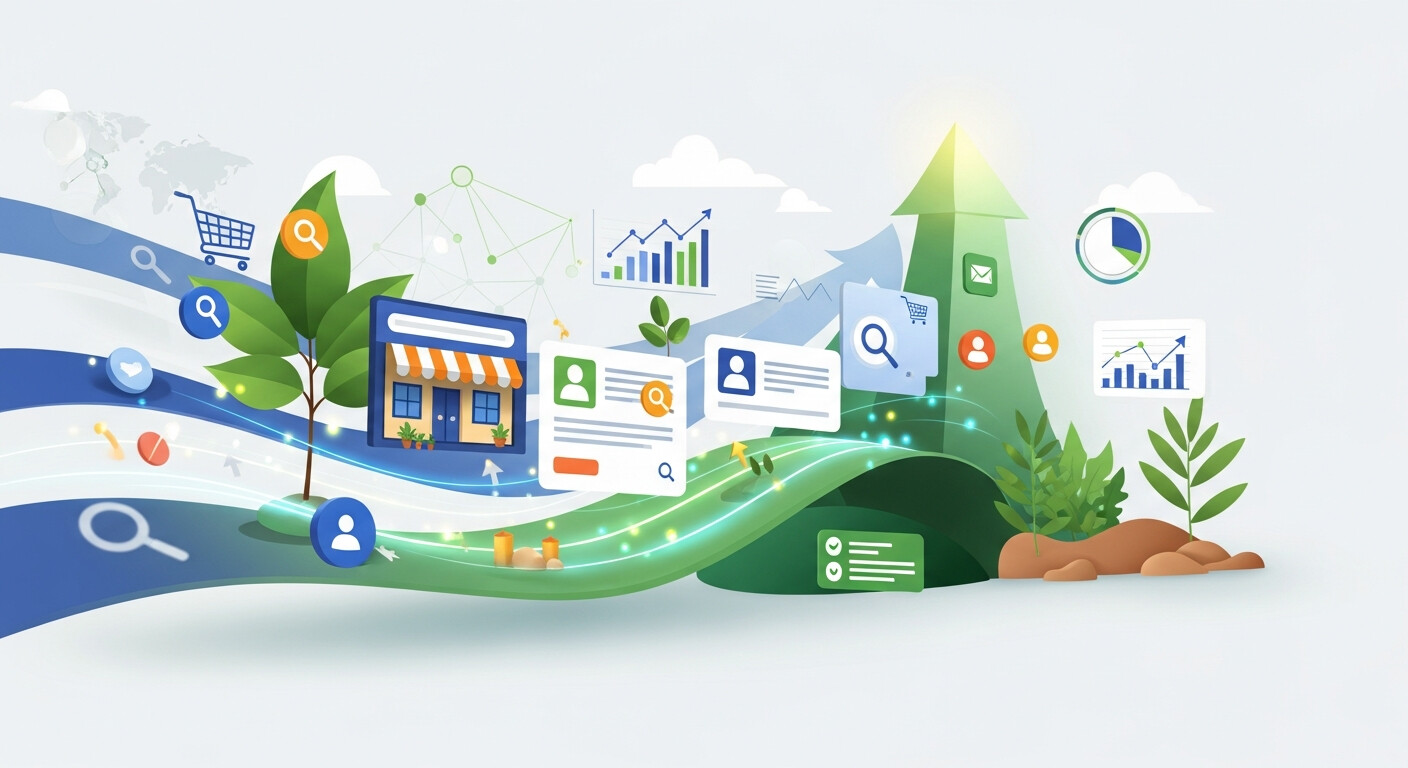
Search Engine Optimization, or SEO, is a staple service offered to e-commerce businesses. It’s the process of improving your e-commerce website to appear higher in search engine results pages (SERPs) and attract more organic traffic.
Crucial SEO hacks for e-commerce
- Keyword Optimization:
A core element of effective e-commerce marketing strategies is thorough keyword research and optimization. This involves identifying high-intent keywords such as “best running shoes for women” or “eco-friendly skincare” and strategically integrating them into product pages, category pages, meta titles, and descriptions. Aligning keywords with customer search intent helps attract qualified traffic that is more likely to convert. - Technical SEO:
Strong e-commerce marketing strategies ensure your website is technically sound. This includes improving site speed, ensuring mobile responsiveness, implementing secure HTTPS protocols, fixing crawl errors, and optimizing site architecture. A technically optimized site enhances user experience and allows search engines to crawl and index your pages more efficiently. - Optimized Product Descriptions:
Creating unique, keyword-rich product descriptions is another essential part of e-commerce marketing strategies. Well-written descriptions highlight product benefits, address customer pain points, and naturally include relevant keywords, helping improve search rankings while encouraging users to make a purchase. - Content & Blog Strategy:
Content marketing supports long-term e-commerce marketing strategies by building authority and trust. Publishing blog posts that answer common customer questions, provide buying guides, or explain product use cases helps attract organic traffic. Strategic internal linking from blog content to product and category pages strengthens SEO performance and guides visitors toward conversion.
Good SEO doesn’t just bring in traffic; it lets your audience know, understand, trust and believe you.
How to do Digital Marketing for E-commerce with Paid Ads
 There are times when organic search alone is not enough to reach your target audience. In such cases, paid advertising becomes a powerful component of effective e-commerce marketing strategies, helping brands increase visibility, drive immediate traffic, and accelerate conversions.
Paid advertising complements organic efforts by ensuring your products appear in front of high-intent shoppers at the right moment. When integrated into broader e-commerce marketing strategies, paid ads allow your brand to dominate both paid placements and organic search results, maximizing exposure and sales opportunities.
Types of Paid Ads for E-commerce:
Google Shopping Ads:
A key element of advanced e-commerce marketing strategies, Google Shopping Ads showcase your products at the top of search results with images, prices, and reviews. These ads target users with strong purchase intent and drive highly qualified traffic directly to product pages.
Search Ads:
Search ads enable e-commerce marketing strategies to reach customers actively searching for specific products or solutions. By bidding on high-intent keywords, these ads place your brand in front of shoppers ready to buy, delivering fast and measurable results.
Social Media Ads:
Social media advertising is an essential part of modern e-commerce marketing strategies. Platforms like Instagram, Facebook, and TikTok allow precise audience targeting based on interests, behaviors, and demographics, making it easier to reach potential customers and build brand awareness at scale.
Retargeting Ads:
Retargeting strengthens e-commerce marketing strategies by re-engaging visitors who have previously interacted with your site but did not convert. These ads remind potential customers of products they viewed, increasing the likelihood of returning visits and completed purchases.
Social Media for E-commerce: How to Interact with Customers

Social media is a powerful driver of brand awareness, customer engagement, and online sales, making it a vital component of successful e-commerce marketing strategies. Visual-first platforms like Instagram, TikTok, and Pinterest are especially effective for showcasing products, telling brand stories, and influencing purchasing decisions, making them a natural fit for e-commerce businesses.
When integrated into broader e-commerce marketing strategies, social media helps brands connect with audiences throughout the customer journey—from discovery to conversion and long-term loyalty.
Social Media Strategy for E-commerce:
Product Photography & Video Content:
High-quality visuals are essential to effective e-commerce marketing strategies. Posting eye-catching product photos, lifestyle images, and short-form videos helps capture attention, communicate value, and increase engagement across social platforms.
Shoppable Content:
Shoppable posts and in-app checkout features on Instagram and Facebook reduce friction in the buying process. As part of streamlined e-commerce marketing strategies, these tools allow customers to discover, browse, and purchase products without leaving the platform.
Influencer Marketing Partnerships:
Collaborating with influencers who align with your brand strengthens e-commerce marketing strategies by expanding reach and building trust. Influencers provide authentic product endorsements that resonate with their audiences and drive higher conversion rates.
Community Engagement:
Engagement is a core pillar of sustainable e-commerce marketing strategies. Responding to comments, messages, and mentions helps build relationships, increase brand loyalty, and create a community that not only purchases your products but also advocates for your brand.
A well-executed social media strategy enhances e-commerce marketing strategies by turning followers into loyal customers and long-term brand ambassadors.
Turning Email Lead Nurturing into SALES with E-commerce Email Marketing

Email marketing delivers one of the highest returns on investment among all digital channels, making it a cornerstone of effective e-commerce marketing strategies. It is personal, cost-effective, and highly scalable—an ideal channel for nurturing leads, increasing repeat purchases, and building long-term customer relationships.
When integrated into comprehensive e-commerce marketing strategies, email marketing allows brands to communicate directly with customers at every stage of the buying journey using personalized, data-driven messaging.
Key Email Campaign Ideas for E-commerce:
Welcome Emails:
Welcome emails are a critical part of strong e-commerce marketing strategies. They introduce new subscribers to your brand, highlight top products or services, and set expectations—often delivering some of the highest open and engagement rates.
Cart Abandonment Emails:
Cart abandonment campaigns are among the most effective e-commerce marketing strategies for recovering lost revenue. Timely reminders, incentives, or limited-time discounts encourage shoppers to return and complete their purchase.
Order Confirmations & Updates:
Transactional emails such as order confirmations and shipping updates enhance customer trust and experience. As part of customer-focused e-commerce marketing strategies, these emails also present opportunities for upselling, cross-selling, and reinforcing brand value.
Special Offers & Personalized Campaigns:
Personalized promotions based on browsing behavior, purchase history, and customer preferences strengthen e-commerce marketing strategies by delivering relevant offers that drive higher engagement and conversions.
Segmenting your email lists allows e-commerce marketing strategies to target specific audience groups with tailored messaging. The more relevant and personalized the email, the greater the likelihood of engagement, repeat purchases, and long-term loyalty.
Content Marketing for E-commerce: How to Build Trust, Engaging and Informing Your Audience
Content marketing goes far beyond blogging—it’s about creating valuable, relevant, and engaging content that attracts your ideal audience and keeps them connected to your brand. As a key pillar of effective e-commerce marketing strategies, content marketing helps build trust, educate shoppers, and encourage them to spend more time exploring your online store.
Strong e-commerce marketing strategies use content to guide customers throughout the buying journey, from discovery and consideration to purchase and brand loyalty.
Types of Content Marketing for E-commerce:
- Blog Posts:
Blog content supports e-commerce marketing strategies by addressing common customer questions and pain points. Articles such as “How to clean leather boots” or buying guides help improve SEO, attract organic traffic, and naturally lead readers to relevant product pages. - Video Content:
Video is a powerful format within modern e-commerce marketing strategies. Product demonstrations, unboxings, tutorials, and customer reviews shared on platforms like YouTube and TikTok boost engagement, increase trust, and improve conversion rates. - Guides & Educational Content:
Detailed how-to guides, comparison articles, and usage instructions strengthen e-commerce marketing strategies by positioning your brand as an authority. These resources help customers make informed decisions while increasing time on site and reducing purchase hesitation. - User-Generated Content (UGC):
User-generated content plays a vital role in authentic e-commerce marketing strategies. Reposting customer photos, reviews, and testimonials showcases real-world product use, builds social proof, and encourages community engagement.When executed effectively, content marketing enhances e-commerce marketing strategies by creating meaningful connections with customers and driving sustainable growth.It also makes your brand an industry authority and delivers value for your audience.
Success Measured: Analytics and Reporting for E-commerce Marketing
Data is the lifeblood of any successful e-commerce marketing strategies. Without accurate analytics and performance tracking, it’s impossible to understand what’s working, what needs improvement, and where to allocate your marketing budget for maximum impact. Data-driven decision-making allows e-commerce businesses to continuously refine campaigns, improve customer experiences, and scale profitably.
Effective e-commerce marketing strategies rely on analytics to measure performance across every stage of the customer journey—from traffic acquisition to conversion and retention.
- Key Metrics to Monitor:
- Website Visitors & Traffic Sources:
Monitoring who visits your site, where they come from (organic search, paid ads, social media, email), and which pages they engage with is essential to optimizing e-commerce marketing strategies. This insight helps identify top-performing channels and content. - Conversion Rate:
Conversion rate measures the percentage of visitors who complete a desired action, such as making a purchase. High-performing e-commerce marketing strategies focus on improving this metric by optimizing product pages, checkout flows, and user experience. - Customer Acquisition Cost (CAC):
CAC tracks how much you spend to acquire a new customer. As part of efficient e-commerce marketing strategies, lowering CAC while maintaining quality traffic is key to long-term profitability. - Return on Investment (ROI):
ROI ensures your e-commerce marketing strategies are generating revenue—not just traffic. Tracking ROI across campaigns helps determine which channels and tactics deliver the best financial results.
Platforms such as Google Analytics, Shopify Reports, and advertising dashboards provide actionable insights that allow e-commerce marketing strategies to be continuously optimized, improving performance, efficiency, and overall growth.
Trends in the Future of E-commerce Marketing Services
E-commerce marketing is constantly evolving, and businesses that fail to adapt risk falling behind. To remain competitive and deliver exceptional customer experiences, brands must continuously refine their e-commerce marketing strategies by staying ahead of emerging trends and technologies.
Below are key trends shaping the future of e-commerce marketing strategies:
- AI-Driven Personalization:
Artificial intelligence is transforming e-commerce marketing strategies by enabling highly personalized shopping experiences. AI analyzes customer behavior, preferences, and purchase history to deliver tailored product recommendations, dynamic pricing, and personalized content—boosting engagement, conversions, and customer loyalty. - Voice Commerce:
Voice search and voice-activated shopping are becoming an integral part of modern e-commerce marketing strategies. Optimizing product content and SEO for voice queries helps ensure your brand is discoverable through voice assistants like Alexa, Google Assistant, and Siri, allowing customers to find and purchase products using natural language commands. - Green & Sustainable Marketing:
Sustainability is playing an increasingly important role in e-commerce marketing strategies. Highlighting eco-friendly products, ethical sourcing, and sustainable operations helps attract environmentally conscious consumers while strengthening brand trust and credibility. - Augmented Reality (AR):
AR enhances e-commerce marketing strategies by allowing customers to virtually try on products or visualize items in real-world settings before purchasing. This technology reduces uncertainty, lowers return rates, and improves overall shopping confidence.
By embracing these emerging trends, e-commerce marketing strategies can help businesses stay competitive, innovate continuously, and deliver richer, more engaging customer experiences.
Unlock Your Potential with The Best E-commerce Marketing Services
E-commerce marketing is no longer optional—it has become a critical necessity for any online retailer looking to compete and grow in today’s crowded digital marketplace. Implementing the right e-commerce marketing strategies allows businesses to stand out at every stage of the customer journey, from discovery and engagement to conversion and long-term retention.
From SEO and paid advertising to social media, email marketing, content creation, and data-driven optimization, comprehensive e-commerce marketing strategies help attract qualified traffic, build brand trust, and turn first-time visitors into loyal customers. When executed together, these strategies create a scalable system that drives consistent growth and profitability.
Ready to turbocharge your online business? By applying proven e-commerce marketing strategies, you can unlock new levels of visibility, sales, and customer loyalty. There’s no better time to act—start implementing these seven strategies today and watch your online store gain momentum, outperform competitors, and achieve sustainable success.
Effective data management is crucial for online success—learn how to organize, analyze, and leverage your store’s data in Mastering E-Commerce Data Management for Business Growth.
Frequently Asked Questions (FAQs)
What are e-commerce marketing strategies?
E-commerce marketing strategies are digital methods used to promote online stores, drive targeted traffic, increase conversions, and retain customers. These include SEO, paid ads, social media, email marketing, and content marketing.
Why are e-commerce marketing strategies important?
They help online businesses stand out in a competitive market, attract qualified shoppers, increase sales, and build long-term customer loyalty.
Which e-commerce marketing strategy works best?
The best results come from combining multiple e-commerce marketing strategies, such as SEO for long-term growth and paid ads for faster visibility.
How long does it take to see results?
Paid ads can show results quickly, while SEO and content-based e-commerce marketing strategies typically take a few months to deliver consistent growth.
How do I measure success?
Key metrics include traffic, conversion rate, customer acquisition cost (CAC), and return on investment (ROI), tracked using tools like Google Analytics and Shopify reports.