What Are E-commerce Marketing Services & Why You Need Them

E-commerce marketing services help online stores attract customers, boost sales, and build loyalty through SEO, ads, social media, email, and personalization.
Building a successful e-commerce store involves more than just having great products and a sleek website. To stand out in a crowded digital marketplace, you need a robust marketing strategy that drives traffic, converts visitors into customers, and fosters long-term loyalty. This is where e-commerce marketing services come into play.
If you’re wondering how to take your online store to the next level, you’ve come to the right place. This guide will explain what e-commerce marketing services are, explore the different types available, and show you why investing in them is crucial for your business’s growth. By the end, you’ll have a clear understanding of how these services can help you attract more customers and increase your revenue.
What Exactly Are E-commerce Marketing Services?
E-commerce marketing services are specialized strategies and solutions designed to promote an online store and its products. The primary goal is to drive qualified traffic to your website and convert those visitors into paying customers. These services are typically offered by digital marketing agencies or freelance experts who have a deep understanding of the online retail landscape.
Think of it this way: you’ve built the perfect physical store, but it’s located on a street with no foot traffic. E-commerce marketing services are the equivalent of putting up billboards, running TV ads, and hosting events to draw people to your location. They encompass a wide range of activities, from search engine optimization (SEO) and content marketing to paid advertising and social media management.
Ultimately, these services are not just about short-term sales. A comprehensive e-commerce marketing strategy also focuses on building a strong brand identity, nurturing customer relationships, and creating a sustainable growth model for your business.

Key E-commerce Marketing Services for Your Online Store
The world of digital marketing is vast, and the right mix of services will depend on your specific goals, budget, and target audience. Let’s explore some of the most effective e-commerce marketing services that can help your business thrive.
Search Engine Optimization (SEO)
SEO is the foundation of long-term organic growth. It involves optimizing your website to rank higher in search engine results pages (SERPs) for relevant keywords. When potential customers search for products you sell, you want your store to appear on the first page.
An e-commerce SEO service typically includes:
- Keyword Research: Identifying the terms and phrases your target audience uses to find products like yours.
- On-Page SEO: Optimizing product pages, category pages, and blog content with relevant keywords, compelling meta descriptions, and high-quality images.
- Technical SEO: Ensuring your website is fast, mobile-friendly, and easy for search engine crawlers to index. This includes fixing broken links and creating a logical site structure.
- Link Building: Acquiring high-quality backlinks from other reputable websites to build your site’s authority and credibility.
Pay-Per-Click (PPC) Advertising
While SEO is a long-term game, pay-per-click (PPC) advertising delivers immediate results. With PPC, you pay a fee each time someone clicks on your ad, which can appear at the top of search results or on social media platforms. For a complete guide, check online marketing in e-commerce.
Popular PPC platforms for e-commerce include:
- Google Ads: Google Shopping ads are particularly effective, as they display your product image, price, and store name directly in the search results.
- Meta Ads (Facebook & Instagram): These platforms allow for highly targeted advertising based on user demographics, interests, and behaviors, making them perfect for reaching niche audiences.
- Amazon Advertising: If you sell on Amazon, running sponsored product ads can significantly boost your visibility on the platform.
Content Marketing
Content marketing focuses on creating and distributing valuable, relevant, and consistent content to attract and retain a clearly defined audience. For e-commerce businesses, this is an opportunity to educate, entertain, and build trust with potential customers. You can also see programmatic advertising in data-driven marketing to align content with precise audience segments.
Effective e-commerce content marketing services might involve:
- Blogging: Writing articles about topics related to your products, such as “How to Choose the Right Running Shoes” or “10 Ways to Style a White T-Shirt.”
- Video Marketing: Creating product demos, tutorials, and behind-the-scenes videos to showcase your brand’s personality.
- Buying Guides and How-To’s: Developing in-depth resources that help customers make informed purchasing decisions.
Social Media Marketing
Social media is more than just a place to post product photos. It’s a powerful tool for building a community, engaging with customers, and driving sales. Many platforms now offer features like Instagram Shopping and Facebook Shops, allowing users to browse and buy products without ever leaving the app.
Social media marketing services for e-commerce can include:
- Strategy Development: Identifying the best platforms for your brand and creating a content plan that aligns with your business goals.
- Community Management: Responding to comments and messages, running contests, and engaging with followers to build a loyal community.
- Influencer Marketing: Collaborating with influencers in your niche to promote your products to their dedicated audience.
Email Marketing
Email marketing remains one of the most effective channels for e-commerce. It’s excellent for nurturing leads, promoting new products, and encouraging repeat purchases. Explore email marketing strategies for e-commerce to implement successful campaigns..
An email marketing service provider will help you:
- Build Your Email List: Using pop-ups, lead magnets, and other strategies to grow your subscriber base.
- Create Automated Campaigns: Setting up welcome sequences, abandoned cart reminders, and post-purchase follow-ups to engage customers at every stage of their journey.
- Segment Your Audience: Sending targeted emails based on purchase history, browsing behavior, and other data to increase relevance and conversion rates.

Harnessing AI and Automation in E-commerce Marketing
Artificial intelligence (AI) and automation are transforming how e-commerce businesses engage with customers. AI-powered tools analyze customer behavior and suggest products in real-time. Automation handles repetitive tasks like emails and social media posts efficiently. Learn more about marketing automation strategies in e-commerce.
Automation streamlines repetitive marketing tasks, allowing teams to focus on strategy and creativity. Email marketing sequences, retargeting ads, and social media posting schedules can all be automated, ensuring timely, relevant communication with minimal manual effort. By leveraging AI and automation, businesses can deliver highly personalized shopping experiences at scale, increase efficiency, and optimize marketing ROI.
The Importance of Customer Experience (CX) in E-commerce
Customer experience (CX) has become a critical differentiator in online retail. A seamless, intuitive, and enjoyable shopping experience encourages repeat purchases, builds brand loyalty, and drives positive word-of-mouth. E-commerce marketing services help enhance CX by optimizing website navigation, streamlining checkout processes, and providing responsive customer support.
Personalized interactions, such as recommending products based on browsing history or sending targeted post-purchase emails, further enhance CX. Additionally, integrating customer feedback and reviews into marketing efforts helps build trust and credibility. A strong focus on CX not only increases conversions but also strengthens the overall perception of your brand in a competitive marketplace.
The Role of Personalization in E-commerce Marketing
Personalization is no longer optional—it’s expected. Consumers today want experiences that feel tailored specifically to them. E-commerce marketing services help brands achieve this by delivering personalized product recommendations, targeted email campaigns, and custom landing pages based on individual preferences and behavior.
Personalization can significantly boost customer engagement. When shoppers feel understood, they are more likely to spend time exploring your store, return for repeat purchases, and recommend your brand to others. Advanced personalization strategies may also include dynamic pricing, loyalty-based offers, and content recommendations that match a customer’s browsing history.
Data Analytics and Performance Tracking
Data-driven decision-making is at the heart of successful e-commerce marketing. By tracking key metrics, businesses can understand customer behavior, measure campaign effectiveness, and optimize strategies for better results. Analytics platforms allow marketers to monitor website traffic, conversion rates, customer acquisition costs, and more.
Performance tracking also enables A/B testing, helping identify which ads, emails, or landing pages resonate most with your audience. Over time, these insights inform marketing strategies, allowing businesses to allocate resources more effectively and maximize ROI. Incorporating data analytics ensures that every marketing effort is measurable, accountable, and continuously improving.
Why Your Business Needs E-commerce Marketing Services
Investing in professional e-commerce marketing services provides expertise, saves time, keeps you ahead of competitors, and boosts ROI. If you’re considering outsourcing, check why your business needs a marketing agency to scale effectively.
- Access to Expertise: Marketing agencies live and breathe digital marketing. They have the knowledge, experience, and tools to execute effective campaigns that you might not have in-house.
- Save Time and Resources: Running a business is demanding. Outsourcing your marketing allows you to focus on other critical areas, like product development and customer service, while experts handle your promotional efforts.
- Stay Ahead of the Competition: The e-commerce landscape is fiercely competitive. A dedicated marketing team can help you stay on top of the latest trends and strategies, giving you a crucial edge over your rivals.
- Achieve a Higher ROI: While there’s an upfront cost, a well-executed marketing strategy will generate a positive return on investment by driving more traffic, sales, and customer loyalty.

Exploring Advanced E-commerce Marketing Techniques
Beyond the basics, there are advanced strategies that top-performing e-commerce brands use to gain a competitive edge. These include:
-
Retargeting campaigns: Re-engage visitors who left your website without making a purchase. Personalized retargeting ads can bring them back and increase conversions.
-
Affiliate marketing: Partner with influencers and bloggers who can promote your products to new audiences.
-
Mobile optimization: Ensure that your store provides a seamless shopping experience across smartphones and tablets, as mobile commerce continues to grow rapidly.
-
Conversion rate optimization (CRO): Continuously test and refine your website, landing pages, and checkout process to maximize sales.
These advanced techniques are often handled by experienced e-commerce marketing teams, providing businesses with insights and execution strategies that would be difficult to achieve on their own.
Common Mistakes to Avoid in E-commerce Marketing
Even with the best tools and services, mistakes can undermine your marketing efforts. Some common pitfalls include:
-
Neglecting mobile users: A poorly optimized mobile experience can lead to lost sales.
-
Focusing solely on acquisition: Retaining existing customers is often more cost-effective than constantly acquiring new ones.
-
Ignoring analytics: Without tracking performance metrics, you can’t identify what’s working or what needs improvement.
-
Overlooking personalization: Generic messages and campaigns may turn potential customers away.
E-commerce marketing services can help you avoid these mistakes by providing expertise, strategic oversight, and ongoing optimization.
Mobile Optimization and the Rise of M-commerce
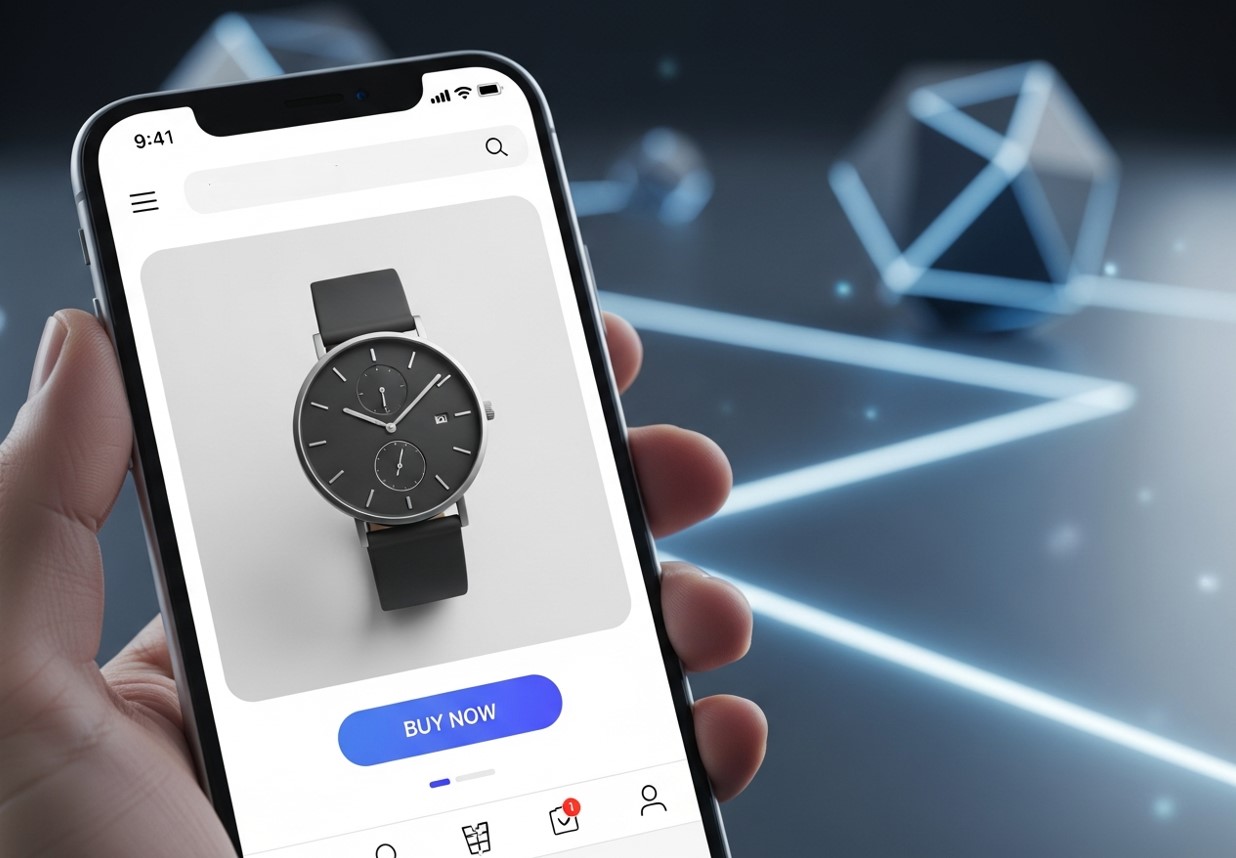
Mobile commerce, or m-commerce, is becoming a dominant force in online shopping. With a growing number of consumers using smartphones and tablets to browse and purchase products, mobile optimization is no longer optional—it’s essential. E-commerce marketing services ensure your website is fully responsive, loads quickly, and provides an intuitive shopping experience on all devices.
Features like mobile-friendly product pages, one-click checkout, and easy-to-use navigation improve the overall user experience and reduce cart abandonment. Additionally, mobile-specific campaigns, such as app push notifications and SMS marketing, allow businesses to engage customers directly on their devices, increasing the likelihood of conversions.
With mobile commerce growing rapidly, a mobile-friendly site is crucial. Features like one-click checkout and push notifications improve user experience and reduce cart abandonment. Learn how e-commerce improves market reach through mobile strategies.
Ready to Grow Your Online Store?
Navigating the complexities of online marketing can be challenging, but you don’t have to do it alone. By leveraging professional e-commerce marketing services, you can build a powerful strategy that attracts the right customers, drives sales, and sets your business up for long-term success. Whether you start with one service like SEO or invest in a comprehensive multichannel campaign, taking proactive steps to market your store is essential for growth in the digital age.
Frequently Asked Questions (FAQ)
What is the difference between e-commerce marketing and digital marketing?
Digital marketing is a broad term that covers all online marketing efforts. E-commerce marketing is a specialized subset of digital marketing that focuses specifically on promoting and selling products for an online store. It uses digital marketing channels but tailors the strategies to the unique needs of online retail.
How much do e-commerce marketing services cost?
The cost can vary widely depending on the scope of services, the size of your business, and the agency you work with. Some agencies offer monthly retainers, while others work on a project basis. It’s best to get quotes from a few different providers to find a solution that fits your budget.
Can I do my own e-commerce marketing?
Absolutely. Many small business owners manage their own marketing, especially in the early stages. However, as your business grows, you may find that outsourcing to an expert allows you to achieve better results and scale more effectively.
How do I choose the right e-commerce marketing agency?
Look for an agency with a proven track record of success with businesses similar to yours. Check their case studies, read client testimonials, and ask for references. It’s also important to find a team that you communicate well with and that understands your brand’s vision.