The E-Commerce Platform Market: Trends, Opportunities, and Choosing the Right Solution

Why the E-Commerce Platform Market Matters
The e-commerce platform market is the backbone of online retail, enabling businesses of all sizes to build and run online stores seamlessly. From managing inventory to processing payments, these platforms provide everything retailers need to succeed in the digital age.
With global e-commerce sales expected to reach $6.3 trillion by 2024, according to Statista, the competition is fierce. The right e-commerce platform can give your business a competitive edge by offering advanced features, robust integrations, and a seamless user experience.
Current Trends Shaping the E-Commerce Platform Market
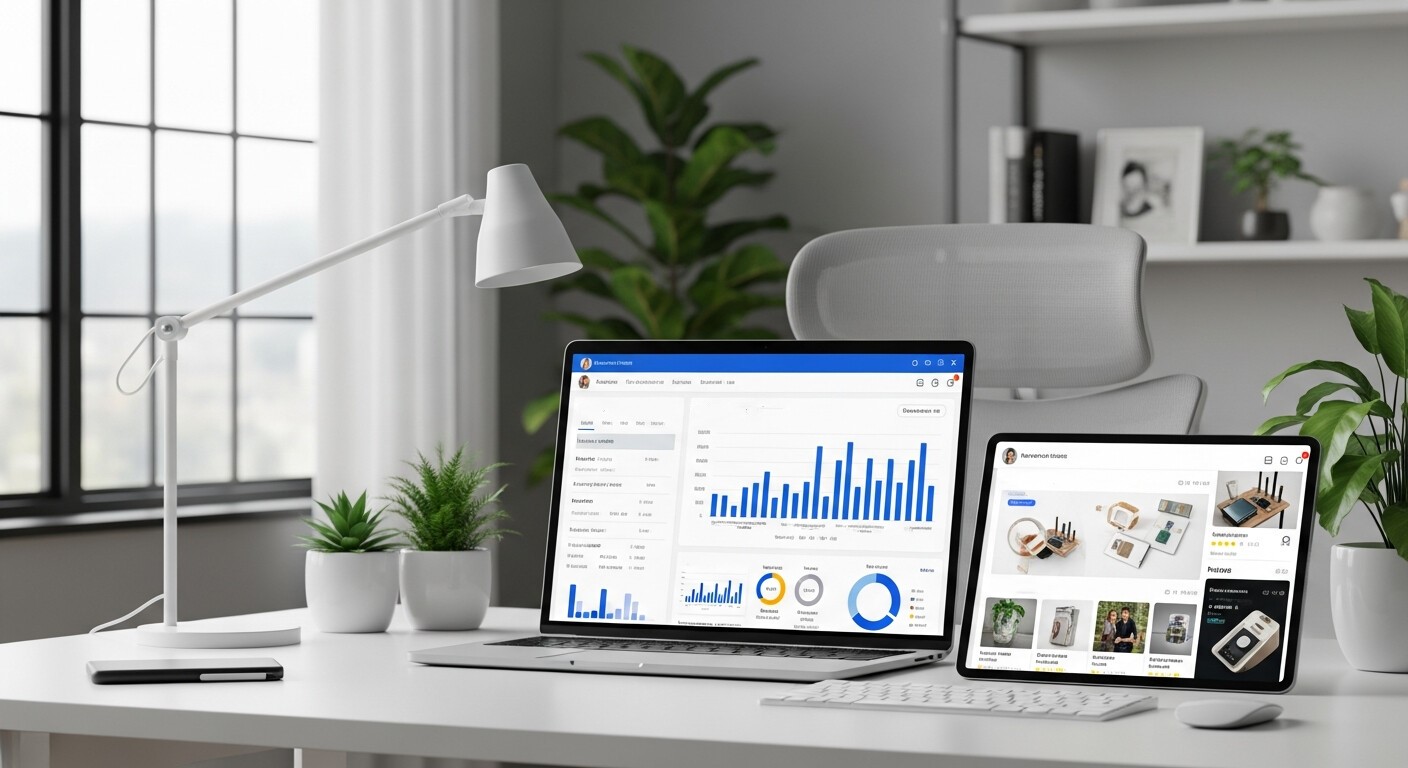
Understanding the trends in the e-commerce platform market can help you anticipate opportunities and stay ahead. Here are some key trends reshaping the industry:
Mobile Commerce is King
Over 72% of e-commerce sales will take place on mobile devices in 2024. This trend has prompted platforms to prioritize mobile responsiveness and shopping app integrations. Businesses must ensure their platform delivers an easy-to-navigate mobile experience to capture this audience.
Omnichannel Experiences Are a Must
Consumers today interact with brands across multiple touchpoints, including websites, social media, marketplaces, physical stores, and mobile apps. As a result, a fragmented shopping experience can hurt engagement and reduce loyalty. Platforms that offer omnichannel capabilities allow businesses to provide a consistent, integrated experience across all channels. This includes synchronized inventory management, unified customer profiles, and cross-channel promotions. By connecting online and offline experiences, brands can better anticipate customer needs, deliver personalized offers, and create a seamless journey from discovery to purchase. Omnichannel strategies not only enhance customer satisfaction but also increase the likelihood of repeat purchases and long-term brand loyalty.
AI and Personalization
Artificial intelligence (AI) is transforming the way businesses engage with customers by providing highly personalized shopping experiences. Platforms with built-in machine learning capabilities can analyze customer behavior, purchase history, browsing patterns, and demographic data to deliver product recommendations, personalized content, and dynamic pricing. Personalization improves the customer journey by presenting relevant products and offers at the right time, increasing conversion rates and average order value. Additionally, AI can automate customer support through chatbots, forecast demand, optimize marketing campaigns, and detect anomalies in purchasing trends, allowing businesses to make data-driven decisions that enhance both operational efficiency and customer satisfaction.
Sustainability and Ethical Practices
Consumers increasingly support brands with sustainable practices. Platforms now allow highlighting eco-friendly products and carbon-neutral shipping options. Aligning your store with sustainability trends not only builds trust but also complements efforts in personal care product e-commerce and other niche categories. Features such as transparent sourcing information, recyclable packaging recommendations, and green shipping labels allow brands to communicate their values directly to customers. Integrating sustainability into your online store not only aligns with growing consumer demand but also enhances brand reputation, strengthens customer trust, and differentiates your business in a competitive marketplace. Ethical practices can drive loyalty and make customers feel part of a responsible, value-driven community.
Headless Commerce
Headless commerce is reshaping the e-commerce landscape by decoupling the front-end presentation layer from the back-end commerce engine. This architecture allows businesses to create fully customized and unique shopping experiences while relying on a robust back-end for inventory, payment processing, and order management. Brands can deliver content seamlessly across multiple devices, including web, mobile, voice assistants, and IoT platforms. The flexibility of headless commerce enables faster innovation, easier A/B testing, and the integration of advanced technologies such as AR/VR or AI-driven personalization. For businesses looking to differentiate themselves with highly tailored customer experiences, headless commerce offers the agility and scalability necessary to stay ahead in an ever-evolving digital marketplace.
Opportunities for Businesses in the E-Commerce Platform Market
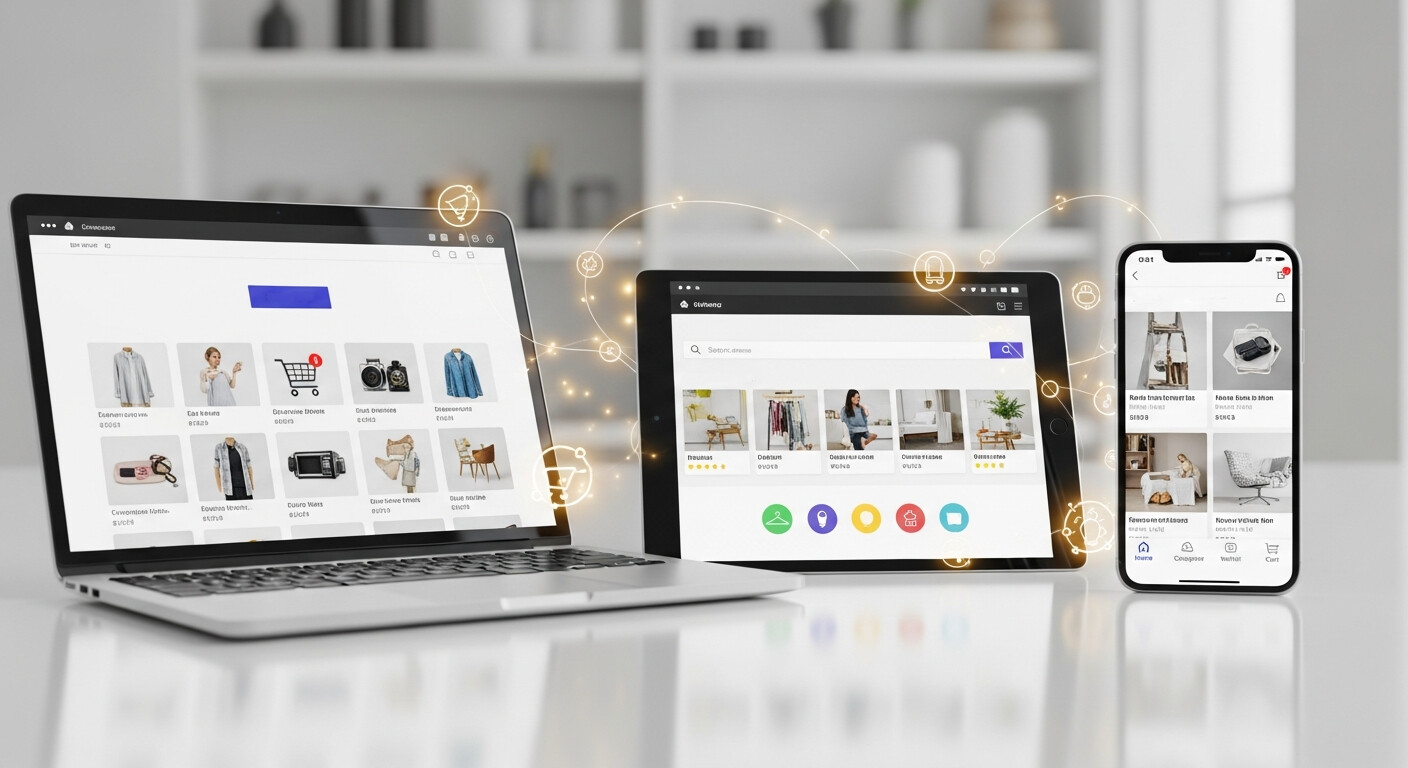
The evolving e-commerce landscape opens the door to several opportunities for businesses willing to adapt and innovate:
Expanding into New Markets
E-commerce platforms with multi-currency and multi-language support allow businesses to reach global audiences efficiently. Businesses can further unlock potential by applying localized e-commerce marketing strategies to tailor campaigns for each region. Beyond just translating a website, this capability ensures a seamless shopping experience for international customers, which significantly improves conversion rates. Emerging markets, particularly in Asia, Latin America, and Africa, represent untapped potential with rapidly growing online populations. By leveraging the global capabilities of modern e-commerce platforms, businesses can expand their reach, diversify revenue streams, and reduce reliance on domestic sales alone, positioning themselves for long-term growth in a worldwide market.
Subscription-Based Models
Subscription-based models have become increasingly popular as businesses seek predictable and recurring revenue streams. E-commerce platforms now offer native tools to manage subscriptions for products and services, such as meal kits, beauty boxes, fitness programs, or software solutions. These platforms handle recurring billing, automatic renewals, and customer management, reducing administrative overhead and improving customer retention. Subscription models also enable businesses to build deeper relationships with their customers by offering curated experiences, exclusive content, or loyalty rewards. By adopting a subscription-based approach, companies can smooth revenue fluctuations, forecast demand more accurately, and create a sustainable business model that drives long-term engagement and loyalty.
Seamless Automation
Modern e-commerce platforms are increasingly integrating automation tools to streamline everyday operations, saving time and reducing errors. Automated inventory management ensures stock levels are updated in real time, preventing overselling or stockouts. Customer service processes can also be enhanced through automation, including chatbots, automatic ticket routing, and follow-up emails. Additionally, platforms like Shopify allow businesses to set up automated email campaigns, triggered by customer behaviors such as abandoned carts, post-purchase follow-ups, or personalized product recommendations. By automating repetitive tasks, businesses can focus on strategic initiatives, improve operational efficiency, and provide faster, more consistent service to their customers.
Enhanced User Data Insights
Data-driven decision-making is at the heart of modern e-commerce success. Advanced analytics tools provided by e-commerce platforms allow businesses to gain a deep understanding of customer behavior, preferences, and purchase patterns. Insights from metrics such as product views, cart abandonment rates, conversion funnels, and repeat purchase behavior help businesses tailor marketing campaigns, optimize inventory management, and improve the customer experience. Platforms with integrated AI and reporting dashboards can even predict trends, suggest personalized offers, and identify opportunities for upselling or cross-selling. By leveraging these insights, businesses can make informed, proactive decisions that enhance customer satisfaction, increase revenue, and drive long-term growth.
How to Choose the Right E-Commerce Platform
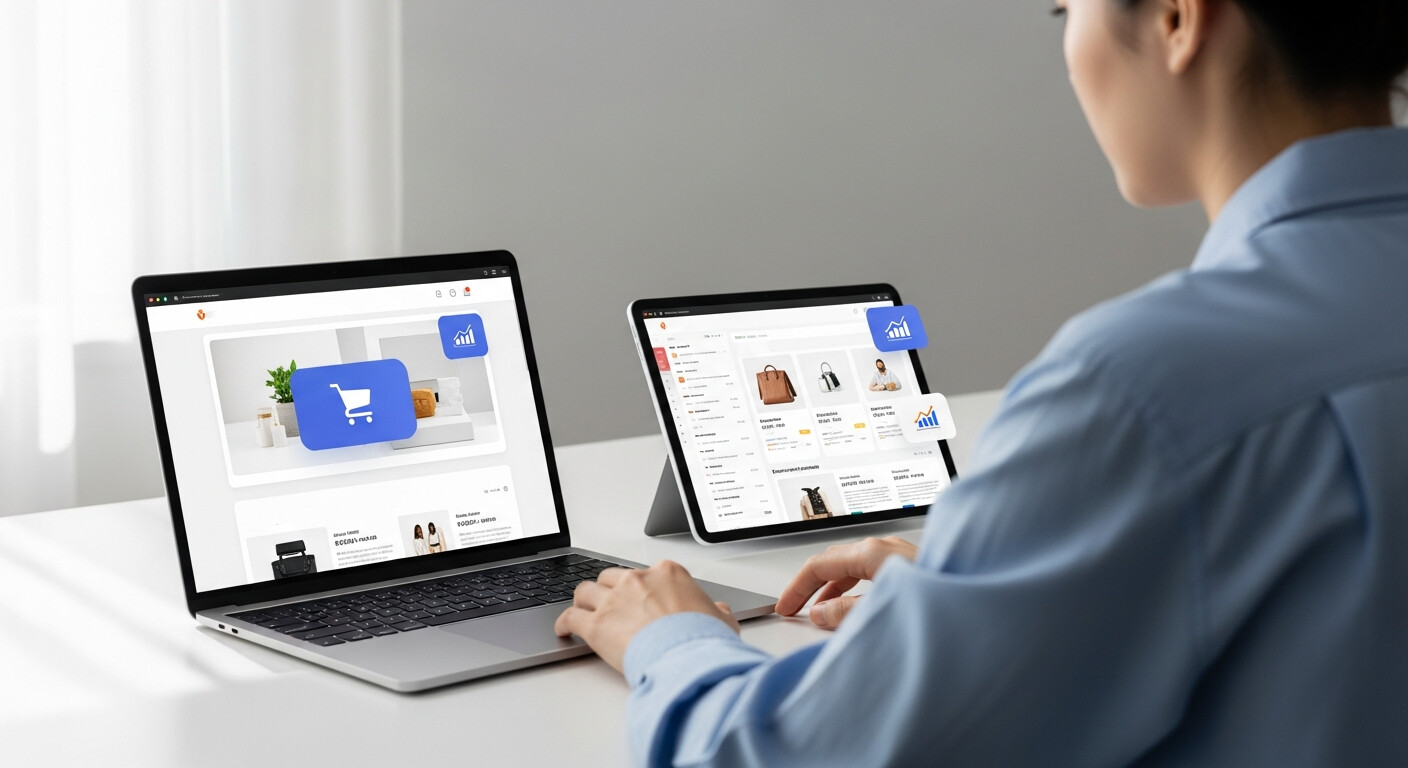
Selecting the right platform involves assessing business needs, scalability, ease of use, customization, integrations, and cost. Businesses can also explore resources like e-commerce growth strategies and complete e-commerce marketing guides to ensure their platform choice aligns with marketing and operational goals.. Here’s a step-by-step guide to help you make the best choice for your business:
Identify Your Business Needs
- Are you running a small store or an enterprise?
- Do you need support for international shipping?
- What features are essential for your niche (e.g., digital product downloads, heavy customization)?
Understanding your specific business needs will help you narrow down your options.
Evaluate Scalability
When selecting an e-commerce platform, scalability should be a top consideration. A scalable platform can grow alongside your business, handling increased traffic, larger product catalogs, and higher transaction volumes without slowing down or causing downtime. Platforms like BigCommerce and WooCommerce are popular choices for businesses anticipating rapid expansion because they offer flexible options to upgrade features, add new stores, and integrate advanced functionalities as needed. Choosing a platform that can scale ensures you won’t need to migrate to a new system as your business grows, saving time, cost, and potential disruption to your customers’ experience. Scalability also encompasses the platform’s ability to support new sales models, international markets, and emerging technologies like AI-driven recommendations or headless commerce.
Ease of Use
Ease of use is critical, especially for entrepreneurs or small business owners who may not have a dedicated technical team. Platforms like Shopify or Wix excel in this area by providing intuitive interfaces, drag-and-drop editors, and step-by-step guides that make store setup and management straightforward. Beyond the initial setup, these platforms simplify everyday tasks such as inventory management, order tracking, and marketing campaigns, helping you focus on growth rather than technical troubleshooting. A user-friendly platform also reduces the learning curve for employees, accelerates launch times, and allows you to experiment with features like promotions or product bundles without relying heavily on developers.
Customization and Flexibility
For businesses that require a tailored shopping experience, customization and flexibility are essential. Platforms like Magento or headless commerce solutions allow you to fully control the front-end design and back-end functionality, offering the freedom to create unique workflows, specialized checkout processes, and highly branded storefronts. Flexibility also means integrating custom applications, implementing advanced product filters, or building complex pricing rules that match your business needs. While these platforms may require more technical expertise, the payoff is a highly personalized experience for your customers that can differentiate your brand in a crowded market.
Check for Integrations
Modern e-commerce success relies on a connected ecosystem of tools and services. A platform that supports integrations with third-party applications—such as payment gateways, shipping solutions, accounting software, email marketing tools, and analytics platforms—ensures that your business runs smoothly and efficiently. Seamless integrations allow you to automate repetitive tasks, centralize customer data, and gain actionable insights that drive smarter decisions. For example, connecting your platform with an advanced CRM or marketing automation tool can help you personalize campaigns, track customer journeys, and improve retention rates without duplicating effort or data entry.
Consider Cost
Cost is a key factor, but it goes beyond the basic monthly subscription fee. When evaluating e-commerce platforms, consider additional expenses such as transaction fees, payment processing costs, premium themes or plugins, and potential developer charges for custom features. Some platforms may appear affordable initially but can become expensive as you scale, especially when you add advanced functionalities or increase sales volume. Balancing cost with features, scalability, and long-term growth potential ensures that your investment delivers maximum value without limiting your ability to expand or innovate in the future.
Strategies for Succeeding in the E-Commerce Market

To thrive in the competitive e-commerce platform market, businesses need a clear strategy. Here are a few actionable steps:
- Leverage SEO: Optimize your product descriptions, titles, and meta tags to enhance visibility on search engines.
- Invest in High-Quality Imagery: Visual appeal is essential for online shoppers. Use high-resolution images and videos to build trust.
- Utilize Social Commerce: Integrate your store with social media platforms like Instagram and Pinterest to drive traffic and sales.
- Offer Exceptional Customer Support: Stand out with features like live chat, personalized email support, and robust FAQs.
- Focus on Retention: Use tools like loyalty programs, email marketing, and personalized offers to build long-term relationships with customers.
Thriving in the E-Commerce Space
The e-commerce platform market is dynamic and filled with both challenges and opportunities. By understanding the latest trends, carefully selecting the right platform, and implementing smart strategies, your business can thrive in this competitive landscape.
Take the first step today by researching your platform options, identifying your key needs, and using this guide as your roadmap to success. The digital marketplace awaits!
Building a strong online store is just the beginning. See how online reputation management (ORM) can help turn platform-driven traffic into loyal customers.
Frequently Asked Questions (FAQ)
What is an e-commerce platform, and why is it important?
An e-commerce platform is a software solution that allows businesses to create, manage, and operate online stores. It handles essential functions such as product listings, payments, inventory, and customer management. Choosing the right platform is important because it directly impacts user experience, scalability, security, and overall business performance.
How do I know which e-commerce platform is right for my business?
The best platform depends on your business size, budget, technical expertise, and growth goals. Small businesses often benefit from user-friendly platforms with built-in tools, while larger businesses may require highly customizable or headless solutions. Evaluating scalability, integrations, and long-term costs helps narrow down the right choice.
Are hosted platforms better than self-hosted platforms?
Hosted platforms are generally easier to manage, as they handle hosting, security, and updates for you. Self-hosted platforms offer greater control and customization but require technical expertise and ongoing maintenance. The better option depends on your resources and customization needs.
How important is mobile optimization when choosing a platform?
Mobile optimization is critical, as most online purchases now occur on mobile devices. Platforms that offer responsive design, fast mobile performance, and mobile-friendly checkout experiences help maximize conversions and reduce bounce rates.
Can I switch e-commerce platforms later if my business grows?
Yes, but platform migration can be complex and costly. That’s why it’s important to choose a platform that supports your long-term growth from the beginning. A scalable platform reduces the need for frequent migrations and minimizes disruptions to your business.
Do e-commerce platforms support SEO and digital marketing?
Most modern e-commerce platforms include built-in SEO features such as customizable URLs, meta tags, and site maps. Many also integrate with marketing tools for email campaigns, paid advertising, and analytics, making them essential for driving traffic and conversions.