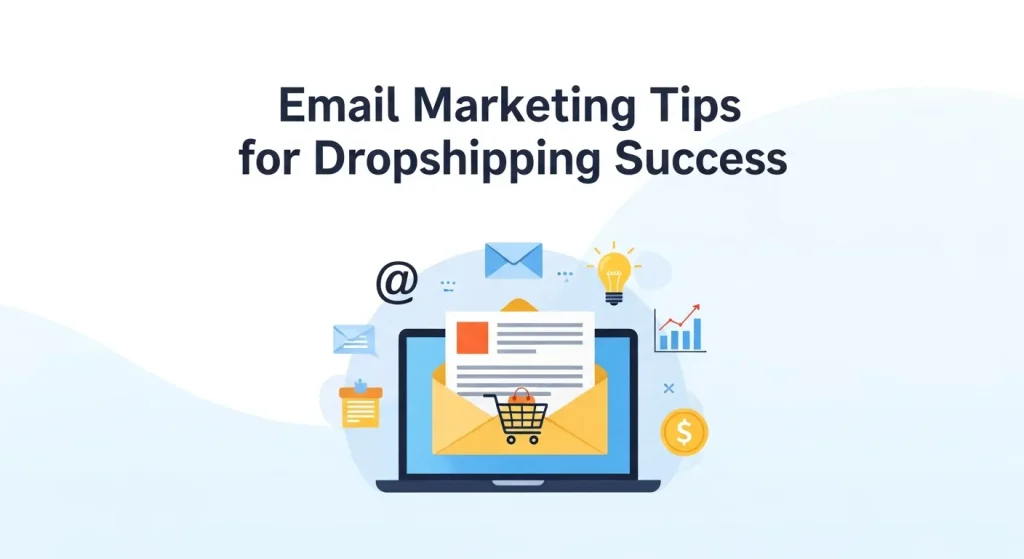
Email Marketing Tips for Drop shipping Success
Drop shipping is one of the most enticing business models for entrepreneurs looking to start an online store, with minimal upfront investment. But with a sea of competitors out there, how do you keep your customers engaged and returning for more? The answer lies in effective email marketing.
Whether you’re new to the game or looking for ways to maximize your results, this blog breaks down everything you need to know about email marketing for drop shipping businesses. By following these strategies, you’ll not only grow your customer base but also build loyalty, increase conversions, and improve your overall ROI.
Why Email Marketing Matters in Drop Shipping
It’s no secret that in the world of e-commerce, email marketing is one of the most powerful tools in your arsenal. For drop shipping businesses, email marketing offers an affordable, high-impact way to connect with customers.
Here’s why email marketing is essential in drop shipping:
- Direct connection to your customers’ inboxes ensures you reach your audience where they’re most likely to see your message.
- High ROI compared to other forms of marketing, with an average return of $36 for every $1 spent (source: Litmus).
- Personalization opportunities allow you to create tailored messaging that resonates with your audience and builds trust.
By leveraging email marketing correctly, you can turn one-time buyers into lifetime customers, upsell strategically, and win back inactive customers effectively.
Getting Started With Email Marketing
Before jumping into strategies, it’s important to set up the foundation of your email marketing efforts.
1. Choose the Right Email Marketing Platform
Not all email marketing software is created equal. For drop shipping, you’ll want a platform that integrates seamlessly with your store (Shopify, WooCommerce, etc.), offers automation features, and provides tools for segmentation and personalization.
Popular choices include:
- Klaviyo
- Mailchimp
- Omnisend
- ConvertKit
2. Build a High-Quality Email List
Your email list serves as the backbone of your campaigns. To attract subscribers, implement enticing lead magnets such as:
- Exclusive discounts (e.g., “Sign up to get 20% off your first purchase”).
- Free guides or resources relevant to your niche.
- Points-based rewards programs (e.g., earn points for signing up and making purchases).
Pro-tip: Add pop-ups or sign-up forms to your website, but keep them non-intrusive and user-friendly. Always get permission from your users to comply with GDPR and CAN-SPAM regulations.
Segmenting Your Audience for Maximum Impact

Segmenting your email list is a crucial step that can dramatically improve engagement and conversions. Not every subscriber behaves the same way, so tailoring your emails to specific segments ensures that your content is relevant and timely.
Why segmentation matters:
- Increases open rates by sending targeted emails.
- Boosts sales by promoting products aligned with a customer’s preferences.
- Reduces unsubscribe rates by delivering only what subscribers care about.
Effective segmentation strategies for drop shipping:
- Purchase history: Group customers based on the types of products they have bought.
- Engagement level: Identify active, dormant, and new subscribers to send customized campaigns.
- Geography and time zone: Schedule emails at optimal times based on location.
- Behavioral triggers: Segment based on cart abandonment, page visits, or past email interactions.
Example – Segment vs. Email Type:
| Segment | Email Type | Goal/Benefit |
|---|---|---|
| New subscribers | Welcome series with discounts | Encourage first purchase |
| Repeat buyers | Product recommendations / upsell emails | Increase order value |
| Dormant customers | Re-engagement campaigns with incentives | Win back inactive subscribers |
| High spenders / VIPs | Exclusive previews & loyalty perks | Strengthen customer loyalty |
| Regional audience | Geo-targeted promotions or shipping updates | Improve relevance & reduce abandoned carts |
Segmenting allows you to focus your efforts where they matter most, ensuring higher engagement, better conversions, and improved ROI for your drop shipping business.
3. Craft a Welcome Email Sequence
The first email your audience receives sets the tone for their relationship with your brand.
What your welcome email sequence should include:
- A friendly introduction to your brand and values.
- A welcome discount or exclusive offer to encourage their first purchase.
- Social proof, such as positive reviews or best-sellers.
- Clear information on next steps, such as redeeming an offer or browsing your store.
Example:
“Hi [Name],
Welcome to [Your Brand]! We’re thrilled to have you here. To thank you, enjoy 15% off your first order by using this code at checkout: WELCOME15. Browse our collection now!”
Top Email Marketing Strategies for Drop Shipping
1. Personalization is Key
Your customers don’t want to feel like just another email address on a list. Personalized emails can make a significant impact.
What you can personalize:
- Address recipients by their names.
- Tailor recommendations based on browsing or purchase behavior.
- Send birthday or anniversary emails with special offers.
Personalized example:
“Hi Sarah,
We thought you’d love these pieces based on your recent purchase. Grab them before they’re gone!”
2. Leverage Automation
Automation allows you to send relevant, timely emails without having to do the heavy lifting yourself.
Automated email ideas for drop shipping:
- Abandoned cart emails to recover lost sales.
- Post-purchase emails to upsell or cross-sell related items.
- Order confirmation emails for building trust and transparency.
- Re-engagement emails to win back inactive customers.
3. Highlight User-Generated Content (UGC)
Showcasing content like customer reviews, testimonials, and photos increases trust and social proof.
How to use UGC in your emails:
- Display star ratings and reviews in product promotion emails.
- Share photos of customers using your products.
- Incorporate customer testimonials into thank-you emails.
Example:
“Don’t just take our word for it! Here’s what our customers are loving about [Product Name].”
4. Craft Engaging Subject Lines
Your subject line determines whether your email gets opened or sent straight to the trash.
Tips for writing attention-grabbing subject lines:
- Keep it short and to the point (50 characters or less).
- Create curiosity or urgency (e.g., “Hurry, sale ends tonight!”).
- Use emojis sparingly to add personality.
Subject line examples:
- “You’ve left something in your cart…”
- “Sarah, your exclusive offer is waiting!”
- “New arrivals you’ll love!”
5. Add Value with Content
Your emails shouldn’t solely consist of sales pitches. Engage your audience with content that aligns with their interests.
Content ideas for drop shipping subscribers:
- Tips on how to use your products.
- Blog articles or tutorials relevant to your niche.
- Sneak peeks or behind-the-scenes content from your brand.
Example:
“10 ways to style your new hoodie” or “How we source the best eco-friendly materials.”
Integrating Email Marketing with Social Media Campaigns
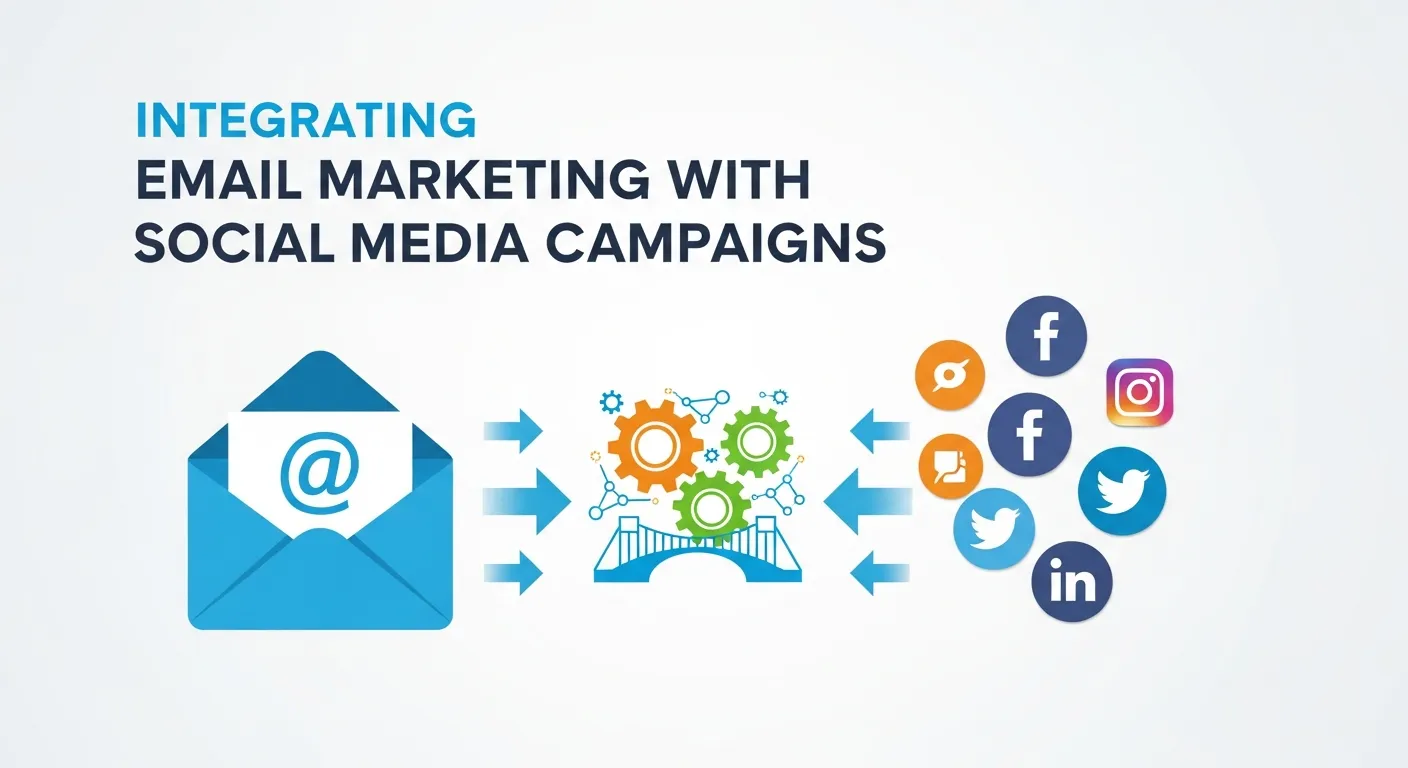
Email marketing doesn’t exist in a vacuum. Integrating it with your social media strategy amplifies results and creates a unified brand experience.
Benefits of email + social media integration:
- Reinforces brand messaging across channels.
- Expands your reach beyond subscribers.
- Encourages user-generated content and social sharing.
Practical integration tactics:
- Promote social channels in emails: Include social icons and encourage followers to join your online community.
- Use email campaigns to drive social campaigns: For example, invite subscribers to a contest on Instagram or Facebook.
- Leverage social proof in emails: Highlight trending social posts, influencer partnerships, or customer testimonials.
- Retargeting campaigns: Use email lists to create lookalike audiences on platforms like Facebook or TikTok for better ad targeting.
Example – Cross-Channel Actions:
| Email Trigger | Social Media Action | Expected Outcome |
|---|---|---|
| Product launch | Teaser video on Instagram/TikTok | Drive hype & anticipation |
| New blog/article | Share link + short snippet on Facebook | Increase website traffic & engagement |
| Special discount offer | Limited-time Instagram story | Boost conversions & urgency |
| Customer testimonial feature | Repost on social with hashtag | Strengthen trust and encourage sharing |
By connecting email campaigns with social media efforts, you create multiple touchpoints with your audience, reinforcing your messaging and increasing the likelihood of conversions.
Measuring Email Marketing Success
You can’t improve what you don’t measure! To ensure your email marketing campaigns are effective, track metrics like:
- Open rate (Are your subject lines engaging?)
- Click-through rate (CTR) (Is your content driving action?)
- Conversion rate (Are your emails resulting in purchases?)
- Unsubscribe rate (Are you overwhelming your audience?)
Use these insights to optimize your future campaigns. Tweak your subject lines, experiment with different offers, and test various call-to-action (CTA) buttons.
Using Data Analytics to Optimize Email Campaigns
Data is one of your most powerful tools for email marketing success. Leveraging analytics allows you to refine campaigns, predict trends, and make decisions backed by evidence rather than intuition.
Key metrics to monitor beyond basics:
- Revenue per email (RPE): Measures the actual dollar impact of a campaign.
- Bounce rate: Helps identify email deliverability issues.
- Engagement over time: Track how subscribers interact with campaigns throughout the week or month.
- A/B testing results: Compare subject lines, CTAs, email designs, or sending times.
How to act on data insights:
- High bounce rates: Clean your email list and verify addresses.
- Low open rates: Test new subject lines or adjust sending times.
- Low click-through rates: Optimize content layout and CTA buttons.
- Subscriber churn: Experiment with re-engagement campaigns and loyalty rewards.
Example – Metric vs. Actionable Insight:
| Metric | Insight | Recommended Action |
|---|---|---|
| Open rate < 20% | Subject lines not compelling | A/B test subject lines & personalize them |
| CTR < 5% | Content not engaging or CTA unclear | Redesign email & improve CTA placement |
| High unsubscribe rate | Frequency or content misaligned | Adjust sending schedule & content relevance |
| RPE < target | Campaign not driving revenue | Segment audience & optimize product offers |
By monitoring and acting on these analytics, drop shipping businesses can continuously improve email campaigns, reduce wasted spend, and maximize ROI over time.
Building a Thriving Community Through Email Marketing
Email marketing is much more than a tool for generating sales. It’s a way to connect with your customers, share your story, and foster loyalty. By adopting these strategies, your drop shipping business can create meaningful relationships with your audience while boosting revenue.
Remember, the key is to remain consistent. Deliver value, stay authentic, and treat customers as individuals rather than statistics.
Looking for more support with your email campaigns? Sign up for our email platform [insert link] and discover tools designed to make email marketing effortless for drop shipping entrepreneurs like you!
Frequently Asked Questions (FAQs) About Email Marketing for Drop Shipping
1. What is email marketing, and why is it important for drop shipping?
Email marketing is the practice of sending targeted messages to your subscribers’ inboxes to promote products, build relationships, and drive sales. For drop shipping, it’s essential because it allows direct communication with customers, builds trust, and delivers high ROI compared to other marketing channels.
2. How often should I send emails to my drop shipping subscribers?
Frequency depends on your audience and content. A good starting point is 1–3 emails per week, including promotional, educational, or value-driven content. Over-emailing can increase unsubscribe rates, while under-emailing can reduce engagement.
3. Should I use email marketing or SMS marketing for my drop shipping store?
Both are effective, but email marketing provides more room for long-form content, visuals, and personalization, while SMS is best for urgent updates or flash sales. Combining both creates a stronger omnichannel strategy.
4. What types of emails should I send to increase sales?
Key email types for drop shipping:
- Welcome emails
- Abandoned cart emails
- Post-purchase follow-ups
- Product recommendations/upsells
- Re-engagement campaigns
- Special offers or loyalty rewards
5. How do I build a high-quality email list for my store?
Offer incentives like exclusive discounts, free guides, or points-based rewards. Use non-intrusive sign-up forms, pop-ups, or checkout opt-ins. Always ensure compliance with GDPR and CAN-SPAM regulations.
6. Can email marketing help improve customer loyalty?
Yes! By sending personalized recommendations, rewards programs, and exclusive offers, email marketing strengthens relationships, increases repeat purchases, and builds lifetime value.
7. What’s the difference between email marketing strategies and affiliate marketing?
Email marketing focuses on building your own audience and driving sales directly through campaigns. Affiliate marketing relies on third-party promoters to generate traffic and sales, usually on a commission basis. Both can complement each other in a drop shipping business.
8. How do I measure the success of my email marketing campaigns?
Key metrics include:
- Open rate (subject line effectiveness)
- Click-through rate (CTR) (engagement with content)
- Conversion rate (purchases made from emails)
- Unsubscribe rate (list health)
- Revenue per email (RPE)
9. Can social media strategies like Facebook or WhatsApp support my email campaigns?
Absolutely. You can integrate email campaigns with Facebook ads, retargeting, or WhatsApp updates to increase reach, engagement, and conversions. Cross-channel marketing strengthens brand recognition and trust.
10. Are there specific email marketing strategies for personal care or niche products?
Yes! For niche products like personal care, focus on educating your audience, sharing tutorials, highlighting customer testimonials, and offering product bundles. Personalized and relevant content will resonate better than generic promotions.