The Essential Guide to Digital Marketing & E-commerce Success
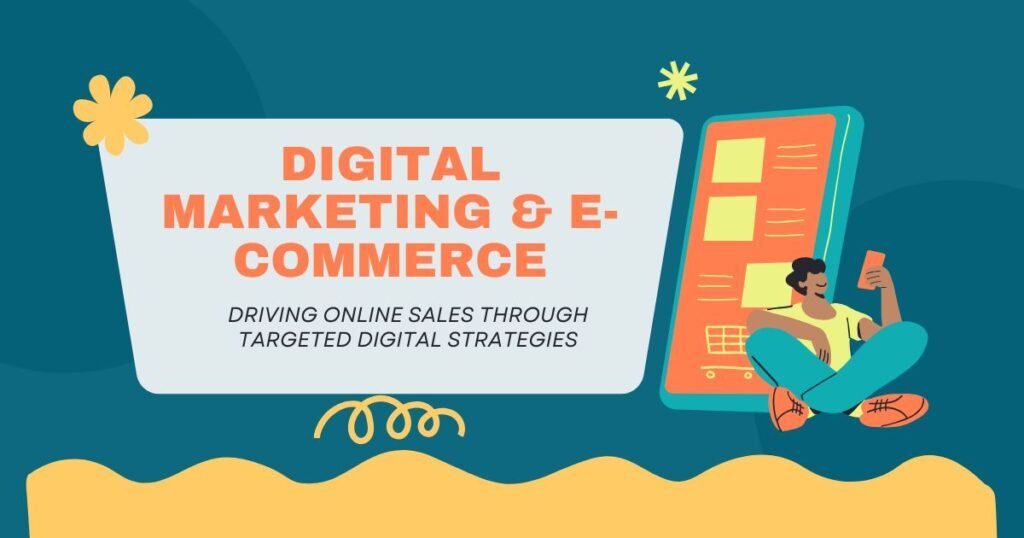
Digital marketing and e-commerce work together to help businesses grow, increase visibility, and drive online sales. This guide covers essential strategies—SEO, social media, email marketing, and paid advertising—to help e-commerce brands build a strong digital foundation and maximize profits
What is Digital Marketing & E-commerce?

In short, Digital Marketing & E-commerce refers to the strategic use of online tools, platforms, and technologies to promote a brand, attract customers, and drive business growth. Digital marketing focuses on building awareness and engagement through channels such as search engine optimization (SEO), social media marketing, email campaigns, content marketing, and paid advertising. These tactics help businesses reach the right audience at the right time across multiple digital touchpoints.
E-commerce, on the other hand, centers on the buying and selling of products or services over the internet through online stores, marketplaces, and digital payment systems. When combined, Digital Marketing & E-commerce create a powerful ecosystem that increases brand visibility, improves customer acquisition, and maximizes conversion opportunities.
This integration allows businesses to not only attract traffic but also guide potential customers through a seamless journey—from discovery and engagement to purchase and retention. By leveraging Digital Marketing & E-commerce together, brands gain a direct pathway to their ideal audience, build lasting customer relationships, and achieve sustainable, long-term growth in an increasingly competitive digital landscape.
SEO Strategies for E-commerce

SEO and the Future of E-Commerce
SEO and e-commerce are inseparable pillars of Digital Marketing & E-commerce success. Every time a user types a query into Google, your e-commerce store has an opportunity to appear in front of a highly motivated audience actively searching for products or solutions. Strong SEO practices help your website gain visibility, attract qualified traffic, and compete effectively in crowded online markets.
While these ideas provide a solid starting point, achieving long-term success in Digital Marketing & E-commerce requires a well-structured, SEO-friendly e-commerce website supported by continuous optimization and data-driven strategies.
Keyword Research
Keyword research is the foundation of effective Digital Marketing & E-commerce SEO. Start by identifying the search terms your target audience uses when looking for products similar to yours. Tools such as Google Keyword Planner, SEMrush, and Ahrefs can help uncover keywords with strong search volume and manageable competition.
For e-commerce businesses, long-tail keywords are especially valuable. Phrases like “best organic skincare products for acne” reflect higher purchase intent and are more likely to convert compared to broad, highly competitive keywords. These specific search queries allow your store to attract users who are closer to making a buying decision, improving both traffic quality and conversion rates.
By aligning keyword research with user intent, product categories, and content strategy, Digital Marketing & E-commerce brands can improve rankings, drive targeted traffic, and create a stronger foundation for sustainable online growth.
On-page Optimization
Decide to improve your product pages:
- Add target keywords naturally in the title, meta description , and heading.
- Write personalized product descriptions instead of using the text given by the manufacturer.
- Use high-res images and include alt text to make them SEO-optimized.
Link Building
Domain Authority and Higher Rankings Can Benefit from Link Building. We need links for our site. Some approaches include:
- Outreaching with industry bloggers for backlink earning.
- Teaming up with influencers who can write about and link out to your products.
- Making content that is shareable (e.g., infographics or guides) to attract backlinks.
When effective, SEO can be an all-customer-acquiring machine that you don’t have to constantly pump money into.
Social Media Marketing

The e-commerce realm is a treasure trove for social media platforms. They are an opportunity to form a community, interact directly with customers, and attract traffic. Here’s how to get the most out of it:
Leverage Popular Platforms
Each platform is for different reasons:
- Instagram’s great for product images and stories.
- Facebook is an engaging platform when it comes to community building and website promotion.
- Pinterest is for discovering and saving products, and it works well for visual, lifestyle brands.
Promote User-Generated Content (UGC)
Encouraging user-generated content (UGC) is a powerful strategy within Digital Marketing & E-commerce to build authenticity and trust. Invite your followers to share photos, videos, or reviews of your products and tag your brand on social media platforms. This type of content acts as social proof, showcasing real customer experiences and creating genuine testimonials that resonate with potential buyers. UGC not only strengthens brand credibility but also provides reusable content that can be leveraged across product pages, email campaigns, and social ads within your Digital Marketing & E-commerce strategy.
Run Social Media Contests
Running social media contests is another effective way to boost engagement and visibility in Digital Marketing & E-commerce. By offering rewards such as discounts, exclusive products, or giveaways, you motivate customers to actively interact with your brand. For example, you can invite users to post photos or short videos showing how they use your products to enter a contest. This approach increases reach, encourages brand mentions, and fosters a sense of community around your business.
When combined with consistent branding and clear calls to action, UGC and contests become high-impact tools in Digital Marketing & E-commerce, helping drive engagement, expand your audience, and convert social interactions into measurable business growth.
E-commerce Email Marketing

Email marketing is one of the best ways to nurture leads and convert one-time buyers into lifelong customers. Here’s how to mount an effective campaign:
Build Your Email List
- Place opt‐in forms on your website, and ideally, entice people to subscribe with a great offer (e.g., a discount).
- Employ pop-ups that offer exclusive deals to help get sign-ups.
- Use social media to drum up email subscriptions, and consider giving away freebies or promising updates in return.
Craft Effective Campaigns
Here are the key email types to focus on:
- Welcome Series: Welcome new subscribers with tailored emails that promote your brand and best sellers.
- Abandoned Cart Reminders: Automatic email notifications about abandoned carts.
- Exclusive Promotions: Provide subscribers with discounts or early access to your products.
Email has the added benefit of letting you establish a direct, ongoing relationship with the people who are most likely to buy from you.
Paid Advertising
In Digital Marketing & E-commerce, paid advertising allows businesses to accelerate growth without waiting for organic strategies to gain traction. When you invest in paid campaigns, you gain immediate visibility in front of highly targeted audiences, making it one of the fastest ways to drive traffic, generate leads, and increase sales. Unlike organic methods, paid advertising delivers precise exposure by allowing you to control who sees your ads based on demographics, interests, behaviors, and purchase intent.
Paid advertising plays a crucial role in Digital Marketing & E-commerce because it enables brands to scale quickly, test new offers, and reach potential customers at different stages of the buying journey. From product launches to seasonal promotions, paid campaigns ensure your message reaches the right people at the right time.
Below are the two primary paid advertising methods used in Digital Marketing & E-commerce, each offering unique advantages for driving measurable results and maximizing return on investment.
Pay-Per-Click (PPC) Ads
PPC campaigns like Google Ads make your products stand out at the top of search results. They can quickly acquire high-intent customers. To succeed:
- Place your bids on niche-targeted keywords that convert and make you sales.
- Keep a close eye regularly on your campaigns to minimize wastage!
Social Media Ads
Social media platforms such as Facebook, Instagram, and TikTok offer advanced targeting capabilities that play a vital role in Digital Marketing & E-commerce success. These platforms allow businesses to create highly targeted advertising campaigns by filtering audiences based on age, location, interests, online behavior, and even past purchase activity. This level of precision ensures that ads are shown to users who are most likely to engage, convert, and become loyal customers.
Within Digital Marketing & E-commerce, paid social advertising enables brands to deliver personalized messages at scale, whether promoting new products, seasonal offers, or brand awareness campaigns. Marketers can test different creatives, audiences, and formats to continuously optimize performance and improve return on ad spend.
Paid advertising also complements organic marketing efforts in Digital Marketing & E-commerce by extending reach and accelerating results. While organic strategies build long-term visibility and trust, paid campaigns help e-commerce businesses quickly get in front of a larger, more relevant audience. When used together, organic and paid strategies create a balanced approach that drives traffic, boosts conversions, and supports sustainable online growth.
Analytics and Tracking
Digital marketing is not only about applying the right strategies; it is about knowing whether they are working and then adjusting them to improve results. The tools give you the data you need to optimize your efforts.
Track Key Metrics
Here are a few metrics you should be following:
- CR (Conv. Rate): The ratio of your conversion (visitor to your website making a purchase).
- Click-through Rate (CTR): The percentage of users who click on your ads or links.
- Customer Acquisition Cost (CAC): The cost of each new customer acquired.
- Return on Ad Spend (ROAS): Measure the profitability of paid campaigns.
Leverage Tools
Leverage platforms like Google Analytics, HubSpot, or your store’s own native tools to track web traffic, consumer behavior and sales trends. Businesses depend on data-driven decisions.
Develop Your Digital Marketing & E-commerce Strategy Today
The challenge of learning and mastering Digital Marketing & E-commerce may seem overwhelming at first, but the long-term benefits for e-commerce businesses are substantial. From building an SEO-optimized website to creating meaningful, personalized interactions with customers through social media, email, and paid campaigns, every strategic step contributes to consistent and measurable growth.
Success in Digital Marketing & E-commerce requires a mindset of experimentation and continuous improvement. Don’t be afraid to test new strategies, analyze performance data, and refine your approach based on real results. Tracking metrics such as traffic, engagement, conversion rates, and customer retention allows you to optimize your efforts and stay competitive in an increasingly crowded online marketplace.
By applying the techniques discussed—ranging from SEO and paid advertising to social media engagement and content optimization—you’ll be well equipped to cut through the noise of modern e-commerce and build a brand that stands out. Digital Marketing & E-commerce is not about quick wins, but about creating sustainable systems that attract, convert, and retain customers over time.
If you’re looking to further enhance how customers interact with your products, this article on creating engaging product tutorials explores content formats and proven techniques that improve clarity, strengthen trust, and increase conversions—making it a valuable addition to your Digital Marketing & E-commerce strategy.
Frequently Asked Questions (FAQs)
What is Digital Marketing & E-commerce?
Digital Marketing & E-commerce is the use of online marketing channels and digital sales platforms to promote products, attract customers, and grow an online business.
Why is SEO important for Digital Marketing & E-commerce?
SEO helps e-commerce websites rank higher in search results, drive high-intent traffic, and support long-term growth without relying solely on paid ads.
How does social media help Digital Marketing & E-commerce?
Social media allows brands to engage customers, promote products visually, and drive traffic through platforms like Instagram, Facebook, and TikTok.
Is email marketing effective for e-commerce?
Yes, email marketing is a key part of Digital Marketing & E-commerce, helping nurture leads, recover abandoned carts, and increase repeat purchases.
What role does paid advertising play?
Paid advertising delivers immediate, targeted visibility in Digital Marketing & E-commerce, helping businesses scale faster and test new campaigns.
How can analytics improve results?
Analytics help track performance, optimize campaigns, and make data-driven decisions to improve conversions and ROI.
Frequently Asked Questions (FAQs)
What is Digital Marketing & E-commerce?
Digital Marketing & E-commerce is the combined use of online marketing strategies and digital sales platforms to promote products, attract customers, and grow revenue through online channels.
How does Digital Marketing support e-commerce growth?
Digital marketing drives traffic, builds brand awareness, and nurtures customer relationships through SEO, social media, email marketing, and paid advertising—turning visitors into loyal buyers.
Why is SEO essential for e-commerce websites?
SEO helps e-commerce sites appear in search results when customers are actively looking for products, increasing visibility, organic traffic, and long-term sales potential.
Which social media platforms are best for e-commerce?
Platforms like Instagram, Facebook, Pinterest, and TikTok work well for e-commerce by showcasing products visually, engaging audiences, and driving traffic to online stores.
How effective is email marketing for e-commerce businesses?
Email marketing is highly effective for nurturing leads, recovering abandoned carts, promoting offers, and increasing repeat purchases within a Digital Marketing & E-commerce strategy.
Should e-commerce businesses use paid advertising?
Yes. Paid advertising provides immediate visibility and targeted reach, helping businesses scale faster, launch new products, and complement organic marketing efforts.
What metrics should be tracked in Digital Marketing & E-commerce?
Key metrics include conversion rate (CR), click-through rate (CTR), customer acquisition cost (CAC), and return on ad spend (ROAS) to measure performance and profitability.
How long does it take to see results from Digital Marketing & E-commerce?
Paid ads can generate quick results, while SEO and content marketing take time but deliver long-term, sustainable growth when optimized consistently.
Can small businesses succeed with Digital Marketing & E-commerce?
Absolutely. With the right strategy, small businesses can target niche audiences, compete with larger brands, and grow efficiently without large budgets.