
How Automotive E-commerce Is Transforming Car Buying

The way consumers purchase vehicles has undergone a dramatic transformation. What once required multiple dealership visits, lengthy negotiations, and stacks of paperwork can now happen from the comfort of your living room. The automotive e-commerce market has evolved from a niche concept into a multi-billion dollar industry that’s reshaping the entire car buying experience.
This shift isn’t just about convenience—it represents a fundamental change in consumer expectations and business models. Traditional automotive retailers are scrambling to establish their digital presence, while tech-savvy startups are disrupting established practices with innovative platforms and services. Understanding this market’s current landscape, growth drivers, and future potential is crucial for anyone involved in the automotive industry.
Whether you’re a dealership owner exploring digital sales channels, an investor evaluating market opportunities, or simply curious about how technology is changing car purchases, this comprehensive analysis will provide valuable insights into one of retail’s most significant transformations.
Market Size and Current Landscape

The automotive e-commerce market has experienced explosive growth over the past decade. Industry analysts estimate the global market reached approximately $65 billion in 2023, with projections suggesting it could exceed $120 billion by 2030. This growth trajectory reflects changing consumer preferences, technological advancement, and the impact of global events that accelerated digital adoption. Understanding e-commerce market trends and growth strategies can help industry players forecast future opportunities.
Several distinct segments comprise this market. Direct-to-consumer sales platforms like Carvana and Vroom have captured significant attention with their entirely online car buying experiences. These companies handle everything from vehicle inspection and financing to delivery, eliminating traditional dealership interactions entirely.
Traditional automotive manufacturers have also entered the space aggressively. Tesla pioneered the direct-to-consumer model for new vehicles, while established brands like Ford, General Motors, and BMW have launched their own e-commerce platforms. These manufacturer-direct channels often focus on specific vehicle lines or provide hybrid experiences that combine online configuration with local delivery and service.
The used car segment represents the largest portion of automotive e-commerce activity. Online marketplaces such as AutoTrader, Cars.com, and CarGurus have become primary research and discovery platforms for millions of buyers. Meanwhile, companies like CarMax have successfully integrated online browsing with physical locations, creating omnichannel experiences that blend digital convenience with traditional retail touchpoints.
Key Growth Drivers
Multiple factors have contributed to the automotive e-commerce market’s rapid expansion. Consumer behavior changes top the list, as buyers increasingly expect the same digital-first experiences they enjoy in other retail categories. Modern car shoppers often complete 95% of their research online before visiting a physical location, making robust digital platforms essential for capturing and converting potential customers. E-commerce content marketing strategies are particularly effective for nurturing leads during this research phase.
Technological improvements have made online vehicle transactions more feasible and trustworthy. High-quality photography, 360-degree vehicle tours, and detailed condition reports help buyers assess vehicles remotely with confidence. Advanced logistics networks enable efficient vehicle transportation, while digital financing tools streamline loan applications and approvals.
The COVID-19 pandemic significantly accelerated adoption across all demographics. Lockdowns and social distancing measures forced both buyers and sellers to explore digital alternatives, creating lasting behavior changes that persist today. Many consumers who initially tried online car shopping out of necessity discovered they preferred the convenience and transparency it offered.
Economic factors have also played a role. Rising real estate costs make large physical dealership lots increasingly expensive to maintain, while digital platforms offer more cost-effective ways to showcase inventory and reach customers. This economic pressure encourages traditional players to invest in e-commerce capabilities while creating opportunities for digital-native competitors.
Major Players and Business Models
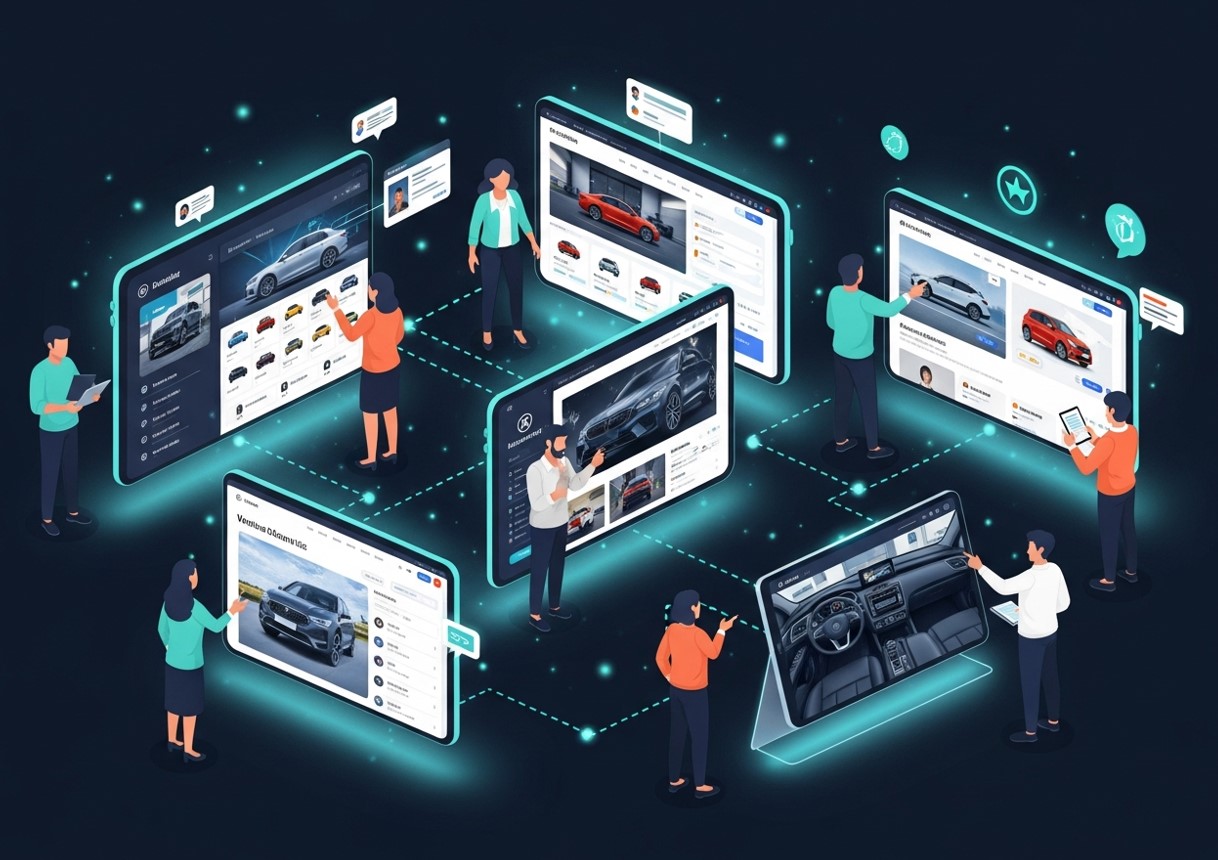
The automotive e-commerce landscape includes diverse players employing various business models. Understanding these different approaches reveals the market’s complexity and competitive dynamics.
Direct-to-Consumer Platforms
Companies like Carvana revolutionized used car sales by creating entirely online experiences. Their model focuses on convenience, transparency, and unique value propositions like seven-day return policies and car vending machines for vehicle pickup. These platforms typically handle vehicle acquisition, reconditioning, marketing, sales, financing, and delivery through integrated operations.
Vroom operates similarly but emphasizes home delivery and pickup services. Both companies went public in recent years, though they’ve faced challenges scaling profitably while maintaining service quality. Their experiences highlight both the opportunities and operational complexities inherent in automotive e-commerce.
Manufacturer Direct Sales
Tesla’s direct-to-consumer approach bypasses traditional dealership networks entirely. Customers configure and order vehicles online, with Tesla handling delivery and service through company-owned locations. This model provides manufacturers with greater control over the customer experience and higher profit margins, though it faces legal challenges in states with dealership protection laws.
Other manufacturers have adopted hybrid approaches. Ford’s direct sales program for electric vehicles allows online ordering while maintaining dealership relationships for delivery and service. This model attempts to capture e-commerce benefits while preserving existing retail partnerships.
Online Marketplaces
Traditional automotive classified sites like AutoTrader and Cars.com have evolved into comprehensive marketplaces offering financing, insurance, and other services. These platforms generate revenue through listing fees, lead generation, and financial services while connecting buyers with dealership and private seller inventory.
Omnichannel Retailers
CarMax pioneered the integration of online browsing with physical locations, allowing customers to research online and complete transactions at convenient locations. This model addresses consumer preferences for digital research while maintaining opportunities for physical vehicle inspection and immediate possession.
Technology and Innovation
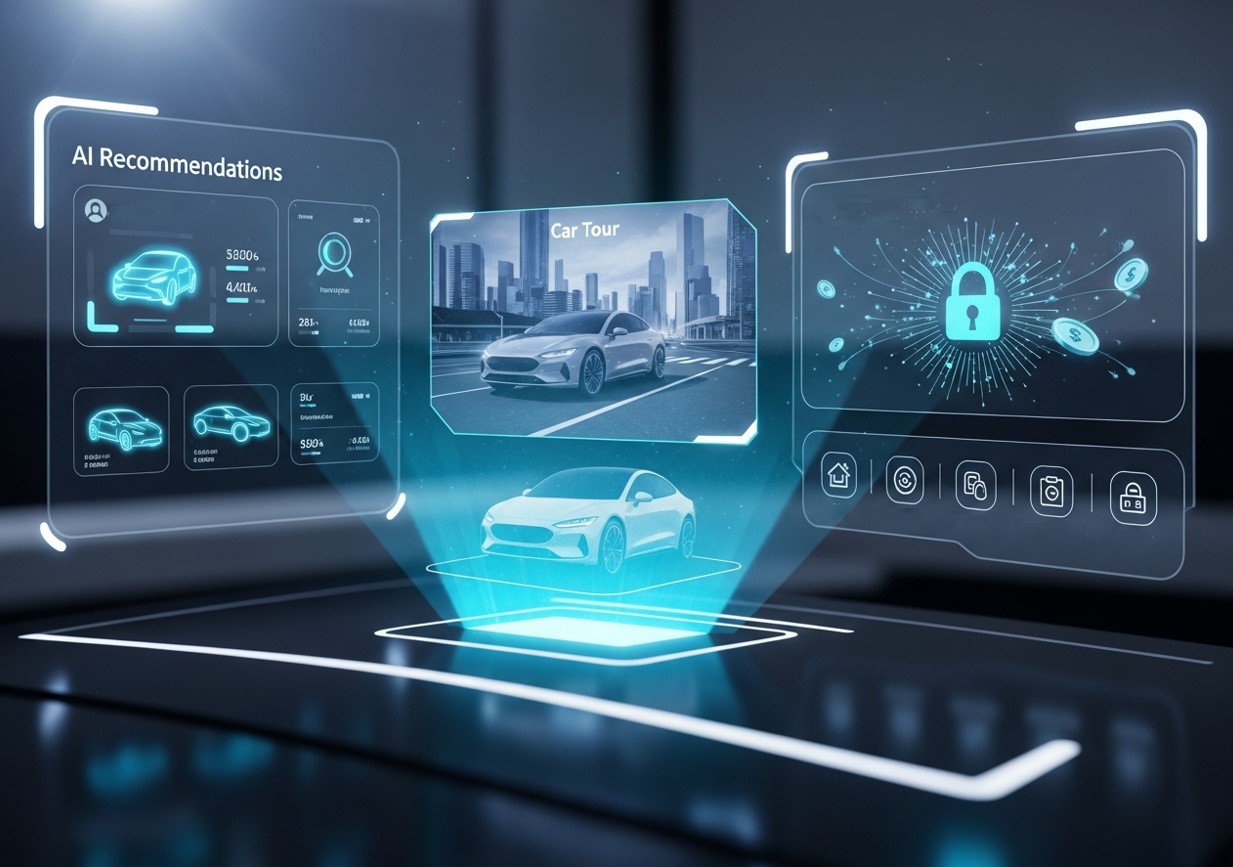
Technology serves as the backbone of automotive e-commerce success. Several key innovations have made online vehicle transactions more practical and appealing to mainstream consumers, from virtual vehicle inspections to advanced logistics and delivery networks. For a strategic overview of digital PR and technology integration, see maximizing your digital presence with digital PR and SEO.
Virtual Vehicle Inspection
Advanced imaging technologies allow detailed online vehicle presentations that rival physical inspections. High-resolution photography, 360-degree interior and exterior tours, and even augmented reality features help buyers thoroughly evaluate vehicles remotely. Some platforms employ standardized inspection processes with certified technicians, providing detailed condition reports that build buyer confidence.
Digital Financing Solutions
Online lending platforms have streamlined vehicle financing by connecting buyers with multiple lenders simultaneously. Automated underwriting systems can provide instant pre-approvals, while integrated payment processing enables complete transaction completion without visiting physical locations. These tools particularly benefit buyers with varying credit profiles by expanding financing options.
Logistics and Delivery Networks
Sophisticated logistics capabilities enable efficient vehicle transportation across large geographic areas. Companies have invested in car carriers, regional hubs, and last-mile delivery solutions that can transport vehicles to buyers’ homes or convenient pickup locations. Some platforms even offer white-glove delivery services that include vehicle walkthroughs and paperwork completion at the buyer’s location.
Data Analytics and Personalization
Advanced analytics help platforms optimize inventory, pricing, and customer experiences. Machine learning algorithms can predict market demand, recommend vehicles based on buyer preferences, and optimize pricing strategies in real-time. Personalization engines create customized browsing experiences that improve conversion rates and customer satisfaction.
Challenges and Barriers
Despite significant growth and innovation, the automotive e-commerce market faces several persistent challenges that companies must navigate successfully.
Regulatory Complexity
State-level dealership franchise laws create complex legal environments for direct-to-consumer sales. These regulations, originally designed to protect dealership networks from manufacturer competition, often prevent or limit online vehicle sales. Companies must navigate different rules across multiple jurisdictions, sometimes resulting in varied service offerings by state.
Consumer Trust and Confidence
Vehicles represent major purchases that consumers traditionally prefer to evaluate physically before buying. Building trust in remote transactions requires significant investment in quality assurance, return policies, and customer service. Even minor service failures can damage reputation and customer acquisition efforts in this trust-sensitive market.
Operational Complexity
Managing vehicle inventory, logistics, and reconditioning across wide geographic areas presents significant operational challenges. Companies must balance inventory levels, transportation costs, and service quality while maintaining profitable operations. These complexities have contributed to financial struggles for several high-profile e-commerce players.
Competition from Traditional Players
Established dealership networks possess advantages including physical locations, service capabilities, and existing customer relationships. As these traditional players enhance their digital offerings, they create formidable competition for purely online platforms. The most successful approaches may require hybrid models that combine digital and physical capabilities.
Regional Market Dynamics
The automotive e-commerce market exhibits significant regional variations based on consumer preferences, regulatory environments, and infrastructure capabilities.
North America
The United States leads global automotive e-commerce adoption, driven by large geographic distances, advanced logistics infrastructure, and consumer comfort with online transactions. However, state-level franchise laws create regulatory complexities that vary significantly across jurisdictions. Canada presents similar opportunities with fewer regulatory barriers but smaller market size.
Europe
European markets show strong growth potential, though regulatory fragmentation across multiple countries creates complexity. Countries like the United Kingdom and Germany lead adoption, while Southern and Eastern European markets remain more traditional. The European Union’s digital single market initiatives may harmonize regulations and facilitate cross-border e-commerce growth.
Asia-Pacific
China represents the world’s largest automotive market and shows significant e-commerce adoption, particularly for electric vehicles. Alibaba and other Chinese tech giants have launched automotive platforms that leverage their existing e-commerce expertise. Other Asian markets like India and Southeast Asia show growing potential as digital infrastructure and consumer preferences evolve.
Digital Marketing and Automotive E-Commerce
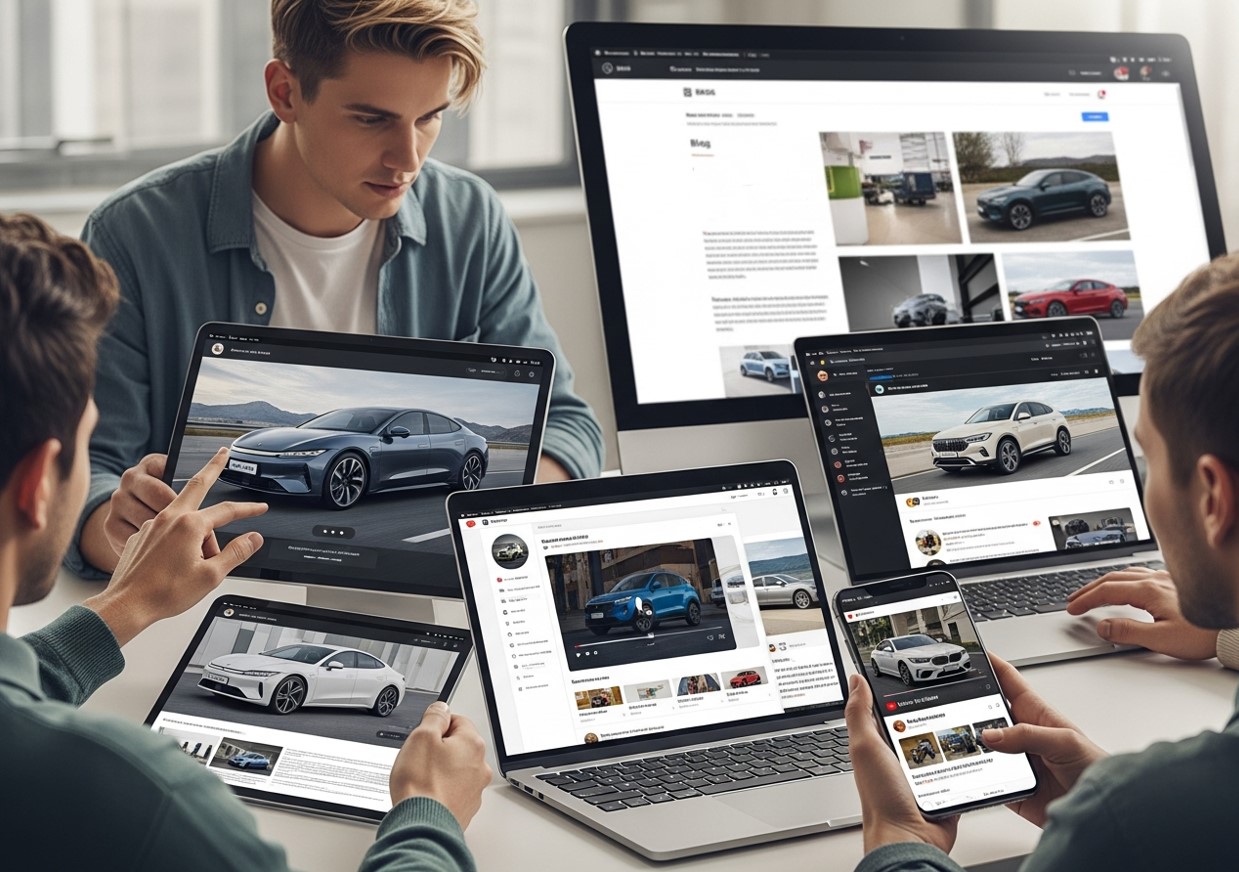
The rise of automotive e-commerce has amplified the importance of e-commerce marketing strategies tailored specifically for the automotive industry. Dealerships and manufacturers now compete not just with local players but with national and even global digital-first platforms. Optimizing online visibility through search engine optimization (SEO), targeted paid advertising, and social media engagement has become essential for driving traffic and conversions.
Content marketing has emerged as a cornerstone strategy. Informative blog posts, video walkthroughs, buyer guides, and interactive vehicle configurators not only educate potential buyers but also establish credibility and authority in the automotive space. For instance, creating a detailed “EV Buyer Guide” or “Used Car Inspection Checklist” helps potential customers make informed decisions, which increases trust and improves lead conversion.
Influencer marketing is also taking a foothold in automotive e-commerce. Collaborations with automotive YouTubers, TikTok car enthusiasts, and social media reviewers help brands reach highly engaged audiences. These influencers provide authentic reviews and demonstrations that resonate with digital-first buyers, supplementing traditional marketing efforts.
Future Outlook and Trends
Several trends will likely shape the automotive e-commerce market’s continued evolution over the next decade.
Electric Vehicle Integration
The transition to electric vehicles creates opportunities for new sales models and customer experiences. EVs’ simpler mechanical systems may increase consumer comfort with remote purchases, while their technology integration enables new service and upgrade offerings. Direct-to-consumer sales models may become more common as traditional service requirements change.
Autonomous Vehicle Impact
Future autonomous vehicles could fundamentally alter ownership models and sales processes. Subscription services, mobility-as-a-service offerings, and fleet-based transportation may reduce individual vehicle ownership while creating new e-commerce opportunities for commercial buyers.
Enhanced Personalization
Advancing artificial intelligence and data analytics will enable increasingly personalized shopping experiences. Platforms may offer highly customized vehicle recommendations, dynamic pricing based on individual preferences, and predictive services that anticipate customer needs.
Sustainability Focus
Environmental consciousness among consumers may drive demand for sustainable automotive e-commerce practices. This could include carbon-neutral delivery options, vehicle lifecycle tracking, and integration with renewable energy services for electric vehicle buyers.
Data-Driven Customer Engagement
Data analytics plays a pivotal role in automotive e-commerce success. Platforms leverage browsing behavior, demographic information, and purchase history to create highly personalized experiences. Machine learning algorithms can suggest vehicles based on user preferences, predict when a customer is most likely to purchase, and optimize pricing dynamically to improve conversion rates.
Beyond personalization, data-driven insights allow brands to identify market trends and forecast demand. For instance, analyzing search queries and interest in electric vehicles can guide inventory management decisions or promotional campaigns. This proactive approach reduces costs associated with overstocking and ensures that marketing investments target the right audience at the right time.
Strategic Implications for Industry Players
Success in the evolving automotive e-commerce market requires strategic adaptations across different types of industry participants.
Traditional dealerships must embrace digital transformation while leveraging their existing advantages. This may involve enhanced online inventory management, virtual sales capabilities, and improved customer service integration. Partnerships with e-commerce platforms or technology providers could accelerate digital capabilities without requiring massive internal development investments.
Automotive manufacturers face decisions about channel strategy and customer relationships. Direct-to-consumer models offer higher margins and better customer data but may conflict with existing dealership networks. Hybrid approaches that preserve dealership relationships while enhancing direct customer engagement may provide optimal solutions.
Technology companies entering the automotive space must understand the unique complexities of vehicle transactions, including regulatory requirements, consumer behavior patterns, and operational challenges. Success requires substantial capital investment and expertise in logistics, customer service, and quality assurance.
Preparing for Continued Evolution
The automotive e-commerce market will continue evolving rapidly as technology advances and consumer expectations change. Companies that succeed will likely be those that remain flexible, invest in customer experience, and build sustainable operational models.
Key preparation strategies include developing robust digital capabilities, building trust through transparency and quality service, and creating efficient operational systems that can scale with growth. Companies should also monitor regulatory changes, technological developments, and shifting consumer preferences that could create new opportunities or challenges.
The transformation of automotive retail through e-commerce represents one of the most significant changes in how major consumer purchases occur. While challenges remain, the market’s growth trajectory and innovation pace suggest that digital channels will become increasingly central to automotive sales. Industry participants who adapt successfully to this new landscape will be positioned to capture the substantial opportunities ahead, while those who resist change may find themselves struggling to compete in an increasingly digital marketplace.
Frequently Asked Questions (FAQ)
Is it safe to buy a car entirely online?
Yes, with reputable platforms and certified inspections, buying a car online can be safe. Most digital-first automotive retailers offer detailed condition reports, return policies, and secure payment processing to ensure buyer protection.
How do digital financing options work for automotive e-commerce?
Online financing platforms connect buyers with multiple lenders, provide instant pre-approvals, and allow users to complete the loan application process digitally. Integrated payment systems streamline the transaction from start to finish.
Can traditional dealerships compete with fully online car sales platforms?
Absolutely. Dealerships can adopt omnichannel strategies, combining online research, digital financing, and in-person interactions. This hybrid approach leverages their physical infrastructure while catering to digital-first buyers.
Are electric vehicles more suited for online sales?
In many ways, yes. EVs have simpler mechanical systems and are highly integrated with software, making remote configuration and purchase easier. Additionally, EV buyers often seek digital tools for charging station navigation, battery monitoring, and software updates.
What trends should automotive businesses watch for in e-commerce?
Key trends include AI-driven personalization, AR/VR vehicle experiences, subscription models for vehicle access, autonomous vehicle integration, and sustainability-focused services. Staying ahead of these trends can provide a competitive advantage.