How Empathy Marketing Transforms Customer Relationships

What is Empathy Marketing?
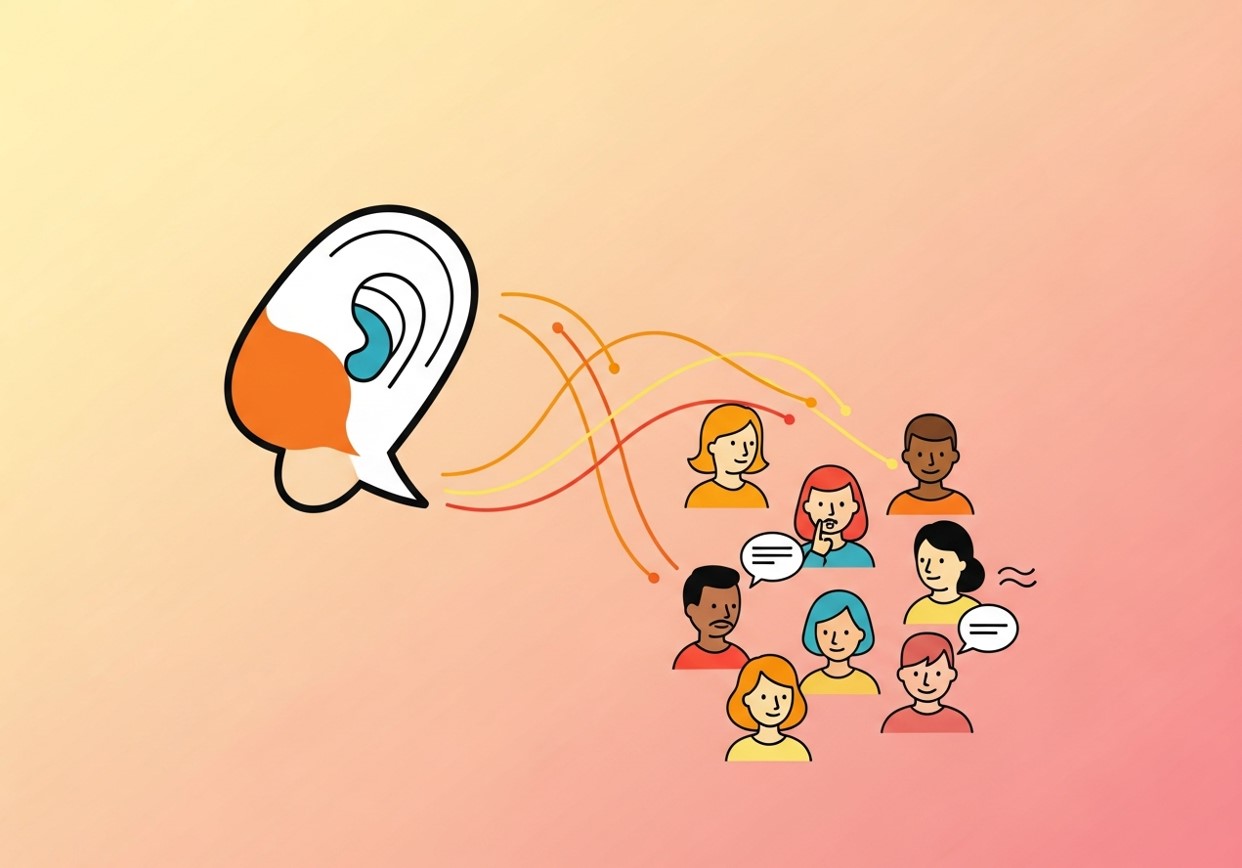
Sympathy marketing is a customer -focused approach that focuses on understanding and addressing the real needs, feelings and experiences of your target groups. Instead of pushing products ahead, sympathy marketing is trying to understand what customers really care with authentic, supportive solutions and react.
On the basis, sympathy requires marketing that companies go into their customers’ shoes. This means understanding their pain points, celebrating their successes and accepting their challenges. The goal is to create a marketing message that is emotional resonance and show real care for the customer’s welfare.
The Psychology Behind Empathy Marketing
Human beings are wired for connection. When brands demonstrate genuine understanding and care, customers respond with trust and loyalty. Neurological research shows that empathy activates the same brain regions involved in personal relationships, creating powerful emotional bonds between customers and brands.
This emotional connection translates into measurable business outcomes. Customers who feel understood and valued are more likely to make purchases, recommend the brand to others, and remain loyal over time. Implementing these strategies effectively can complement broader digital marketing strategies for e-commerce, reinforcing both trust and performance.
Why Empathy Marketing Works
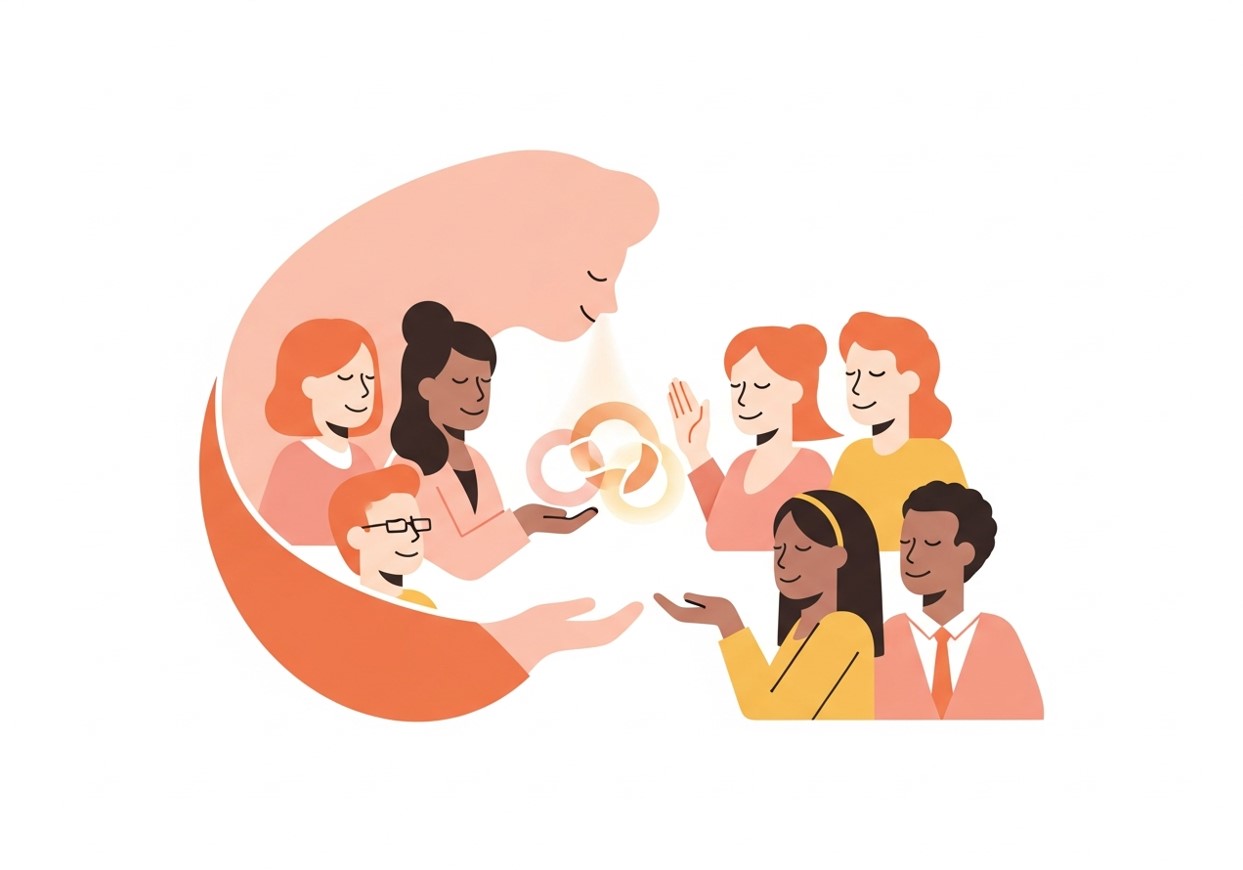
The effectiveness of empathy marketing stems from fundamental changes in consumer behavior and expectations. Modern consumers are more informed, more skeptical, and more values-driven than previous generations.
Building Trust Through Understanding
Traditional marketing often feels transactional—businesses trying to sell something to customers. Empathy marketing flips this dynamic by focusing first on understanding and helping. This approach builds trust naturally because customers feel heard and valued.
When a customer struggles with a problem, empathy marketing acknowledges that struggle and offers genuine solutions. This creates a positive association with the brand that extends far beyond any single transaction. Brands that combine empathy with email marketing for e-commerce often see increased engagement, as personalized messaging addresses customers’ real needs.
Differentiation in Crowded Markets
Most markets are saturated with similar products and services. Features and pricing alone rarely create lasting competitive advantages. Empathy marketing differentiates brands by creating emotional connections that competitors cannot easily replicate.
A customer might find similar products elsewhere, but they cannot easily replace the feeling of being understood and valued by a particular brand. This emotional differentiation creates powerful barriers to customer defection.
Increased Customer Lifetime Value
Empathy marketing drives long-term customer relationships rather than one-time transactions. Customers who feel emotionally connected to a brand typically:
- Make repeat purchases more frequently
- Spend more per transaction
- Recommend the brand to friends and family
- Provide valuable feedback and insights
- Remain loyal during challenging times
These behaviors significantly increase customer lifetime value, making empathy marketing a sound investment in business growth.
Core Principles of Empathy Marketing
Successful empathy marketing requires adherence to several fundamental principles that guide strategy and execution.
Authentic Understanding
Empathy marketing begins with genuine efforts to understand your audience. This goes beyond basic demographics to include emotional states, life circumstances, and personal values. Surface-level understanding produces superficial marketing messages that customers quickly recognize as inauthentic.
Deep understanding requires ongoing research, active listening, and regular interaction with customers. This aligns with the concepts in our complete guide to e-commerce email marketing, which emphasizes listening to customer signals and tailoring messaging accordingly.
Emotional Relevance
Every marketing message should connect with customers’ emotional states and current life situations. This might mean acknowledging stress during difficult times, celebrating achievements, or providing comfort during uncertainty.
Emotional relevance requires careful timing and context. The same message might resonate differently depending on current events, seasonal factors, or individual customer circumstances.
Value-First Approach
Empathy marketing prioritizes providing value over making sales. This means offering helpful content, useful tools, and genuine solutions even when they don’t directly lead to immediate purchases. Brands that integrate empathy with digital marketing ideas that actually work often see stronger engagement and loyalty.
This value-first approach builds trust and positions the brand as a helpful resource rather than just another vendor. Over time, this positioning leads to stronger customer relationships and increased sales.
Respectful Communication
Empathy marketing respects customers’ intelligence, time, and autonomy. This means avoiding manipulative tactics, respecting privacy boundaries, and providing clear, honest communication.
Respectful communication also means acknowledging when customers choose not to engage or purchase. A brand that respects customer decisions builds stronger relationships with those who do choose to engage.
Implementing Empathy Marketing Strategies

Effective empathy marketing requires strategic implementation across multiple touchpoints and channels.
Customer Research and Insights
Start by developing deep customer insights through multiple research methods:
Direct Feedback Collection
Regular surveys, interviews, and feedback sessions provide direct insights into customer needs, preferences, and pain points. Focus on understanding not just what customers want, but why they want it.
Social Media Listening
Monitor social media conversations to understand how customers talk about your industry, competitors, and brand. Pay attention to emotional language and underlying concerns.
Customer Journey Mapping
Document the complete customer experience from first awareness through post-purchase support. Identify emotional high points and pain points throughout this journey.
Behavioral Analysis
Use analytics tools to understand how customers interact with your brand across different channels. Look for patterns that reveal underlying needs or frustrations.
Content Strategy with Empathy
Content marketing provides excellent opportunities to demonstrate empathy and provide value.
Educational Content
Create content that helps customers solve problems or achieve goals, even when those solutions don’t directly involve your products. This positions your brand as a helpful resource.
Storytelling
Share stories that resonate with your audience’s experiences. This might include customer success stories, behind-the-scenes content, or narratives that reflect common challenges.
Timely Support
Provide content that addresses current events, seasonal challenges, or trending topics relevant to your audience. This demonstrates awareness of customers’ current situations.
Personalized Communication
Use customer data and insights to create personalized communication that feels relevant and timely.
Segmented Messaging
Divide your audience into segments based on behavior, preferences, and life circumstances. Create targeted messages that speak directly to each segment’s specific needs.
Dynamic Content
Use automation tools to deliver different content based on customer behavior, preferences, or lifecycle stage. This ensures customers receive relevant information at the right time.
Responsive Customer Service
Train customer service teams to demonstrate empathy in every interaction. This includes acknowledging customer frustrations, providing clear solutions, and following up to ensure satisfaction.
Measuring Empathy Marketing Success
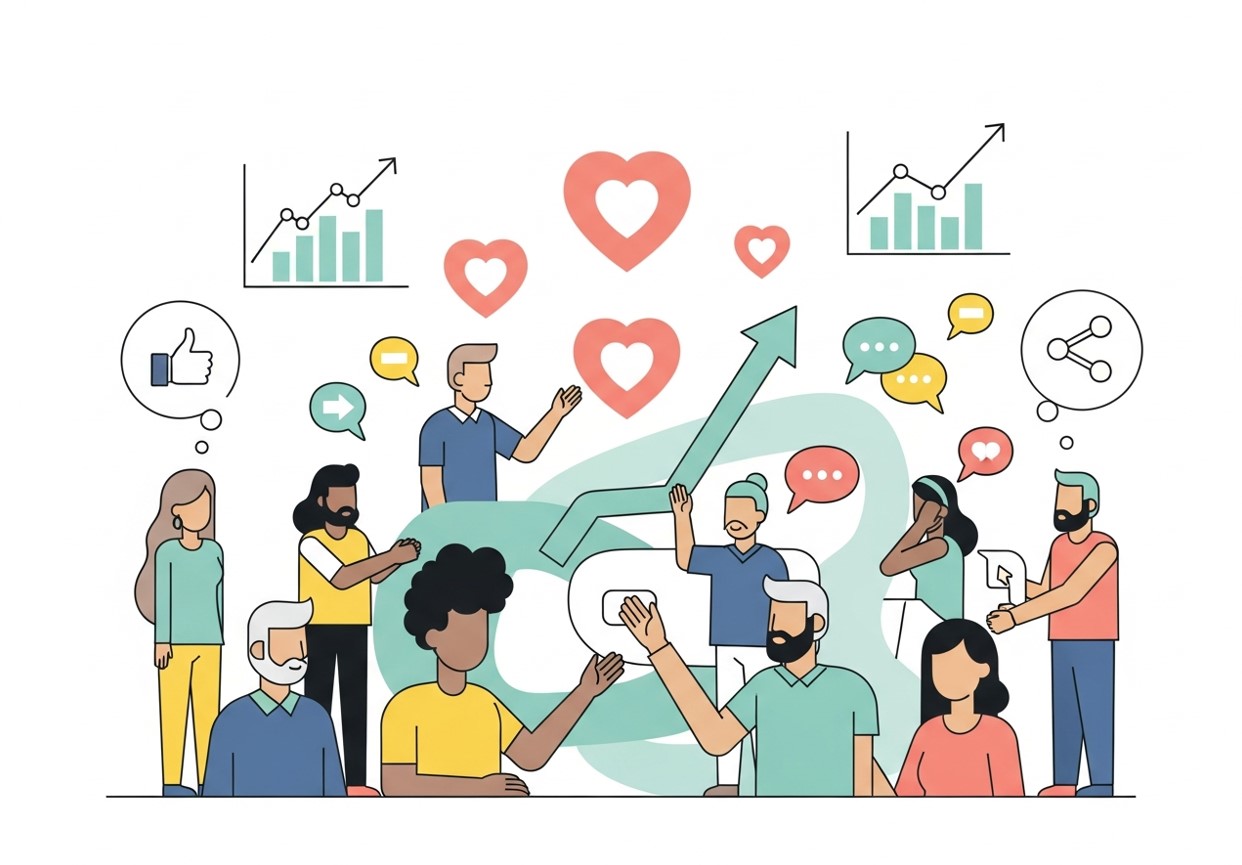
Empathy marketing success requires metrics that capture both emotional connection and business outcomes.
Relationship Metrics
Customer Satisfaction Scores
Track satisfaction through surveys, reviews, and feedback. Look for improvements in satisfaction scores as empathy marketing efforts mature.
Net Promoter Score (NPS)
NPS measures customer likelihood to recommend your brand. Empathy marketing typically improves NPS as customers develop stronger emotional connections.
Customer Effort Score
Measure how easy it is for customers to interact with your brand. Empathy marketing should reduce customer effort by anticipating needs and providing proactive support.
Engagement Metrics
Content Engagement
Track how customers interact with empathy-driven content. Look for increased time spent reading, higher social media engagement, and more meaningful comments.
Email Performance
Monitor email open rates, click-through rates, and response rates. Empathy marketing typically improves email performance as messages become more relevant and valuable.
Social Media Sentiment
Analyze sentiment in social media mentions and comments. Empathy marketing should improve overall sentiment as customers feel more understood and valued.
Business Impact Metrics
Customer Lifetime Value
Track how empathy marketing affects long-term customer value. Customers who feel emotionally connected typically spend more over time.
Customer Retention
Monitor retention rates and churn patterns. Empathy marketing should improve retention as customers develop stronger loyalty.
Revenue Growth
Measure overall revenue growth, particularly from repeat customers and referrals. Empathy marketing drives sustainable revenue growth through stronger relationships.
Common Empathy Marketing Mistakes
Avoid these common pitfalls that can undermine empathy marketing efforts.
Superficial Understanding
Some brands attempt empathy marketing by relying on surface-level customer research or assumptions about what their audience wants. This often results in generic messaging that lacks emotional depth and fails to truly connect with the audience. Without investing time in comprehensive research—such as in-depth interviews, surveys, and behavioral analysis—brands risk misinterpreting customer needs and emotions, which can make their campaigns feel hollow or disconnected from real-life experiences. Genuine empathy requires understanding the motivations, challenges, and feelings of your audience at a deeper level.
Inconsistent Application
Empathy marketing is most effective when it is applied consistently across all customer touchpoints. Demonstrating understanding and compassion in marketing messages while providing subpar customer service, confusing product experiences, or unhelpful support creates a disconnect that can erode trust quickly. Customers notice inconsistencies, and even well-crafted campaigns can backfire if they clash with the brand’s actions or user experience. True empathy marketing integrates understanding into every interaction, from social media content to support calls, ensuring a cohesive and trustworthy brand presence.
Opportunistic Empathy
Some brands attempt to leverage trending social topics, popular causes, or emotional narratives purely to boost visibility or sales. This opportunistic approach often comes across as insincere, as customers are increasingly able to recognize when brands are engaging in empathy marketing for self-serving reasons rather than genuine concern. Marketing campaigns that exploit social issues without a real commitment to the underlying values can harm reputation, trigger backlash, and damage long-term relationships. Authentic empathy marketing is rooted in a genuine understanding and consistent support of the causes or issues that matter to your audience.
Overwhelming Personalization
Personalization is an important tool in empathy marketing, but it must be applied thoughtfully. When brands overuse personal data or push highly targeted messages that feel invasive, customers may perceive it as manipulative rather than empathetic. Striking the right balance between relevance and privacy is essential—personalized experiences should feel helpful and considerate, not overwhelming. Empathy marketing works best when it respects customer autonomy and delivers messages that feel natural, supportive, and genuinely aligned with the audience’s needs and preferences.
Building Long-Term Customer Relationships
Sympathy marketing creates permanent competitive benefits by creating real relationships with customers. These conditions change market changes, competitive pressure and financial uncertainties.
The key to success for a long time lies in maintaining authentic sympathy because your business is growing. This requires the ongoing investment in customer research, training of employees and process development. The brands that continuously demonstrate real care for customers will create loyal communities that support commercial development in the coming years.
Start using sympathy marketing by listening to your customers more carefully, understanding their actual needs and responding with authentic care. Investment in sympathy marketing pays dividends through strong relationships, increases loyalty and permanent trade development.
Frequently Asked Questions (FAQ)
Can empathy marketing work for B2B companies?
Absolutely. While often associated with B2C, empathy marketing is equally powerful in B2B contexts. Understanding the challenges, priorities, and pressures of business clients allows brands to create messaging, solutions, and support that resonate on a human level, building trust and long-term partnerships.
How does empathy marketing affect brand loyalty?
Empathy marketing strengthens brand loyalty by creating meaningful emotional connections. Customers who feel understood are more likely to repeat purchases, engage with content, provide referrals, and remain loyal even during challenges.
How do you measure the success of empathy marketing?
Beyond traditional metrics like revenue and retention, success is measured through engagement levels, sentiment analysis, customer satisfaction scores, NPS, and qualitative feedback. The combination of emotional and business metrics provides a comprehensive view of performance.
Can empathy marketing backfire?
Yes. Superficial or opportunistic empathy—such as exploiting trending social issues without genuine commitment—can damage trust. Inconsistent application across channels or overpersonalization that feels invasive can also undermine credibility.
Does empathy marketing require additional resources?
While it requires investment in research, training, and strategic implementation, empathy marketing often leads to more efficient marketing over time. By targeting messaging effectively and building long-term loyalty, brands reduce wasted campaigns and increase ROI.
How long does it take to see results from empathy marketing?
Short-term results in engagement and sentiment can appear quickly, but the most significant benefits—such as higher lifetime value, retention, and advocacy—develop over months to years. Empathy marketing is a long-term strategy.
How can small businesses implement empathy marketing without large budgets?
Small businesses can start by actively listening to customers, creating authentic content, and personalizing interactions within their existing channels. Even small gestures—like thoughtful emails, social media responsiveness, and sincere feedback follow-ups—can create meaningful emotional connections.