
Leveraging Social Commerce: Integrating Social Media with E-Commerce

Social commerce enables purchases directly on platforms like Instagram and TikTok, increasing engagement, sales, and customer loyalty.
In today’s digital landscape, social media isn’t just for brand awareness or community building—it’s an integral sales channel. Known as social commerce, this trend allows customers to discover, research, and purchase products directly within social platforms. With over 4.5 billion social media users worldwide, integrating social commerce into your e-commerce strategy can unlock new revenue streams and improve customer engagement. This guide will explore what social commerce is, its benefits, leading platforms, best practices, and how to measure success.
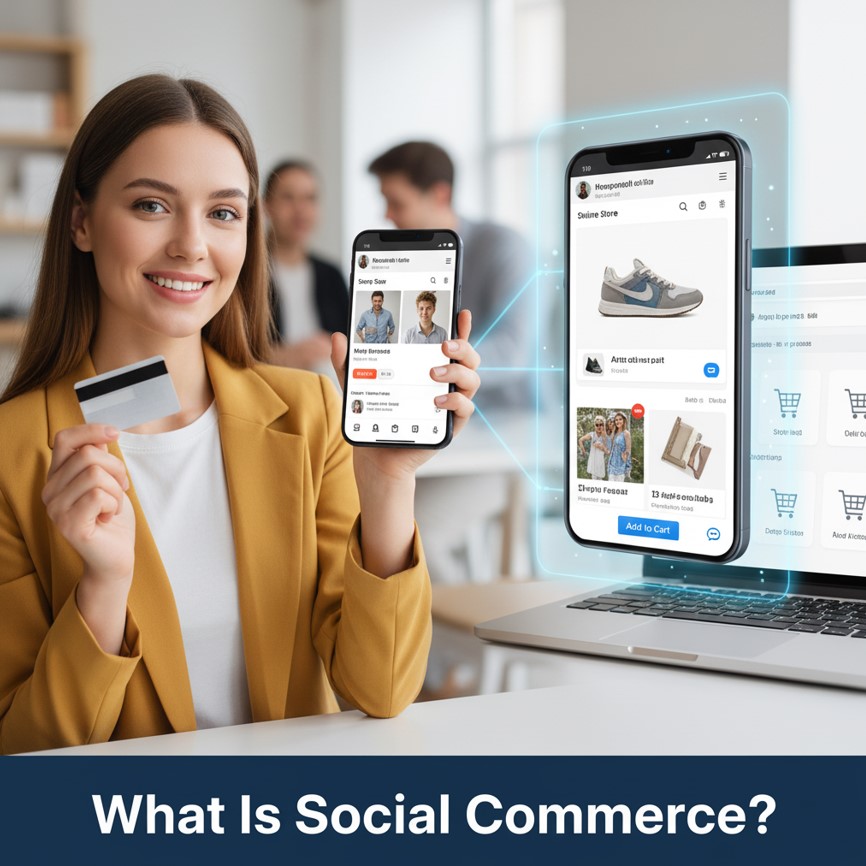
What Is Social Commerce?
Social commerce is the intersection of social media and online shopping. Unlike traditional e-commerce that relies on a standalone website, social commerce enables purchases within apps like Instagram, Facebook, TikTok, and Pinterest. Shoppable posts, in-app checkout, and integrated catalogs streamline the buyer’s journey—reducing friction and boosting conversion rates. As social networks evolve, they’re adding native shopping features to capitalize on impulsive buying behavior and foster seamless customer experiences.
Key Benefits of Social Commerce
Social commerce brings several advantages to online retailers, including reduced friction, enhanced engagement, trust-building through social proof, expanded reach, and actionable data insights. These benefits make it a valuable component of any digital PR strategies that drive results.
1. Reduced Friction: Customers can buy without leaving the platform, shortening the path from discovery to purchase.
2. Enhanced Engagement: Interactive content like live streams, polls, and shoppable stories drives higher interaction rates.
3. Trust & Social Proof: User-generated content, comments, and reviews on social platforms increase credibility.
4. Expanded Reach: Leveraging social algorithms and influencer partnerships helps tap into new audiences.
5. Data Insights: Rich behavioral data from social platforms informs targeted campaigns and product development.
Popular Social Commerce Platforms
Several major networks offer native shopping tools. Each platform caters to different audiences and use cases, so it’s crucial to align your offerings with the right channels.

Instagram Shopping
Instagram’s Shopping feature lets brands tag products in posts, Stories, Reels, and Explore pages. Users can tap tags to view product details, pricing, and descriptions, then complete purchases via in-app checkout or redirected to your online store. Rich visuals and influencer collaborations make Instagram ideal for lifestyle and fashion brands looking to inspire impulse buys.
Facebook Shops
Facebook Shops allows businesses to create customizable storefronts directly on Facebook and Instagram. You can showcase products, run targeted ads, and engage customers with Messenger or WhatsApp integration. With cross-platform promotions and live shopping events, Facebook Shops helps businesses reach users across the Meta ecosystem.
TikTok Shop
TikTok Shop brings commerce to the fast-paced world of short-form video. Brands can sell via in-video product links, live stream shopping events, and creator collaborations. Given TikTok’s viral potential, brands that master entertaining, informative content can see significant spikes in sales and brand awareness.
Pinterest Buyable Pins
Pinterest’s Buyable Pins let users purchase products they discover on curated boards. With a focus on inspiration and planning, Pinterest buyers often have high purchase intent—making it a powerful channel for lifestyle, home décor, and DIY brands. Promoted Pins also allow precise targeting based on interests and search behavior.
Best Practices for Social Commerce Success
Implementing social commerce requires more than enabling shopping tags. Follow these best practices to maximize ROI:

1. Optimize Your Product Catalog
Ensure product titles, descriptions, and images are consistent across platforms. High-resolution images, lifestyle shots, and clear pricing information increase click-through rates. Regularly update inventory to avoid “out-of-stock” frustrations that harm user experience.
Optimize product catalogs, ensuring titles, descriptions, and visuals are consistent across platforms. Learn more from our e-commerce content marketing guide.
2. Create Engaging Shoppable Content
Blend entertainment and education. Use Stories, Reels, and live videos to showcase product demos, unboxings, or behind-the-scenes glimpses. Tag products naturally rather than forcing sales pitches—focus on storytelling to build an emotional connection.
3. Leverage Influencer Partnerships
Collaborate with micro- and macro-influencers whose audiences align with your target customers. Influencer endorsements drive trust and social proof. Track referral codes, UTM parameters, and in-app analytics to measure each partnership’s effectiveness.
4. Integrate Customer Support
Offer seamless assistance via chatbots, Messenger, WhatsApp, or Instagram Direct. Quick responses to product inquiries, sizing questions, or order issues improve conversion rates and foster loyalty. Include FAQs, shipping policies, and return guidelines in your Shop sections.
5. Run Targeted Ad Campaigns
Use social media advertising tools to retarget website visitors, abandoned carts, or lookalike audiences. Dynamic ads can automatically showcase products users viewed on your site. Combine promotions with shoppable posts to amplify reach and drive incremental sales.
For a more detailed breakdown of strategies, check our e-commerce marketing services guide.
Measuring Social Commerce Performance

Tracking the right metrics is crucial. Key indicators include conversion rate, average order value, return on ad spend (ROAS), engagement metrics, and customer retention. Businesses can also combine these insights with AI personalization in e-commerce to refine product recommendations and drive repeat purchases.
Tracking the right metrics ensures your social commerce initiatives deliver results. Focus on:
- Conversion Rate: Percentage of social clicks that result in purchases.
- Average Order Value: Revenue per transaction generated via social channels.
- Return on Ad Spend (ROAS): Effectiveness of paid campaigns in driving sales.
- Engagement Metrics: Likes, comments, shares, and click-through rates on shoppable posts.
- Customer Retention: Repeat purchases and lifetime value of social commerce customers.
Case Studies: Brands Winning with Social Commerce
Fashion Label A: By integrating Instagram Shopping with weekly live-streamed styling sessions, this brand saw a 30% boost in average order value and a 25% increase in new customer acquisition.
Beauty Brand B: Leveraging TikTok influencers for unboxing videos and tutorial content, the brand achieved 50 million video views and a 40% sales uplift during a single campaign.
Home Décor Brand C: Utilizing Pinterest Buyable Pins and promoted boards, the company tripled their referral traffic and doubled quarterly revenues from social channels.
The Evolution of Social Commerce
Social commerce has grown rapidly as social platforms evolve from networking hubs into fully integrated retail ecosystems. Unlike traditional e-commerce, which requires customers to navigate separate websites or apps, social commerce streamlines the journey from discovery to purchase in a single environment. The rise of visual-first platforms and short-form video has accelerated this shift, as users now expect immersive, interactive shopping experiences directly within their feeds.
The adoption of social commerce is fueled not only by convenience but also by the psychology of impulse buying. Features like one-click checkout, limited-time offers, and live product demonstrations create a sense of urgency and immediacy. For brands, this convergence of social engagement and retail activity offers a unique opportunity to blend content marketing, influencer strategies, and paid advertising into a single revenue-generating channel.
Integrating social commerce requires understanding the nuances of each platform’s audience. Instagram users often respond to aspirational content and lifestyle imagery, while TikTok audiences value entertainment and authenticity. Pinterest shoppers frequently use the platform for inspiration and planning, meaning they are highly motivated when engaging with buyable content. Facebook offers a broad demographic reach and advanced targeting capabilities, making it ideal for both brand storytelling and transactional experiences.
Personalization and Social Commerce
Personalization has become a key driver of success in social commerce. Leveraging behavioral data, brands can recommend products based on previous interactions, viewed items, or engagement history. Dynamic product recommendations within social feeds can increase average order value and foster brand loyalty.
Artificial intelligence and machine learning now enable brands to analyze engagement patterns in real-time. By understanding which products generate clicks, shares, and conversions, businesses can optimize content to match audience preferences. For instance, an AI-powered system might push a limited-time offer for a product similar to one the user previously viewed, directly within a social media app, reducing friction and increasing the likelihood of conversion.
Beyond product recommendations, personalization extends to content format. Some audiences prefer live streams, while others engage more with carousel posts or short-form video tutorials. By analyzing platform-specific engagement trends, brands can tailor their social commerce strategy to maximize interaction and purchase intent.
Social Commerce and Customer Loyalty
Beyond driving immediate sales, social commerce plays a pivotal role in fostering long-term customer loyalty. By integrating social engagement with transactional experiences, brands can create ongoing relationships rather than one-off purchases. Loyalty in social commerce is fueled by several factors, including personalized experiences, community building, and post-purchase interactions.
Personalization extends beyond product recommendations. Brands can use data from previous purchases, engagement patterns, and social interactions to deliver tailored offers, exclusive content, and early access to new products. For example, a fashion brand might send a TikTok follower a notification about a limited-edition collection that matches their past browsing behavior. These personalized touches make customers feel valued and understood, encouraging repeat purchases.
Community building is another cornerstone of loyalty in social commerce. By engaging users through interactive content such as polls, challenges, and live Q&A sessions, brands foster a sense of belonging. Customers who feel connected to a brand community are more likely to advocate for the brand, share content, and participate in future campaigns. User-generated content further reinforces this connection, as customers see themselves represented and celebrated within the brand narrative.
Post-purchase engagement is equally important. Brands can leverage social commerce to maintain contact after a sale, whether through follow-up messages, feedback requests, or invitations to share product experiences on social media. These actions not only improve customer satisfaction but also provide valuable insights for refining products, content, and marketing strategies.
By combining personalization, community engagement, and ongoing communication, social commerce helps transform first-time buyers into loyal advocates. In the competitive landscape of online retail, building a loyal customer base through social platforms can be as valuable as driving new sales, ensuring sustained growth and long-term profitability.
The Role of Influencers and User-Generated Content
Social commerce thrives on trust and credibility, which makes influencer partnerships and user-generated content (UGC) essential components of any strategy. Influencers act as authentic brand advocates, providing context, demonstrating product use, and encouraging purchases in a way that paid ads often cannot replicate. Micro-influencers, in particular, offer highly engaged audiences and niche targeting opportunities.
UGC serves a dual purpose: it reinforces social proof while also supplying fresh, authentic content for brands to amplify. Shoppers are more likely to trust real-world testimonials and photos than professionally produced marketing materials. Brands can integrate UGC into product galleries, shoppable posts, and Stories to enhance credibility, increase engagement, and encourage repeat purchases.
Social Commerce and Mobile Optimization
Given that over 90% of social media users access platforms via mobile devices, mobile optimization is critical. Websites and checkout experiences must be seamless, fast, and intuitive to prevent cart abandonment. Integrating social commerce with mobile-friendly landing pages ensures a smooth transition from in-app browsing to purchase completion.
Additionally, mobile-specific features like push notifications, SMS reminders, and app integrations can enhance the overall shopping journey. These tools allow brands to re-engage users, promote new product launches, and drive repeat purchases, all while maintaining a frictionless mobile experience.
Beyond immediate sales, social commerce fosters long-term customer loyalty. Personalization, community engagement, and post-purchase interactions transform first-time buyers into brand advocates. Brands can reinforce this through interactive content, exclusive offers, and user-generated content—strategies also highlighted in our e-commerce marketing solutions for growth guide.
Measuring Success in Social Commerce
Effectively measuring social commerce performance goes beyond simple metrics like clicks and likes. Businesses must evaluate conversion rates, revenue generated, engagement levels, and long-term customer value to assess the ROI of their efforts.
Advanced analytics tools track the customer journey across multiple touchpoints—from initial social discovery to purchase and post-purchase engagement. By understanding which content types, influencer collaborations, or ad campaigns drive the most conversions, brands can refine strategies and allocate budgets more effectively.
Tracking the right metrics is crucial. Key indicators include conversion rate, average order value, return on ad spend (ROAS), engagement metrics, and customer retention. Businesses can also combine these insights with AI personalization in e-commerce to refine product recommendations and drive repeat purchases.
Future Trends in Social Commerce
The landscape of social commerce continues to evolve rapidly. Emerging trends include AR-powered shopping experiences, where users can visualize products in their environment before purchase, and AI-driven personalization, which tailors product recommendations based on real-time engagement data.
Video commerce, particularly live shopping events, is becoming a dominant format. These interactive streams combine entertainment, product demonstration, and direct purchasing opportunities, driving both impulse sales and long-term brand awareness.
Another trend is social commerce integration across multiple platforms. Brands are connecting Instagram, TikTok, Pinterest, and Facebook Shops to create cohesive, omnichannel shopping experiences. Unified catalogs, consistent messaging, and cross-platform analytics ensure customers encounter a seamless journey regardless of the platform they choose to engage with.
Conclusion
Social commerce represents the future of online retail, merging discovery, engagement, and purchase into a unified experience. By selecting the right platforms, optimizing your catalog, creating compelling content, and measuring performance, you can transform social media into a powerful sales channel. Start small—pilot shoppable posts or a live-stream event—and scale based on data. With a strategic approach, your e-commerce business can harness the full potential of social commerce and stay ahead of the competition.
Ready to elevate your online store? Begin integrating social commerce today and watch your engagement, traffic, and revenue soar.
Frequently Asked Questions (FAQ)
What is the difference between social commerce and traditional e-commerce?
Social commerce allows customers to discover, research, and purchase products directly within social platforms, reducing friction and streamlining the buyer journey. Traditional e-commerce usually requires navigating to a separate website.
Which social media platforms are best for social commerce?
Instagram, Facebook, TikTok, and Pinterest are leading platforms due to their integrated shopping features, diverse audiences, and support for both visual content and influencer collaborations.
How can small businesses leverage social commerce effectively?
Small businesses can start by enabling shoppable posts, collaborating with micro-influencers, and optimizing content for mobile-first engagement. Focusing on high-quality visuals, storytelling, and active social engagement helps level the playing field against larger competitors.
What metrics should I track for social commerce success?
Key metrics include conversion rate, average order value, return on ad spend (ROAS), engagement rates, repeat purchase frequency, and customer lifetime value. Tracking these provides a holistic view of campaign performance.
Is influencer marketing necessary for social commerce?
While not mandatory, influencer marketing significantly boosts trust and credibility. It helps reach niche audiences and amplifies brand messaging, which can accelerate conversions and customer acquisition.
How do AR and video commerce fit into social commerce?
AR enhances product visualization, reducing uncertainty and purchase hesitation. Video commerce, including live streams and tutorials, combines education, entertainment, and direct purchasing, improving engagement and driving impulse sales.