Marketing Automation for E-commerce: Strategies, Tools, and Implementation
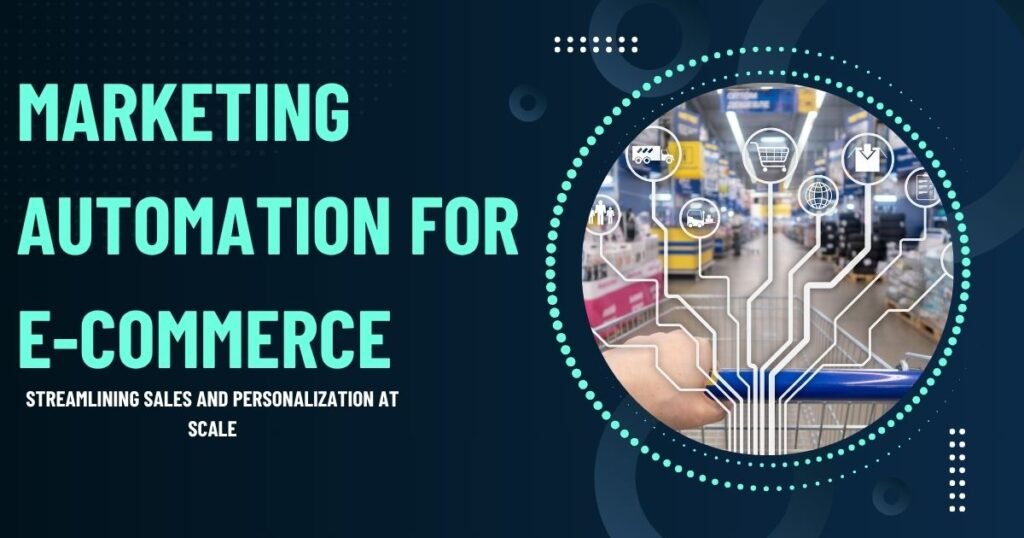
Marketing Automation for E-commerce: Strategies, Tools, and Implementation helps online stores streamline marketing, automate workflows, and save time.
It delivers personalized customer experiences through email, SMS, social media, and retargeting campaigns.
By boosting efficiency and conversions, it drives scalable growth and long-term customer loyalty.
What Is Marketing Automation & Why Is It Important For E-commerce?
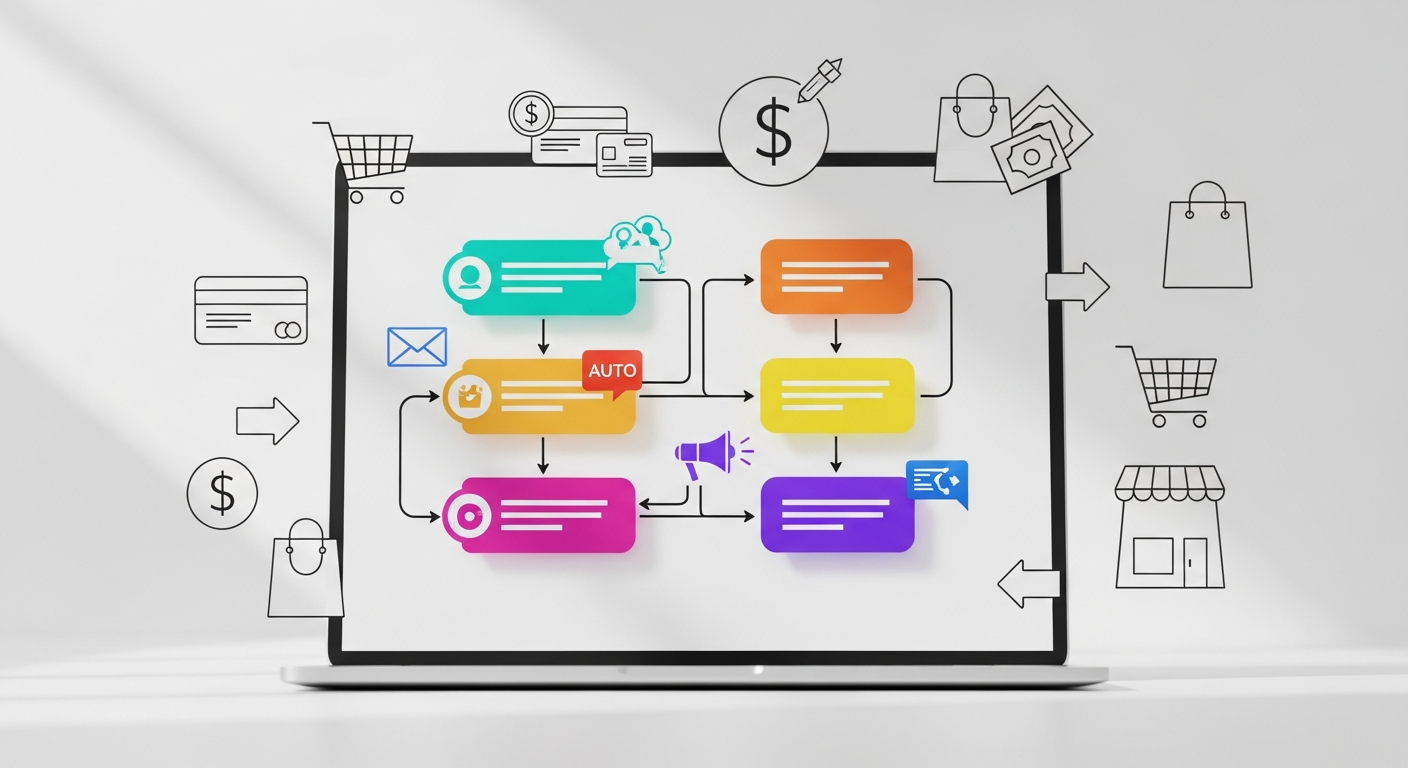
Marketing Automation for E-commerce is the use of specialized software tools and platforms to streamline, manage, and optimize marketing activities across multiple channels. These tasks include email marketing campaigns, social media scheduling, ad retargeting, SMS campaigns, personalized product recommendations, and more. Without automation, these activities can be time-consuming, error-prone, and difficult to scale effectively.
The power of Marketing Automation for E-commerce lies in its ability to trigger actions based on customer behavior and engagement. For example, when a shopper abandons a cart, the system can automatically send a personalized reminder or discount offer. When a customer browses a specific category, the platform can suggest relevant products in follow-up communications. This level of precision ensures that every interaction is timely, relevant, and designed to move customers along their buying journey.
Beyond efficiency, marketing automation transforms the customer experience. It allows e-commerce businesses to deliver highly personalized, consistent, and data-driven messaging that builds trust, increases engagement, and drives conversions. By automating repetitive workflows, businesses can focus on strategy, creativity, and optimizing customer journeys, while ensuring no opportunity is missed. In today’s competitive online retail environment, Marketing Automation for E-commerce is not just a convenience—it’s essential for scaling operations, improving ROI, and fostering long-term customer loyalty.
Why Does This Matter for E-commerce?
Convenience, customer experience, and speed are what the e-commerce industry is about. With competition so fierce and consumers changing preferences so quickly, businesses need a suite of tools that allow them to capture interest, warm leads, and then close sales with relentless precision. E-commerce businesses can benefit immensely from marketing automation, where they can:
- Keep up with your customer through tailored communication.
- Eliminate manual workflows and streamline the process.
- Understand how your audience thinks and feels.
Advantages of E-commerce Marketing Automation
Increased Efficiency
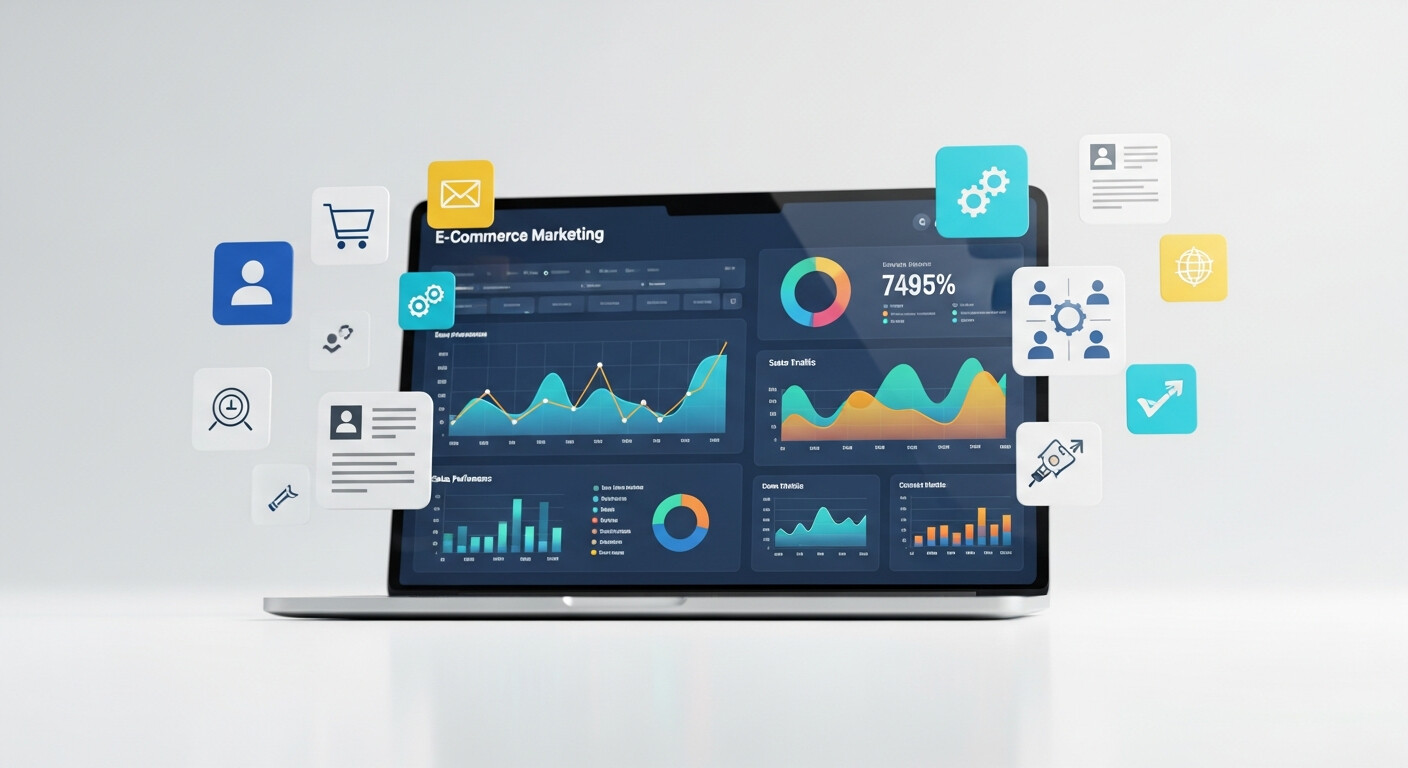
One of the most noticeable advantages of Marketing Automation for E-commerce is the dramatic improvement in operational efficiency. Automation takes care of repetitive and time-consuming tasks such as scheduling emails, sending promotional messages, posting to social media, and managing customer follow-ups. Instead of handling these tasks manually, marketers can plan entire campaigns in advance and allow workflows to run automatically. For more about operational growth, see E-commerce Platform Trends & Opportunities.
By streamlining these processes, e-commerce marketing automation reduces the risk of human error, ensures consistency across channels, and frees up valuable time for strategic planning, creative optimization, and growth-focused initiatives. Many businesses report saving hours each week while maintaining higher campaign accuracy and performance.
Individualized Experience for the Customer
Personalization is a powerful competitive advantage in online retail, and Marketing Automation for E-commerce makes it scalable. Automation platforms collect and analyze customer data, including browsing behavior, purchase history, engagement patterns, and preferences. This data enables brands to deliver highly relevant product recommendations, personalized emails, and timely messages tailored to each shopper’s journey. For strategies on customer engagement, check out How Empathy Marketing Transforms CRM.
For example, automated abandoned cart emails are widely used to recover lost sales by reminding customers of products they’ve shown interest in—often paired with personalized incentives. With e-commerce marketing automation, businesses can reach customers at the right moment with the right message, increasing engagement and building long-term loyalty.
Improved Conversion Rates
By delivering personalized, timely, and behavior-triggered messages, Marketing Automation for E-commerce significantly improves conversion rates. Trigger-based workflows—such as emails sent after a product view, wishlist update, or completed purchase—guide customers smoothly through the buyer’s journey.
These automated touchpoints nurture leads, reduce friction in the purchasing process, and encourage repeat purchases. As a result, e-commerce marketing automation not only helps convert prospects into buyers but also maximizes customer lifetime value and overall revenue growth.
Crucial Marketing Automation Techniques for E-commerce
That said, below are 4 practical marketing automation tactics specifically crafted for e-commerce businesses:
Email Marketing
Email marketing is still one of the most powerful ways to nurture leads and retain customers. With Automation, you’re able to create:
- Welcome Emails
- Cart Abandoned Email
- After Purchase Follow-Up
For example, an e-commerce company could automatically send a customer a voucher for their next purchase following their first purchase.
SMS Marketing
SMS Marketing is the direct way to reach your customers. You can automate:
- Flash sale notifications
- Delivery updates
- Special offers for our loyal customers
Open rates upwards of 98% mean SMS has real-time, high engagement. You may, however, we should warn you against abusing this channel as you may end up pissing off your audience.
Social Media Marketing
With Marketing Automation for E-commerce, you don’t need to be active on every social platform around the clock to stay visible. Automation tools allow you to schedule, publish, and distribute content across multiple social media channels in advance, ensuring consistent brand presence without manual effort.
Beyond posting, e-commerce marketing automation supports smarter customer engagement through AI-powered chatbots and automated messaging. These tools can instantly respond to common customer inquiries about product availability, pricing, shipping, and order status—helping capture leads and reduce response times. By automating routine interactions, brands can improve customer experience while freeing up support teams to focus on high-value conversations.
Automation tools let you schedule and publish posts, respond with AI chatbots, and engage customers consistently without manual effort. Learn more in Leveraging Social Commerce for Ecommerce.
Retargeting Ads
Not every visitor converts on their first visit, and that’s where Marketing Automation for E-commerce truly shines. Automated retargeting campaigns help re-engage users who have previously interacted with your website—such as viewing a product, adding items to their cart, or abandoning checkout.
Using platforms like Google Ads, Facebook Ads, and other paid media tools, e-commerce marketing automation enables you to automatically display relevant product ads to these users across search engines and social media. Personalized retargeting keeps your brand top of mind, increases return visits, and significantly improves conversion rates by reminding shoppers of products they already showed interest in.
Top Marketing Automation Software for E-commerce
There are a few marketing automation software providers that focus on e-commerce companies. Here’s a quick overview of some of the most popular options:
Klaviyo
Popular among e-commerce marketers, Klaviyo specializes in sending targeted emails and text messages. It provides powerful integrations with leading e-commerce solutions, such as Shopify, which leads to customer insights based on amassing data around the customer.
HubSpot
Famous for ease of use, HubSpot brings together email marketing, CRM, and analytics in a powerful package. It is best for small to medium-sized businesses looking for an all-in-one solution.
Omnisend
Omnisend is an all-in-one multi-channel marketing automation platform. With email, SMS, and push notifications you you can create hyper-targeted omnichannel campaigns.
Active Campaign
Active Campaign provides advanced segmentation and personalization capabilities, so it’s perfect for businesses that need to be able to whittle down on targeting. You will receive a drag and drop automation builder for an easy start.
How To Introduce Marketing Automation In Your E-Commerce Business
Get a sense of your requirements
Before investing in any Marketing Automation for E-commerce solution, take time to clearly define the outcomes you want to achieve. Are you focused on increasing cart conversions through abandoned cart emails and personalized product recommendations? Or is your primary goal to improve customer retention with automated post-purchase follow-ups, loyalty rewards, and re-engagement campaigns?
By identifying your core objectives—such as boosting average order value, reducing cart abandonment, or increasing repeat purchases—you can align your automation strategy with measurable business goals. This clarity ensures that your e-commerce marketing automation efforts deliver real ROI rather than adding unnecessary complexity.
Choose the Right Tool
Not all automation platforms are built the same. When selecting a Marketing Automation for E-commerce tool, prioritize solutions that align with your business size, growth plans, and existing tech stack. Seamless integration with your e-commerce platform, CRM, and analytics tools is critical.
For example, Shopify merchants often choose Klaviyo because of its deep Shopify integration, advanced segmentation, and data-driven email and SMS automation capabilities. The right tool should allow you to automate workflows, track customer behavior in real time, and optimize campaigns without heavy manual effort.
Identifying/Segmenting Your Customers
Customer segmentation is the backbone of effective Marketing Automation for E-commerce. Instead of sending the same message to everyone, segment your audience based on factors such as purchase history, browsing behavior, geographic location, engagement level, and personal preferences.
Modern e-commerce marketing automation tools analyze customer data and automatically place users into highly targeted segments. This enables you to deliver personalized messages, product recommendations, and offers with laser accuracy—leading to higher open rates, better conversions, and stronger customer loyalty.
Automate Workflows
Task automation should form the backbone of your plan. Develop workflows for common triggers like:
- Sending a welcome email upon signing up
- Launching an SMS chat for abandoned carts
- Cross-sell products after the sale
Monitor and Optimize
Launching your workflows is only the beginning. To get the most value from Marketing Automation for E-commerce, it’s essential to continuously monitor and optimize campaign performance. Once your automated workflows go live, analyze key performance metrics such as email open rates, click-through rates, conversion rates, and revenue generated per campaign.
Modern e-commerce marketing automation platforms provide real-time dashboards and detailed analytics that reveal how customers interact with your messages at each stage of the buyer’s journey. Use these insights to fine-tune subject lines, messaging, timing, triggers, and audience segmentation. Ongoing optimization ensures your automation remains relevant, improves engagement, and consistently drives higher conversions and long-term growth.
How Marketing Automation Supports E-commerce Sales Funnels
Marketing automation plays an important role at every stage of the e-commerce sales funnel, from initial awareness to final conversion and long-term retention. At the top of the funnel, automated campaigns help attract and educate potential customers through welcome messages, educational content, and product discovery emails that introduce the brand and build trust.
As prospects move further down the funnel, automation helps nurture interest and intent. Behavior-based workflows can respond to actions such as product views, category browsing, or wish list activity by delivering relevant follow-ups, recommendations, and timely reminders. These touchpoints keep the brand top of mind while addressing common objections that may prevent a purchase.
At the conversion stage, automation reduces friction and hesitation by triggering abandoned cart messages, limited-time offers, or personalized incentives that encourage shoppers to complete their purchase. After conversion, automation continues to support retention through post-purchase communication, onboarding content, replenishment reminders, and loyalty-focused messaging.
Predicting the Future of Marketing Automation for Ecommerce
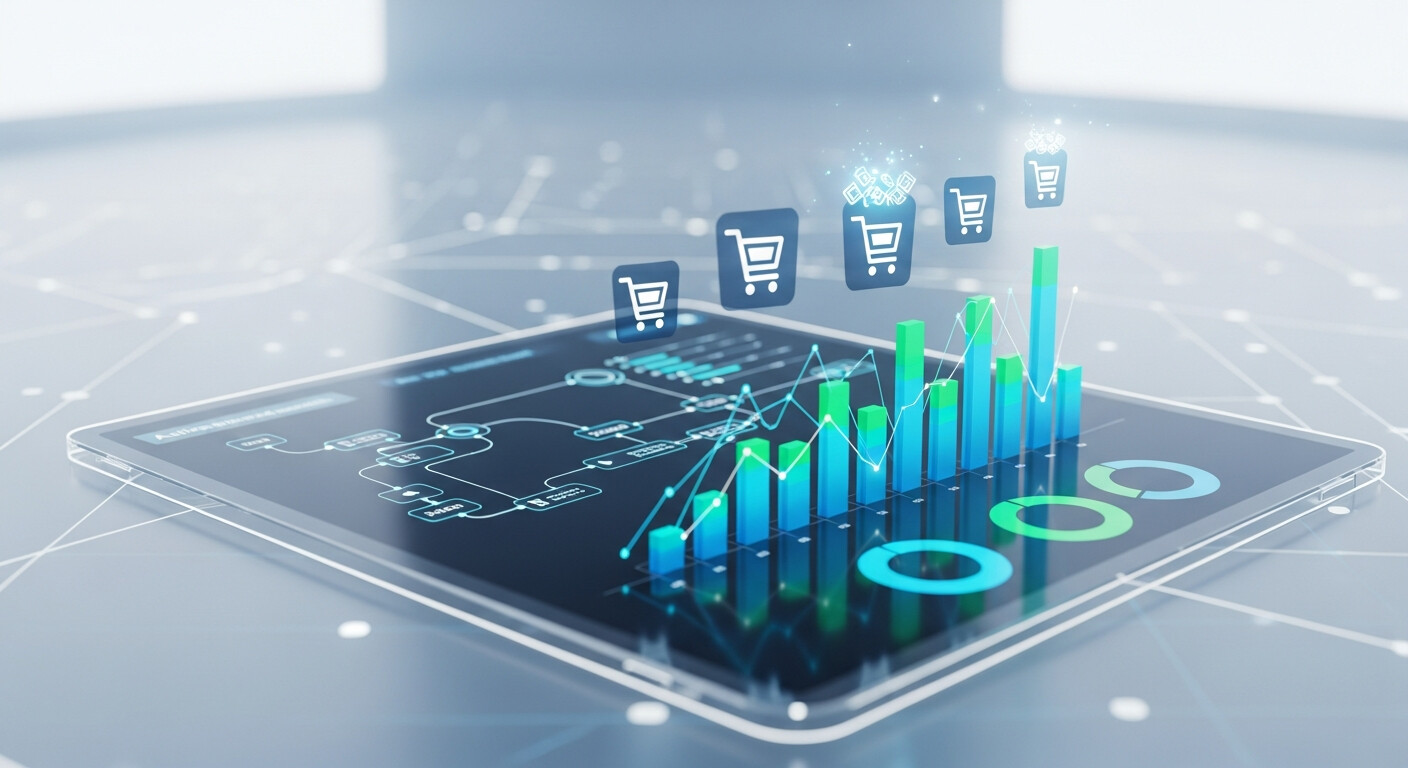
Marketing automation isn’t a trend; it’s a necessity if e-commerce businesses want to stay competitive. In the coming years, the next advancements in AI and machine learning will take automation to new heights. From conversational AI chatbots to predictive analytics predicting customer queries before they come, the future looks bright for the company willing to disrupt.
As education technology evolves, artificial intelligence is playing a more central role in reshaping how students learn and how institutions operate. For a comprehensive look at this shift, see our article on How Artificial Intelligence Is Transforming Education, which explores real-world use cases, benefits, and potential challenges of AI in schools and universities.
Frequently Asked Questions (FAQ)
What is Marketing Automation for E-commerce?
Marketing Automation for E-commerce uses software tools and platforms to manage, automate, and optimize marketing campaigns across multiple channels. It helps e-commerce businesses engage customers efficiently, improve conversions, and deliver personalized experiences at scale.
How does Marketing Automation improve customer experience?
Automation allows businesses to deliver timely, relevant, and personalized messaging, from cart reminders to product recommendations. This level of personalization increases satisfaction, builds loyalty, and encourages repeat purchases.
Which e-commerce businesses benefit most from Marketing Automation?
Any online retailer can benefit, but it is particularly valuable for businesses with high customer volumes, diverse product catalogs, or repeat-purchase opportunities. Automation helps manage scale while maintaining personalized engagement.
Can small e-commerce businesses use Marketing Automation?
Yes. Even small stores can leverage automation tools to streamline workflows, nurture leads, and increase conversions. Affordable platforms like Klaviyo, Omnisend, or HubSpot provide scalable solutions for businesses of all sizes.
What metrics should be tracked to measure the success of Marketing Automation?
Key metrics include email open and click-through rates, conversion rates, abandoned cart recovery, customer lifetime value, repeat purchase rates, and engagement across automated campaigns. These metrics help optimize workflows and improve ROI.
Is Marketing Automation replacing human interaction in e-commerce?
Not entirely. Automation handles repetitive, data-driven tasks, allowing human teams to focus on strategy, customer service, and creative campaigns. The combination of automation and human touch delivers the best customer experience.