Mastering E-commerce Online Marketing
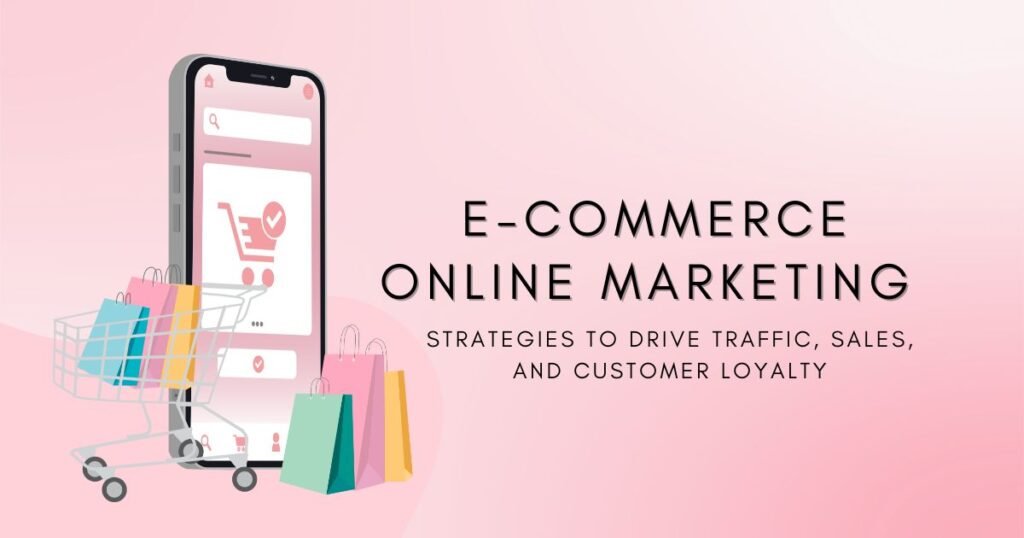
This guide covers the core strategies businesses need to succeed online, including audience research, SEO, social media, email marketing, and paid advertising. It highlights the importance of data-driven decisions, personalization, and continuous optimization to attract high-intent traffic and increase conversions. Ultimately, Mastering E-commerce Online Marketing helps brands build stronger customer relationships, adapt to emerging trends, and achieve sustainable growth.
Knowing Who You’re Talking To

You’ll likely be familiar with the age-old principle that underpins every successful marketing effort: truly understanding your audience. This rule is especially critical when it comes to online marketing for e-commerce, where customer attention is limited and competition is fierce. Mastering E-commerce Online Marketing begins with knowing exactly who you are speaking to—their needs, preferences, pain points, and buying motivations—so you can create relevant, personalized campaigns that resonate in a competitive digital landscape shaped by shifting consumer behavior and market dynamics, as explored in E-Commerce Markets: Trends, Opportunities & Growth.
By investing time in audience research, you can move beyond generic promotions and build meaningful customer relationships. Detailed audience insights allow you to deliver targeted messaging, recommend the right products at the right time, and foster long-term loyalty. In short, understanding your audience isn’t just a marketing tactic—it’s the foundation of mastering e-commerce online marketing and driving sustainable growth.
Critical to identifying your audience are 3 steps:
Create a Customer Persona
Create detailed customer profiles that go beyond basic assumptions. A strong customer persona should include key demographics such as age, location, income level, and occupation, as well as deeper insights into interests, challenges, motivations, and purchasing behavior. Are your customers actively seeking eco-friendly products? Are they willing to pay a premium for quality, sustainability, or convenience? These details help you understand not just who your audience is, but why they buy.
Mastering E-commerce Online Marketing relies heavily on this level of clarity. When your customer personas are well-defined, you can craft targeted messaging, select the right marketing channels, optimize product positioning, and personalize campaigns that speak directly to your audience’s needs. The more accurately you define your ideal customer, the more effective and scalable your e-commerce marketing efforts become.
Leverage Analytics
While no analytics tool can fully capture the complexity of human behavior, platforms like Google Analytics, Shopify Analytics, and Facebook Insights provide valuable data that reveals how your audience interacts with your brand. These tools track essential information such as age, location, gender, device usage, traffic sources, and on-site behavior patterns, giving you a clearer picture of what drives engagement and conversions.
Mastering E-commerce Online Marketing means knowing how to interpret and act on this data. By analyzing audience behavior and performance metrics, you can tailor product recommendations, personalize promotions, refine targeting, and optimize campaigns to match customer intent. When data guides your decisions, your marketing efforts become more relevant, efficient, and impactful.
Survey Your Customers
Why aren’t customers completing checkout? Which products are they actively searching for but can’t find? The most effective way to uncover these answers is simple—ask them directly. Customer surveys, feedback forms, and post-purchase questionnaires are powerful tools for gathering honest, action-oriented insights. They help you identify friction points in the buying journey, understand objections, and uncover unmet needs that analytics alone may not reveal.
This direct feedback plays a critical role in mastering e-commerce online marketing. When combined with behavioral data, customer insights allow you to refine messaging, improve user experience, optimize pricing strategies, and develop campaigns that truly resonate. With a deep, well-rounded understanding of your audience, you gain a strong foundation to confidently execute, test, and scale every e-commerce marketing strategy your business needs to grow.
The Ultimate Guide For E-commerce SEO
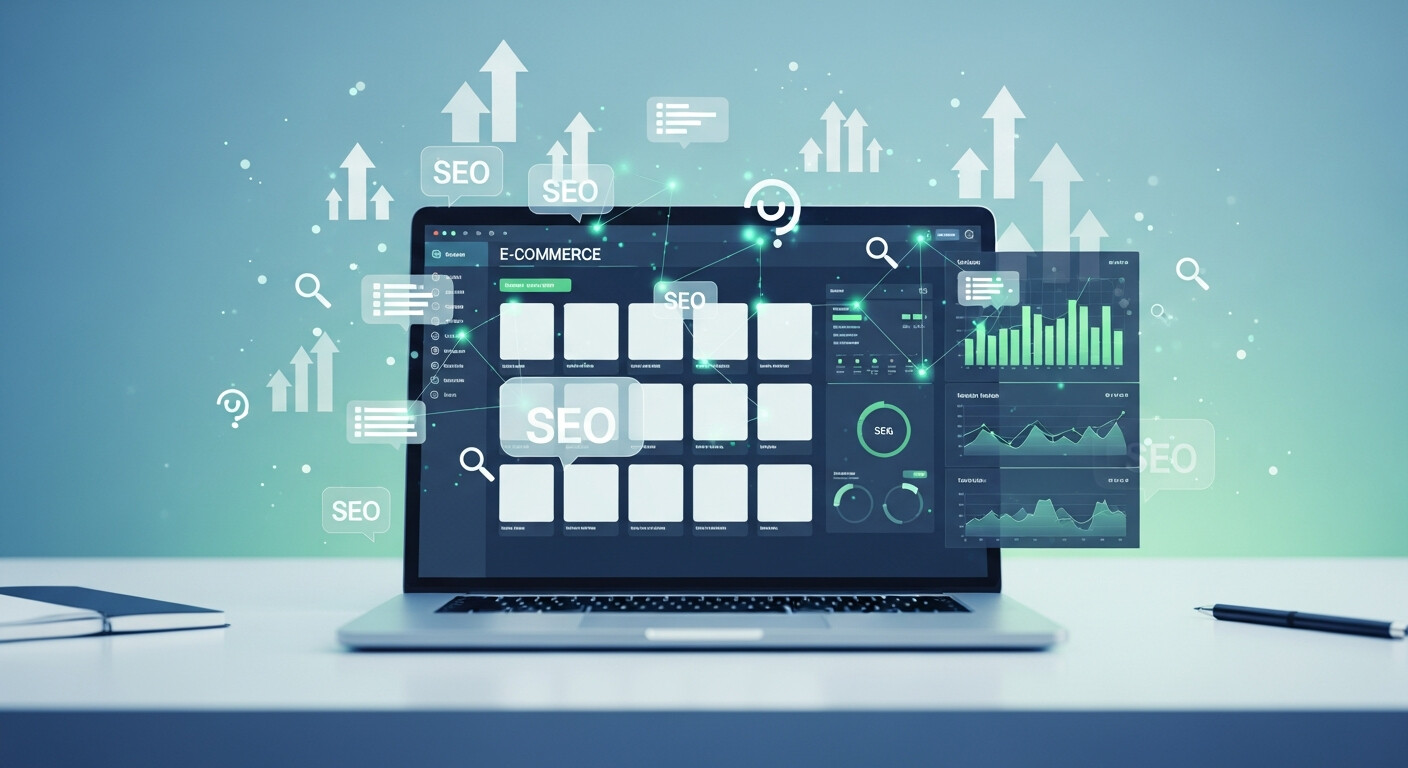
SEO plays a vital role in helping e-commerce stores rank higher on search engine results pages, driving consistent and high-intent organic traffic to your website. Since more than 40% of online transactions begin with a search query, visibility in search results directly impacts sales, brand awareness, and long-term growth. Without a strong SEO strategy, even the best products can remain undiscovered, resulting in lost traffic and missed revenue opportunities.
Mastering E-commerce Online Marketing requires treating SEO as a foundational strategy rather than an afterthought. From keyword optimization and technical performance to content relevance and user experience, effective SEO ensures your store is positioned in front of customers exactly when they’re ready to buy. When executed correctly, SEO delivers sustainable traffic, higher conversion potential, and measurable returns over time.
E-commerce SEO Tips
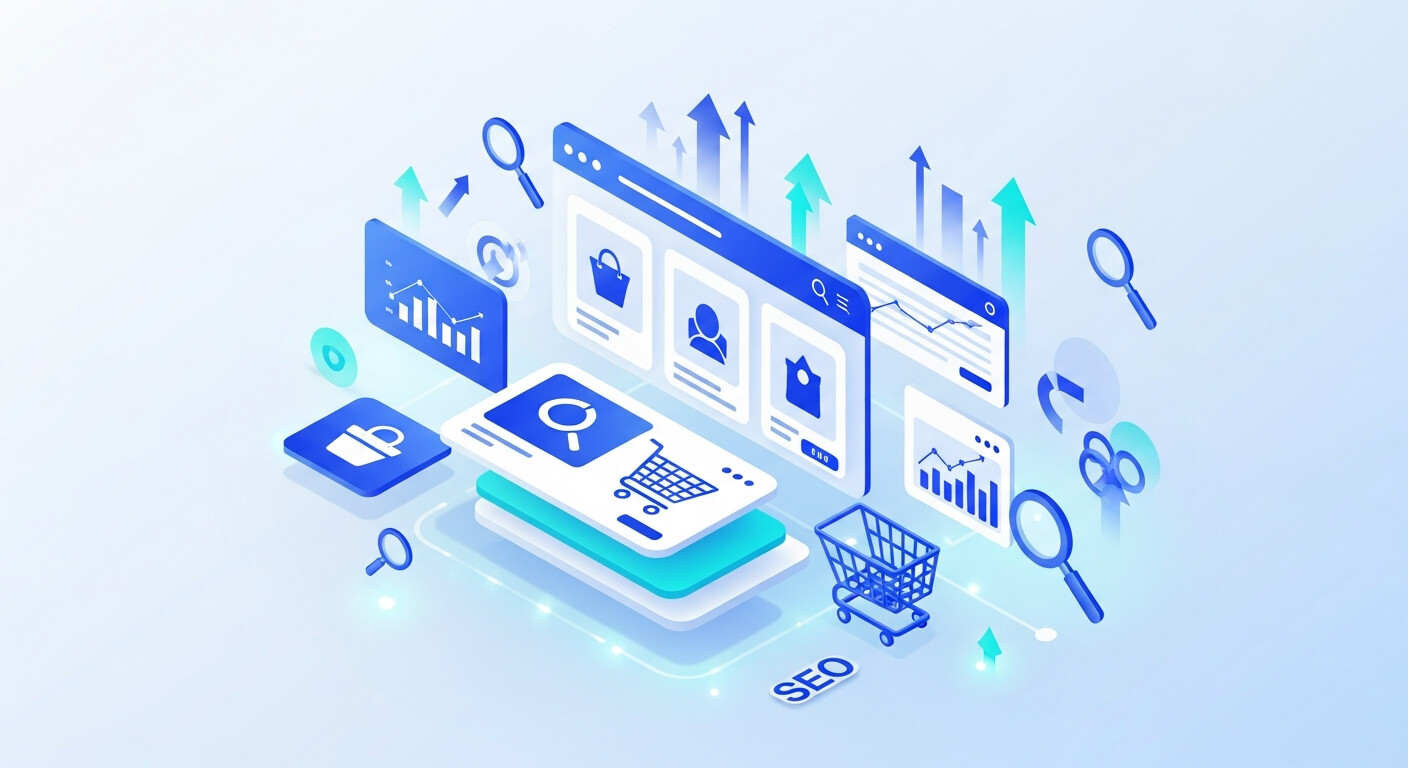
Search engine optimization is a core pillar of mastering e-commerce online marketing, helping your store attract high-intent traffic and convert visitors into customers. Below are key SEO practices every e-commerce business should implement:
Optimize Product Descriptions
Write unique, in-depth product descriptions that clearly explain features, benefits, and use cases while naturally incorporating relevant target keywords. Avoid duplicating content across product pages, as duplicate content can hurt rankings and dilute search visibility. Well-written descriptions not only improve SEO but also help shoppers make confident purchasing decisions.
Use High-Resolution Images and Alt Text
High-quality product images enhance user experience and trust, but they also play an important role in SEO. Always add descriptive alt text to images to improve accessibility and help search engines understand your content. Optimized images can improve page rankings and increase visibility in image search results.
Prioritize Website Speed
Slow-loading websites significantly reduce conversions and increase bounce rates. Use tools like Google Page Speed Insights to identify performance issues and optimize images, scripts, and hosting. Fast-loading pages are essential for user experience and are a key ranking factor in mastering e-commerce online marketing.
Target Long-Tail Keywords
Instead of competing for broad, highly competitive keywords like “men’s shoes,” focus on long-tail keywords such as “best waterproof hiking shoes for men.” These keywords attract more qualified traffic with stronger purchase intent, resulting in higher conversion rates.
Keep in mind that SEO is not an instant solution. It requires ongoing optimization, content updates, and performance monitoring. Consistent effort and data-driven adjustments are essential components of mastering e-commerce online marketing and achieving sustainable growth.
Strategy for Social Media Marketing
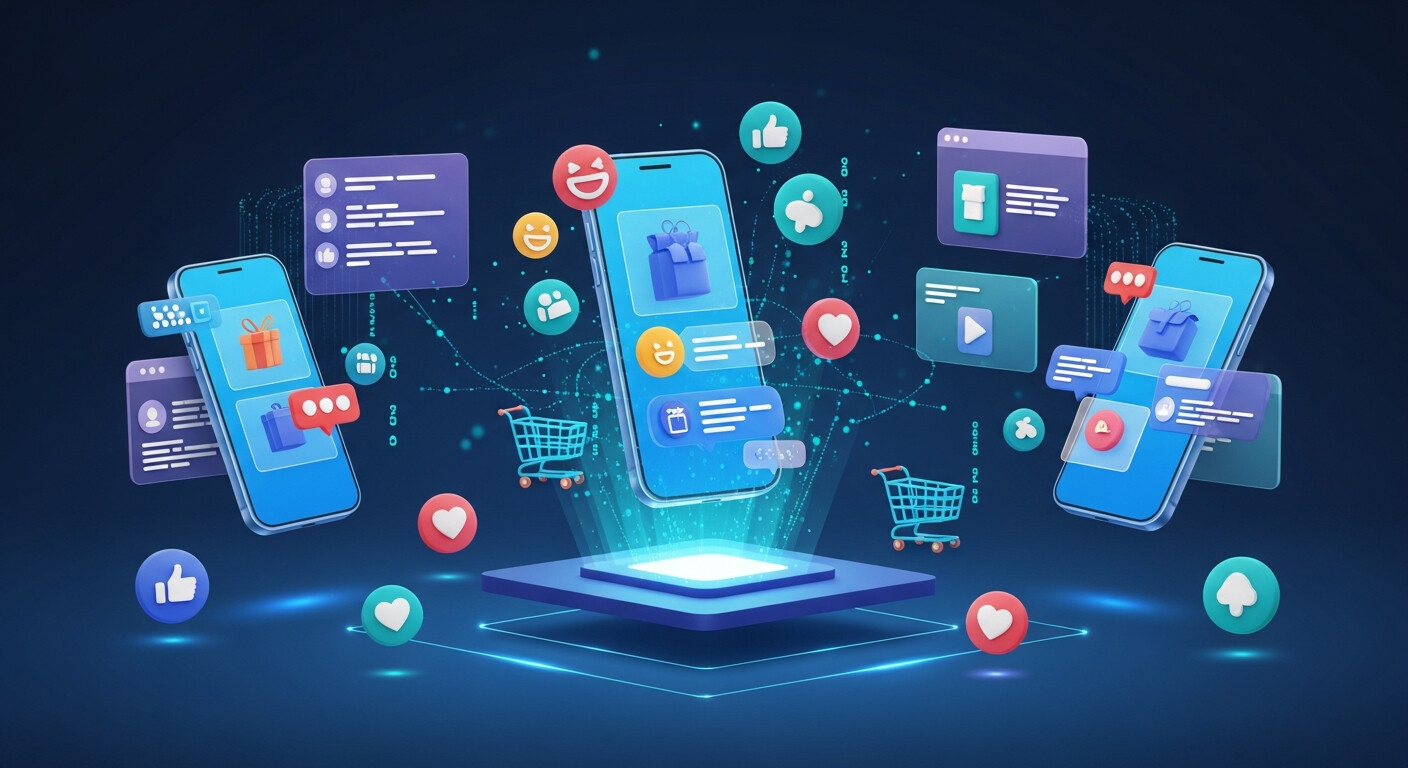
Social media has become the driving force behind modern e-commerce online advertising, giving brands direct access to millions of potential customers across multiple platforms. Channels such as Instagram, Facebook, and TikTok are particularly powerful for visual storytelling, allowing businesses to demonstrate products in real-life scenarios, highlight user-generated content, and build authentic relationships with their audience. These platforms enable brands to spark conversations, encourage sharing, and create a sense of community around their products.
Mastering E-commerce Online Marketing means leveraging social media not just as a promotional tool, but as a space for engagement and trust-building. By combining compelling visuals, interactive content, and consistent communication, businesses can strengthen brand loyalty, increase visibility, and turn social interactions into meaningful customer connections that drive long-term growth.
How you can be successful on social media:
Invest in Visual Content
High-quality, eye-catching images and videos are essential for standing out on visually driven platforms like Instagram and TikTok. Showcase your products from multiple angles, highlight real-world use cases, and experiment with short-form videos, reels, and behind-the-scenes content to capture attention and build trust. Strong visuals not only increase engagement but also influence purchase decisions.
Use Shoppable Posts
Platforms such as Instagram, Facebook, and Pinterest now allow users to shop directly from posts, stories, and videos. Shoppable content reduces friction in the buying journey by minimizing clicks between discovery and checkout. By tagging products in your posts, you make it easier for users to explore pricing, details, and complete purchases instantly.
Collaborate with Influencers
Influencer partnerships can significantly expand your reach and credibility. Choose influencers whose audience aligns with your target market and whose values reflect your brand identity. Authentic collaborations—such as product reviews, tutorials, or unboxing videos—often perform better than traditional ads and help build social proof.
Stay Consistent and Authentic
Consistency is key to building visibility and trust on social media. Post regularly, respond to comments and messages, and engage with your audience in a genuine way. Avoid sounding overly promotional—show the human side of your brand by sharing stories, user-generated content, and interactive posts alongside your product promotions.
Campaigns with added social media flair can send your sales soaring and make your brand a darling of your followers.
5 Tips for Email Marketing Success
Email marketing is also one of the most affordable e-commerce online marketing strategies. Email marketing generally provides $36 in return for every $1 spent. It’s ideal for re-engaging leads, getting more out of past customers, and promoting repeat purchases.
How to Supercharge Your Email Marketing:
- Personalize Your Emails:
Customize emails based on customer names and their past purchasing history. Emails with personalized subject lines are 26% more likely to be opened. - Create Automated Campaigns:
Establish email flows for welcome series, abandoned carts, and post-purchase follow-up. The great thing about these automation tools is that they can work for you while you’re sleeping! - Segment Your List:
Segment your email list based on purchase behavior, location, titles, or interests to optimize your campaigns. - Add Enticing CTAs:
Always have strong CTAs, such as: “Shop Now,” “Claim Your Discount,” and “View Our Bestsellers.”
Once mastered, you will have a powerful business tool, a suite of ‘Silent Salesmen’ in your pocket to create ongoing contact with your customers and keep them coming back.
Paid Advertising Campaigns
The best shortcut to generating traffic is paid advertising. These campaigns, whether through Google Ads, Facebook Ads, or the ad platform of TikTok, can yield immediate results.
Best Practices for Paid Ads:
- Define Your Goals:
Do you want to create a brand, generate leads, or sell something? Know your goals before you run an ad. - Use Retargeting:
Retarget users who have engaged with your site but have not converted. A return on investment is usually higher with retargeting ads. - Focus on Product Visuals:
Stand-out visuals with few words are effective, especially in Facebook and Instagram feeds. - Track Results:
Track the performance of ads with tools such as Google Analytics, Facebook’s Business Suite, or UTM tracking links. Then fine-tune and optimize from there?
Paid ads take a budget and watchful eyes, but when set up correctly, they’re very effective for scaling e-commerce businesses.
Reviewing and Enhancing Your Results
E-commerce isn’t static. You have to always evaluate and get better to stay ahead of the game.
Tools You’ll Need:
Google Analytics
Monitor where your traffic is coming from, how customers interact with your website, and which actions lead to conversions.
Hotjar
Understand user behavior through heatmaps, session recordings, and on-site feedback to identify friction points and optimization opportunities.
Klaviyo or Mailchimp
Analyze and improve the performance of your e-commerce email campaigns, including automation flows, segmentation, and customer engagement metrics.
Marketing Automation for E-commerce: Strategies, Tools, and Implementation
Leverage automation tools to streamline repetitive marketing tasks such as email workflows, customer segmentation, lead nurturing, and personalized messaging—helping you scale campaigns efficiently while improving customer experience. A well-planned approach to automation, as outlined in Marketing Automation for E-commerce: Strategies, Tools, and Implementation, enables businesses to operate more efficiently while delivering timely, relevant interactions across the customer journey.
Facebook Ads Manager, Google Ads, etc
Track paid advertising performance, test creatives, refine targeting, and optimize campaigns to maximize return on ad spend.
If you want this:
And beyond platforms, schedule regular quarterly reviews and A/B testing. What’s resonating? What isn’t? Leverage big data to adjust to market changes and customers’ demands.
Prepare Your Marketing Strategy for the Future
The rapid pace of technological advancement makes adaptability essential for businesses aiming to stay competitive. Automation, artificial intelligence, and voice-driven search are shaping the next evolution of digital commerce, changing how customers discover products and interact with brands. Mastering E-commerce Online Marketing means understanding how to leverage these technologies to improve personalization, streamline customer journeys, and deliver more relevant shopping experiences. Brands that proactively adopt and optimize for these emerging trends will gain a clear advantage in an increasingly crowded marketplace.
Although e-commerce online marketing may seem complex at first, success comes from breaking it into manageable, data-driven strategies. Start with small, measurable campaigns, evaluate performance consistently, and refine your approach based on real insights. Continuous testing and optimization are key components of mastering e-commerce online marketing, allowing businesses to identify what resonates most with their audience and scale effective tactics with confidence.
Looking for more practical insights? Upcoming articles will explore proven methods for mastering e-commerce online marketing and building sustainable online sales systems for growing businesses.
Referral marketing is another powerful growth channel when executed correctly. When promoted strategically, it can significantly expand your customer base and strengthen brand trust—making it a valuable addition to any long-term e-commerce marketing strategy.
Frequently Asked Questions (FAQs)
What is e-commerce online marketing?
E-commerce online marketing uses strategies like SEO, social media, email, and paid ads to promote products, attract customers, and increase online sales.
Why is e-commerce online marketing important?
It helps businesses stand out in a competitive market by driving traffic, improving conversions, and building long-term customer relationships.
How can I identify my target audience?
Create customer personas, analyze data from tools like Google Analytics or Shopify, and gather feedback through customer surveys.
How long does e-commerce SEO take to work?
SEO is a long-term strategy. Results typically appear within 3–6 months of consistent optimization.
Which marketing channel works best for e-commerce?
SEO, social media, email marketing, and paid ads work best together, each supporting different stages of the customer journey.
Is email marketing effective for e-commerce?
Yes. Email marketing offers high ROI and is ideal for personalized campaigns, abandoned cart recovery, and repeat purchases.