
The E-commerce Personal Care Product Market is Booming

Market Size and Growth Projections
The e-commerce personal care product market has reached unprecedented scale, with global revenues climbing steadily year over year. Industry analysts project continued robust growth through the next decade, driven by changing consumer behaviors and technological advancements.
Several factors contribute to this expansion. Mobile commerce has made purchasing personal care products more convenient than ever, while social commerce platforms allow consumers to buy products directly through Instagram, TikTok, and other social media channels. The pandemic accelerated these trends, with many consumers making their first online personal care purchases during lockdowns and continuing those habits afterward.
Geographic expansion also plays a significant role in market growth. Emerging markets in Asia-Pacific, Latin America, and Africa present enormous opportunities as internet penetration increases and disposable income rises. These regions often leapfrog traditional retail infrastructure, making e-commerce the primary channel for personal care product discovery and purchase.
Key Product Categories Driving Growth

Skincare Dominance
Skincare products consistently represent the largest segment within the e-commerce personal care product market. The category benefits from high repeat purchase rates, extensive product education content, and the ability to target specific skin concerns through online quizzes and consultations.
K-beauty and J-beauty trends have particularly thrived in e-commerce environments, where consumers can access detailed ingredient information and step-by-step routine guidance. Multi-step skincare regimens, which might seem overwhelming in physical retail settings, become more approachable through online tutorials and personalized recommendations.
Haircare Innovation
The haircare segment has seen remarkable innovation in the e-commerce space, particularly around customization and inclusivity. Brands now offer personalized shampoos and conditioners based on detailed questionnaires about hair type, concerns, and styling preferences.
Natural and textured hair care products have found particular success online, where consumers can access specialized products that may not be available in their local stores. Educational content around proper care techniques has built loyal communities around these brands.
Color Cosmetics Adaptation
Despite initial skepticism about buying makeup without testing colors in person, the color cosmetics segment has adapted remarkably well to e-commerce. Augmented reality for e-commerce shopping has addressed the color matching challenge, while detailed product descriptions and user-generated content help consumers make informed decisions.
Limited edition releases and influencer collaborations have created urgency and excitement around online makeup launches. Social media platforms serve as both discovery and purchase channels, streamlining the path from inspiration to transaction.
Consumer Behavior Shifts
The e-commerce personal care product market reflects broader changes in how consumers approach beauty and wellness. Research-driven purchasing has become the norm, with shoppers spending considerable time reading reviews, watching tutorials, and comparing ingredients before making decisions.
Subscription models have gained significant traction, offering convenience for routine purchases while introducing consumers to new products. These services often combine personalization algorithms with human curation, creating experiences that feel both high-tech and personal. Brands often integrate email marketing for e-commerce to boost subscription engagement.
Community-driven discovery has emerged as a powerful force. Consumers increasingly trust peer recommendations over traditional advertising, leading to the rise of user-generated content, review platforms, and social media communities centered around specific brands or product categories.
Technology and Innovation Trends

Personalization at Scale
Advanced data analytics and machine learning enable brands to offer increasingly sophisticated personalization in the e-commerce personal care product market. Recommendation engines analyze purchase history, browsing behavior, and even quiz responses to suggest products that align with individual preferences and needs. Check out our AI personalization in e-commerce guide for more.
Some companies have introduced diagnostic tools that use smartphone cameras to analyze skin conditions or hair health, providing product recommendations based on visual assessment. These technologies bridge the gap between online shopping and professional consultation.
Augmented Reality Integration
AR technology has addressed one of the primary barriers to online personal care purchases: the inability to test products before buying. Virtual try-on features for makeup, hair color visualization, and even skincare routine simulation have become increasingly sophisticated and widely adopted.
These tools not only reduce return rates but also increase consumer confidence in making online purchases. The gamification aspect of AR try-on features also increases engagement and social sharing, creating additional marketing value.
Sustainable Solutions
Environmental consciousness has become a major driver in the e-commerce personal care product market. Brands are innovating around sustainable packaging that ships well, refillable products that reduce waste, and transparent supply chain information that helps consumers make environmentally responsible choices. Learn more in our e-commerce packaging market growth report.
Subscription services have adapted by offering bulk purchasing options, concentrated formulas that reduce shipping frequency, and packaging take-back programs that create circular economy models.
Challenges and Opportunities
The e-commerce personal care product market faces several ongoing challenges that also represent opportunities for innovation. Product authenticity concerns have led to increased investment in supply chain transparency and anti-counterfeiting measures.
Customer acquisition costs continue to rise as competition intensifies across digital marketing channels. Successful brands are responding by focusing on customer lifetime value, building communities around their products, and developing unique value propositions that extend beyond individual products.
International expansion presents both opportunities and complexities. Regulatory differences, cultural preferences, and local competition require sophisticated market entry strategies. However, the potential rewards in emerging markets continue to attract investment and innovation.
The Future of Digital Beauty Retail

The e-commerce personal care product market shows no signs of slowing down. Emerging technologies like artificial intelligence, voice commerce, and even virtual reality promise to create new shopping experiences that further blur the lines between digital and physical retail.
Integration with health and wellness ecosystems represents a significant growth opportunity. As consumers increasingly view personal care as part of overall wellness routines, connections with fitness apps, sleep tracking, and nutrition platforms could create more holistic approaches to beauty and self-care.
The rise of social commerce will likely continue, with platforms developing more sophisticated shopping features that keep users within their ecosystems while enabling seamless transactions. Live shopping events, where consumers can interact directly with brand representatives and other shoppers, represent an evolution of traditional home shopping adapted for social media.
Subscription and Loyalty Models in E-Commerce
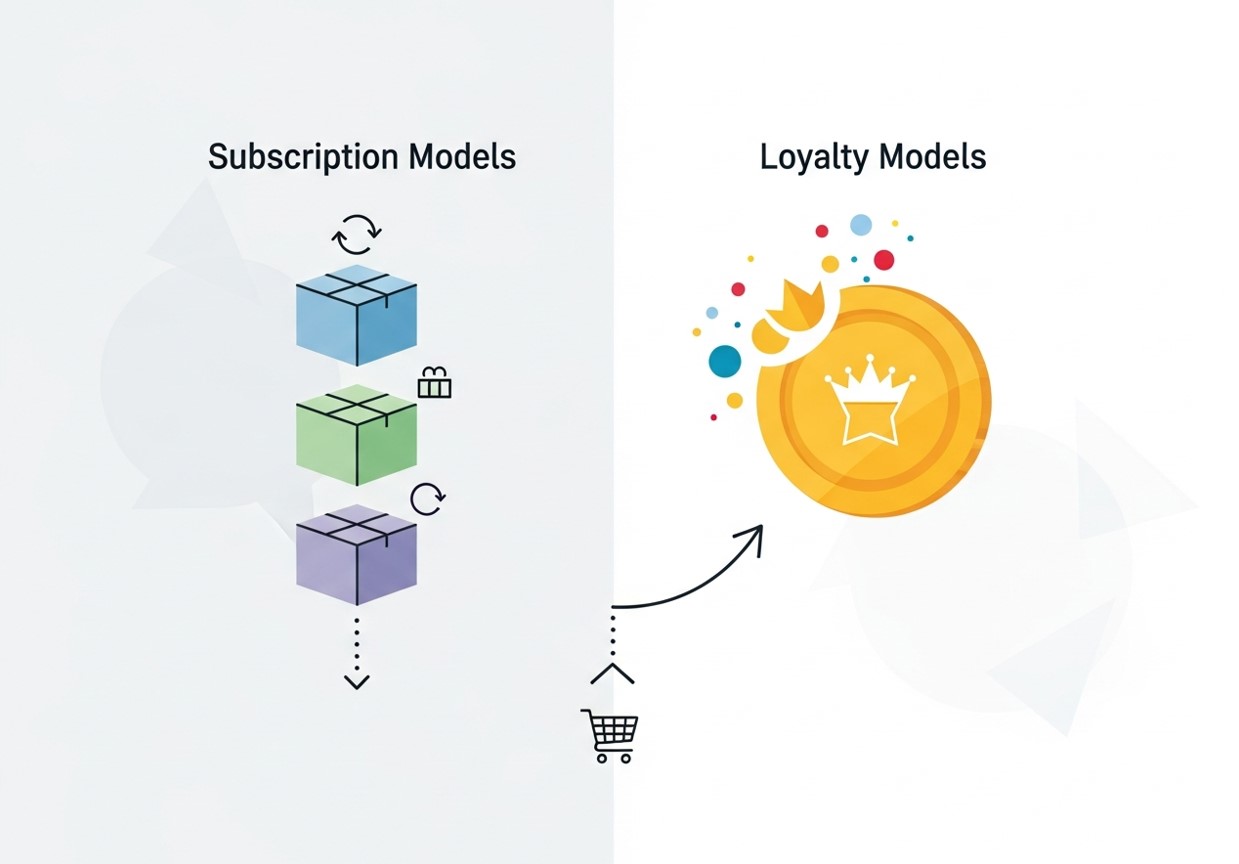
Subscription models have become increasingly prevalent in the personal care industry, offering convenience, predictability, and a sense of discovery. Monthly skincare boxes, replenishment subscriptions for everyday products, and curated wellness kits create recurring revenue streams while keeping consumers engaged with the brand.
Successful subscription services often pair convenience with personalization. By leveraging AI and customer data, brands can tailor each box or shipment to a user’s preferences, introducing new products alongside trusted favorites. Loyalty programs further incentivize repeat purchases by rewarding engagement, referrals, and social sharing.
These models also foster long-term relationships between consumers and brands, turning one-time buyers into brand advocates. For companies navigating high competition in the digital space, subscription and loyalty initiatives are powerful tools for differentiation and retention.
The Rise of Direct-to-Consumer Brands
One of the most notable trends in the e-commerce personal care product market is the dominance of direct-to-consumer brands. By bypassing traditional retail channels, DTC brands can establish a closer relationship with their audience, control their brand narrative, and gather first-party data to optimize marketing and product offerings.
DTC brands often leverage storytelling and social proof to differentiate themselves in a crowded market. Transparent ingredient lists, eco-conscious packaging, and authenticity in brand messaging resonate strongly with consumers who are increasingly skeptical of traditional advertising. Social media campaigns, influencer collaborations, and community-driven engagement help these brands cultivate loyal customer bases that feel personally connected to their mission.
This model also allows for more agile innovation. Brands can test new products, gather feedback in real-time, and iterate quickly without the logistical constraints of brick-and-mortar distribution. For established players looking to compete with DTC startups, investing in digital-first strategies has become essential to remain relevant in the online personal care ecosystem.
Data-Driven Marketing and Analytics
The e-commerce environment provides an abundance of data that brands can leverage to optimize performance across all touchpoints. Click-through rates, conversion metrics, dwell time, and customer feedback provide actionable insights that inform both marketing strategy and product development.
Personal care brands increasingly rely on analytics to test pricing strategies, advertising creatives, and website UX. A/B testing of landing pages, email campaigns, and checkout flows allows brands to understand what resonates best with their target audience and optimize for maximum engagement and conversions.
Additionally, predictive analytics enables brands to forecast demand, manage inventory, and reduce the risk of stockouts or overproduction. By marrying data insights with creative storytelling, brands can achieve a delicate balance between personalization, engagement, and operational efficiency.
Global Expansion Strategies
The e-commerce personal care market offers massive opportunities for international growth, but success requires understanding regional nuances. Consumer preferences, regulatory standards, payment infrastructure, and shipping logistics vary widely across markets.
For example, skincare products in East Asia often emphasize hydration and brightening, while Western consumers may prioritize anti-aging or clean beauty formulations. Regulatory compliance, especially concerning ingredients and marketing claims, is critical to avoiding legal complications and building consumer trust.
Localization of content, language, and customer support is also vital. Providing culturally relevant marketing materials, local influencers, and region-specific promotions increases adoption and reduces friction in new markets. Brands that invest in thoughtful, research-driven global strategies can tap into the rising middle class in emerging markets while maintaining a consistent global brand identity.
Building Success in Digital Beauty Commerce
For brands looking to succeed in the e-commerce personal care product market, authenticity and education have become essential differentiators. Consumers expect detailed ingredient information, usage instructions, and honest discussions about product benefits and limitations.
Community building extends far beyond customer service into creating spaces where consumers can share experiences, learn from each other, and feel connected to brand values. The most successful digital-first beauty brands invest heavily in content creation, user-generated content programs, and community management.
Data-driven decision making enables rapid iteration and improvement. The e-commerce environment provides unprecedented access to consumer behavior data, allowing brands to quickly test new products, adjust marketing strategies, and optimize user experiences based on real performance metrics.
The e-commerce personal care product market represents a fundamental shift in how beauty and wellness products reach consumers. Success requires understanding not just what products people want, but how they prefer to discover, evaluate, and purchase those products in digital environments. As technology continues to evolve and consumer expectations rise, the brands that thrive will be those that can seamlessly blend convenience, personalization, and community in their digital experiences.
Frequently Asked Questions (FAQ)
What drives growth in the e-commerce personal care product market?
Growth is fueled by mobile commerce, social media influence, subscription models, AI personalization, and global internet penetration. Consumers increasingly seek convenience, education, and community engagement.
How are brands overcoming the inability to test products online?
Augmented reality, virtual try-on tools, and detailed tutorials allow consumers to visualize results before purchasing, reducing returns and building confidence.
Why is personalization critical in digital beauty commerce?
Personalization ensures product recommendations align with individual preferences, needs, and behaviors, improving engagement, conversion, and loyalty.
What role do subscription services play in the market?
Subscriptions create recurring revenue, increase convenience, and foster loyalty. They often include personalized curation that introduces consumers to new products.
How do influencers impact consumer behavior?
Influencers provide authentic recommendations, social proof, and discoverable content that heavily influences purchase decisions, particularly among younger demographics.
What sustainability trends are emerging in the e-commerce personal care space?
Brands are adopting eco-friendly packaging, refillable products, cruelty-free formulations, and transparent supply chains to meet consumer expectations and differentiate themselves.
Is global expansion feasible for e-commerce personal care brands?
Yes, but it requires careful research into local preferences, regulatory compliance, and localization of marketing, content, and customer support.