The Ultimate Guide to Email Marketing for E-commerce
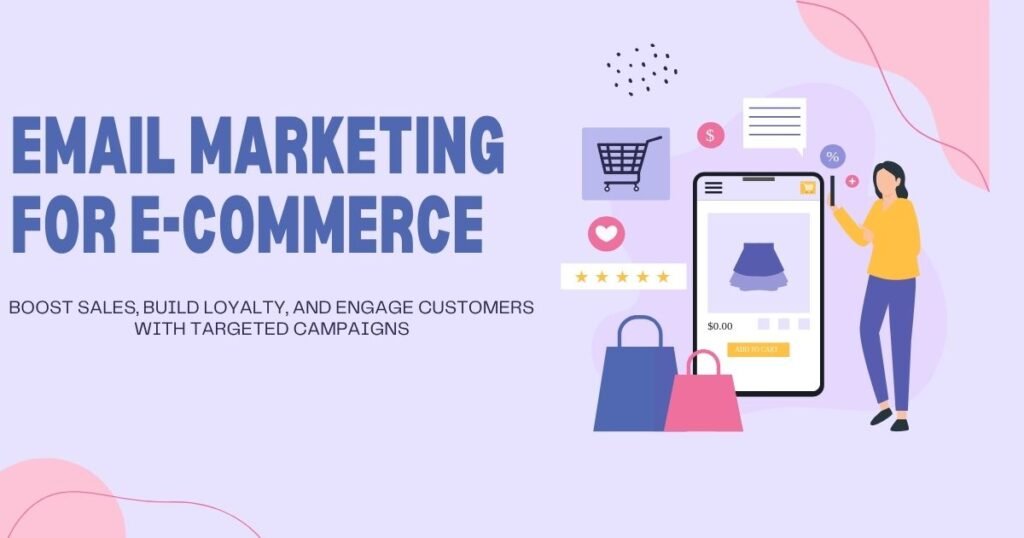
Email marketing helps e-commerce brands drive sales by building a quality subscriber list, sending targeted messages, and using automation to engage customers at the right time. With strong content, smart segmentation, and ongoing optimization, email becomes a reliable long-term revenue channel.
Building an Email List: Strategies for E-commerce Businesses
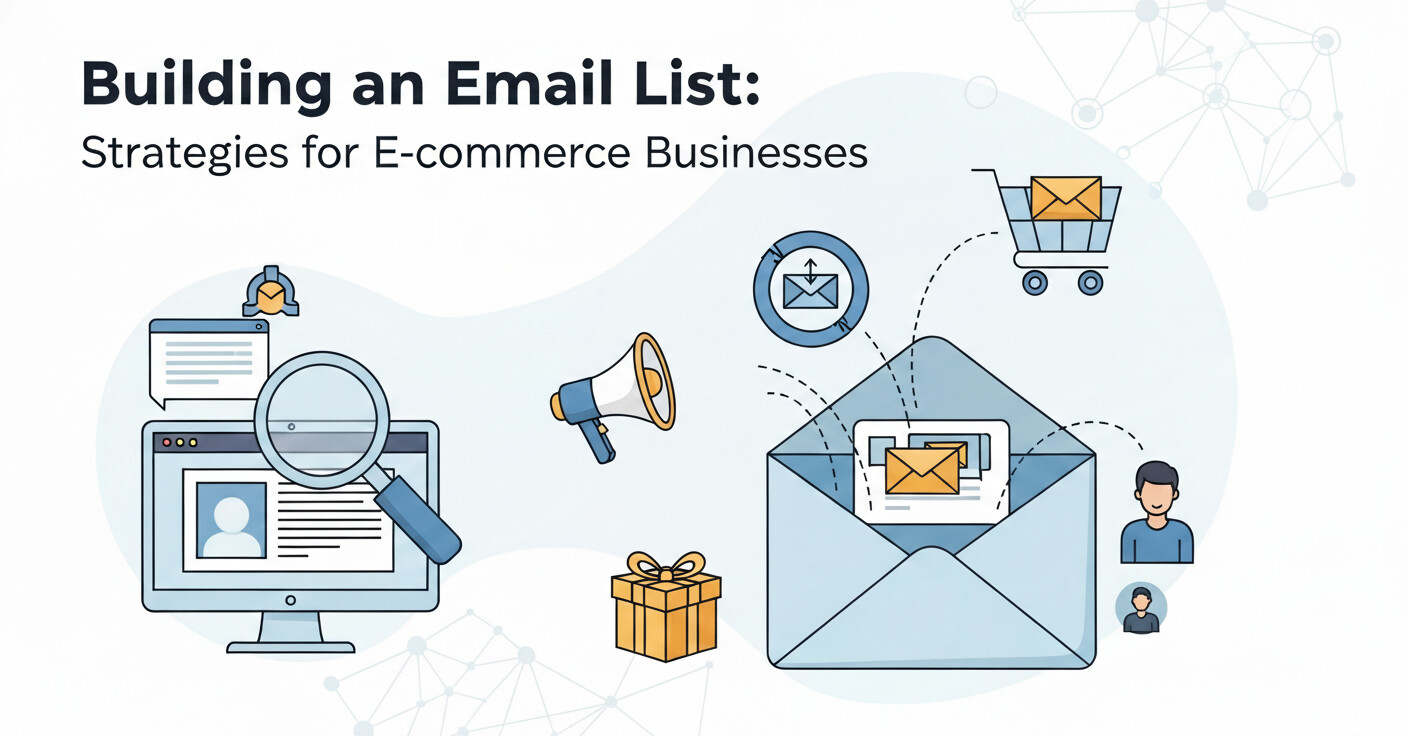
Before you can start sending campaigns, automations, or promotions, you need a strong subscriber base. In any email marketing guide for e-commerce, list building is the foundation. For e-commerce brands, a high-quality email list isn’t just traffic—it’s a long-term revenue asset. The goal isn’t to collect random emails, but to attract engaged subscribers who are genuinely interested in your products.
Below are proven strategies to build an email list that actually converts.
1. Offer High-Value Incentives
People won’t hand over their email address without a clear benefit. One of the most effective tactics in any email marketing guide for e-commerce is offering incentives that feel immediately valuable. Popular options include:
- Exclusive discounts (e.g., “Get 10% off your first order”)
- Free shipping for new subscribers
- Early access to sales or product launches
- VIP-only deals or loyalty rewards
Make sure your offer is visible across key pages of your website. Your call-to-action (CTA) should clearly explain what they get and why it’s worth subscribing.
2. Use Exit-Intent Popups Strategically
Exit-intent popups are a powerful list-building tool when used correctly. These popups appear when a visitor is about to leave your site, giving you one last chance to convert them into a subscriber.
Offer a compelling incentive—such as a limited-time discount or bonus—and keep the message short and focused. This technique is widely recommended in every effective email marketing guide for e-commerce because it captures leads that would otherwise be lost.
3. Leverage Social Media to Drive Sign-Ups
Your social media audience is already interested in your brand, making it a perfect source for email subscribers. Use platforms like Instagram, Facebook, or TikTok to promote:
- Email-only discounts
- Giveaways and contests
- Sneak peeks of upcoming products
Direct followers to a dedicated landing page where they can subscribe. This approach helps align your social strategy with your overall email marketing guide for e-commerce goals.
4. Add Email Opt-Ins at Checkout
Customers who are already making a purchase are highly engaged and more likely to subscribe. Add a simple, non-intrusive opt-in checkbox during checkout that allows shoppers to join your email list.
Reassure them by explaining what they’ll receive—order updates, exclusive offers, or early access to sales. This method consistently delivers high-quality subscribers and is a staple tactic in any successful email marketing guide for e-commerce.
Segmenting Your Audience for More Effective Targeting
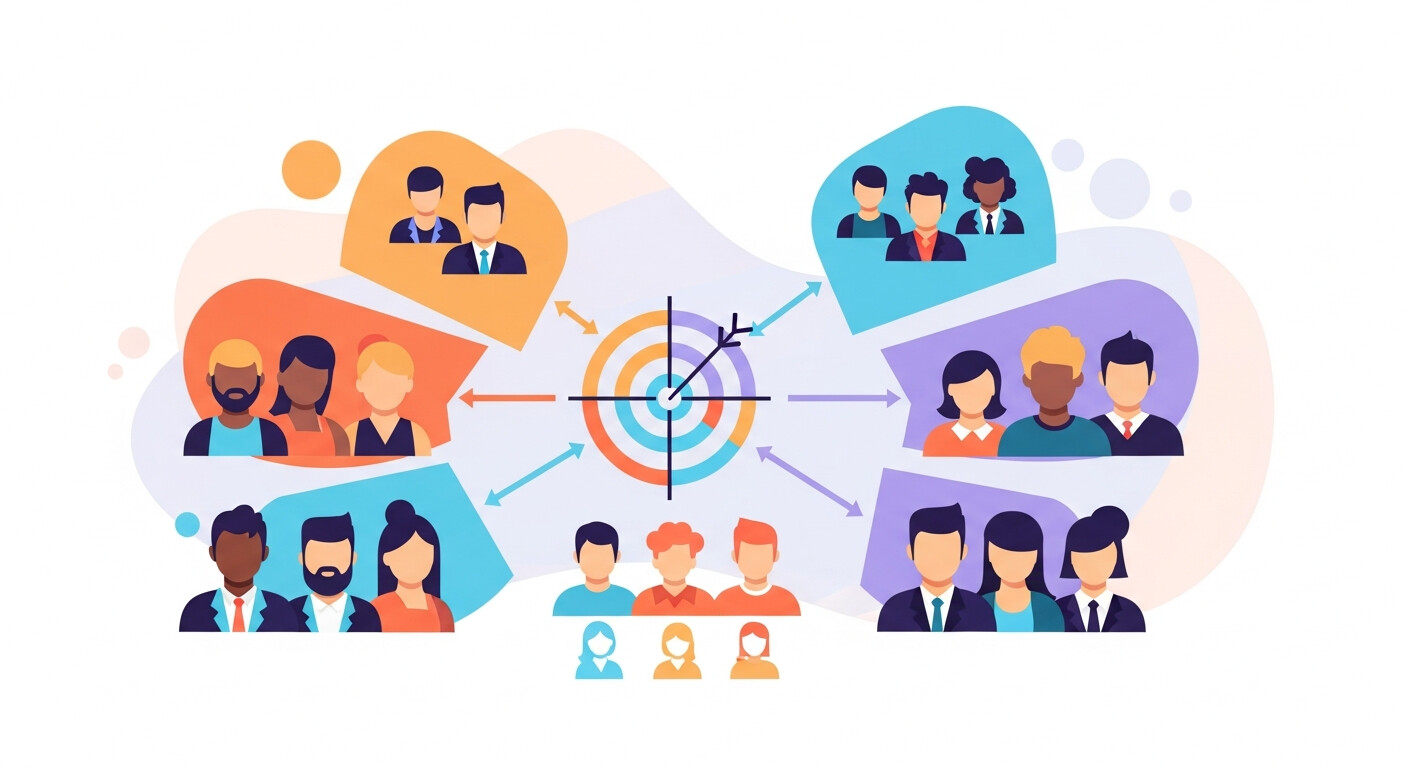 The key to success in email marketing for e-commerce lies in segmentation. By dividing your audience into targeted groups, you can send them hyper-relevant content that resonates.
Why Segmentation Matters
Rather than sending the same message to your entire list, segmented email campaigns allow you to deliver more relevant, personalized content. In every effective email marketing guide for e-commerce, segmentation is a core strategy because it directly impacts engagement and revenue.
Well-segmented campaigns help e-commerce brands:
- Increase engagement through personalized messaging
- Improve click-through rates and conversions
- Reduce unsubscribe rates by avoiding irrelevant emails
By grouping subscribers based on behavior, preferences, and purchase data, you can send the right message to the right customer at the right time.
Segmentation Ideas for E-commerce

New vs. Returning Customers
First-time buyers and loyal customers have very different needs. One of the most recommended tactics in any email marketing guide for e-commerce is separating these two groups.
- New customers should receive a welcome series that introduces your brand, sets expectations, and builds trust.
- Returning customers respond better to loyalty rewards, early access to sales, or exclusive VIP offers.
This approach helps nurture new buyers while strengthening relationships with repeat customers.
Purchase History Segmentation
Using purchase history allows you to send highly targeted product recommendations. For example, if a customer recently purchased running shoes, follow up with suggestions for complementary items like athletic socks, water bottles, or fitness accessories.
This type of personalization is a proven revenue driver and a key tactic highlighted in every advanced email marketing guide for e-commerce.
Cart Abandonment Campaigns
Cart abandonment emails are among the highest-converting campaigns in e-commerce. Segment users who added items to their cart but didn’t complete checkout and send timely reminders.
These emails often include:
- A reminder of the abandoned items
- Social proof or product benefits
- A clear call-to-action (CTA) to complete the purchase
Many email marketing guides for e-commerce recommend pairing these emails with urgency or limited-time incentives to boost conversions.
Location-Based Email Campaigns
Geographic segmentation allows you to send more relevant messages based on a customer’s location. If you’re running a regional sale, opening a new store, or hosting a local event, geo-targeted emails ensure the message reaches the right audience.
This strategy helps improve relevance, open rates, and overall campaign performance—making it a valuable addition to any email marketing guide for e-commerce.
Crafting Compelling Email Content That Converts
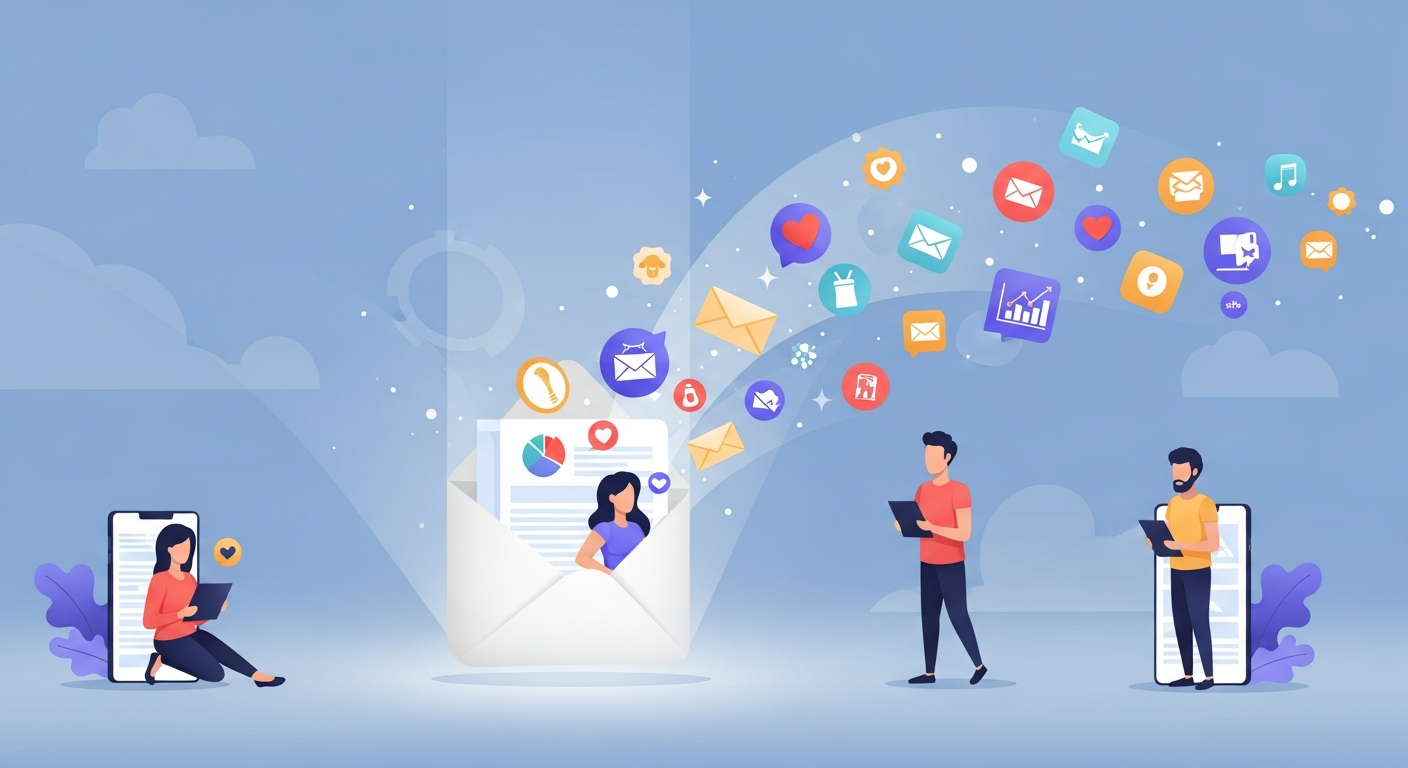
Email content is the backbone of every high-performing campaign. In any email marketing guide for e-commerce, crafting compelling email content is essential—because even the best automation or segmentation won’t work if your emails fail to capture attention or deliver value. When emails feel generic or sales-heavy, subscribers disengage or unsubscribe.
Below are proven best practices to help you create emails that engage, build trust, and convert.
Tips for Crafting High-Converting E-commerce Emails

1. Write Attention-Grabbing Subject Lines
Your subject line determines whether your email gets opened or ignored. A strong subject line should spark curiosity, create urgency, or clearly communicate value. Most email marketing guides for e-commerce recommend keeping subject lines short, personalized, and benefit-driven.
Effective examples include:
- “Your Exclusive 15% Discount Is Waiting”
- “Top Picks Loved by [First Name]”
- “Did You Forget Something? Your Cart Is Waiting”
Using personalization tokens, emojis (when appropriate), or urgency cues can significantly improve open rates.
2. Focus on Clean, High-Quality Visuals
E-commerce emails should be visually engaging without feeling cluttered. High-quality product images, a clean layout, and consistent branding help guide readers through your message.
A well-designed email improves readability and keeps subscribers engaged—an essential principle emphasized in every email marketing guide for e-commerce. Make sure your emails are mobile-friendly, as a large portion of users will view them on their phones.
3. Include a Strong and Clear Call-to-Action (CTA)
Every email should focus on one primary goal. Whether it’s driving traffic to a product page or encouraging a purchase, your CTA should be clear, visible, and action-oriented.
Use concise language such as:
- “Shop Now”
- “Claim Your Discount”
- “Explore New Arrivals”
Avoid multiple competing CTAs, as this can confuse readers and reduce conversions—a common mistake highlighted in many email marketing guides for e-commerce.
4. Use Social Proof to Build Trust
Trust plays a major role in buying decisions. Including customer reviews, testimonials, star ratings, or user-generated content can help reassure potential buyers.
Social proof adds credibility and reduces purchase hesitation, making it a powerful conversion booster in any email marketing guide for e-commerce.
Automating Email Campaigns for Maximum Impact
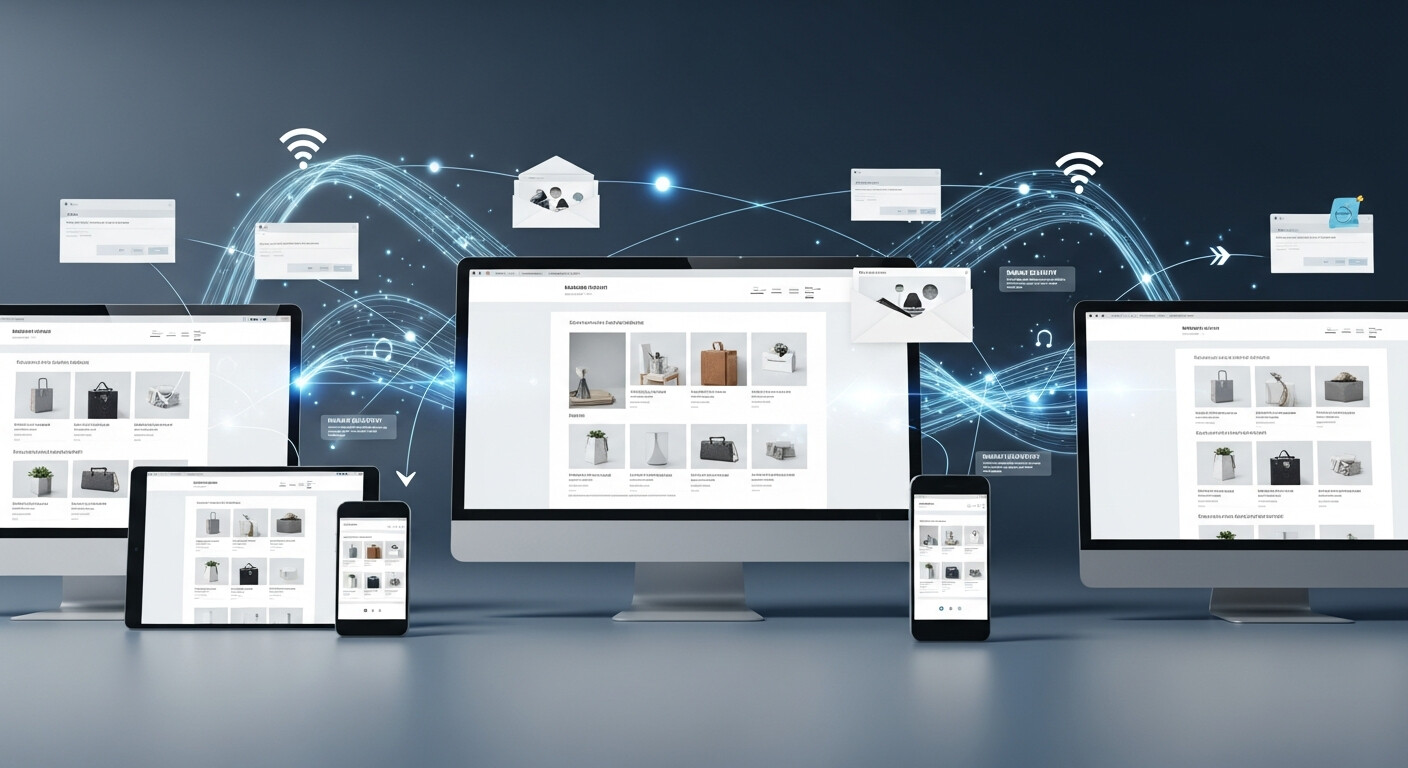
Automation doesn’t just save time; it ensures you’re consistently engaging with your audience at every step of their buyer’s journey. Here are some must-have email automation workflows.
Welcome Series
Introduce new subscribers to your brand, your mission, and why they should shop with you. A multi-email sequence could look like this:
- Email 1 (Day 1): Thank you for subscribing + welcome offer
- Email 2 (Day 2): Introduce best-selling products or customer favorites
- Email 3 (Day 4): Share customer success stories or reviews
Cart Abandonment Emails
Cart abandonment emails are a must for e-commerce brands. Your email could include:
- A friendly reminder about the item left in the cart
- An incentive, like a small discount, to complete the purchase
- A sense of urgency with phrases like “Only a few items left!”
Post-Purchase Series
Keep customers engaged even after they’ve made a purchase. Send emails such as:
- Order confirmation and shipping updates
- Essential Tips for Product Use and Care in the Booming E-commerce Personal Care Market
- Requests for reviews or referrals
Re-engagement Campaigns
If subscribers go cold, don’t give up! Win them back using emails promoting a special offer, highlighting exciting new arrivals, or simply asking if they’d like to stay on the list.
Measuring and Optimizing Your Email Marketing Performance
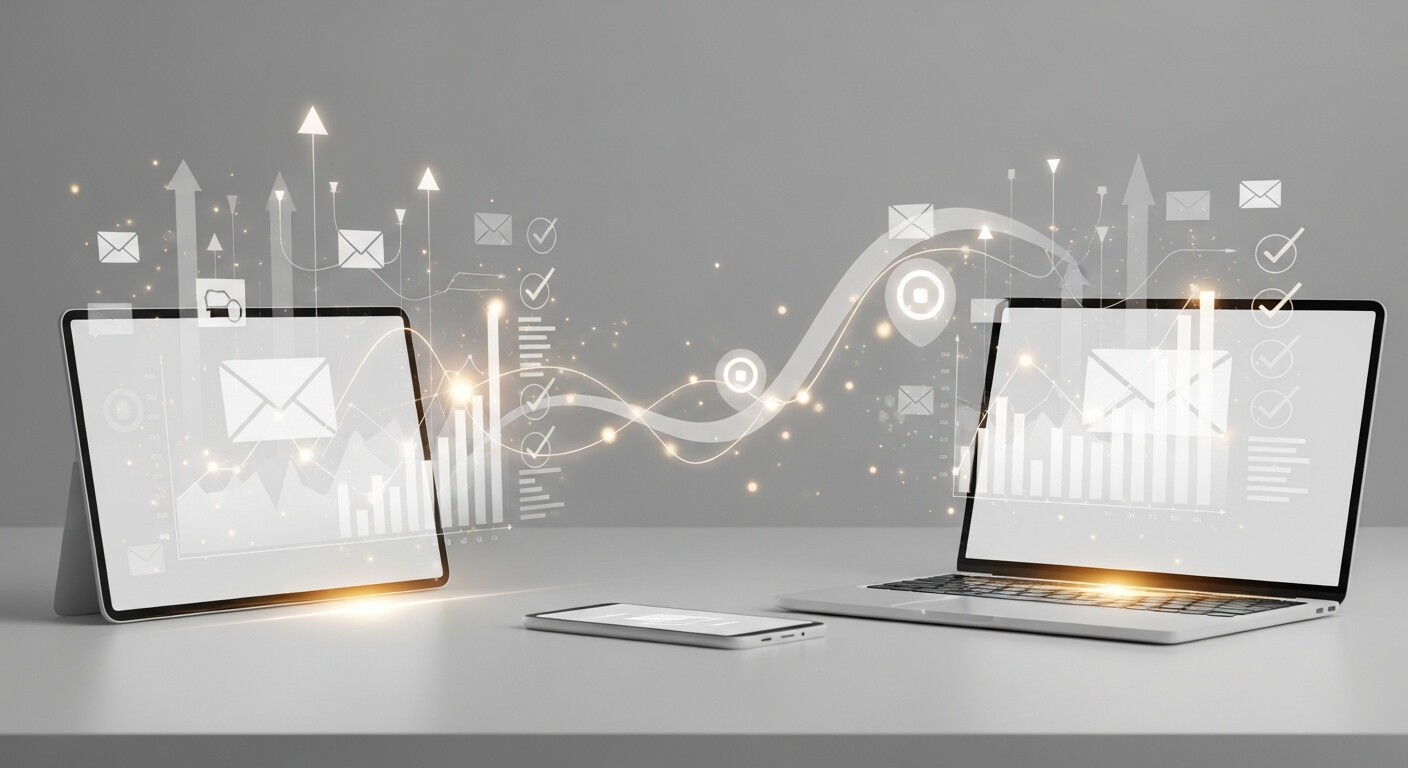
Tracking and analyzing your campaign performance is critical for long-term growth. In any effective email marketing guide for e-commerce, data-driven optimization is what separates average campaigns from high-performing ones. By consistently monitoring key metrics, e-commerce brands can refine their strategy, improve engagement, and increase revenue over time.
Key Email Marketing Metrics to Track
 Open Rate
Open rate shows the percentage of recipients who open your email and is largely influenced by your subject lines and sender reputation. If your open rates are low, test different subject line formats, personalization techniques, and send times.
Most email marketing guides for e-commerce recommend A/B testing subject lines to understand what resonates best with your audience.
Click-Through Rate (CTR)
CTR measures how many subscribers clicked on links within your email. This metric reflects how effective your email content, visuals, and CTAs are.
To improve CTR:
- Use clear, action-driven CTAs
- Limit distractions by focusing on one main offer
- Ensure buttons and links are mobile-friendly
CTR is a key indicator of engagement and a core metric in any email marketing guide for e-commerce.
Conversion Rate
Conversion rate tracks how many subscribers completed the desired action, such as making a purchase or signing up for a promotion. This metric directly ties email performance to revenue.
To boost conversions, test:
- Different incentives or discounts
- CTA placement and wording
- Landing page alignment with email messaging
High-converting campaigns are a primary goal highlighted in every email marketing guide for e-commerce.
Unsubscribe Rate
Unsubscribe rate helps identify whether your content is meeting subscriber expectations. A high unsubscribe rate may indicate poor targeting, excessive email frequency, or irrelevant messaging.
Improving segmentation and personalization—core strategies in any email marketing guide for e-commerce—can significantly reduce unsubscribes.
Tools for Email Marketing Optimization
Modern email marketing platforms make it easier to track performance and continuously improve campaigns. Tools like Mailchimp, Klaviyo, and HubSpot offer detailed analytics, automation workflows, and A/B testing features.
Use these tools to:
- Test subject lines, designs, and CTAs
- Analyze customer behavior and engagement
- Refine your strategy based on real data
Consistent testing and optimization are what turn insights into growth—making analytics a non-negotiable part of any successful email marketing guide for e-commerce.
Take Your Email Marketing to the Next Level
A strong email marketing strategy is no longer optional—it’s essential for e-commerce brands competing in today’s crowded digital landscape. This email marketing guide for e-commerce shows that success comes from mastering the fundamentals: building a high-quality subscriber list, segmenting your audience for relevance, crafting compelling email content, and automating key campaigns that drive consistent results.
When these elements work together, email marketing becomes more than just a communication channel. It creates a seamless customer journey that nurtures leads, builds trust, and turns one-time shoppers into loyal, repeat customers. Brands that follow a proven email marketing guide for e-commerce don’t just send emails—they build long-term relationships that fuel sustainable growth.
If you’re ready to elevate your email marketing game, start exploring modern email marketing tools and expert-backed strategies designed to scale your business. With the right approach and continuous optimization, every email, click, and conversion can make a measurable impact on your revenue.
Discover advanced strategies to elevate your event presence and brand impact in our article on mastering brand event marketing.
Frequently Asked Questions (FAQ)
What is email marketing for e-commerce?
Email marketing for e-commerce uses targeted campaigns and automation to promote products, engage customers, and drive sales. A solid email marketing guide for e-commerce focuses on list building, segmentation, content, and performance tracking.
How often should e-commerce brands send emails?
Most email marketing guides for e-commerce suggest sending 1–3 emails per week. The ideal frequency depends on your audience and should be adjusted based on engagement and unsubscribe rates.
Which emails perform best for e-commerce?
Welcome emails, cart abandonment reminders, promotional campaigns, product recommendations, and post-purchase emails are among the top-performing formats in any email marketing guide for e-commerce.
How long does it take to see results?
Many brands see results within a few weeks when applying proven tactics from an email marketing guide for e-commerce, especially with automation like welcome and cart recovery emails.
What metrics should I track?
Key metrics include open rate, click-through rate (CTR), conversion rate, and unsubscribe rate. These are essential benchmarks in every email marketing guide for e-commerce.