E-Commerce Logistics Market: Trends, Challenges, and Opportunities

The e-commerce logistics market drives online retail growth, from warehousing and inventory management to last-mile delivery. Key trends include faster shipping, cross-border expansion, sustainability, and technology adoption. Businesses that invest in innovation, 3PL partnerships, and data-driven strategies can overcome challenges and stay competitive while enhancing customer experience.
Understanding the E-Commerce Logistics Market
The e-commerce logistics market encompasses all the processes required to store, manage, package, and deliver goods purchased online. It serves as the backbone of online retail, ensuring that orders are fulfilled accurately and efficiently.
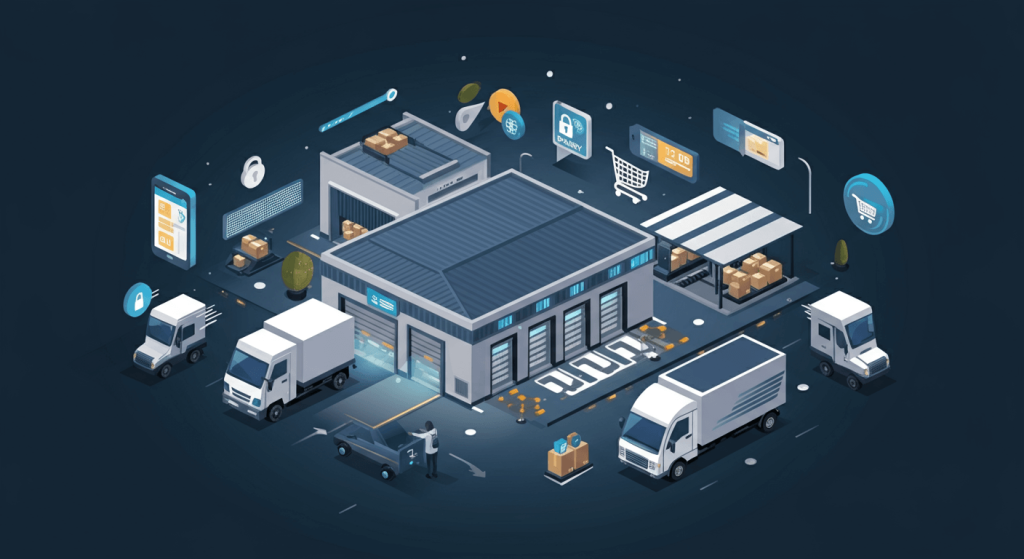
Key aspects of e-commerce logistics include:
- Warehousing: The storage of inventory in fulfillment centers or warehouses.
- Inventory Management: Tracking stock levels and replenishment schedules.
- Order Fulfillment: Processing, packing, and shipping online orders.
- Last-Mile Delivery: Ensuring goods reach consumers’ doorsteps.
- Reverse Logistics: Managing returns, refunds, and exchanges.
The global e-commerce logistics market has experienced incredible growth, with research predicting it will surpass $1.9 trillion by 2030, driven by the increasing demand for online shopping and advancements in logistics technologies.
Trends Driving the E-Commerce Logistics Market
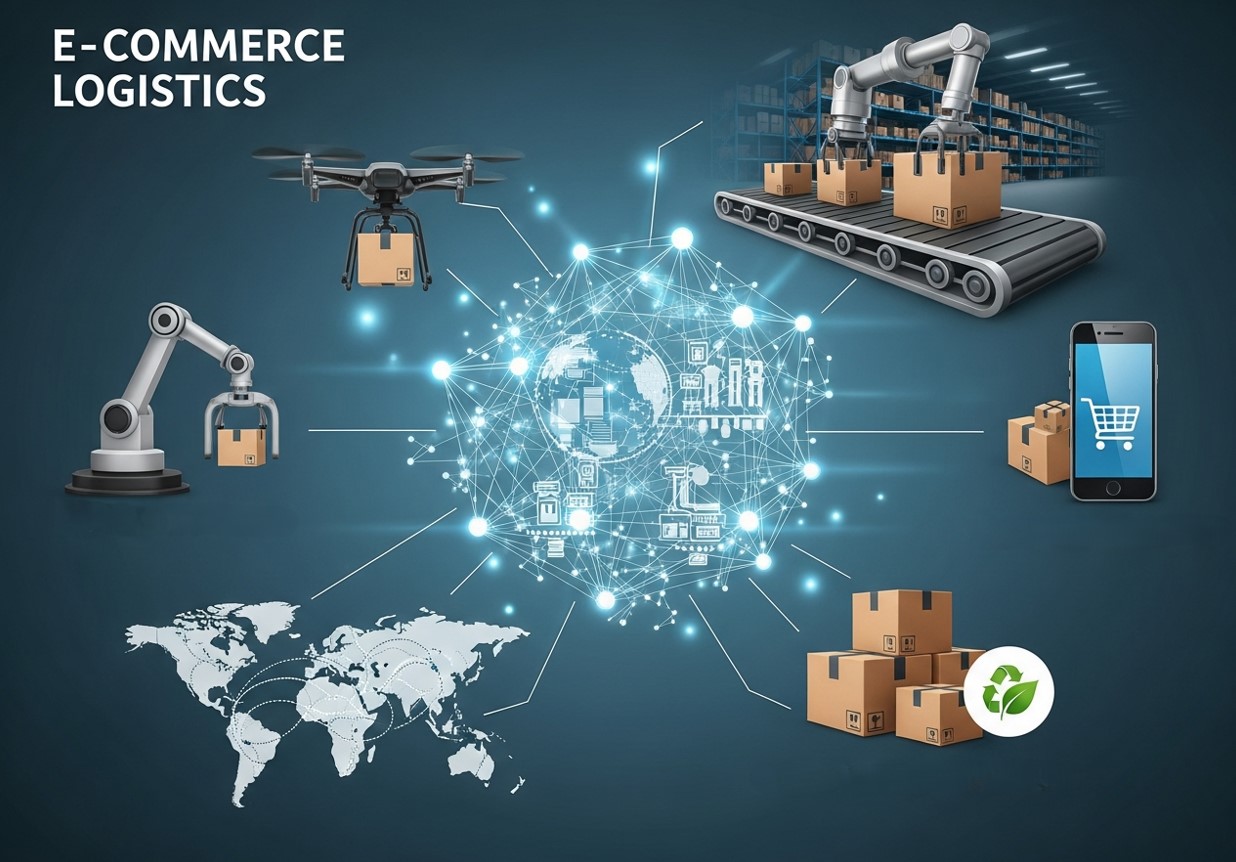
E-commerce logistics is evolving rapidly, driven by changing consumer expectations and technological advancements. Here are some key trends shaping the industry:
Demand for Faster Deliveries
Consumer expectations for speed have reshaped the logistics landscape, with same-day and next-day delivery increasingly viewed as standard. Companies are leveraging AI chatbots to boost e-commerce conversions for smoother order tracking and customer communication. To meet these demands, logistics providers are redesigning supply chain networks by placing inventory closer to customers through micro-fulfillment centers and urban warehouses. Local delivery fleets, crowd-sourced couriers, and advanced route optimization tools are also being used to improve last-mile efficiency. Industry leaders like Amazon and Walmart have set high benchmarks with their rapid delivery capabilities, pushing smaller e-commerce businesses to adopt similar strategies or partner with logistics providers to remain competitive.
Growth of Cross-Border E-Commerce
The expansion of global marketplaces such as Alibaba, eBay, and Shopify has fueled significant growth in cross-border e-commerce, enabling businesses to reach customers worldwide. However, international shipping introduces challenges including customs documentation, duties and taxes, longer transit times, and compliance with varying regional regulations. To manage this complexity, logistics providers are deploying advanced tracking systems, automated customs clearance solutions, and real-time shipment visibility tools. These technologies help streamline cross-border operations, reduce delays, and improve transparency for both businesses and consumers.
Sustainability in Logistics
Sustainability is becoming a central focus in e-commerce logistics as environmental concerns influence purchasing decisions and corporate strategies. Companies are adopting eco-friendly practices such as electric and alternative-fuel delivery vehicles, recyclable or reduced packaging, and energy-efficient warehouses. Many are also implementing carbon offset programs and emissions tracking to meet regulatory requirements and corporate sustainability goals. Businesses that invest in green logistics not only reduce their environmental footprint but also strengthen brand reputation and appeal to environmentally conscious consumers.
Technology and Automation
Rapid advancements in technology are transforming logistics operations across the supply chain. Artificial intelligence and machine learning are being used to optimize delivery routes, improve demand forecasting, and enhance inventory management accuracy. Automation and robotics in warehouses—such as automated picking, sorting, and packing systems—are significantly reducing order processing times and minimizing human error. Companies like Amazon and Ocado have demonstrated how warehouse robotics can scale fulfillment operations efficiently while improving speed, accuracy, and cost control.
AI, robotics, and IoT improve route optimization, warehouse efficiency, and inventory management. Check out AI personalization in e-commerce for ways technology enhances customer experience.
Growth of 3PL Services
Third-party logistics (3PL) providers are playing an increasingly critical role in the e-commerce logistics ecosystem. They offer comprehensive, end-to-end services including warehousing, order fulfillment, transportation, last-mile delivery, and reverse logistics. By outsourcing logistics to 3PLs, e-commerce businesses can scale quickly, manage seasonal demand fluctuations, and enter new markets without heavy infrastructure investments. This allows brands to focus on core activities such as product development, marketing, and customer experience, while benefiting from the expertise and established networks of logistics partners.
Challenges Facing the E-Commerce Logistics Market
Last-Mile Delivery Costs
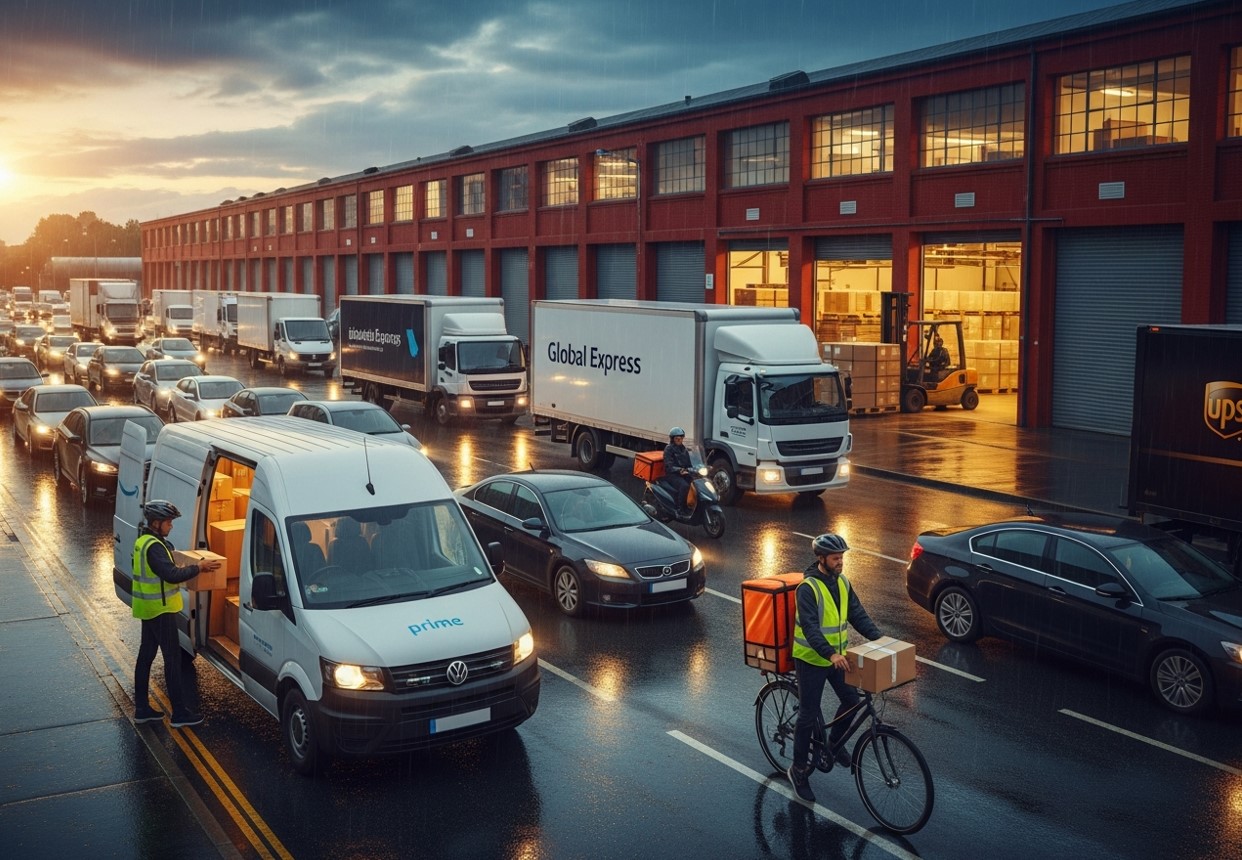
Last-mile delivery is often the most expensive and operationally challenging stage of the logistics process. Costs are driven by factors such as traffic congestion in urban areas, inefficient delivery routes, rising fuel prices, and a high rate of failed or repeated delivery attempts. Additionally, growing consumer demand for same-day or next-day delivery increases pressure on logistics providers to operate faster at higher costs. To address these challenges, companies are investing in route optimization software, micro-fulfillment centers, smart delivery lockers, and emerging technologies such as autonomous vehicles and drones to improve efficiency and reduce expenses.
Managing Returns
The convenience of online shopping has significantly increased return rates, particularly in categories like fashion, electronics, and home goods. Reverse logistics adds complexity and cost, as returned items must be collected, inspected, sorted, refurbished if necessary, and either restocked or disposed of. Poorly managed returns can erode profit margins and tie up warehouse space. To manage this more effectively, companies are implementing data-driven return policies, automated return processing systems, and resale or refurbishment programs to recover value from returned products.
Consumer Expectations
Today’s consumers expect fast, reliable, and low-cost delivery as a standard service, not a premium offering. They also demand real-time tracking, flexible delivery options, and easy returns. Meeting these expectations requires significant investment in logistics infrastructure, technology platforms, and customer service operations. E-commerce businesses must carefully balance speed, cost, and service quality to remain competitive while protecting margins and ensuring long-term sustainability.
Regulatory Compliance
Cross-border e-commerce introduces complex regulatory challenges, including customs documentation, import and export restrictions, product compliance standards, and varying tax and duty requirements across different countries. Failure to comply with these regulations can lead to shipment delays, fines, or confiscation of goods. Logistics providers must stay up to date with changing international trade laws and often rely on compliance software, customs brokers, and localized expertise to ensure smooth and lawful cross-border operations.
Labor Shortages and Rising Costs
Warehousing, transportation, and last-mile delivery operations depend heavily on skilled labor, yet many regions are experiencing labor shortages and increasing wage demands. These challenges raise operating costs and can lead to delays or reduced service levels. To offset labor constraints, companies are increasingly investing in warehouse automation, robotics, AI-powered demand forecasting, and workforce management systems. While these technologies require upfront investment, they help improve productivity, reduce long-term costs, and increase operational resilience.
Opportunities in the E-Commerce Logistics Market
Investing in Technology
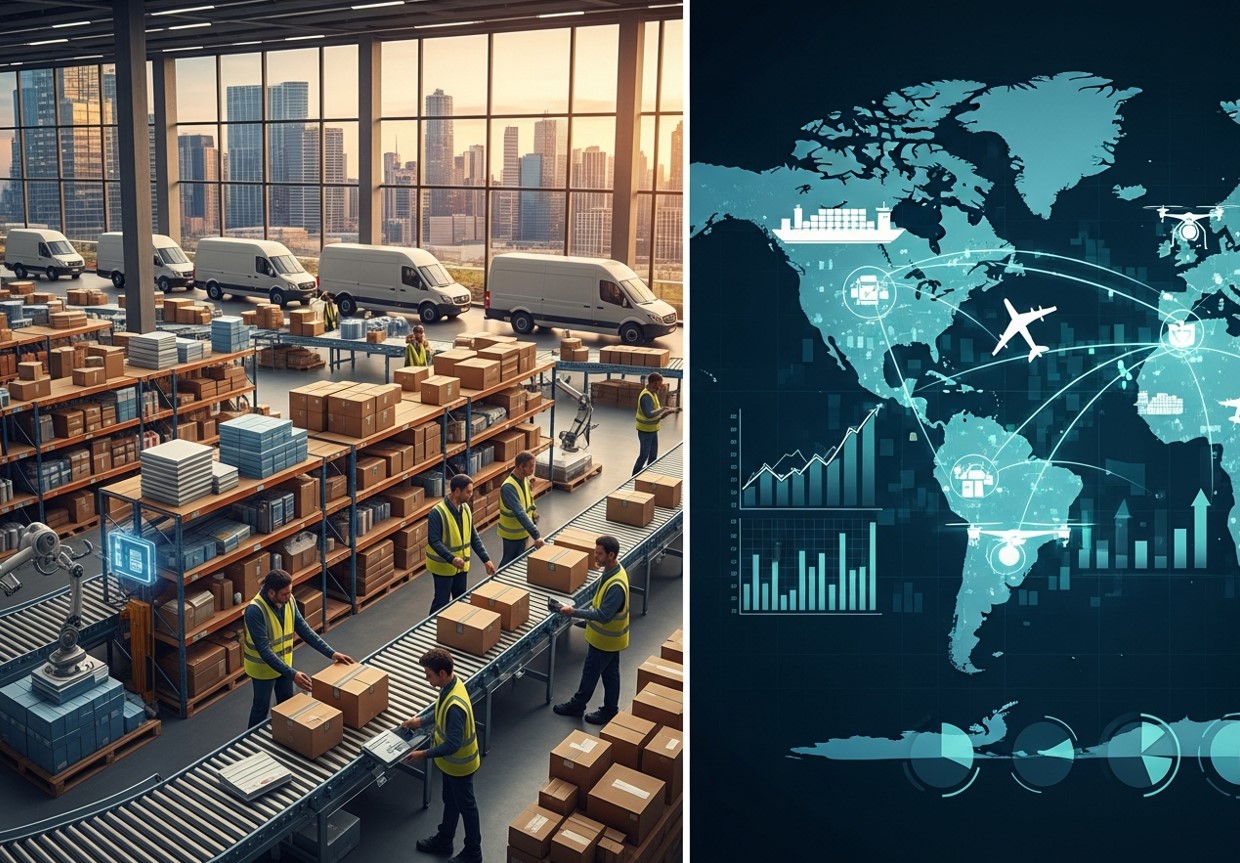
Adopting advanced technologies such as AI, IoT, and data analytics can dramatically improve supply chain efficiency and decision-making. AI-driven forecasting helps businesses anticipate demand more accurately, while IoT-enabled sensors provide real-time visibility into shipments, warehouse conditions, and asset performance. Data analytics supports smarter route optimization, inventory planning, and cost control. Companies that invest in modern logistics platforms gain better operational control, reduce delays, and are better positioned to meet rising consumer expectations for speed and reliability.
Expanding 3PL Partnerships
Partnering with third-party logistics (3PL) providers enables businesses to scale operations without the heavy capital investment required to build their own logistics infrastructure. 3PLs offer established warehouse networks, transportation fleets, advanced technology systems, and local market expertise. These partnerships allow companies to enter new markets faster, handle seasonal demand spikes, and provide competitive delivery options. For startups and growing e-commerce brands, 3PL collaboration can be a strategic way to remain agile and cost-efficient.
Focusing on Sustainability
Sustainability has become a core competitive differentiator in e-commerce logistics. Consumers increasingly favor brands that demonstrate environmental responsibility through actions such as using recyclable or minimal packaging, optimizing delivery routes to reduce emissions, and adopting electric or alternative-fuel vehicles. Beyond customer perception, sustainable practices often lead to long-term cost savings and regulatory compliance benefits. Companies that integrate sustainability into their logistics strategy can strengthen brand loyalty while reducing their environmental footprint.
Exploring Emerging Markets
Emerging markets in regions such as Southeast Asia, Africa, and South America present significant growth opportunities for e-commerce logistics. Rising internet penetration, expanding mobile payments, and growing middle-class populations are driving increased online shopping activity. Businesses that invest early in localized logistics networks, regional fulfillment centers, and last-mile partnerships can gain a strong competitive advantage. Establishing a presence in these markets positions companies for long-term growth as demand continues to accelerate.
Enhanced Last-Mile Solutions
Innovative last-mile delivery solutions are becoming essential for reducing costs and improving customer satisfaction. Technologies such as autonomous delivery robots, drones, and smart locker systems help overcome challenges related to urban congestion and failed delivery attempts. In addition, subscription-based delivery models can create predictable revenue streams while offering customers faster or more flexible delivery options. By continuously experimenting with new last-mile strategies, businesses can improve efficiency, differentiate their service, and build stronger customer relationships.
Cybersecurity and Data Protection in Logistics Systems
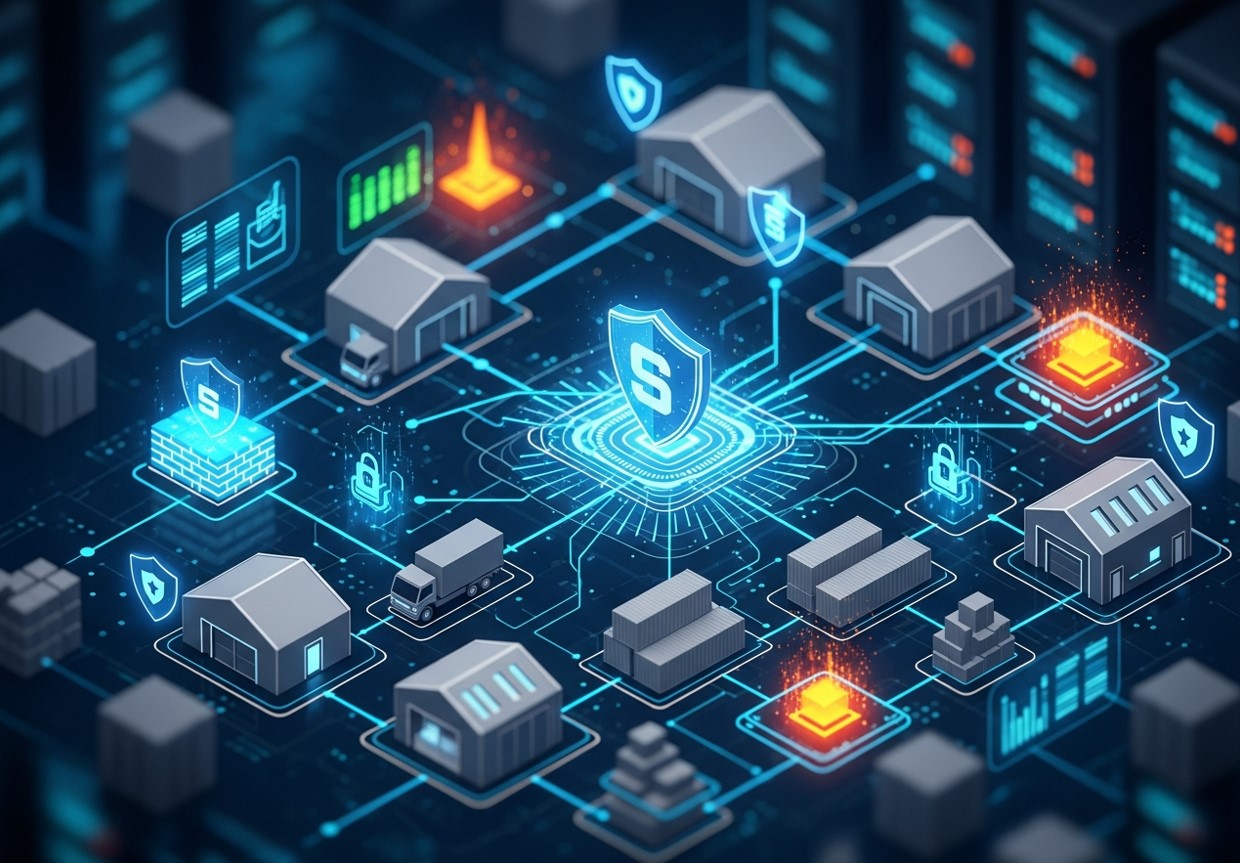
As logistics operations become increasingly digital, cybersecurity has emerged as a critical concern. Logistics platforms handle sensitive data, including customer information, payment details, shipment routes, and supplier contracts. A data breach can disrupt operations, damage brand reputation, and result in regulatory penalties.
Companies are strengthening cybersecurity measures by adopting secure cloud infrastructure, encrypted data transmission, and strict access controls. Protecting logistics data is essential not only for compliance but also for maintaining trust across the supply chain ecosystem.
Talent Development and Workforce Transformation in Logistics
While automation and AI are transforming logistics operations, human expertise remains essential. The industry is experiencing a shift in workforce requirements, with growing demand for data analysts, automation specialists, and supply chain strategists. At the same time, frontline roles are evolving to work alongside advanced technologies.
Successful logistics organizations are investing in workforce training, upskilling programs, and digital literacy initiatives. By aligning talent development with technological advancement, businesses can build agile logistics teams capable of adapting to continuous change.
Actionable Insights for Businesses
The e-commerce logistics market represents a huge opportunity for forward-thinking businesses. To thrive in this dynamic industry, companies must focus on:
- Adopting technology to optimize logistics operations.
- Building strategies for managing last-mile delivery more efficiently.
- Partnering with 3PL providers to scale operations.
- Prioritizing sustainability to appeal to eco-conscious buyers.
- Expanding into untapped markets.
For businesses looking to stay ahead of the curve, the time to adapt is now. Whether through technology, innovative solutions, or strategic partnerships, taking proactive steps to address logistics challenges can pave the way for long-term success.
As the e-commerce logistics market evolves with new trends and challenges, understanding digital wallets becomes increasingly important, offering secure and efficient payment solutions that align with the growing demand for seamless and technology-driven customer experiences.
Frequently Asked Questions (FAQ)
What is e-commerce logistics?
E-commerce logistics refers to the processes involved in storing, managing, packaging, and delivering products sold online. It includes warehousing, inventory management, order fulfillment, last-mile delivery, and reverse logistics.
Why is last-mile delivery so challenging?
Last-mile delivery is expensive and complex due to urban congestion, customer availability, and high expectations for fast delivery. Optimizing routes, using local delivery networks, and innovative solutions like drones or smart lockers can help address these challenges.
How does technology improve e-commerce logistics?
Technologies like AI, machine learning, robotics, IoT, and autonomous vehicles improve route optimization, warehouse efficiency, and real-time tracking. They reduce errors, cut costs, and enable faster delivery.
What role do 3PL providers play in e-commerce logistics?
Third-party logistics providers manage warehousing, fulfillment, and delivery on behalf of e-commerce businesses. They allow companies to scale operations efficiently, access specialized expertise, and reduce infrastructure costs.
How can e-commerce companies make logistics sustainable?
Companies can adopt electric delivery vehicles, eco-friendly packaging, carbon offset programs, and circular logistics practices. Sustainable logistics reduces environmental impact and appeals to eco-conscious consumers.
Why is data important in e-commerce logistics?
Data helps forecast demand, track shipments in real time, optimize routes, and manage inventory efficiently. Companies that leverage analytics can improve operational performance and customer satisfaction.
What are emerging trends in e-commerce logistics?
Key trends include same-day and hyper-local deliveries, cross-border shipping solutions, automation and robotics, AI-driven predictive logistics, sustainable practices, and blockchain for secure supply chains.