E-commerce Marketing Strategies That Actually Drive Sales
Running an online store without a solid marketing plan is like opening a physical shop in the middle of nowhere and hoping customers will magically find you. E-commerce businesses face unique challenges that traditional retailers don’t encounter, from building trust with customers they’ll never meet face-to-face to competing with millions of other online stores just a click away.
The good news? The right marketing strategy can transform your e-commerce business from invisible to irresistible. While traditional advertising methods still have their place, successful online retailers are leveraging digital-first approaches that meet customers where they already spend their time.
This guide breaks down nine proven marketing strategies that e-commerce businesses use to attract new customers, increase sales, and build lasting relationships with their audience. Each strategy comes with actionable steps you can implement today, regardless of your budget or business size.
Content Marketing: Building Authority One Blog Post at a Time
Content marketing remains one of the most effective ways to drive organic traffic to your e-commerce site. By creating valuable content that answers your customers’ questions, you position your brand as a trusted authority while improving your search engine rankings.
Start by identifying the questions your customers ask most frequently. These often make excellent blog post topics. For example, if you sell kitchen equipment, you might write guides about “How to Choose the Right Chef’s Knife” or “5 Essential Tools Every Home Cook Needs.”
Product-focused content performs particularly well for e-commerce brands. Create detailed buying guides, comparison articles, and how-to tutorials that naturally incorporate your products. This approach provides genuine value while showcasing your inventory.
Don’t limit yourself to written content. Video tutorials, infographics, and downloadable guides can attract different types of learners and increase engagement across multiple channels.
Social Media Marketing: Turning Followers into Customers
Social media platforms offer e-commerce businesses direct access to billions of potential customers. However, success requires more than just posting product photos and hoping for the best.
Each platform serves different purposes in your marketing strategy. Instagram works well for visually appealing products and lifestyle content. Facebook excels at community building and detailed product demonstrations. TikTok can help you reach younger audiences through creative, entertaining content.
User-generated content (UGC) proves especially powerful for e-commerce brands. Encourage customers to share photos of themselves using your products by creating branded hashtags or running contests. This authentic content builds trust with potential customers who want to see real people using your products.
Consistency matters more than perfection on social media. Develop a content calendar that includes a mix of product showcases, behind-the-scenes content, customer features, and industry news. This variety keeps your feed interesting while serving different stages of the customer journey.

Email Marketing: Your Direct Line to Customer Wallets
Email marketing delivers the highest return on investment of any digital marketing channel, with studies showing an average return of $42 for every $1 spent. For e-commerce businesses, email serves as your direct communication channel with customers who have already expressed interest in your brand. For deeper insights, see Email Marketing Strategies for E-commerce.
Welcome email sequences introduce new subscribers to your brand while providing immediate value. Include a discount code for first-time purchases, showcase your best-selling products, and share your brand story to build connection.
Abandoned cart emails can recover up to 15% of lost sales by reminding customers about items they left behind. Send the first email within a few hours of abandonment, followed by two additional emails over the next week. Include product images, customer reviews, and limited-time incentives to encourage completion.
Segment your email list based on purchase history, browsing behavior, and customer preferences. This allows you to send highly targeted campaigns that feel personal rather than generic. A customer who frequently buys athletic wear should receive different emails than someone who primarily purchases formal clothing.
Search Engine Optimization: Getting Found When It Matters
SEO helps your e-commerce site appear in search results when potential customers are actively looking for products you sell. This targeted traffic often converts better than other sources because these visitors have clear purchase intent.
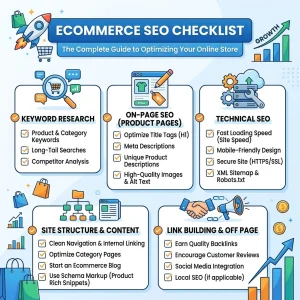
Start with keyword research to understand how your customers search for products. Tools like Google Keyword Planner can help you identify terms with good search volume and manageable competition. Focus on product-specific keywords rather than broad industry terms.
Optimize your product pages with descriptive titles, detailed descriptions, and high-quality images. Include relevant keywords naturally throughout your content, but prioritize readability over keyword density. Search engines favor content that serves users well.
Technical SEO matters significantly for e-commerce sites. Ensure your site loads quickly, works well on mobile devices, and provides clear navigation. Search engines consider these factors when determining rankings, and they directly impact user experience and conversion rates.

Pay-Per-Click Advertising: Buying Your Way to the Top
PPC advertising allows you to appear at the top of search results and social media feeds immediately, making it an excellent complement to organic marketing efforts. Google Ads and Facebook Ads represent the two largest platforms for e-commerce PPC campaigns.
Start with a small budget and focus on best-selling products. Use retargeting campaigns to reconnect with visitors who left without purchasing. Learn more in our E-Commerce Marketing Services Needed.
Google Shopping ads work particularly well for e-commerce businesses because they display product images, prices, and reviews directly in search results. These visual ads attract qualified traffic and often deliver better conversion rates than text-only ads.
Start with a small budget and focus on your best-selling products. Use exact match keywords to control spending while learning what resonates with your audience. Monitor your campaigns daily during the first few weeks to identify opportunities for optimization.
Retargeting campaigns help you reconnect with visitors who left your site without purchasing. These ads appear on other websites and social media platforms, keeping your brand visible while potential customers continue browsing online.
Influencer Partnerships: Leveraging Existing Audiences
Influencer marketing allows you to tap into established audiences that trust specific content creators. Micro-influencers often provide better ROI than mega-influencers due to stronger engagement. For a detailed approach, read E-Commerce Affiliate Marketing Guide.
Micro-influencers (accounts with 1,000 to 100,000 followers) often provide better ROI than mega-influencers because they maintain closer relationships with their audiences. Their followers view them as friends rather than celebrities, making their recommendations feel more authentic.
Choose influencers whose audiences align with your target customers. An influencer with 50,000 engaged followers in your niche will likely generate better results than one with 500,000 followers in a completely different market.
Structure partnerships clearly from the beginning. Provide influencers with talking points about your products, but allow them creative freedom in how they present your brand. Authentic content performs better than obviously scripted advertisements.
Customer Reviews and Social Proof: Building Trust Through Transparency
Online shoppers can’t touch, try, or examine products before purchasing, making social proof crucial for building trust. Customer reviews, testimonials, and ratings provide the reassurance potential buyers need to complete their purchases.
Actively request reviews from satisfied customers through follow-up emails sent a few days after delivery. Make the process simple by including direct links to review platforms and offering incentives like discount codes for future purchases.
Display reviews prominently on product pages, homepage, and throughout your marketing materials. Include both positive and negative reviews to maintain credibility. Address negative reviews professionally and use them as opportunities to demonstrate excellent customer service.
Beyond written reviews, encourage customers to share photos and videos of themselves using your products. This visual social proof helps other customers envision themselves with your products.

Affiliate Marketing: Expanding Your Sales Force
Affiliate marketing allows other websites and individuals to earn commissions by promoting your products. This performance-based model means you only pay for actual results, making it a low-risk way to expand your marketing reach.
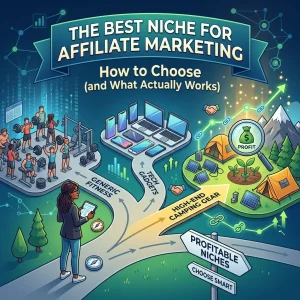
Recruit affiliates from complementary industries rather than direct competitors. For example, if you sell camping gear, partner with travel bloggers, outdoor adventure websites, and survival skills instructors.
Provide affiliates with marketing materials, product information, and performance data to help them promote your products effectively. The easier you make their job, the more likely they are to actively promote your brand.
Track affiliate performance carefully to identify your most valuable partners. Offer bonuses or higher commission rates to top performers to maintain their motivation and loyalty.
Live Chat and Customer Support: Instant Assistance for Conversion
Online shopping often raises questions that could prevent a sale if left unanswered. Integrating live chat or AI-powered chatbots on your e-commerce site provides instant assistance, helping customers feel confident in their purchasing decisions.
Live chat also captures potential leads by answering questions about product specifications, sizing, shipping options, or return policies. More advanced chat solutions can qualify prospects, guide them to products, and escalate complex inquiries to human agents seamlessly.
Complement live chat with detailed FAQs, instructional videos, and troubleshooting guides to reduce friction further. Excellent customer support doesn’t just improve conversion rates—it also encourages repeat business and fosters trust in your brand.
Personalization and Customer Segmentation: Making Every Interaction Count
Generic marketing messages get ignored. Personalized communications based on customer behavior and preferences significantly improve engagement and conversion rates.
Segment customers based on purchase history, browsing behavior, geographic location, and demographic information. Create targeted campaigns for each segment that address their specific needs and interests.
Use dynamic content on your website to show different products and messages based on visitor behavior. First-time visitors might see introductory offers, while returning customers see recommendations based on previous purchases.
Implement recommendation engines that suggest related products based on browsing and purchase history. These “customers who bought this also bought” sections can increase average order value while helping customers discover products they might not have found otherwise.
Data Analytics and Conversion Optimization: Marketing That Learns
E-commerce success depends on continuous learning from customer behavior. Track metrics like conversion rate, cart abandonment, and customer lifetime value. Use A/B testing to refine your approach over time. For actionable insights, check out E-Commerce Growth Strategies.
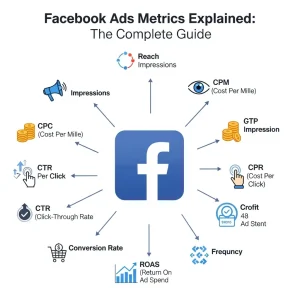
Track metrics such as conversion rate, cart abandonment rate, average order value, customer acquisition cost, and lifetime value. Segment the data by source, device, or demographic to uncover actionable insights.
Use A/B testing to experiment with product page layouts, pricing, calls-to-action, and marketing messages. Even small improvements can significantly increase conversion rates over time. By consistently analyzing data and refining your approach, your marketing becomes smarter, more effective, and aligned with real customer behavior.
Your Next Steps to E-commerce Success
Successful e-commerce marketing requires combining multiple strategies rather than relying on any single approach. Start by implementing one or two strategies that align best with your current resources and customer base, then gradually expand your efforts as you see results.
Focus on understanding your customers deeply before launching any marketing campaigns. The better you know their needs, preferences, and shopping behaviors, the more effectively you can reach them with the right message at the right time.
Remember that marketing strategy in e-commerce is not about quick fixes or overnight success. Building a profitable online business requires consistent effort, continuous testing, and patience to see results. Start with the strategies that resonate most with your business model, measure everything, and adapt based on what the data tells you about your customers’ preferences.
Frequently Asked Questions (FAQ)
What is the most effective marketing strategy for a new e-commerce store?
For new stores, a combination of content marketing, social media presence, and paid advertising often delivers the fastest results. Focus on building brand awareness while collecting data on your audience to refine future campaigns.
How can small e-commerce businesses compete with large retailers?
Small businesses can differentiate themselves through niche specialization, personalized customer experiences, exceptional service, and authentic branding. Leveraging influencer partnerships and targeted social media campaigns can help compete with larger competitors.
How important is SEO for e-commerce?
SEO is critical for attracting organic traffic. Optimizing product pages, content, and technical SEO ensures that potential customers can find your products when searching online, reducing reliance on paid advertising.
What role does email marketing play in e-commerce growth?
Email marketing is one of the highest ROI channels for e-commerce. It nurtures existing customers, recovers abandoned carts, promotes new products, and drives repeat purchases.
How can I measure the success of my e-commerce marketing campaigns?
Key performance indicators include conversion rate, average order value, customer acquisition cost, return on ad spend (ROAS), and customer lifetime value. Monitoring these metrics allows you to identify effective strategies and optimize underperforming ones.
Should I invest in influencer marketing?
Yes, if done strategically. Collaborating with influencers whose audience aligns with your target market can increase brand awareness, credibility, and sales. Micro-influencers often provide the best ROI due to their engaged, loyal following.
How often should I update my marketing strategy?
Digital marketing is dynamic, so regular review is essential. Analyze campaign performance monthly, review trends quarterly, and adjust strategies to reflect customer behavior, seasonal shifts, and industry changes.