
Marketplace vs eCommerce Website: Which One Is Better for Your Online Business?
The digital world has made it easier than ever for businesses to connect with customers, sell products, and build a profitable brand online. But when you are starting an online store, one of the first and most important decisions you will face is this: should you sell through a marketplace or build your own eCommerce website?
The debate around marketplace vs eCommerce website is more relevant today than ever. Both options can help you start selling online, but they work in very different ways. A marketplace gives you access to a ready-made audience and a fast way to begin, while an eCommerce website gives you full control, stronger branding, and long-term business ownership. Choosing the wrong path can limit your growth, reduce your profit margins, or make it harder to scale. Choosing the right one can help your business grow faster and more sustainably.
This guide will explain the marketplace vs eCommerce website debate in detail, including the advantages, disadvantages, cost differences, branding opportunities, customer ownership, and growth potential of each model. By the end, you will know which one is better for your business goals.
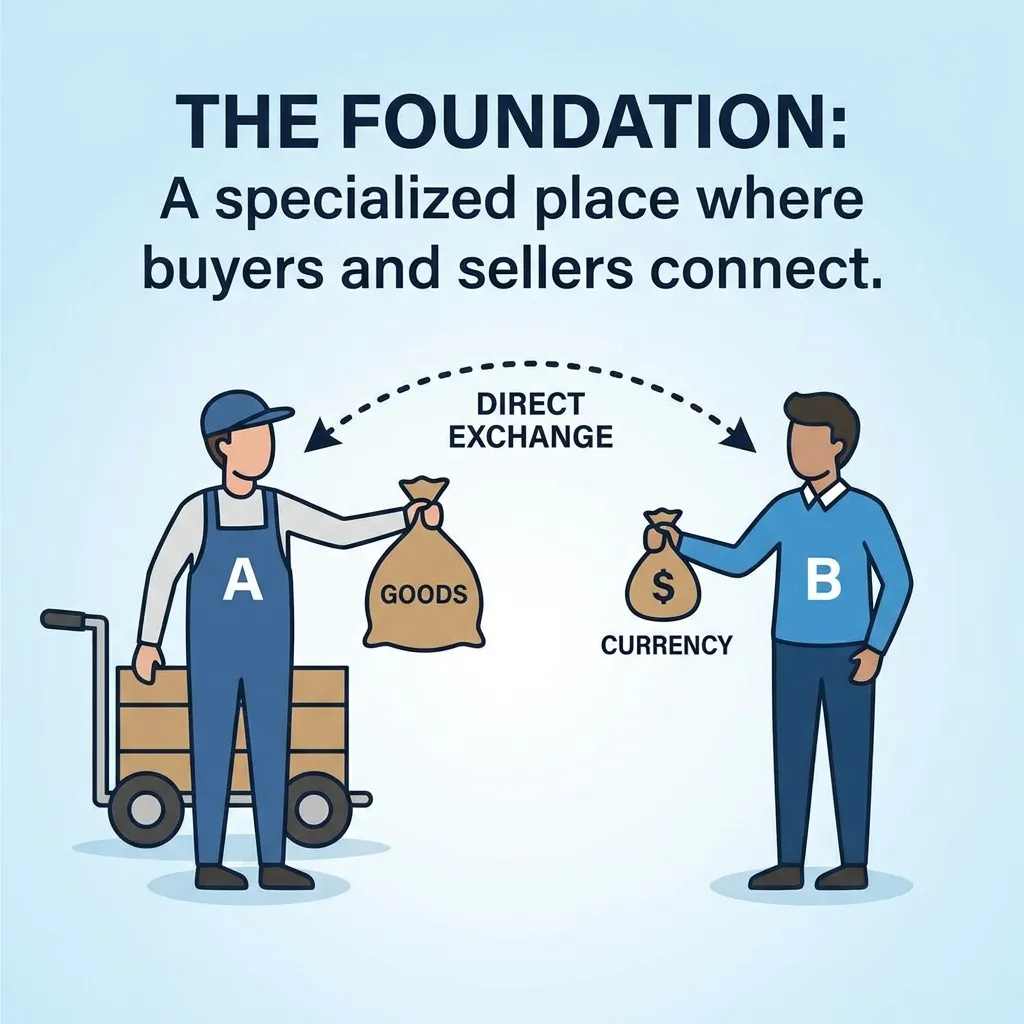
A marketplace is an online platform where multiple sellers list their products or services in one shared digital space. Customers browse the platform, compare products, read reviews, and purchase from different sellers all in one place. Popular examples include Amazon, eBay, Etsy, and Walmart Marketplace.
In a marketplace vs eCommerce website comparison, the biggest advantage of a marketplace is convenience. You do not need to create a website from scratch, build a traffic strategy from zero, or handle much of the technical setup. The platform already has visitors, payment systems, and trust built into it.
That is why many new sellers choose marketplaces first. They want quick exposure, lower technical barriers, and a faster route to their first sale. However, marketplaces also come with important limitations. You do not fully control the customer experience, your brand is less visible, and you compete directly with many other sellers on the same platform.
What Is an eCommerce Website?
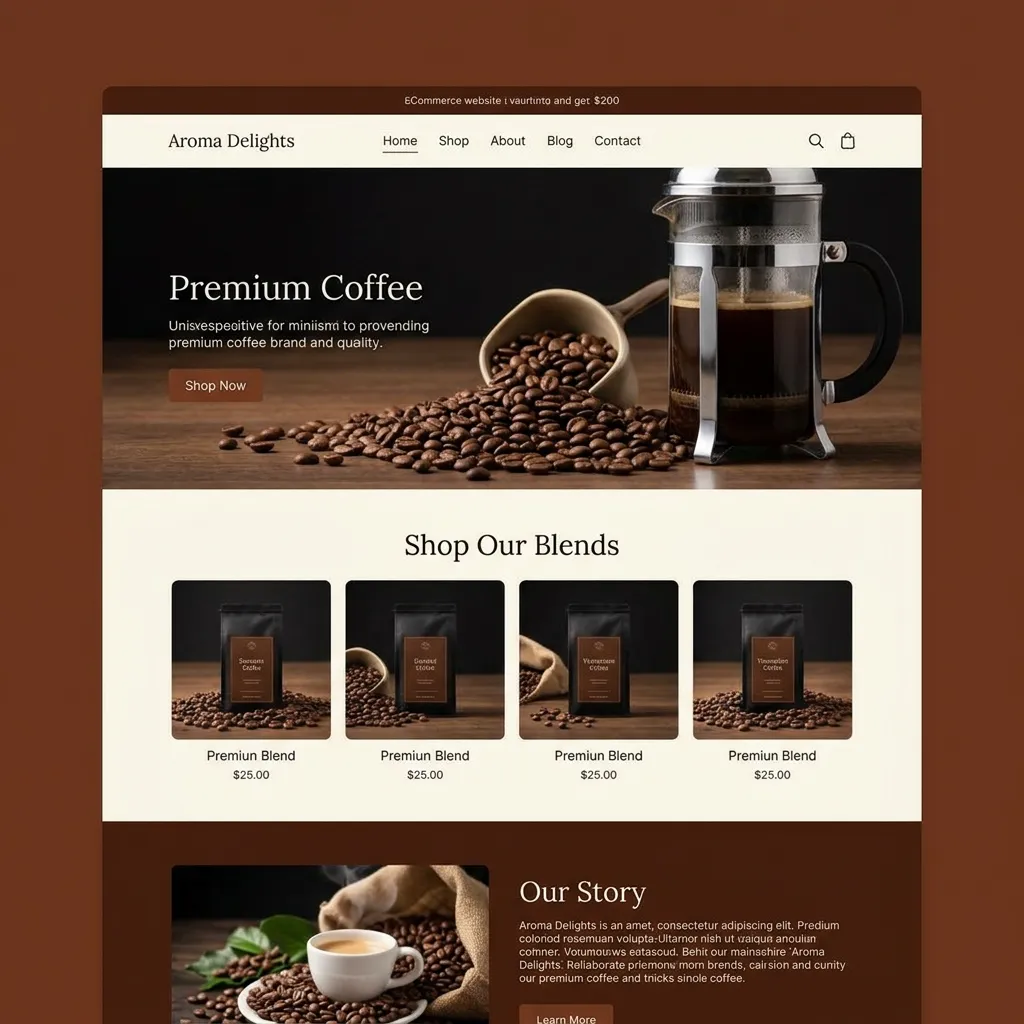
An eCommerce website is your own branded online store where you sell products directly to customers. Unlike a marketplace, this is a separate website that belongs to your business. Platforms like Shopify, WooCommerce, BigCommerce, and Wix make it easier to create and manage online stores without needing advanced technical skills.
In the marketplace vs eCommerce website discussion, an eCommerce website offers more ownership and flexibility. You decide how your website looks, how products are displayed, how the checkout works, what pages to add, and how customers move through the buying journey. You can build your own brand identity, collect customer data, and create a long-term asset for your business.
The trade-off is that an eCommerce website usually takes more effort to set up and more work to promote. You must drive traffic through SEO, paid ads, social media, email marketing, and other channels. Still, for businesses that want growth and independence, an eCommerce website is often the stronger long-term choice.
Marketplace vs eCommerce Website: The Main Difference
The main difference in the marketplace vs eCommerce website comparison is ownership.
A marketplace is like renting a shop inside a giant shopping mall. The mall already has visitors, security, and infrastructure, but you must follow its rules and pay for the space. An eCommerce website is like owning your own shop on your own land. You are responsible for bringing in visitors and maintaining the property, but you have complete control over the business.
This simple difference affects almost everything: branding, pricing, traffic, profit, customer relationships, and scalability. That is why understanding marketplace vs eCommerce website is essential before starting or expanding an online business.
Setup Time and Ease of Launch
When comparing marketplace vs eCommerce website, setup time is one of the first factors to consider.
A marketplace is easy to join. You create an account, upload your product details, add images, set prices, and start selling. In many cases, the learning curve is small, especially if the platform already provides a seller dashboard and listing tools. This makes marketplaces ideal for beginners or businesses that want to test products quickly.
An eCommerce website takes more planning. You need to choose a platform, design the store, organize product categories, write content, configure payment gateways, set shipping options, and optimize the checkout flow. Even though modern tools make this easier than before, the process still requires more time and attention.
If speed matters most, the marketplace wins. If you are building a serious brand for the long run, the eCommerce website deserves more attention because it creates a better foundation for sustainable growth.
Cost Comparison
Cost is another major factor in the marketplace vs eCommerce website decision.
Marketplaces often seem cheaper at the beginning because you do not need to invest much in website development, hosting, or design. However, they usually charge listing fees, transaction fees, referral commissions, or monthly seller subscriptions. These fees may seem small at first, but they can become significant as sales increase.
An eCommerce website generally requires more upfront investment. You may need to pay for hosting, domain registration, theme design, plugins, apps, email tools, and possibly professional development help. Even so, your long-term costs can be lower because you are not paying a marketplace commission on every sale.
This means the marketplace vs eCommerce website comparison changes over time. A marketplace can be cheaper to start, but an eCommerce website often becomes more profitable as the business grows.
Customer Reach and Traffic
One of the strongest advantages in the marketplace vs eCommerce website debate is traffic.
Marketplaces already have large audiences. Millions of buyers visit them every day looking for products. This means your listing can get exposure without needing to build traffic from scratch. For a new seller, this can be extremely valuable.
An eCommerce website does not come with built-in traffic. You must attract visitors through SEO, content marketing, social media, paid ads, influencer marketing, and email campaigns. This takes time, but it also gives you a more valuable customer base. When people visit your own store, they are interacting directly with your brand instead of browsing a platform full of competitors.
In the short term, marketplaces make it easier to get seen. In the long term, eCommerce websites give you a more loyal and controllable audience.
Branding and Identity
Branding is one of the biggest differences in marketplace vs eCommerce website strategy.
On a marketplace, your products sit beside many other sellers. Customers often remember the platform more than the seller. The marketplace controls the page layout, the shopping experience, and much of the customer journey. Your brand visibility is limited.
An eCommerce website gives you full branding power. You control the logo, colors, fonts, homepage design, product storytelling, packaging messages, upsell offers, and overall shopping experience. Every page can reflect your brand personality and values.
Branding matters because strong brands create trust, loyalty, and repeat purchases. In the marketplace vs eCommerce website comparison, an eCommerce website is clearly better for building a memorable brand.
Control Over Policies and Business Decisions

Another important difference in marketplace vs eCommerce website is control.
Marketplaces control many parts of your business. They decide what products are allowed, how rankings work, how customer support is handled, and what fees or policies may change in the future. If the platform changes its algorithm or fee structure, your sales can be affected immediately.
With your own eCommerce website, you control the rules. You decide prices, product descriptions, discount strategies, refund policies, shipping methods, and how to communicate with customers. You also control the data, which is extremely valuable for future marketing.
Control gives you flexibility. It allows you to experiment, adapt, and create a better customer journey. That is why many established businesses prefer an eCommerce website after using marketplaces for initial growth.
Profit Margins and Revenue Potential
Profitability is a major reason business owners compare marketplace vs eCommerce website.
Marketplaces can bring sales quickly, but the fees reduce your margins. In addition to commissions, you may face advertising costs inside the platform, competitive price pressure, and occasional penalties or hidden costs. Because many sellers are competing for attention, it can become difficult to maintain high margins.
An eCommerce website gives you better profit potential. You keep more of each sale because you are not paying marketplace commissions. You can also use email marketing, bundles, subscriptions, upsells, and repeat customer strategies to increase average order value.
The marketplace vs eCommerce website decision becomes especially important for businesses with premium products or strong repeat-purchase potential. In these cases, owning the customer relationship can be much more valuable than relying on marketplace exposure.
Customer Data and Relationship Building
In online business, customer data is a powerful asset. This is another area where marketplace vs eCommerce website shows a major difference.
When you sell on a marketplace, the platform often limits your access to customer information. That means it is harder to build direct relationships, send personalized marketing, or encourage repeat buying outside the platform.
On your own eCommerce website, you can collect emails, track behavior, build remarketing lists, and segment your audience. You can learn what products customers prefer, what pages they visit, and how they move through the sales funnel. This data helps you make smarter business decisions.
Customer relationship building is one of the strongest arguments in favor of an eCommerce website. A business that owns its customer data is much better positioned for long-term success.
Competition and Visibility
The marketplace vs eCommerce website comparison also includes competition.
Marketplaces are highly competitive because customers can compare many sellers instantly. In many cases, the cheapest price, strongest reviews, or best delivery speed wins. That can be difficult for smaller sellers, especially when competing with established brands.
An eCommerce website has no direct competition on your own site. Visitors focus only on your brand and your products. That gives you more space to tell your story, explain product benefits, and guide customers toward a purchase.
Of course, getting traffic to your website is still a challenge, but once visitors arrive, you are not fighting with other sellers on the same page. This is a huge advantage for conversion and branding.
Scalability and Long-Term Growth
The real test in marketplace vs eCommerce website is not just how fast you can start, but how well you can scale.
Marketplaces are useful for quick testing and early sales, but long-term growth can be limited by platform rules. You may be dependent on the marketplace’s search ranking, fees, and competition. If the platform changes, your business can be affected.
An eCommerce website is more scalable because you can build systems around your brand. You can create a blog, launch email campaigns, expand product categories, add subscription models, create loyalty programs, and optimize conversion rates over time. You can also expand internationally with more control.
For businesses that want to become valuable brand assets rather than just sellers on someone else’s platform, an eCommerce website is usually the stronger path.
When a Marketplace Makes Sense
The marketplace vs eCommerce website decision is not always either-or. A marketplace can be the right choice in several situations.
A marketplace makes sense when you want to launch quickly, test a product idea, or start with low upfront risk. It is also useful if you do not have an audience yet and need built-in traffic to get started. Beginners often benefit from marketplaces because they can learn customer behavior, pricing patterns, and product demand before investing in a full website.
A marketplace is also helpful for sellers who want to validate product-market fit. If your product sells well on a marketplace, that is a strong signal that it may also succeed on your own eCommerce website later.
When an eCommerce Website Makes Sense
An eCommerce website is the better option when your goal is brand building, customer ownership, and long-term profit.
If you want to create a memorable brand, an eCommerce website gives you complete freedom. If you want to control the customer journey and build repeat sales, your own store is the right place. If you are ready to invest in marketing and want to scale beyond a third-party platform, an eCommerce website is the smarter choice.
The marketplace vs eCommerce website question often depends on your stage of business. New sellers may start with a marketplace, but growing brands usually need their own website to reach the next level.
The Hybrid Strategy: Best of Both Worlds
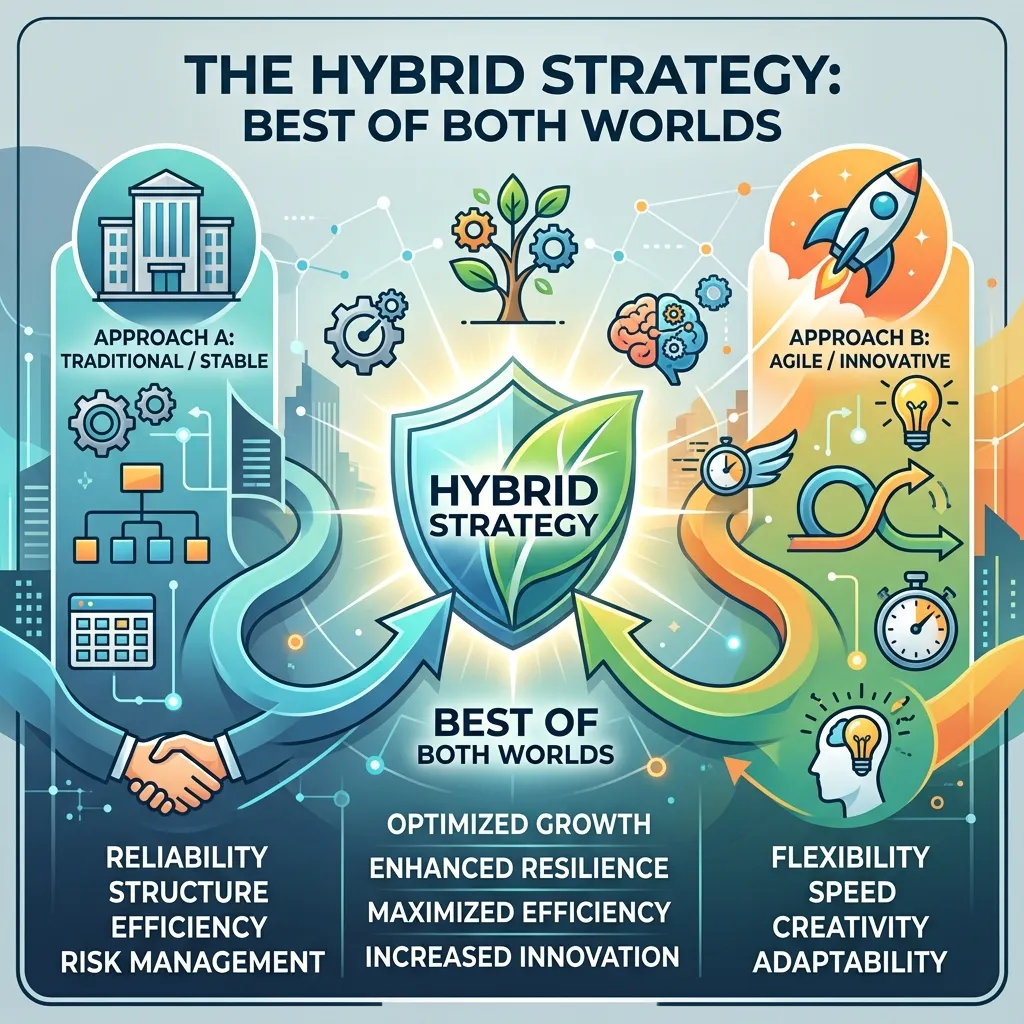
Many businesses do not choose only one option. Instead, they use both.
A hybrid strategy in the marketplace vs eCommerce website debate means selling on marketplaces while also building your own eCommerce website. This approach lets you gain short-term sales from marketplace traffic while slowly building a brand asset that you fully own.
This can work very well. You can use marketplaces to get early visibility and cash flow, then direct loyal customers to your website through packaging, email follow-ups, loyalty programs, and content marketing. Over time, the eCommerce website becomes the center of your business while the marketplace remains a helpful sales channel.
A hybrid model is especially useful for businesses that want stability and growth at the same time.
Common Mistakes to Avoid
When people compare marketplace vs eCommerce website, they often make a few mistakes.
One mistake is assuming the marketplace is always cheaper because it has no website cost. In reality, commissions and fees can become expensive over time.
Another mistake is assuming an eCommerce website will automatically bring traffic. It will not. You must invest in marketing and customer acquisition.
A third mistake is ignoring branding. If you care about long-term growth, your brand matters as much as your products.
A fourth mistake is depending on only one channel. A business that relies entirely on a marketplace or only on a website may become vulnerable if sales slow down. Diversification is usually safer.
Final Verdict: Marketplace vs eCommerce Website
The marketplace vs eCommerce website comparison does not have one universal winner. The better choice depends on your goals, budget, timeline, and growth strategy.
If you want quick setup, built-in traffic, and lower initial effort, a marketplace is a great place to start. If you want stronger branding, higher control, better margins, and long-term business value, an eCommerce website is the better option.
For most serious businesses, the smartest path is to use the marketplace for early momentum and the eCommerce website for long-term growth. That way, you can benefit from both reach and ownership.
The most successful online businesses do not just sell products. They build assets, relationships, and systems that keep growing over time. That is why understanding marketplace vs eCommerce website is one of the most important decisions any online seller can make.
Frequently Asked Questions
1. What is the main difference between a marketplace and an eCommerce website?
A marketplace is a shared platform where many sellers list products, while an eCommerce website is your own branded store where you sell directly to customers.
2. Which is cheaper to start: marketplace vs eCommerce website?
A marketplace is usually cheaper to start because it requires less upfront investment. However, an eCommerce website may be more profitable later because you avoid marketplace commissions.
3. Which is better for beginners?
Beginners often start with a marketplace because it is easier to launch and has built-in traffic. Still, an eCommerce website is better for long-term branding and control.
4. Can I sell on both a marketplace and an eCommerce website?
Yes. Many businesses use a hybrid strategy. They sell on marketplaces for quick sales and use their eCommerce website to build a stronger brand and customer base.
5. Which model gives better profit margins?
An eCommerce website usually offers better profit margins because you do not pay marketplace commissions on every sale.
6. Which option is better for branding?
An eCommerce website is much better for branding because you control the full design, message, and customer experience.
7. Do marketplaces bring more traffic than websites?
Yes, marketplaces usually provide more immediate traffic because they already have large numbers of shoppers. Websites need marketing to attract visitors.
8. Which one gives me more customer data?
An eCommerce website gives you more customer data and control. Marketplaces often limit access to customer information.
9. Is it hard to manage an eCommerce website?
It takes more effort than a marketplace, but modern platforms like Shopify and WooCommerce make it much easier than before.
10. Which is better for long-term growth?
An eCommerce website is usually better for long-term growth because it gives you ownership, branding, and more control over your business.
11. Should I use a marketplace or website for product testing?
A marketplace is often better for testing products quickly because it allows you to launch fast and see demand without building a full store first.
12. What is the smartest strategy for online business growth?
The smartest strategy is often a hybrid one: start with a marketplace for traction, then build your own eCommerce website for brand growth, repeat sales, and long-term stability.