E-commerce SEO: Complete Guide to Boosting Your Online Store’s Visibility and Sales
In today’s competing digital marketplace, it is not enough to have a beautiful online store to guarantee success. Without effective e-commerce SEO (search engine optimization), your products can remain hidden from potential customers, regardless of quality or value. Since online shopping dominates retail development, the ability to appear as prominent in search results has become an important factor that distinguishes wealthy e-commerce companies from struggling people.
E-commerce SEO and Why It for Your Online Store
E-commerce SEO is particularly special practice in customizing online stores and product pages to rank higher on the search engine results (SERP), for questions about commercial and transaction. Unlike General SEO, e-commerce SEO focuses specifically on qualified traffic driving that converts to pay customers for your online store.
According to recent data from BrightEdge Research, organic search drives 53% of all website traffic and delivers over 40% of revenue across industries. For e-commerce businesses specifically, these numbers can be even higher, with some online retailers reporting that over 60% of their sales originate from organic search.
The Core Components of Effective E-commerce SEO Strategy
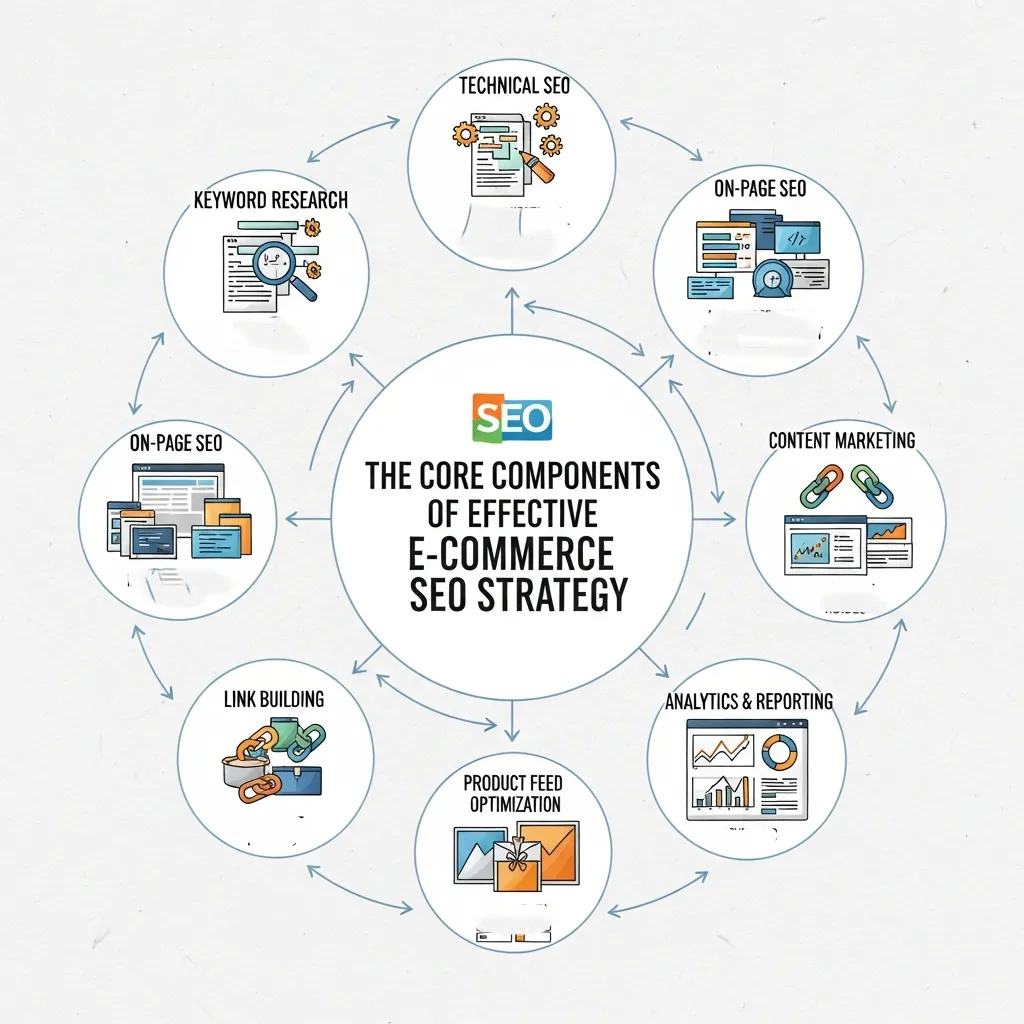
A comprehensive e-commerce SEO strategy encompasses several interconnected elements, each playing a vital role in improving your store’s visibility and performance in search results.
1. Keyword Research for E-commerce
Effective e-commerce SEO begins with understanding exactly what your potential customers are searching for. This means identifying not just general terms related to your products, but specifically:
- Commercial intent keywords – Terms that indicate someone is ready to make a purchase (e.g., “buy women’s waterproof hiking boots”)
- Product-specific keywords – Searches for particular products (e.g., “Samsung Galaxy S23 Ultra 512GB”)
- Category keywords – Broader terms for product categories (e.g., “men’s running shoes”)
- Informational keywords – Questions and queries your potential customers have (e.g., “how to choose a gaming laptop”)
- Long-tail keywords – More specific, often longer phrases with less competition (e.g., “ergonomic office chair with adjustable lumbar support under $300”)
For e-commerce businesses, prioritizing keywords with commercial intent is particularly important, as these represent users who are closer to making a purchase decision. Tools like Ahrefs, SEMrush, and even Google’s Keyword Planner can help identify valuable keywords with good search volume and reasonable competition levels.
2. Technical SEO for E-commerce Websites
Technical SEO forms the foundation of your e-commerce site’s search performance. Without a technically sound website, even the best content and link building efforts may fall short. Key technical considerations include:
Site Structure and Navigation
E-commerce websites often contain thousands of pages, making an intuitive, hierarchical structure essential. Your site architecture should follow a logical pattern:
- Homepage
- Category pages
- Subcategory pages (if needed)
- Product pages
This creates a clear path for both users and search engine crawlers to follow, ensuring all pages are accessible and properly indexed.
Site Speed Optimization
Site speed is particularly crucial for e-commerce sites, with studies showing that 40% of users abandon websites that take more than 3 seconds to load. Google also uses page speed as a ranking factor, making optimization essential through:
- Image compression and proper formatting
- Minification of CSS and JavaScript
- Leveraging browser caching
- Implementing Content Delivery Networks (CDNs)
- Reducing unnecessary plugins and scripts
Mobile Optimization
With mobile commerce accounting for an increasingly large percentage of online sales, ensuring your e-commerce site performs flawlessly on mobile devices is non-negotiable. This means implementing responsive design, optimizing touch elements, and ensuring text is readable without zooming.
URL Structure
Clean, descriptive URLs help both users and search engines understand your page content. E-commerce URLs should:
- Be concise and readable
- Include relevant keywords
- Use hyphens to separate words
- Follow a logical hierarchy that reflects your site structure
Example of a good e-commerce URL: yourstore.com/womens-clothing/dresses/summer/blue-maxi-dress
3. On-Page SEO for E-commerce Pages
On-page optimization for e-commerce involves tailoring individual pages to perform well in search results while also converting visitors into customers.
Product Page Optimization
Product pages represent your greatest opportunity to convert visitors. Optimize them by:
- Creating unique, detailed product descriptions (never copy manufacturer descriptions)
- Including comprehensive product specifications
- Using high-quality images with descriptive file names and alt text
- Incorporating product videos where appropriate
- Adding schema markup to enhance SERP listings with price, availability, and ratings
- Encouraging and displaying customer reviews
Category Page Optimization
Category pages often target some of the most valuable, high-volume keywords in e-commerce. Optimize them with:
- Unique, informative category descriptions (300+ words)
- Internal links to subcategories and popular products
- Breadcrumb navigation showing the page’s position in your site hierarchy
- Appropriate schema markup
- Clear filters and sorting options to improve user experience
Meta Tags and Headings
Every page on your e-commerce site should have:
- Unique title tags containing relevant keywords (under 60 characters)
- Compelling meta descriptions that encourage clicks (under 155 characters)
- Proper heading structure (H1, H2, H3) that incorporates relevant keywords
Content Marketing for E-commerce SEO
Content serves multiple purposes in e-commerce SEO, from answering customer questions to targeting top-of-funnel keywords that bring new potential customers to your site.
Developing a Content Strategy
An effective e-commerce content strategy targets the entire customer journey:
- Awareness stage content – Educational blog posts, buying guides, and industry news
- Consideration stage content – Product comparisons, detailed buying guides, and FAQ pages
- Decision stage content – In-depth product descriptions, case studies, and testimonials
Types of Content for E-commerce Sites
Consider incorporating these content types to enhance your e-commerce SEO:
- Buying guides – Comprehensive resources helping customers choose between products
- How-to articles – Instructional content related to your products
- Product comparisons – Direct comparisons between similar products
- Size guides – Essential for clothing and accessories
- Care and maintenance guides – Information on preserving product quality
- Seasonal content – Holiday gift guides or seasonal buying guides
According to a study by the Content Marketing Institute, e-commerce businesses that maintain consistent, quality content publishing see 6x higher conversion rates than those without a content strategy.
If you are interest for knowing about CPC : Click Here
Link Building for E-commerce Websites
Link building remains a critical ranking factor, though acquiring quality backlinks can be challenging for e-commerce sites. Effective tactics include:
Product PR and Digital Outreach
Sending products to reviewers, bloggers, and journalists can generate high-quality backlinks and exposure. Focus on building relationships with influencers in your niche.
Resource Link Building
Create truly valuable resources related to your products that others will naturally want to link to, such as:
- Industry studies with original data
- Comprehensive guides
- Interactive tools
- Infographics
- Original research
Supplier and Manufacturer Relationships
Many manufacturers maintain “where to buy” pages listing their retailers. Ensure your store is included on these pages for easy backlinks.
Advanced E-commerce SEO Techniques
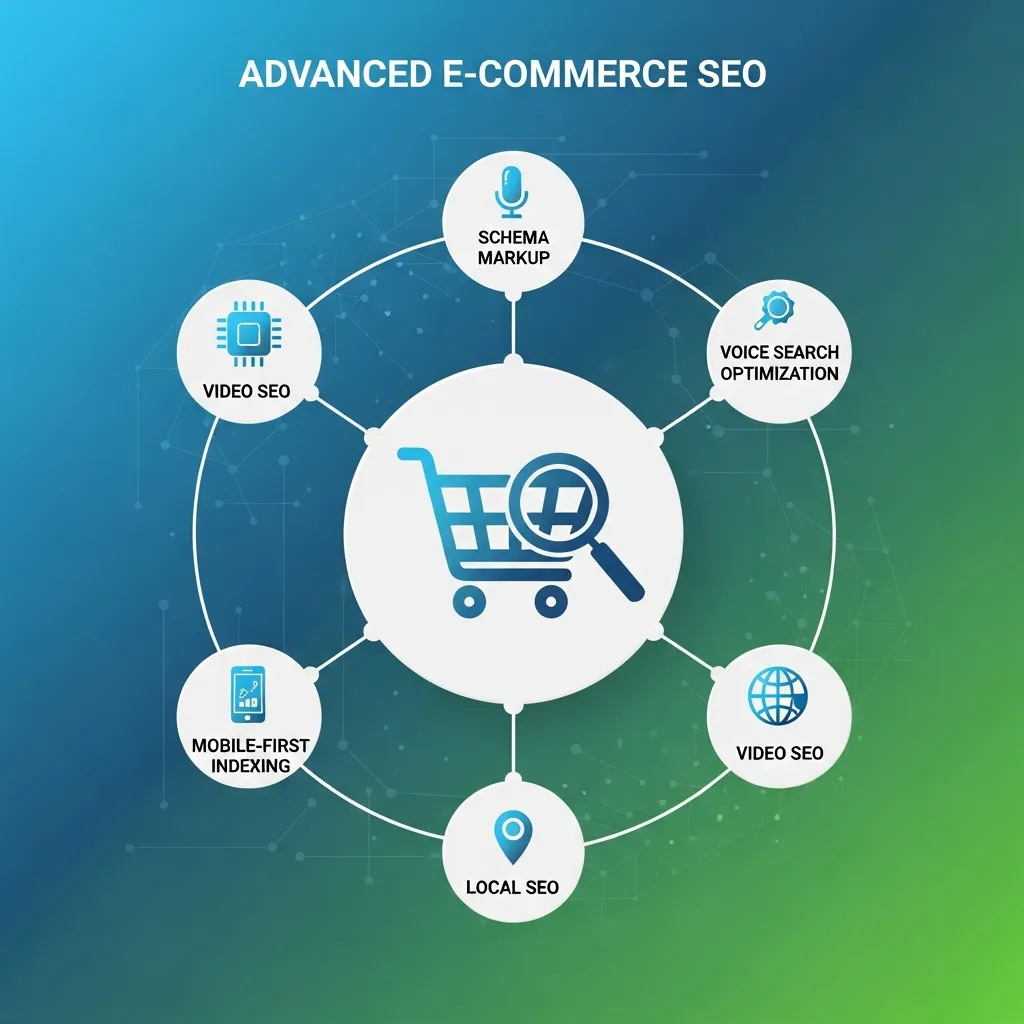
Semantic SEO for E-commerce
Semantic SEO focuses on understanding user intent and creating comprehensive content that thoroughly addresses a topic. For e-commerce, this means:
- Covering related concepts and questions in your product and category descriptions
- Using natural language that addresses various aspects of products
- Including synonyms and related terms (not just repeating the same keywords)
- Creating topic clusters around major product categories
- Using structured data to help search engines understand your content
Internal Linking Strategy
A strategic approach to internal linking helps distribute page authority throughout your site and guides users to related products. Implement:
- Related products sections
- “Customers also bought” recommendations
- Links from blog content to relevant products
- Breadcrumb navigation
- Featured or bestselling product links on category pages
User-Generated Content
Encourage user-generated content to enhance SEO through:
- Customer reviews and ratings
- Q&A sections on product pages
- User-submitted photos and videos
- Community forums or discussions
Measuring E-commerce SEO Success
Track these key performance indicators (KPIs) to gauge the effectiveness of your e-commerce SEO efforts:
- Organic traffic growth – Overall and by page type (product, category, etc.)
- Keyword rankings – Especially for high-priority commercial terms
- Organic conversion rate – The percentage of organic visitors who make purchases
- Revenue from organic search – The ultimate measure of SEO success
- Average order value from organic traffic – Indicates quality of organic visitors
- Organic landing pages – Which pages are attracting search traffic
- Bounce rate and time on site – Indicators of visitor engagement
Common E-commerce SEO Challenges and Solutions
Managing Duplicate Content
E-commerce sites often struggle with duplicate content due to similar products, multiple filtering options, and paginated pages. Address this by:
- Using canonical tags to identify the preferred version of content
- Implementing proper parameter handling for filtered navigation
- Creating unique descriptions for similar products
- Using robots.txt to block unnecessary duplicate pages
Handling Out-of-Stock Products
When products go out of stock, preserve SEO value by:
- Keeping the page live with an “out of stock” notice
- Adding an email notification option for when the item returns
- Suggesting alternative products
- Adding an expected return date if possible
- Using the proper schema markup to indicate availability status
International SEO for Global E-commerce
For stores selling internationally:
- Implement hreflang tags to indicate language and regional targeting
- Consider separate domains, subdomains, or subdirectories for different markets
- Adapt content for local markets (not just translation)
- Ensure proper currency, payment methods, and shipping information by region
Building a Sustainable E-commerce SEO Strategy
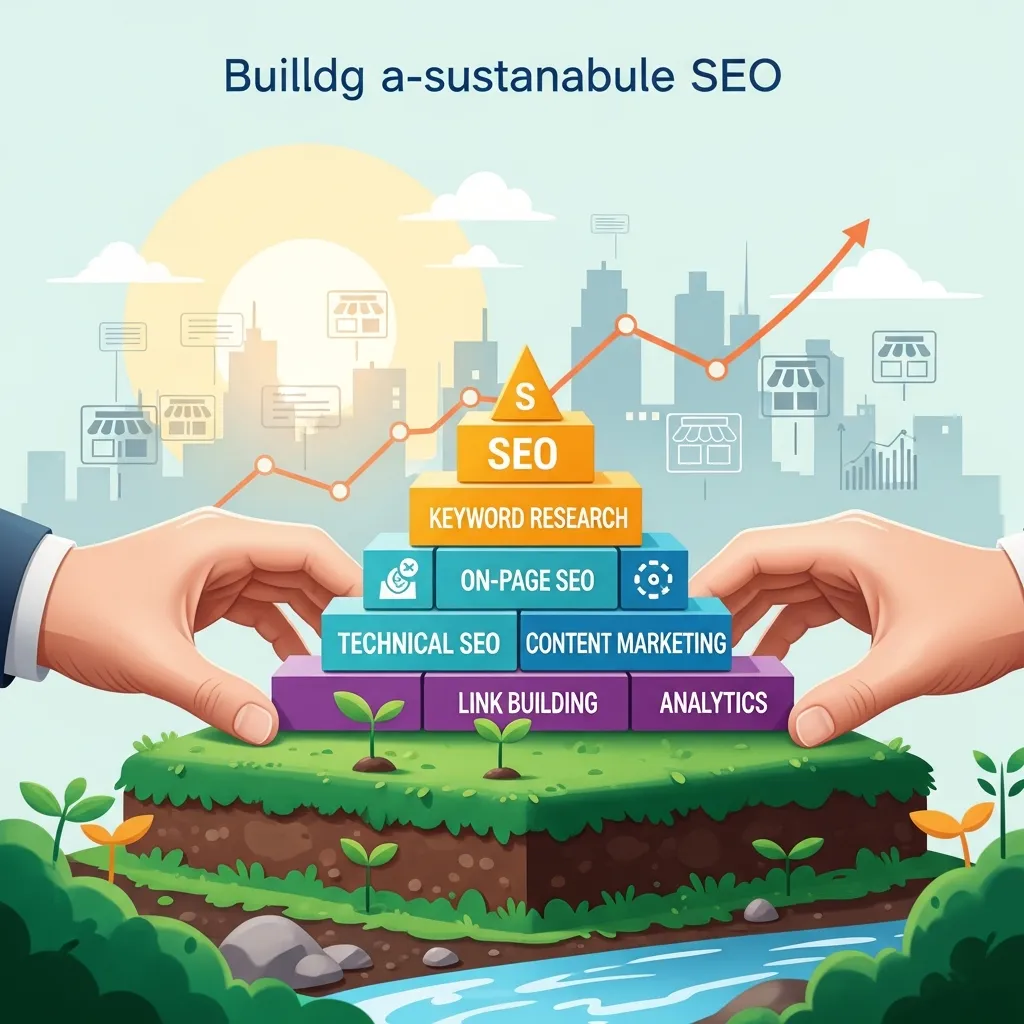
The e-commerce SEO is not an attempt to be a once-attempt, but an ongoing process that requires continuous attention and processing. The most successful online store instead of a core business ceremony to SEO instead of one.
By focusing on offering exceptional user experience, by creating valuable materials that actually meet the customer’s needs, and maintain technical skill, your e-commerce website can achieve permanent organic detection development that increases revenues in the years to come.
Remember that fast victory is possible, the most valuable SEO results come from continuous implementation of best practice in all aspects of your online store. Begin with the basic things mentioned in this guide, measure your results, and continuously refine your approach depending on data and performance.
With patience and endurance, e-commerce SEO can become your most cost-effective and reliable channel to attract qualified traffic and run sales for your online business.