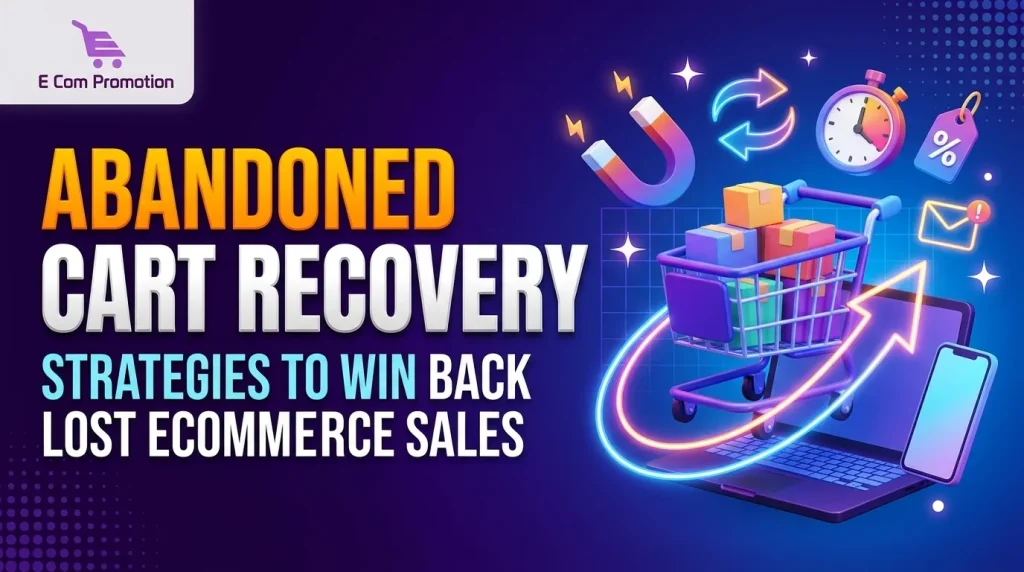
Abandoned Cart Recovery: Strategies to Win Back Lost Ecommerce Sales
Abandoned cart recovery is one of the most effective ways for ecommerce businesses to increase sales without constantly spending money on acquiring new customers. Many shoppers add products to their carts but leave the website before completing their purchases. This can happen because of unexpected shipping costs, complicated checkout processes, payment concerns, or simply a lack of time. However, these customers have already shown interest in the products, making them valuable potential buyers.
With the right strategies, businesses can reconnect with these shoppers, address their concerns, and encourage them to complete their orders. From automated email reminders and personalized offers to checkout improvements and retargeting campaigns, there are several ways to recover lost sales. In this guide, we will explore practical techniques, prevention methods, and marketing solutions that help ecommerce stores improve conversions and build better customer experiences.
Abandoned Cart Recovery Strategies
Every ecommerce business experiences customers who add products to their shopping carts but leave without purchasing. Instead of considering these visitors lost opportunities, businesses should develop effective strategies to bring them back. A successful approach starts with understanding why customers abandon their carts and identifying what prevents them from completing their purchases. One effective strategy is to send personalized follow-up messages that remind customers about the products they left behind. These messages can include product images, descriptions, prices, and a direct link to the checkout page. Making it easy for customers to return to their previous shopping session can significantly improve the chances of completing a purchase.
Another useful approach is offering limited-time discounts or free shipping when appropriate. Some customers abandon their carts because the final price is higher than expected. A small incentive can encourage them to reconsider their decision. However, businesses should avoid offering discounts too frequently because customers may start expecting them before making every purchase. Customer trust also plays an important role. Displaying secure payment options, transparent return policies, genuine reviews, and clear delivery information can reduce uncertainty. Combining these improvements with a consistent abandoned cart recovery strategy helps businesses turn interested visitors into paying customers.
Shopping Cart Abandonment Solutions
Shopping cart abandonment can happen for several reasons, and understanding these problems is essential for choosing the right solutions. Customers may leave because of unexpected additional charges, limited payment methods, slow website performance, or a checkout process that requires too much information. One practical solution is to make all costs visible before customers reach the final checkout stage. Shipping fees, taxes, and additional charges should be communicated clearly. When shoppers discover unexpected expenses at the last moment, they may lose confidence and decide not to continue.
Offering multiple payment methods is another important improvement. Different customers prefer different payment options, including credit cards, debit cards, mobile payments, and digital wallets. Providing convenient alternatives makes the purchasing process easier for a wider audience. Businesses should also simplify account registration. Allowing guest checkout can reduce unnecessary steps and help customers complete purchases faster. A responsive website that works smoothly across smartphones, tablets, and desktop devices is equally important. These shopping cart abandonment solutions become more effective when combined with abandoned cart recovery campaigns. While website improvements prevent some customers from leaving, follow-up communication helps reconnect with those who have already abandoned their carts.
How to Recover Abandoned Carts
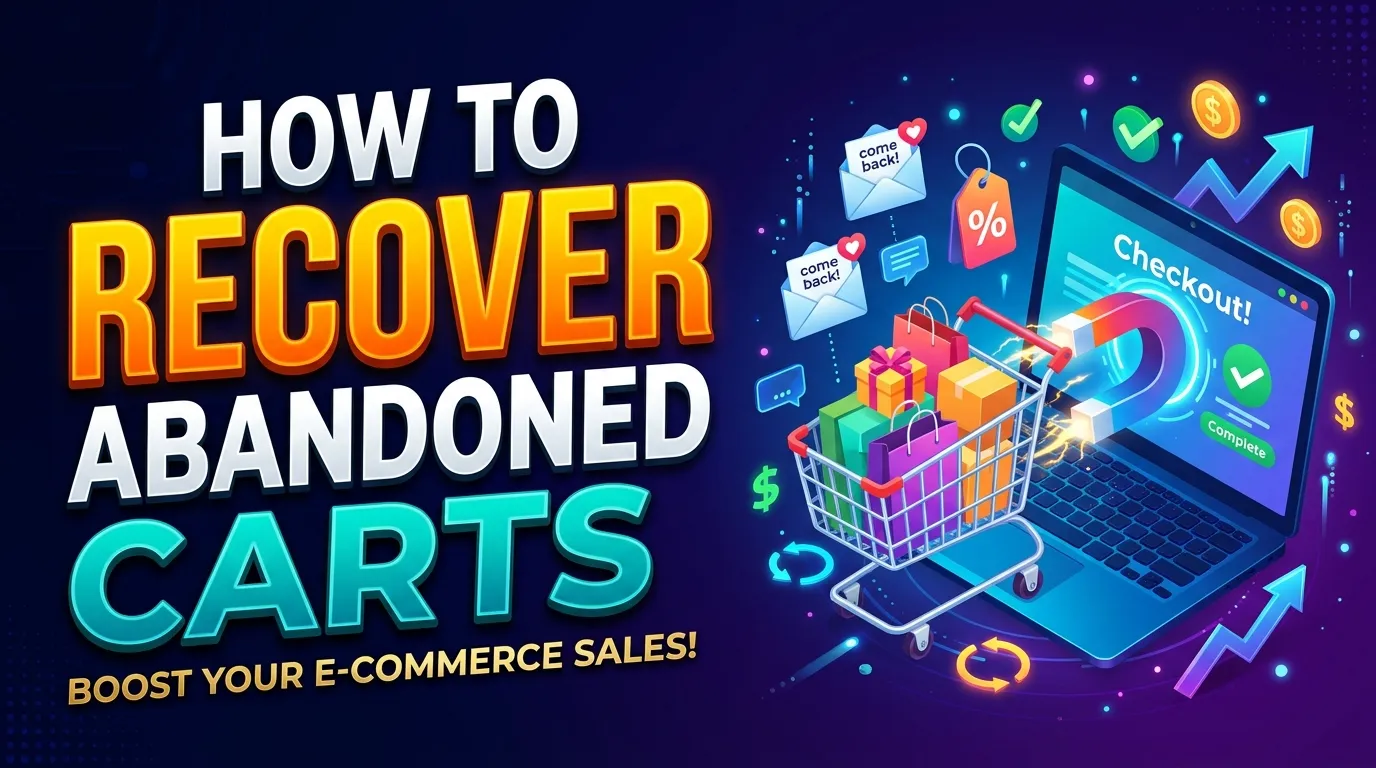 Learning how to recover abandoned carts requires a combination of customer understanding, timely communication, and a convenient purchasing experience. The first step is collecting useful information about abandoned shopping sessions, including the products selected, customer contact details when available, and the stage where the shopper left the checkout process. Once this information is available, businesses can create personalized follow-up campaigns. For example, a customer who leaves a pair of shoes in their cart may receive a reminder featuring the same product, available sizes, and a direct checkout link. Personalization makes the message more relevant and helps customers remember why they were interested in the product.
Timing is another important factor. Sending the first reminder within a few hours can help customers return while their interest is still fresh. A second message can follow after approximately 24 hours, while another reminder may be sent after two or three days. Businesses should test different schedules to understand what works best for their audience. The messages should focus on helpful information rather than creating unnecessary pressure. Mentioning product availability, answering common questions, or explaining return policies can make customers feel more comfortable about purchasing. A complete abandoned cart recovery process should also measure results. Tracking recovered revenue, click-through rates, conversion rates, and email engagement helps businesses identify which messages are performing well and where improvements are needed.
Abandoned Cart Email Campaigns
Email marketing remains one of the most useful methods for reconnecting with customers who leave products in their shopping carts. Abandoned cart email campaigns provide businesses with an opportunity to remind shoppers about their selected products and encourage them to return to the checkout page. A successful campaign usually includes a short, attention-grabbing subject line, personalized content, product details, and a clear call to action. Instead of sending a generic promotional message, businesses should show customers exactly what they left behind. Including product images and a convenient return-to-cart link makes the process simple.
The first email should generally serve as a friendly reminder. A second email can address possible concerns by highlighting product benefits, customer reviews, shipping information, or return policies. A final follow-up may include a special incentive if the business considers it commercially worthwhile. The overall email design should be simple and mobile-friendly. Many shoppers check their emails on smartphones, so messages should load quickly and display important information clearly.
Businesses can also improve their broader marketing approach by exploring different ways to connect with audiences. For example, learning how to promote a business without social media can help ecommerce brands discover additional promotional channels beyond social platforms. When implemented correctly, abandoned cart recovery emails create a consistent communication process that brings interested customers back to the store without requiring manual follow-ups.
Ecommerce Cart Recovery Techniques
Modern ecommerce businesses can use several techniques to reconnect with shoppers and recover potentially lost revenue. The best method depends on customer behavior, product type, purchasing habits, and marketing resources. Retargeting advertisements are particularly useful for reaching shoppers who visited a website but did not complete their purchases. These advertisements can display previously viewed products across supported advertising platforms, reminding customers about items they may still want to purchase.
SMS reminders are another option when customers have provided valid consent to receive promotional or transactional messages. Because text messages are generally viewed quickly, a short reminder with a direct checkout link can help customers return to their carts. Personalized product recommendations can also improve results. Businesses may suggest related products, complementary accessories, or alternative options based on a shopper’s browsing behavior. This approach can be especially useful when the original product is unavailable or the customer is still comparing alternatives.
Marketing automation makes these techniques easier to manage. Instead of manually contacting every customer, businesses can create automated workflows based on specific actions, such as adding a product to a cart or leaving the checkout page. Ecommerce brands looking to strengthen their promotional activities can also explore professional advertising methods. Understanding how a TV ad production company approaches advertising production can provide useful ideas for building recognizable brand messages and reaching audiences through traditional media. By combining personalized communication, retargeting, and automation, businesses can build a stronger abandoned cart recovery system that supports long-term sales growth.
Cart Abandonment Prevention Strategies
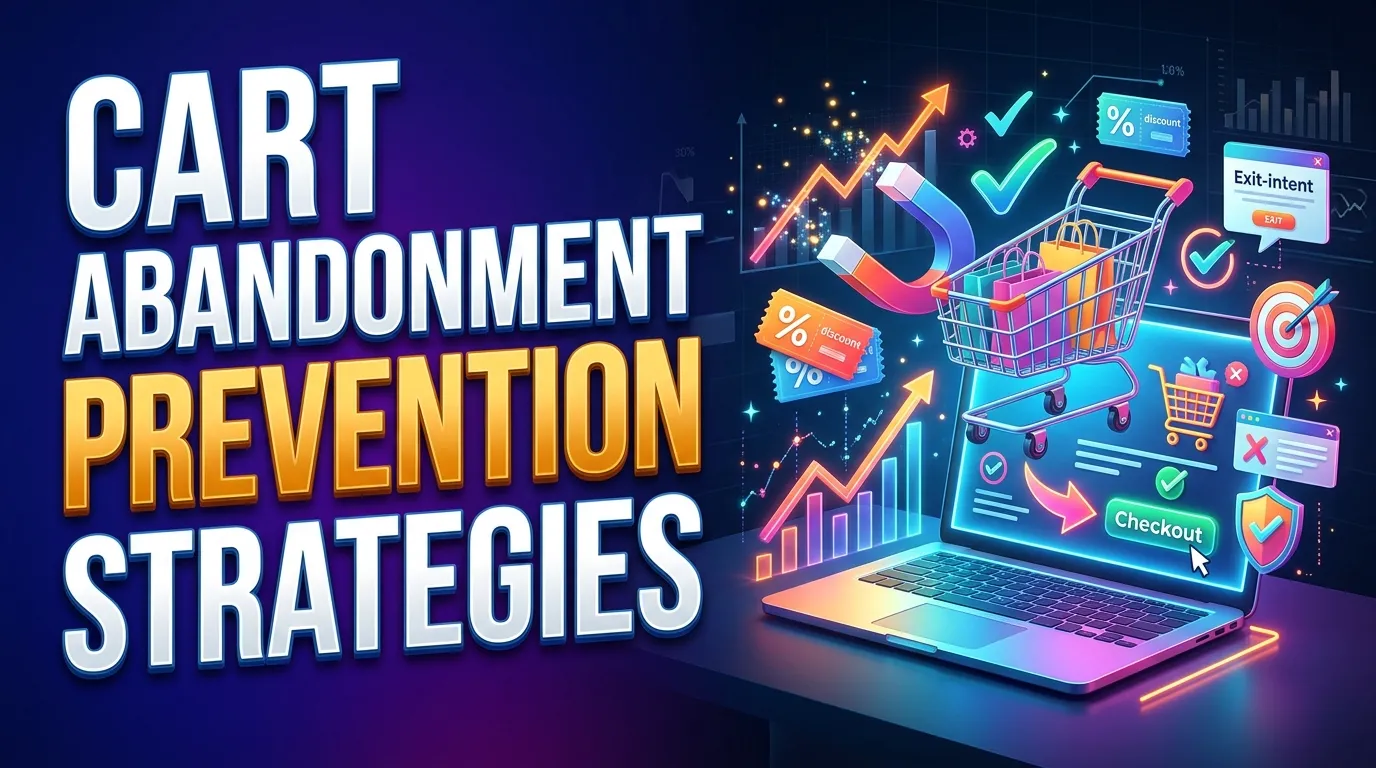 Recovering abandoned purchases is valuable, but preventing customers from abandoning their carts in the first place can be even more beneficial. Businesses should focus on creating a smooth shopping experience that removes unnecessary obstacles throughout the purchasing journey. One of the most important prevention strategies is improving website speed. Slow-loading product pages and checkout screens can frustrate shoppers, especially those using mobile devices. Optimizing images, reducing unnecessary scripts, and choosing reliable hosting can improve website performance.
Transparent pricing is equally important. Customers should understand the total cost of their purchase before reaching the payment stage. Clearly displaying shipping fees, taxes, and delivery estimates helps prevent unpleasant surprises. Trust signals also influence purchasing decisions. Secure payment badges, customer testimonials, product reviews, and accessible customer support can make shoppers feel more confident. Businesses should provide clear information about refunds, exchanges, warranties, and delivery policies.
Another effective method is offering a simple checkout experience. Reducing unnecessary form fields and providing guest checkout can make the process faster. Customers should also be able to review their orders and correct mistakes before submitting payment. Businesses can strengthen these efforts by developing a well-planned marketing strategy. Reading about an effective business strategy can provide additional insights into aligning customer experience, business objectives, and promotional activities. A strong prevention strategy combined with abandoned cart recovery gives ecommerce businesses a better opportunity to improve customer satisfaction and increase completed transactions.
Abandoned Checkout Recovery
Abandoned checkout recovery focuses specifically on shoppers who have already started the checkout process but leave before completing payment. These customers often have stronger purchase intentions than visitors who only browse product pages. However, checkout abandonment may indicate that something is preventing the final transaction. Common reasons include payment failures, unexpected delivery costs, complicated forms, security concerns, and a lack of preferred payment options.
To improve checkout completion, businesses should regularly test the entire purchasing process. They should check whether payment gateways work correctly, whether discount codes function properly, and whether customers can complete purchases without technical errors. Providing clear customer support during checkout can also make a difference. Live chat, accessible contact information, and helpful answers to common questions can resolve concerns before customers leave.
Businesses should also consider sending targeted reminders to shoppers who have entered their contact information during checkout. These reminders can include a link that takes customers directly back to the unfinished purchase rather than forcing them to repeat the entire process. A well-designed abandoned cart recovery system should distinguish between general cart abandonment and checkout abandonment. This allows businesses to send more relevant messages based on where customers stopped shopping. By identifying checkout problems and making the final purchasing steps easier, ecommerce stores can reduce unnecessary losses and improve their overall conversion performance.
Automated Abandoned Cart Reminders
Automation makes it possible for ecommerce businesses to follow up with customers consistently without requiring employees to manage every abandoned shopping session manually. Automated reminders can be triggered when a customer adds products to a cart or begins checkout but does not complete the purchase within a specified period. The first reminder can be sent a few hours after abandonment. Its purpose should be to gently remind the customer about the products they selected. If the customer does not return, another message can provide additional product information, customer reviews, or answers to common purchasing questions. Businesses can use email marketing platforms, ecommerce integrations, and customer relationship management systems to create these workflows. Many tools allow marketers to personalize messages using customer names, product images, pricing, and direct checkout links.
Segmentation is another important part of automation. New customers, returning customers, high-value shoppers, and customers purchasing specific product categories may respond differently to follow-up messages. Creating separate workflows can make communication more relevant. It is also important to avoid sending too many reminders. Excessive communication may frustrate customers and damage the brand’s reputation. Businesses should establish reasonable frequency limits and respect marketing consent requirements.
Developing these automated systems requires a good understanding of modern marketing technology. Businesses can explore the digital marketing skills needed in 2027 to understand how automation, analytics, and customer-focused marketing are becoming increasingly important. When properly configured, automated abandoned cart recovery reminders help businesses maintain consistent communication, save time, and recover sales opportunities more efficiently.
Ecommerce Conversion Rate Optimization
Ecommerce conversion rate optimization focuses on increasing the percentage of website visitors who complete desired actions, particularly purchases. Rather than relying only on attracting more visitors, businesses can improve the performance of their existing website traffic. The process begins with analyzing customer behavior. Website analytics can reveal where shoppers leave, which pages receive the most engagement, and which checkout steps create difficulties. These insights help businesses identify areas that need improvement.
A/B testing is another valuable technique. Businesses can test different product page layouts, headlines, button placements, images, and checkout designs to discover which versions generate better results. Even small changes can improve the shopping experience when supported by reliable data. Product descriptions should also be clear, informative, and customer-focused. High-quality images, detailed specifications, transparent pricing, and genuine reviews help customers make confident purchasing decisions.
Mobile optimization deserves particular attention because many shoppers browse and purchase through smartphones. Buttons should be easy to tap, forms should be simple to complete, and checkout pages should display correctly on different screen sizes. Businesses should measure their progress using meaningful metrics, including conversion rate, average order value, checkout completion rate, and recovered revenue. These measurements help identify whether changes are producing real improvements. Ecommerce conversion rate optimization and abandoned cart recovery work together. One improves the experience before customers abandon their purchases, while the other reconnects with shoppers who have already left. Combining both approaches creates a more complete strategy for increasing online revenue.
Reduce Shopping Cart Abandonment Rate
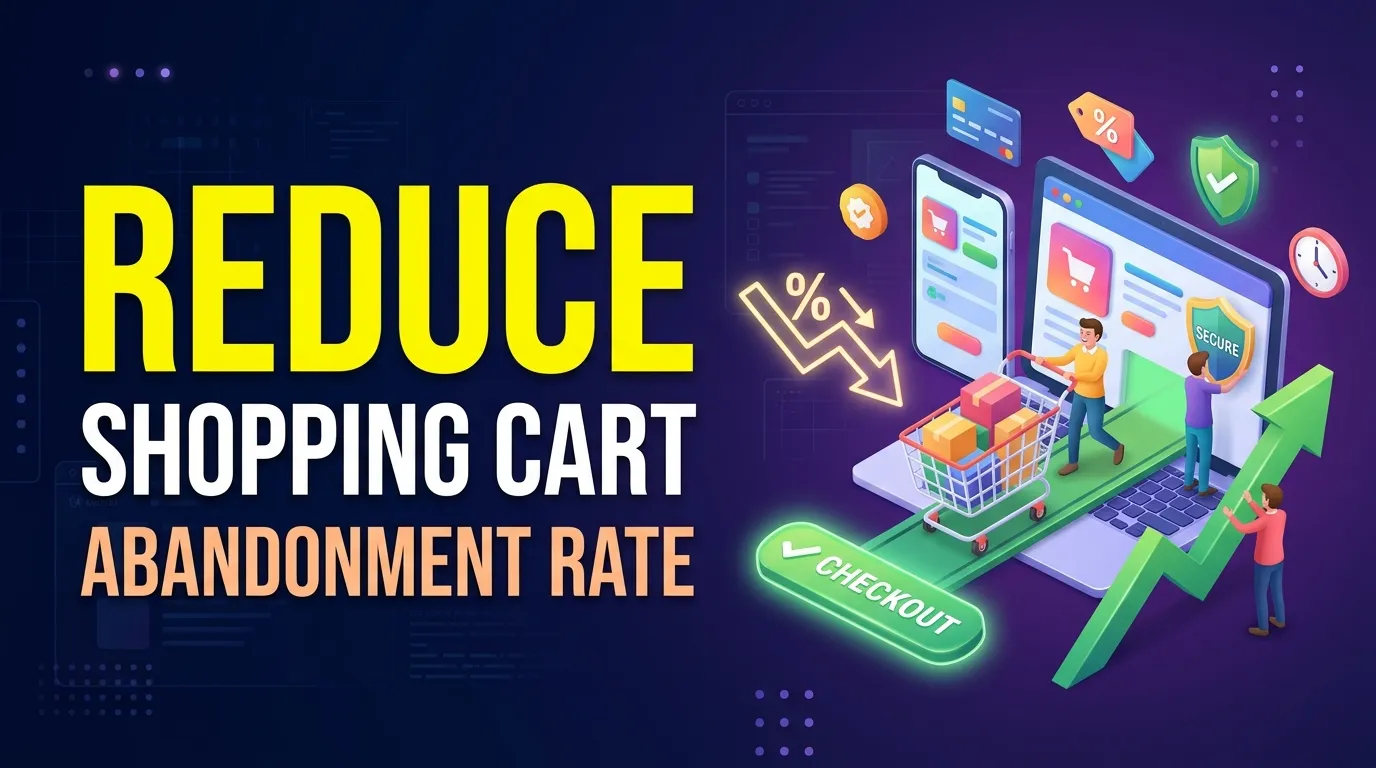 Reducing the shopping cart abandonment rate requires continuous attention to customer expectations, website performance, pricing, and checkout convenience. Businesses should not rely on a single marketing campaign or technical improvement. Instead, they should develop an ongoing process of testing, analyzing, and improving the customer journey. Start by identifying the most common reasons shoppers leave. Customer surveys, website analytics, checkout reports, and support conversations can provide valuable information. Understanding these reasons makes it easier to choose practical solutions rather than making changes based on assumptions.
Next, review the complete purchasing experience. Make sure product information is accurate, shipping costs are visible, payment options are convenient, and the checkout process works properly across devices. Businesses should also communicate their return policies and customer support options clearly. Personalization can further improve the experience. Relevant product recommendations, helpful reminders, and customized offers can encourage shoppers to complete purchases. However, businesses should balance personalization with customer privacy and avoid making messages feel intrusive.
Regularly reviewing abandoned cart recovery performance is equally important. Tracking the number of abandoned carts, successful recoveries, recovered revenue, and campaign engagement helps businesses understand which strategies deliver the best results. Ultimately, reducing cart abandonment is not just about sending reminders. It involves building customer trust, improving website usability, and making the purchasing process as convenient as possible. Ecommerce businesses that consistently focus on these areas can create better shopping experiences, increase conversions, and develop stronger customer relationships.
Conclusion
Abandoned cart recovery is an essential part of a successful ecommerce marketing strategy. Every abandoned shopping cart represents an opportunity to understand customer behavior, improve the buying experience, and reconnect with potential customers. From personalized email campaigns and automated reminders to checkout improvements and retargeting advertisements, businesses have several ways to recover lost sales. However, long-term success depends on identifying why customers abandon their purchases and addressing those problems effectively. By combining prevention techniques, customer-focused communication, and conversion rate optimization, ecommerce businesses can reduce unnecessary abandonment and make better use of their existing website traffic. A consistent approach can lead to more completed orders, stronger customer relationships, and sustainable business growth.
FAQ
1. What is abandoned cart recovery?
Abandoned cart recovery is the process of reconnecting with customers who add products to their online shopping carts but leave without completing their purchases. Businesses use email reminders, SMS messages, retargeting advertisements, and personalized offers to encourage these shoppers to return and finish checkout.
2. Why do customers abandon their shopping carts?
Customers abandon shopping carts for several reasons, including unexpected shipping costs, complicated checkout processes, limited payment options, slow websites, security concerns, and unexpected additional charges. Some shoppers also leave because they are comparing prices or are not ready to purchase.
3. How can I recover abandoned shopping carts?
You can recover abandoned shopping carts by sending personalized email reminders, offering helpful incentives, using SMS follow-ups with proper consent, and running retargeting campaigns. Making it easy for customers to return to their previous carts is also important.
4. What is the best time to send an abandoned cart email?
A good starting point is to send the first reminder within one to three hours after abandonment. A second reminder can follow after approximately 24 hours, with an optional final follow-up after two or three days. Businesses should test different schedules to find what works best for their customers.
5. Do abandoned cart email campaigns increase sales?
Yes. Abandoned cart email campaigns can increase sales by reminding interested shoppers about products they previously selected. Personalized messages, clear product information, convenient checkout links, and relevant incentives can encourage customers to complete their purchases.
6. How can I prevent shopping cart abandonment?
You can prevent shopping cart abandonment by offering transparent pricing, providing multiple payment options, improving website speed, simplifying checkout, allowing guest purchases, and displaying clear shipping and return policies. A mobile-friendly website also helps create a better purchasing experience.
7. What is the difference between cart abandonment and checkout abandonment?
Cart abandonment happens when shoppers add products to their carts but leave without completing the purchase. Checkout abandonment occurs when customers begin the checkout process but leave before submitting payment. Checkout abandonment generally indicates that shoppers are further along in their purchasing journey.
8. Can abandoned cart recovery be automated?
Yes. Ecommerce businesses can use email marketing platforms, CRM systems, and ecommerce automation tools to send reminders automatically. These systems can trigger personalized messages based on customer actions and predefined time intervals, reducing manual work.
9. How do I measure abandoned cart recovery success?
You can measure success by tracking recovered revenue, cart recovery rate, email open rate, click-through rate, checkout completion rate, and conversion rate. Comparing these metrics over time helps businesses understand which campaigns are most effective.
10. What is a good shopping cart abandonment rate?
There is no single ideal abandonment rate for every ecommerce business because results vary by industry, product category, customer behavior, and device. Businesses should establish their own baseline, compare performance with relevant industry benchmarks, and focus on improving their results over time.