
The Best Affiliate Marketing Tools to Grow Your Income
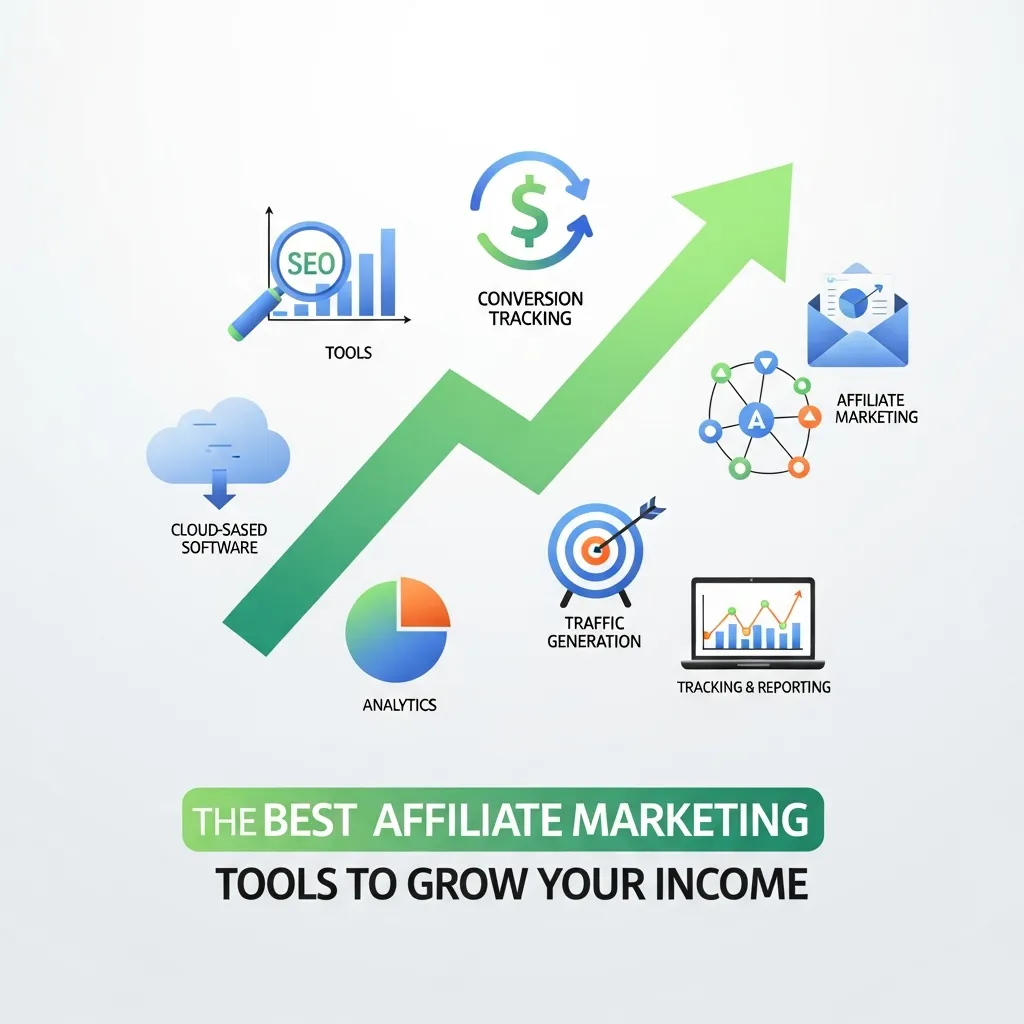
The best affiliate marketing tools cover tracking and analytics, keyword research, landing page optimization, email marketing, and content creation. Choosing the right stack depends on your niche, budget, and funnel stage—but platforms like Voluum, Ahrefs, Leadpages, ConvertKit, and Jasper consistently deliver strong results for affiliate marketers at every level.
Affiliate marketing has matured into a multi-billion dollar industry, and the gap between marketers who succeed and those who stall often comes down to one thing: their tools. The best affiliate marketing tools don’t just save time—they generate better data, tighter funnels, and higher commissions.
This post breaks down the essential categories of affiliate marketing software, the top platforms in each category, and how to combine them into a stack that works for your specific goals. Whether you’re focused on affiliate conversion rate optimization, scaling paid traffic, or building a long-term content business, the right tools will directly influence your results.
You’ll also find actionable guidance on building an effective affiliate marketing funnel, understanding CPC in affiliate marketing, and using Google Analytics for affiliate marketing to extract insights that most marketers overlook. By the end, you’ll have a clear picture of what to use, when to use it, and why it matters.
Understanding the Affiliate Marketing Ecosystem
What is affiliate marketing, and how does it work?
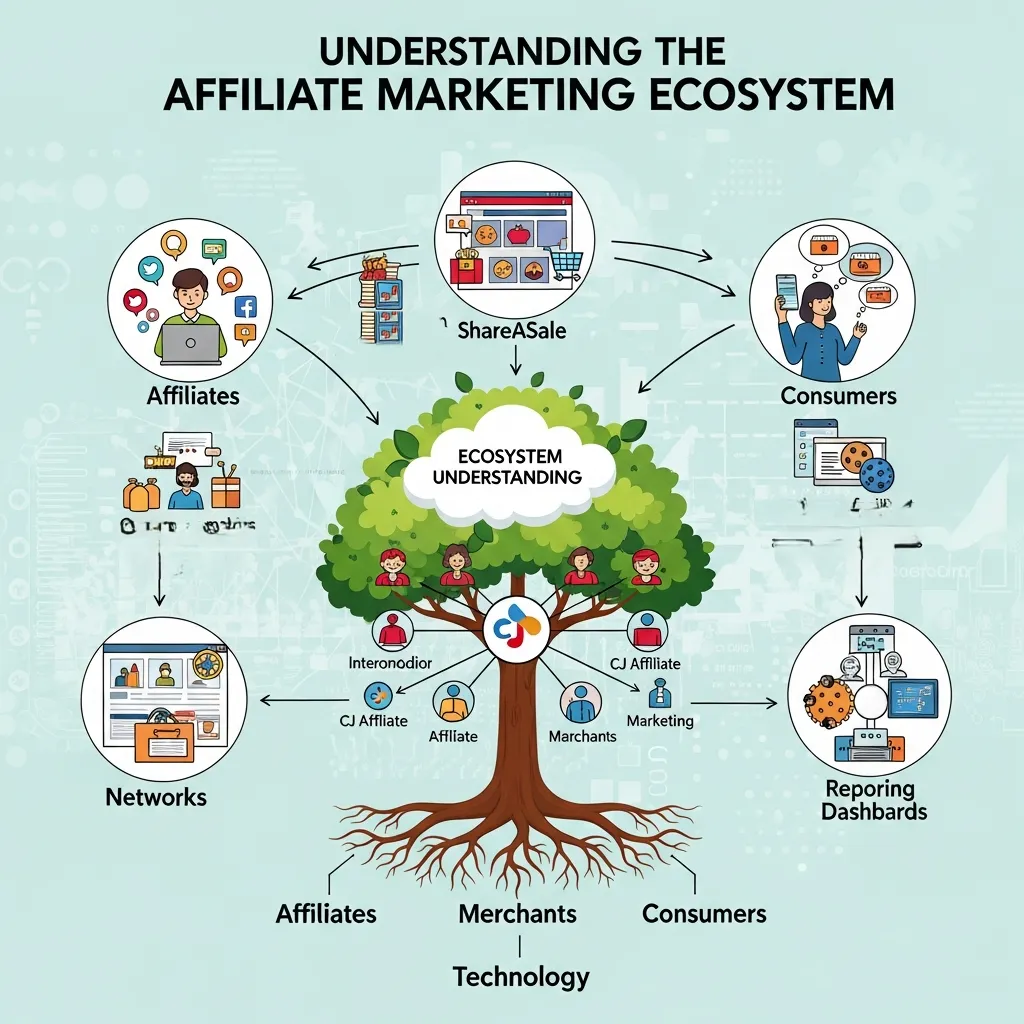
Affiliate marketing is a performance-based model where publishers—bloggers, content creators, media buyers, or influencers—earn commissions by driving traffic or sales to a merchant’s product. The merchant pays only when a desired action occurs, making it a low-risk channel for advertisers and a scalable income stream for publishers.
The ecosystem involves four key players: the merchant, the affiliate network (which tracks and manages the relationship), the affiliate marketer, and the end consumer. Each relationship relies on accurate tracking, clear attribution, and optimized conversion paths.
Why do affiliate marketers need specialized tools?
Managing an affiliate business without the right tools is like running paid ads without a tracking pixel—you’re spending money (or time) with no visibility into what’s working. The best affiliate marketing tools provide:
- Accurate attribution across multiple traffic sources
- Keyword data to identify high-intent, low-competition opportunities
- Landing pages built to convert traffic into clicks and sales
- Email sequences that nurture leads over time
- Content that builds trust and authority in a niche
The compounding effect of good tooling is significant. Marketers who use purpose-built platforms consistently report higher Affiliate Conversion Rate Optimization outcomes than those relying on generic software.
Essential Categories of Best Affiliate Marketing Tools
Tracking and analytics tools: how do affiliate marketers measure performance accurately?
Tracking is the foundation of every profitable affiliate campaign. Without it, you can’t identify which traffic sources, creatives, or offers are generating revenue—and you’ll keep pouring budget into campaigns that don’t convert.
Voluum is one of the most widely used affiliate tracking platforms. It offers real-time reporting, multi-touch attribution, and integrations with major traffic sources. Its anti-fraud detection features are particularly valuable for media buyers running paid campaigns.
Affise is another strong contender, especially for affiliate networks and agencies managing multiple advertisers. Affise offers customizable reporting dashboards, automated payouts, and smart targeting capabilities.
Beyond dedicated trackers, integrating Google Analytics for affiliate marketing adds a layer of behavioral data that most affiliate-specific tools don’t provide. Google Analytics tracks on-site engagement, session duration, bounce rates, and conversion paths—helping affiliates understand what happens after a click. Setting up UTM parameters correctly is essential to making Google Analytics for affiliate marketing work at full capacity.
Keyword research tools: how do you find profitable affiliate keywords?
Keyword research determines which niches and topics can realistically generate organic traffic. The best affiliate marketing tools in this category give you search volume, keyword difficulty, competitive analysis, and content gap data.
Ahrefs is widely regarded as the most comprehensive keyword research and backlink analysis platform available. Its Keywords Explorer tool provides accurate search volume data, click-through rate estimates, and parent topic groupings—making it easier to identify clusters of content worth building.
SEMrush offers similar functionality with additional features around site auditing, position tracking, and paid keyword analysis. SEMrush is particularly useful for affiliates who run both organic and paid traffic strategies.
SpyFu focuses on competitive intelligence. It reveals the keywords your competitors rank for organically and the exact paid keywords they’ve been bidding on—useful for understanding what’s already working in a niche before you invest time or money.
Landing page builders: what tools improve affiliate conversion rate optimization?
Once traffic arrives, your landing page determines whether a visitor converts. Affiliate conversion rate optimization is the practice of systematically improving that conversion rate through testing, design, and copywriting.
Leadpages offers a drag-and-drop builder with built-in A/B testing, lead capture forms, and integrations with major email platforms. Its conversion-focused templates are designed specifically for affiliate and direct response marketers.
Unbounce goes further with AI-powered Smart Traffic, which automatically routes visitors to the variant most likely to convert based on their attributes. For affiliates running split tests at scale, Unbounce’s dynamic text replacement and AMP page support provide a meaningful edge.
Both platforms contribute directly to affiliate conversion rate optimization by reducing friction in the funnel and enabling rapid iteration.
Email marketing software: how do affiliates build and monetize their audience?
Email remains one of the highest-ROI channels in affiliate marketing. Building a list allows affiliates to promote multiple offers over time, nurture cold traffic into warm buyers, and reduce dependence on search algorithm changes.
ConvertKit is built for creators and content-driven affiliates. Its visual automation builder, tagging system, and landing page tools make it easy to segment subscribers and deliver personalized sequences.
Mailchimp suits affiliates who prefer a broader feature set with a lower entry cost. Its free tier is functional for smaller lists, though its affiliate marketing policies restrict certain types of promotional emails—worth checking before committing.
Ad spy tools: how can affiliate marketers analyze competitor strategies?
Ad spy tools show you what’s running in the market—the creatives, landing pages, and offers your competitors are using. This intelligence shortens the testing cycle and helps you enter a niche with a validated approach.
AdPlexity covers native, mobile, push, and desktop ad formats. It aggregates data from hundreds of traffic sources and lets you filter by country, device, affiliate network, and ad type.
Anstrex offers similar functionality at a lower price point, with particularly strong coverage of native and push ad formats. Both tools are among the best affiliate marketing tools for media buyers running paid traffic campaigns.
Content creation tools: what tools help affiliates produce high-quality content?
Content is the primary driver of organic affiliate income. High-quality articles, reviews, and comparisons build search visibility and reader trust over time.
Jasper is an AI writing platform used by affiliate marketers to produce product reviews, comparison posts, and SEO-optimized content at scale. Jasper’s templates and Brand Voice feature help maintain consistency across large content operations.
Canva handles visual content—infographics, social media assets, banner ads, and custom images for blog posts. Its free tier is surprisingly capable, while the Pro plan unlocks brand kits and premium assets.
Website hosting and management: which hosting providers are best for affiliate sites?
Site speed and uptime directly affect both user experience and search rankings. Slow-loading affiliate sites lose visitors before a single click occurs.
Bluehost and SiteGround are two of the most recommended hosting providers for affiliate marketers. Bluehost offers affordable shared hosting with WordPress integration, making it accessible for beginners. SiteGround’s managed WordPress hosting delivers faster load times, daily backups, and superior customer support—better suited for sites with growing traffic.
Advanced Strategies with the Best Affiliate Marketing Tools

How do you master affiliate conversion rate optimization using your tool stack?
Affiliate conversion rate optimization isn’t a one-time task—it’s an ongoing process. Start by identifying the highest-traffic pages in your funnel and running A/B tests on headlines, CTAs, and page layouts using Leadpages or Unbounce. Use heatmapping tools like Hotjar to see where users drop off, and combine that data with Google Analytics for affiliate marketing to understand full conversion paths from source to sale.
How do you build an effective affiliate marketing funnel?
A well-structured affiliate marketing funnel moves a prospect from awareness to purchase through a deliberate sequence of touchpoints. A typical structure looks like this:
- Top of funnel: SEO content or paid ads attract traffic to a review or comparison page
- Middle of funnel: A lead magnet captures email addresses, triggering an automated sequence via ConvertKit or Mailchimp
- Bottom of funnel: Email sequences deliver targeted offers, social proof, and urgency to drive conversions
The affiliate marketing funnel works best when each stage is tracked independently. Use UTM parameters in Google Analytics for affiliate marketing to measure drop-off at each stage and identify where to optimize.
What does CPC in affiliate marketing mean, and why does it matter?
CPC in affiliate marketing refers to the cost-per-click you pay on paid traffic platforms like Google Ads or Meta Ads. Understanding CPC in affiliate marketing is critical for profitability: if you’re paying $1.50 per click on a campaign converting at 2%, you need your average commission to exceed $75 to break even.
Reducing CPC in affiliate marketing typically involves improving Quality Score (for Google Ads), refining audience targeting, and testing multiple ad creatives. Ad spy tools like AdPlexity help benchmark typical CPCs in a niche before you launch.
How does Google Analytics for affiliate marketing enhance campaign strategy?
Google Analytics for affiliate marketing provides behavioral data that affiliate-specific trackers often miss. Key uses include:
- Identifying which blog posts generate the most affiliate clicks using event tracking
- Segmenting traffic by source to compare conversion rates across organic, email, and paid channels
- Using audience reports to understand demographics and refine targeting
- Setting up conversion goals to measure actions that correlate with affiliate revenue
When used alongside a dedicated tracker like Voluum, Google Analytics for affiliate marketing creates a complete picture of both pre- and post-click behavior.
Choosing the Best Affiliate Marketing Tools for Your Business
What factors should determine your affiliate tool selection?
Three variables should drive your decision: budget, niche, and scale.
- Budget: Free tools like Google Analytics, Canva, and Mailchimp’s free tier are viable starting points. As revenue grows, reinvesting in paid platforms accelerates results.
- Niche: Content affiliates prioritize keyword research and writing tools. Media buyers need robust tracking and ad spy capabilities. Email-first affiliates invest in automation and segmentation.
- Scale: A solo affiliate running one site needs a different stack than an agency managing 20 campaigns. Match tool complexity to operational reality.
Free vs. paid affiliate marketing tools: which should you choose?
Free tools are a reasonable starting point, but they come with limitations—lower data caps, fewer integrations, and reduced support. Paid tools typically pay for themselves quickly when used correctly. A $99/month keyword tool that helps you identify a $3,000/month keyword cluster delivers obvious ROI.
The best approach is to start with free tiers, validate that a tool fits your workflow, then upgrade as volume justifies the cost.
Future Trends in the Best Affiliate Marketing Tools
How is AI changing affiliate marketing tool development?
AI is reshaping several layers of the affiliate marketing stack. AI writing platforms like Jasper are enabling content production at speeds previously impossible for solo affiliates. Predictive analytics tools are using machine learning to forecast campaign performance before significant spend occurs. AI-driven personalization is allowing affiliates to dynamically adapt landing pages based on visitor behavior—a major development for affiliate conversion rate optimization.
What role will influencer marketing tools play in affiliate marketing?
Influencer-affiliate hybrid models are growing. Platforms like Impact and PartnerStack now offer tools that blend traditional affiliate tracking with influencer campaign management, allowing brands to recruit, track, and pay influencers through the same infrastructure as their affiliate programs.
How is personalization technology affecting affiliate marketing funnels?
Personalized user experiences—dynamic content, behavior-based email triggers, and segment-specific landing pages—are becoming standard expectations. Affiliates who invest in personalization tools will build more effective affiliate marketing funnels and generate higher lifetime value from their audiences.
Building a Winning Affiliate Stack Starts Now

The best affiliate marketing tools don’t guarantee success—but the absence of the right tools almost guarantees underperformance. Tracking without keyword research produces traffic you can’t monetize. Content without a conversion-optimized landing page leaks revenue at every step. Email lists without segmentation deliver generic messages that don’t convert.
The most effective approach is to build your stack methodically: start with tracking and analytics (Voluum or Google Analytics for affiliate marketing), add keyword research (Ahrefs or SEMrush), build a conversion-focused landing page (Leadpages or Unbounce), and layer in email marketing (ConvertKit) once you have consistent traffic.
From there, expand into content creation tools like Jasper, competitor research with AdPlexity, and advanced affiliate conversion rate optimization through ongoing A/B testing. The affiliate marketing funnel becomes more profitable at every stage when each tool is doing its specific job well.
Review your stack quarterly. Tools evolve, pricing changes, and new platforms emerge. The affiliate marketers who consistently outperform their competitors aren’t necessarily the ones working hardest—they’re the ones working with the most capable tools.
Frequently Asked Questions
What are the best affiliate marketing tools for beginners?
Beginners should start with Google Analytics for affiliate marketing (free), a keyword tool like Ahrefs or SEMrush (both offer trials), Canva for visuals, and ConvertKit or Mailchimp for email. Bluehost or SiteGround handles hosting. This foundational stack covers tracking, content, and audience-building without heavy upfront investment.
How can I improve my affiliate conversion rate optimization?
Affiliate conversion rate optimization improves through systematic A/B testing of headlines, CTAs, and page layouts. Use Leadpages or Unbounce for structured testing, add heatmapping via Hotjar to identify friction points, and use Google Analytics for affiliate marketing to track which sources convert at the highest rate.
What makes an affiliate marketing funnel effective?
An effective affiliate marketing funnel moves prospects through awareness, consideration, and conversion using a connected sequence of touchpoints—typically SEO or paid content, a lead capture mechanism, and an email nurture sequence. Each stage should be tracked and optimized independently.
How important is CPC in affiliate marketing for paid campaigns?
CPC in affiliate marketing is a core profitability metric for paid traffic campaigns. If your CPC is too high relative to your conversion rate and average commission, the campaign runs at a loss. Managing CPC in affiliate marketing requires ongoing creative testing, Quality Score improvement, and audience refinement.
Can Google Analytics for affiliate marketing genuinely improve campaign results?
Yes. Google Analytics for affiliate marketing reveals behavioral data—session duration, bounce rates, page flow, and conversion paths—that dedicated affiliate trackers don’t capture. When properly configured with UTM parameters and conversion goals, it provides actionable insights that improve both content strategy and paid campaign performance.
Are there free best affiliate marketing tools worth using?
Several free tools deliver genuine value: Google Analytics for affiliate marketing, Canva’s free tier, Google Search Console for SEO monitoring, and Mailchimp’s free plan for lists under 500 contacts. These are legitimate starting points, though upgrading to paid versions typically unlocks meaningful additional capability.
How often should I update my affiliate marketing tools?
Review your tool stack every quarter. Evaluate whether each tool is delivering ROI relative to its cost, whether better alternatives have emerged, and whether your current needs have evolved. Avoid tool-switching too frequently—most platforms require time to show results.
What are the key features to look for in affiliate tracking software?
Prioritize real-time reporting, multi-touch attribution, traffic source integrations, bot and fraud detection, and customizable conversion tracking. Voluum and Affise are strong choices that cover all these requirements for serious affiliates.
How do I integrate multiple best affiliate marketing tools into a cohesive stack?
Start with your tracking layer (Voluum or Google Analytics for affiliate marketing) as the central hub. Ensure all traffic sources feed into this system via UTM parameters or pixel integration. Connect your landing page builder, email platform, and content tools to your CRM or analytics platform wherever integrations are available.
What role does content play in affiliate marketing success?
Content drives organic traffic, builds audience trust, and pre-qualifies visitors before they reach an offer. Well-researched reviews, comparison posts, and how-to guides consistently outperform thin promotional content in both search rankings and conversion rates. Tools like Jasper and Ahrefs support content production and optimization directly.
How can AI help with selecting and using the best affiliate marketing tools?
AI tools like Jasper streamline content production, reducing the time required to create affiliate reviews and comparison posts. AI-powered analytics platforms help identify performance patterns faster than manual analysis. As AI capabilities expand, expect more affiliate marketing tools to integrate predictive recommendations and automated optimization features.
What’s the best way to analyze competitor affiliate strategies?
Use ad spy tools like AdPlexity or Anstrex to study competitor creatives, landing pages, and traffic sources. Combine this with Ahrefs or SEMrush to analyze organic keyword rankings and backlink profiles. This combination reveals both paid and organic competitor strategies, giving you a clear benchmark before entering a niche.

1 thought on “The Best Affiliate Marketing Tools to Grow Your Income”