Conversion Rate Optimization: Complete Guide to Better Conversions
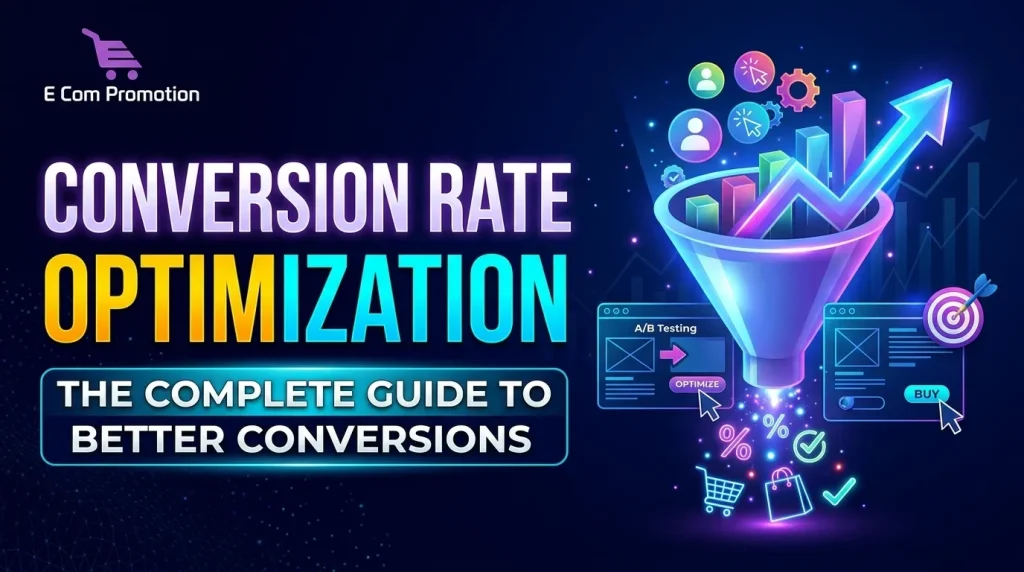
Conversion rate optimization is an essential digital marketing strategy that helps businesses turn more website visitors into customers, subscribers, or leads. Instead of spending more money to attract additional traffic, businesses can improve their existing website experience to encourage visitors to take meaningful actions. From landing page optimization and A/B testing to user experience improvements and conversion funnel analysis, effective strategies can significantly improve website performance. This guide explores practical techniques, tools, and best practices to help businesses increase conversions, improve customer experiences, and achieve sustainable online growth.
Conversion Rate Optimization Strategies
Conversion rate optimization is the process of improving a website or landing page to increase the percentage of visitors who complete a desired action. These actions may include purchasing products, filling out contact forms, subscribing to newsletters, downloading resources, or requesting services. A successful strategy focuses on understanding visitor behavior, identifying problems, and making improvements that encourage users to take action. One of the most effective approaches is understanding your target audience. Businesses should identify what customers need, what problems they want to solve, and what motivates them to make purchasing decisions. When website content, offers, and messaging match customer expectations, visitors are more likely to engage with the business.
Another important strategy involves creating clear calls to action. Visitors should immediately understand what they need to do next, whether that means purchasing a product, requesting a consultation, or signing up for an account. Using simple language, visible buttons, and persuasive messaging can remove confusion and improve engagement.
Businesses should also focus on building trust. Customer reviews, testimonials, security information, transparent pricing, and clear return policies help visitors feel comfortable making decisions. These elements are particularly important for new businesses that are still developing their online reputation. Companies exploring new opportunities can also learn from profitable online business ideas to understand how different business models attract customers and generate revenue. Combining a strong business model with effective conversion strategies creates a better foundation for long-term growth.
Website Conversion Optimization
Website conversion optimization focuses on improving the overall performance of a website so visitors can easily find information and complete important actions. A website should not only look attractive but also provide a smooth, reliable, and convenient experience across different devices. Website loading speed is one of the first factors businesses should evaluate. Slow websites can frustrate visitors and encourage them to leave before exploring products or services. Compressing images, reducing unnecessary scripts, improving hosting performance, and using browser caching can help create a faster browsing experience.
Navigation is equally important. Visitors should be able to find product categories, service information, pricing, and contact details without unnecessary effort. A simple navigation structure helps users move between pages naturally and reduces the possibility of losing potential customers. Mobile responsiveness is another essential consideration. Many customers browse websites through smartphones and tablets, so pages must adjust properly to different screen sizes. Buttons should be easy to tap, text should remain readable, and forms should be simple to complete.
Website content also plays a major role. Clear product descriptions, informative service pages, helpful images, and relevant information allow visitors to understand the value of an offer. Businesses should avoid unnecessary distractions and focus on communicating benefits that address customer needs. Conversion rate optimization becomes more effective when website improvements are based on actual visitor behavior rather than assumptions. Regularly reviewing analytics, identifying pages with high exit rates, and improving confusing sections can help businesses create a website that consistently generates better results.
Conversion Rate Optimization Techniques
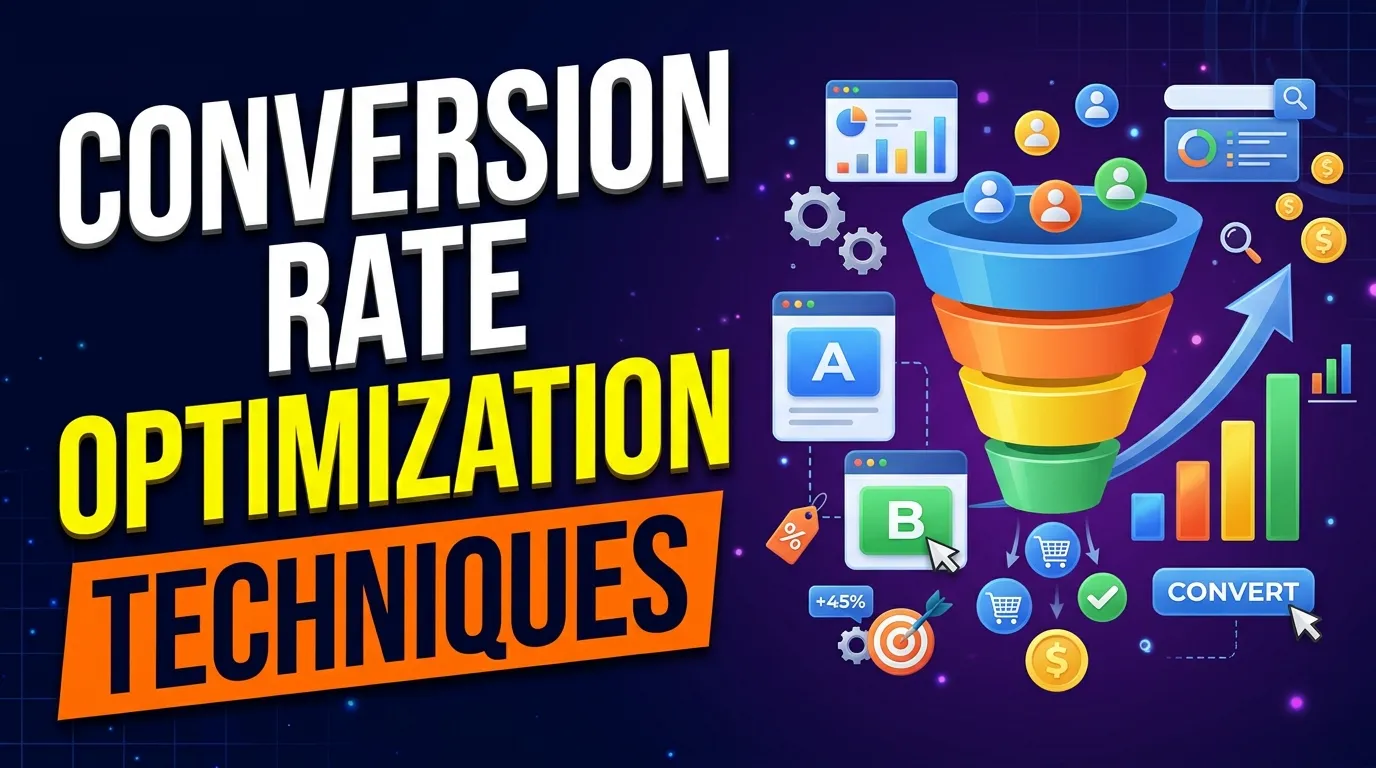 There are several practical techniques businesses can use to improve website performance and encourage visitors to take action. The most effective techniques are based on customer research, performance analysis, and continuous experimentation. Personalization is one useful approach. Businesses can adjust website messages, product recommendations, and promotional offers according to customer interests or browsing behavior. For example, an online store can recommend related products based on previous purchases or recently viewed items. Relevant recommendations can make the shopping experience more convenient.
Another technique is simplifying website forms. Long forms that request unnecessary personal information can discourage visitors from completing a registration or inquiry. Businesses should only request information that is genuinely needed. Clear field labels, helpful instructions, and simple submission processes can improve form completion rates. Social proof is also valuable. Displaying customer testimonials, product ratings, case studies, and genuine reviews helps potential customers understand how others have benefited from a product or service. Trust signals can reduce uncertainty and support purchasing decisions.
Businesses can also experiment with different headlines, button placements, images, and promotional messages. Small changes sometimes produce meaningful improvements when they address a specific customer concern. For businesses interested in promoting their products through different channels, understanding online business TV advertising can provide additional ideas about building brand awareness and reaching potential customers. Advertising can attract attention, while a well-optimized website helps convert that attention into measurable business results.
Improve Website Conversion Rates
To improve website conversion rates, businesses must understand why visitors leave without completing their intended actions. A high number of visitors does not automatically mean a website is successful. What matters is how effectively the website turns those visitors into valuable customers or leads. Start by reviewing website analytics. Examine the pages that receive the most traffic, the average time visitors spend on each page, and where users leave the website. These insights can reveal whether visitors are struggling to find information, encountering technical problems, or losing interest in the offer.
Next, improve the quality of website content. Headlines should communicate clear benefits, while descriptions should answer common customer questions. Instead of focusing only on product features, explain how a product or service solves a particular problem. Pricing transparency can also make a difference. Customers want to understand what they are paying for before making a purchase. Hidden costs, unexpected shipping charges, and unclear service packages can create hesitation. Displaying accurate pricing and explaining available options helps build confidence.
Businesses should also review their checkout process. Complicated checkout pages, limited payment options, and unexpected fees can cause customers to abandon their shopping carts. Offering guest checkout, multiple secure payment methods, and clear delivery information can make purchasing easier. For entrepreneurs developing new ventures, exploring small business ideas can help identify potential markets and customer needs. Once a business understands its audience, it can create more relevant offers and improve the chances of turning website visitors into paying customers.
Conversion Rate Optimization Best Practices
Following established best practices helps businesses develop a consistent approach to improving website performance. The first best practice is to establish clear conversion goals. Businesses should decide whether they want more product purchases, newsletter subscriptions, service inquiries, or appointment bookings. Having a defined objective makes it easier to measure progress. Another important practice is making decisions using reliable data. Website changes should be based on analytics, customer feedback, usability testing, and observed behavior. Making major changes simply because a particular design looks attractive may not produce the expected results.
Consistency is also essential. The messaging visitors see in advertisements should match the information presented on landing pages. When customers click an advertisement expecting a particular offer, they should immediately find that offer on the destination page. Consistent messaging reduces confusion and builds trust. Businesses should also prioritize accessibility. Readable fonts, sufficient color contrast, descriptive image text, and keyboard-friendly navigation make websites easier for different users to access. An accessible website can provide a more inclusive experience while reducing unnecessary barriers.
Finally, optimization should be an ongoing activity rather than a one-time project. Customer expectations, technology, competitors, and market conditions change over time. Regularly reviewing website performance allows businesses to identify new opportunities and maintain a positive user experience.
Landing Page Optimization
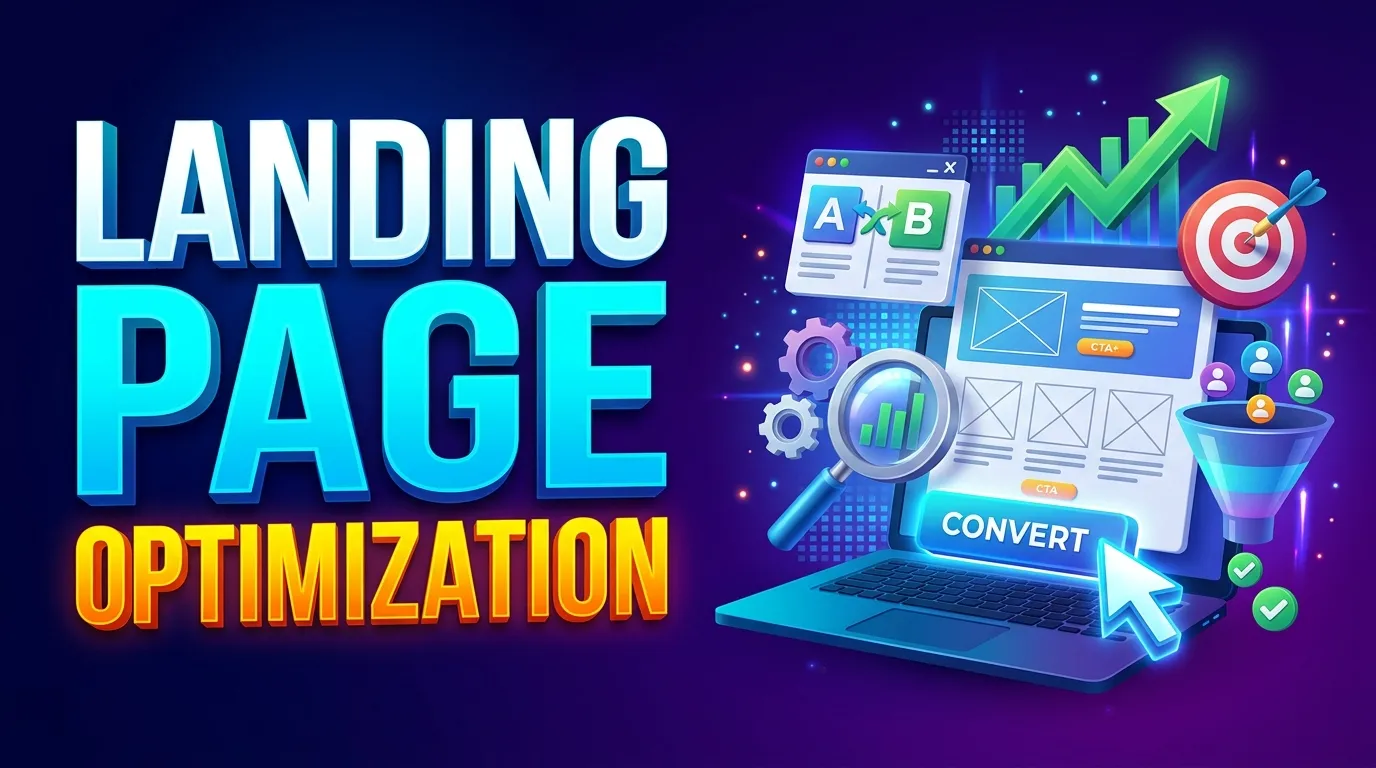 Landing pages are important because they provide visitors with a focused destination after they click an advertisement, email link, social media post, or search result. Unlike general website pages, landing pages are usually designed around one specific objective, such as generating leads, selling a product, or encouraging registrations. An effective landing page starts with a compelling headline. The headline should immediately explain the main benefit of the offer and give visitors a reason to continue reading. Supporting content should provide additional information about the product or service without overwhelming the audience.
Visual elements also influence landing page performance. Relevant product images, demonstrations, explainer videos, and illustrations can help visitors understand an offer more quickly. However, visuals should support the main message rather than distract users from the primary action. A strong call to action should be easy to identify. Buttons such as Get Started, Request a Quote, Shop Now, or Sign Up should clearly explain what happens after clicking. Placing the main action in a visible location can make it easier for visitors to move forward.
Landing pages should also address common objections. Visitors may want to know about pricing, delivery, product quality, guarantees, or customer support before making a decision. Providing these details directly on the page can reduce uncertainty. Another important consideration is consistency between the advertisement and landing page. When an advertisement promotes a discount or specific service, the landing page should immediately reflect that offer. This creates a smoother customer journey and improves the effectiveness of marketing campaigns.
A/B Testing for Conversion Optimization
A/B testing is an experimental method that compares two versions of a webpage or website element to determine which performs better. It allows businesses to make informed decisions instead of relying entirely on personal opinions or assumptions. In a typical experiment, version A represents the original webpage, while version B contains a specific change. This change might involve a different headline, button color, image, page layout, or promotional message. Visitors are divided between the two versions, and their interactions are measured to identify which variation produces better results.
For example, an online store might test two different checkout button messages. One version could say Complete Purchase, while another says Buy Now. By comparing the purchase completion rates, the business can identify which message performs better with its audience. Successful testing requires a clear objective. Before starting an experiment, businesses should decide which metric they want to improve. Depending on the goal, this could include purchases, form submissions, newsletter registrations, or click-through rates.
It is also important to collect enough data before making a decision. Ending a test too early can produce misleading results, particularly when website traffic is limited. Testing one major variable at a time can make it easier to understand which change influenced performance. A/B testing supports Conversion rate optimization by providing measurable evidence about customer preferences. Businesses can use the findings to improve website experiences gradually and develop a more reliable digital marketing strategy.
User Experience Optimization (UX)
User experience optimization focuses on making websites easier, more enjoyable, and more convenient to use. A positive user experience helps visitors find information, understand available options, and complete their intended actions without unnecessary difficulties. One of the most important UX considerations is simplicity. Websites should avoid confusing layouts, excessive pop-ups, and unnecessary navigation steps. A clean design allows visitors to focus on the information and actions that matter most.
Website accessibility is another important factor. Text should be readable, buttons should be clearly identifiable, and interactive elements should work properly across devices. Visitors should not have to struggle with small text, confusing icons, or difficult navigation. Customer feedback can provide valuable insights into usability problems. Surveys, feedback forms, support conversations, and usability testing can help businesses understand what visitors find confusing or frustrating. These insights can guide practical improvements.
Website trust and security also contribute to a better experience. Visitors should be able to identify legitimate contact information, understand privacy policies, and recognize secure payment processes. Transparent communication helps customers feel more confident about interacting with a business. Email marketing can also support the customer experience by keeping visitors informed about relevant offers, product updates, and helpful information. Businesses can explore e-commerce email marketing to understand how personalized email campaigns encourage customer engagement and repeat purchases. When businesses combine usability improvements with Conversion rate optimization, they create a smoother experience that benefits both customers and the organization.
Conversion Funnel Optimization
 A conversion funnel represents the different stages visitors move through before completing a desired action. A typical funnel includes awareness, interest, consideration, and conversion. Understanding these stages helps businesses identify where potential customers lose interest and what improvements may encourage them to continue. The awareness stage begins when people discover a business through search engines, advertisements, social media, or other marketing channels. At this stage, the main objective is attracting relevant visitors who may genuinely benefit from the products or services.
During the interest stage, visitors begin exploring the website and learning more about available solutions. Helpful articles, informative product pages, demonstrations, and engaging visuals can encourage them to spend more time understanding the offer. The consideration stage involves comparing available options. Customers may review pricing, read testimonials, examine product specifications, or compare competing businesses. Providing detailed information, transparent policies, and customer support can help them make informed decisions.
The final stage is conversion, where visitors complete the desired action. This might involve making a purchase, submitting an inquiry, or registering for a service. A simple checkout process, clear calls to action, and secure payment options can reduce barriers at this stage. Businesses should analyze each funnel stage separately to identify performance problems. If many visitors reach product pages but few add items to their carts, the product information or pricing may need improvement. If customers add products to their carts but abandon checkout, the purchasing process may contain unnecessary obstacles. Understanding the complete customer journey makes Conversion rate optimization more strategic. It helps businesses improve individual interactions while ensuring that every stage contributes to the overall conversion goal.
CRO Tools and Techniques
Modern digital marketing tools make it easier to understand website performance, monitor visitor behavior, and identify opportunities for improvement. Businesses can use analytics platforms, heatmaps, session recordings, testing software, and customer feedback tools to develop a more informed optimization strategy. Google Analytics 4 is a useful platform for monitoring website traffic, user engagement, events, and important conversions. Businesses can use its reports to understand which channels bring visitors, which pages perform well, and where improvements may be necessary.
Heatmap tools help visualize how visitors interact with webpages. They can reveal where users click, how far they scroll, and which sections receive the most attention. This information can help businesses identify whether important content or calls to action are being overlooked. Session recording tools provide another way to understand visitor behavior. By reviewing anonymized user sessions, businesses can identify navigation difficulties, confusing forms, and other usability issues. These observations can guide practical website improvements.
A/B testing platforms help businesses compare different webpage variations and measure their performance. Customer surveys and feedback tools can provide additional context by explaining why visitors prefer certain experiences or abandon specific actions. Marketing automation and email platforms can also support customer engagement. They allow businesses to send relevant messages, follow up with potential customers, and maintain relationships after an initial website visit.
Businesses interested in broader digital marketing developments can explore marketing trends and strategies to understand how changing marketing practices influence customer engagement and online growth. Ultimately, the best tools are those that provide useful insights and support practical decisions. Combining analytics, testing, customer feedback, and usability improvements creates a more effective approach to Conversion rate optimization.
Conclusion
Building a successful website requires more than attracting visitors. Businesses must create meaningful experiences that encourage people to explore products, understand services, and complete important actions. By focusing on website performance, landing page design, user experience, A/B testing, and conversion funnel improvements, organizations can make better use of their existing traffic. Conversion rate optimization is an ongoing process that requires patience, experimentation, and a clear understanding of customer behavior. There is no single technique that works for every business, so companies should continuously analyze results and adjust their strategies according to real customer needs. With the right combination of research, technology, and consistent improvements, businesses can create websites that generate more leads, increase sales, strengthen customer relationships, and support sustainable growth.
FAQ
1. What is conversion rate optimization?
Conversion rate optimization is the process of improving a website or landing page to increase the percentage of visitors who complete a desired action. These actions may include purchasing products, submitting forms, subscribing to newsletters, or requesting services. The goal is to make the website more effective without necessarily increasing its traffic.
2. Why is conversion rate optimization important for businesses?
It helps businesses generate more value from their existing website visitors. Instead of relying only on additional advertising or traffic generation, companies can improve their website experience and encourage more visitors to become customers. This can support better marketing efficiency and business growth.
3. How do you calculate a website conversion rate?
A website conversion rate is generally calculated by dividing the number of conversions by the total number of visitors or sessions, depending on the measurement method, and multiplying the result by 100.
For example, if a website receives 5,000 visitors and generates 250 purchases, its visitor-based conversion rate is 5%.
4. What is a good website conversion rate?
A good conversion rate depends on the industry, business model, audience, traffic source, and type of conversion. Some websites may consider 2% successful, while others may achieve significantly higher or lower results. Businesses should compare their performance with relevant industry benchmarks and focus on improving their own historical results.
5. What are the most effective conversion optimization strategies?
Some effective strategies include improving website speed, simplifying navigation, creating persuasive landing pages, adding clear calls to action, displaying customer reviews, simplifying checkout processes, and conducting A/B tests. The most suitable approach depends on the website’s existing performance and customer behavior.
6. How does A/B testing improve website performance?
A/B testing compares two versions of a webpage or element to determine which performs better. Businesses can test headlines, images, buttons, layouts, and other features. The results provide measurable evidence that helps organizations make more informed website improvements.
7. What is landing page optimization?
Landing page optimization involves improving a webpage designed to achieve a specific marketing objective. It includes refining headlines, improving content, adding relevant visuals, strengthening calls to action, and removing unnecessary distractions to encourage visitors to complete an intended action.
8. Which tools are useful for conversion optimization?
Useful tools include Google Analytics 4 for performance measurement, heatmap software for understanding visitor interactions, session recording platforms for usability analysis, and A/B testing tools for comparing webpage variations. Customer surveys and feedback platforms are also valuable for understanding visitor expectations.
9. How long does it take to see conversion optimization results?
The timeline depends on website traffic, the size of the changes, testing duration, and the complexity of the business. Some improvements may produce noticeable results quickly, while other experiments require several weeks or longer to collect sufficient data. Continuous measurement is important for achieving reliable improvements.
10. Can small businesses benefit from conversion optimization?
Yes. Small businesses can benefit significantly because they can improve their existing website performance without depending entirely on larger advertising budgets. Improving website speed, creating clear service pages, displaying customer testimonials, simplifying contact forms, and optimizing mobile experiences can help small businesses generate more leads and sales.