Online Store Development: A Complete Guide to Building a Successful E-commerce Business
Online shopping has become an essential part of modern business, allowing companies to reach customers beyond geographical boundaries and generate sales around the clock. However, building a successful online business requires more than simply uploading products to a website. It involves strategic planning, professional design, secure payment systems, smooth navigation, and effective store management. Online store development helps businesses create powerful digital shopping experiences that attract visitors, build customer trust, and increase conversions. Whether you are launching a new business or expanding an existing brand, investing in a well-designed e-commerce website can help you achieve long-term growth and remain competitive in the digital marketplace.
Introduction to Online Store Development
The way people shop has changed significantly over the past few years. Customers now prefer browsing products, comparing prices, reading reviews, and completing purchases online instead of visiting physical stores. This shift has created valuable opportunities for businesses of all sizes to establish their presence in the digital marketplace.
Online store development is the process of planning, designing, building, and maintaining an e-commerce website where customers can explore products and purchase them through the internet. It combines attractive website design, functional features, secure payment gateways, and user-friendly navigation to create a complete shopping experience.
A professional online store allows businesses to showcase their products, manage inventory, process orders, and communicate with customers from one centralized platform. It also provides valuable opportunities to build brand awareness, improve customer relationships, and increase revenue. Whether you operate a small startup, a growing retail company, or an established brand, having a professional e-commerce website can make a significant difference in your business growth.
E-commerce Website Development
E-commerce website development is the foundation of a successful online business. It involves creating a functional website that allows businesses to display products, accept orders, process payments, and manage customer interactions. A successful e-commerce website should provide a smooth experience from the moment visitors enter the homepage until they complete their purchases. This requires a well-organized product catalog, clear navigation, fast-loading pages, and a secure checkout process.
During the development process, businesses need to consider their target audience, product categories, preferred payment methods, and long-term objectives. These factors help developers select the right technologies and build a website that supports business requirements. Online store development also makes it easier for businesses to expand their product collections, introduce new services, and reach customers in different locations. With the right development strategy, an e-commerce website can become a powerful sales channel that supports continuous business growth.
Online Shopping Website Design
 Website design plays an important role in influencing customer decisions. When visitors arrive at an online store, they expect an attractive layout, clear product information, and an easy way to find what they need. A professional online shopping website design focuses on usability, visual appeal, and customer convenience. The homepage should communicate the brand identity and highlight important products, categories, promotions, and offers without overwhelming visitors.
Product pages should include high-quality images, detailed descriptions, pricing information, available variations, and customer reviews. These elements help shoppers understand what they are purchasing and make informed decisions. Color combinations, typography, spacing, and navigation menus should remain consistent throughout the website. A clean design improves readability and creates a professional impression.
Another important consideration is accessibility. Visitors should be able to browse the website comfortably, regardless of their device or technical experience. An effective design strategy is an essential part of online store development because it helps create positive first impressions, encourages visitors to explore products, and improves the chances of converting visitors into paying customers.
E-commerce Store Development Services
Professional e-commerce store development services help businesses transform their ideas into fully functional online shopping platforms. These services generally cover the complete development process, from initial planning to website launch and ongoing maintenance. Every business has different requirements. A clothing brand may need product variations and size filters, while an electronics retailer may require technical specifications, comparison features, and warranty information. Professional developers consider these requirements before creating a customized solution.
Development services can include website design, product catalog creation, shopping cart configuration, payment gateway integration, inventory management, shipping configuration, and security implementation. Businesses can also request additional features such as discount systems, promotional banners, customer accounts, automated emails, and order tracking.
Choosing the right development partner is important because technical quality directly affects website performance and customer satisfaction. An experienced team can recommend suitable technologies, identify potential problems, and create a scalable platform. For businesses looking to establish a stronger digital presence, professional services can simplify online store development and help create a reliable shopping environment.
Custom Online Store Development
Every business has its own identity, audience, and operational requirements. For this reason, a standard website template may not always provide the flexibility needed to achieve specific business goals. Custom online store development allows businesses to create websites according to their individual preferences and functional requirements. Instead of relying entirely on pre-designed layouts, developers can build unique features and customized experiences.
For example, a business may need advanced product filters, personalized recommendations, subscription options, wholesale pricing, or customer-specific discounts. These features can be integrated according to the company’s business model. Custom development also provides greater control over website appearance, functionality, and integrations. Businesses can select the features they need without adding unnecessary components that may affect performance.
Scalability is another major advantage. As a company grows, its website may need additional product categories, new payment methods, multiple shipping options, or advanced management tools. A customized platform can be designed to accommodate these changes. When planning online store development, businesses should consider both their current requirements and future expansion plans. A flexible website can reduce the need for major redevelopment as the business evolves.
E-commerce Website Design and Development
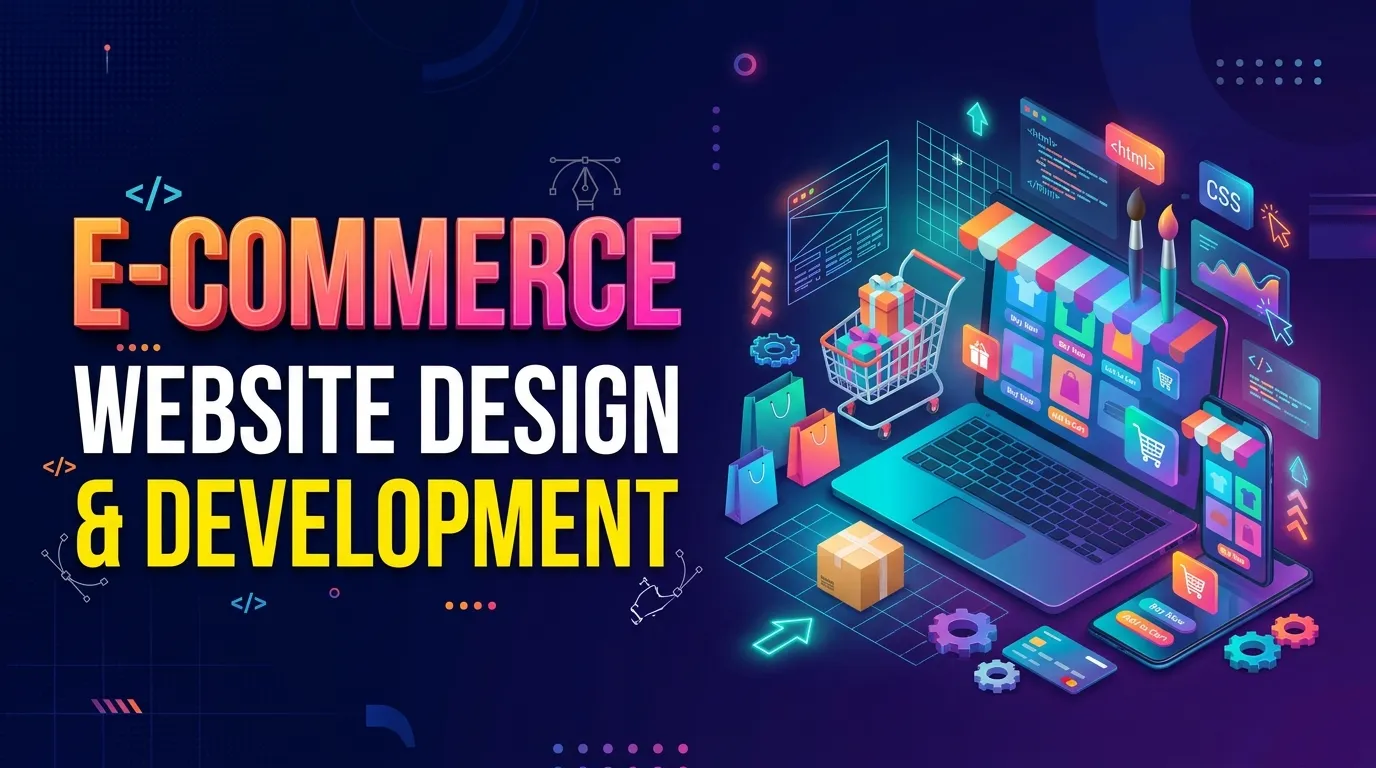 E-commerce website design and development work together to create a complete online shopping experience. While design focuses on appearance and usability, development ensures that all website features function correctly. A successful e-commerce website needs a balance between attractive visuals and reliable technical performance. A beautiful website will not deliver good results if its checkout system is difficult to use. Similarly, a technically advanced platform may struggle to attract customers if its design is confusing.
The process usually begins with understanding the business model and identifying the target audience. Developers then create a website structure, design important pages, and implement the required functionality. The homepage, product pages, category pages, shopping cart, checkout page, and contact section should all work together to guide customers through the purchasing journey.
Search engine optimization should also be considered during development. Proper heading structures, descriptive URLs, optimized images, relevant page content, and appropriate metadata help search engines understand website information. Businesses interested in strengthening their overall marketing approach can also explore business marketing strategies, which provide useful insights into promoting a brand and connecting with potential customers. Combining thoughtful design with reliable development helps create an online store that supports both customer satisfaction and business objectives.
Online Store Creation
Online store creation involves turning a business idea into a working digital shopping platform. The process begins with identifying what the business wants to sell, who its customers are, and which features are necessary to operate successfully. The first step is choosing a suitable e-commerce platform. Popular options include Shopify, WooCommerce, Magento, and other specialized solutions. Each platform offers different features, customization options, pricing structures, and management capabilities.
After selecting the platform, businesses need to choose a domain name and hosting solution where applicable. The domain should be memorable, relevant to the brand, and easy for customers to recognize. The next stage involves creating website pages, uploading products, organizing categories, configuring shipping options, and setting up payment methods.
Before launching, the website should be tested carefully. Businesses need to check whether product pages display correctly, payments work properly, forms function as expected, and the checkout process operates smoothly. Online store development should also include a clear launch and maintenance strategy. Regular updates, performance monitoring, and customer feedback can help identify opportunities for improvement. A properly planned online store provides a strong foundation for building customer relationships and generating consistent online sales.
E-commerce Platform Development
Choosing the right platform is one of the most important decisions when building an online business. An e-commerce platform provides the technical environment needed to manage products, customers, payments, orders, and other store operations. Shopify is a popular choice for businesses looking for a hosted solution with built-in e-commerce features. WooCommerce is suitable for businesses that prefer using WordPress and want greater control over website customization. Magento, now known as Adobe Commerce, is another option for businesses with more complex requirements.
The right platform depends on business size, available budget, technical knowledge, product volume, and expected growth. For example, a small business with a limited product range may prefer a simple platform that is easy to manage. A large retailer with multiple product categories and complex operations may require a more advanced solution.
Security, scalability, integration options, and ongoing maintenance should also influence the decision. Effective online store development requires selecting a platform that supports the business rather than choosing one simply because it is popular. A suitable platform makes daily operations easier and allows businesses to expand without unnecessary technical limitations.
Shopping Cart Integration
The shopping cart is one of the most important features of an e-commerce website. It allows customers to collect products, review their selections, change quantities, and proceed to checkout. Shopping cart integration connects product pages with the purchasing process. When customers add an item to their cart, the website should immediately update the selected products, quantities, and total price.
A well-designed cart should display product names, images, prices, quantities, shipping information, and applicable discounts. Customers should also have the option to remove products or modify their selections without restarting the shopping process. The checkout experience is equally important. Complicated forms, unexpected charges, limited payment methods, or technical errors can discourage customers from completing their orders.
Integrating secure payment gateways such as Stripe, PayPal, or other locally supported payment providers can make transactions more convenient. Businesses should also ensure that sensitive payment information is handled through secure systems. During online store development, shopping cart functionality should be tested across different devices and browsers to identify potential problems. A simple and reliable shopping cart reduces purchasing difficulties and helps improve the overall customer experience.
Responsive E-commerce Web Design
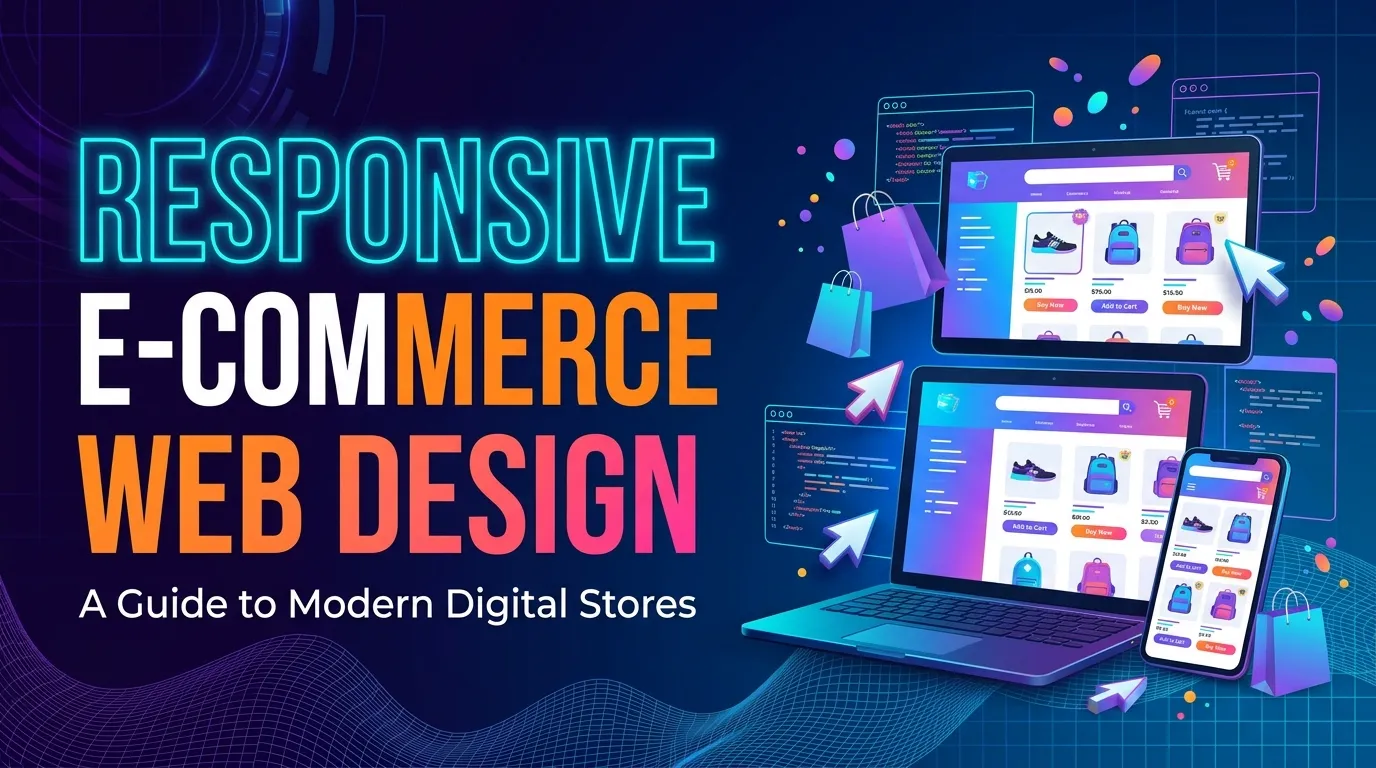 Customers use different devices to browse and purchase products online. Some prefer desktop computers, while others use smartphones and tablets. This makes responsive web design an essential requirement for modern e-commerce websites. Responsive e-commerce web design ensures that website layouts automatically adjust to different screen sizes. Product images, navigation menus, buttons, text, and checkout forms should remain accessible and easy to use on smaller screens.
Mobile usability is particularly important because customers often browse products while traveling, working, or relaxing. If a website loads slowly or requires excessive scrolling and zooming, visitors may leave without making a purchase. A mobile-friendly website should feature readable text, appropriately sized buttons, optimized images, and simple navigation. The checkout process should also be convenient for mobile users.
Website speed is another important factor. Compressing images, reducing unnecessary scripts, using reliable hosting, and implementing caching can improve loading performance. Responsive design also supports search engine optimization by providing a consistent experience across devices. Businesses should prioritize mobile usability throughout online store development instead of treating it as an additional feature. A responsive website helps reach more customers and creates a smoother purchasing experience.
Online Store Management Solutions
Launching an online store is only the beginning of running a successful e-commerce business. After launch, businesses need to manage products, inventory, orders, payments, customer inquiries, and website performance. Online store management solutions help simplify these daily responsibilities through centralized dashboards and automated processes.
Inventory management allows businesses to monitor product availability and update stock levels. Order management helps track purchases, shipping status, and customer information. Automated notifications can keep customers informed about order confirmations, payment updates, and delivery progress. Businesses can also use analytics tools to understand customer behavior, identify popular products, monitor traffic sources, and evaluate conversion rates.
Regular website maintenance is equally important. Software updates, security monitoring, backups, broken-link checks, and performance optimization help keep the store reliable. Marketing activities should also be part of store management. Businesses can use email campaigns, social media promotions, search engine optimization, and referral programs to attract potential customers.
For example, understanding word-of-mouth marketing strategies can help businesses encourage satisfied customers to recommend their products and services. Companies should also understand their advertising expenses before investing in paid campaigns. Resources covering TV ad production budgets can help businesses learn about the costs associated with producing television advertisements. Additionally, avoiding common digital marketing mistakes can help businesses make better promotional decisions and use their marketing budgets more effectively. Effective management combines technical maintenance, customer support, inventory control, and continuous marketing improvements. These activities help businesses maintain a professional online presence and support long-term growth.
Why Is Professional Online Store Development Important?
A professional e-commerce website offers several advantages that can directly influence business performance. One of the biggest benefits is the ability to reach customers beyond a local market. Unlike a physical store, an online business can serve customers from different cities and countries, depending on its shipping and operational capabilities. Another advantage is continuous accessibility. Customers can browse products and place orders at any time without being restricted by traditional store opening hours.
Professional online store development also improves brand credibility. A well-organized website with secure payment options, clear product information, and consistent branding creates confidence among potential customers. Automation can reduce repetitive administrative work. Businesses can manage orders, update inventory, send notifications, and monitor sales through integrated systems.
Furthermore, analytics provide useful insights into customer preferences and shopping behavior. These insights allow businesses to improve product offerings, optimize marketing campaigns, and make informed decisions. Ultimately, a professional e-commerce website is not simply a digital catalog. It is a complete business platform that supports sales, marketing, customer service, and operational efficiency.
How to Choose the Right E-commerce Development Partner
Selecting a suitable development partner is an important step toward building a successful online store. Businesses should look for developers who understand both technical requirements and commercial objectives. Experience is one of the first factors to consider. Reviewing previous projects and portfolios can help determine whether a development team has experience creating websites similar to the required project.
Communication is equally important. Developers should understand business goals, explain technical decisions clearly, and provide realistic timelines. Businesses should also discuss customization options, platform selection, website security, mobile responsiveness, and ongoing maintenance before starting the project.
Pricing should be evaluated according to the actual services included rather than choosing the cheapest available option. A low-cost website may lack important features or require expensive improvements later. A reliable development partner will focus on creating a secure, scalable, and user-friendly platform that supports the company’s long-term objectives.
Conclusion
Building a successful e-commerce business requires careful planning, professional design, reliable technology, and continuous improvement. From selecting the right platform to integrating secure payment systems, every part of the website contributes to the customer experience. Online store development gives businesses the opportunity to establish a strong digital presence, reach wider audiences, simplify daily operations, and increase sales opportunities. However, long-term success depends on more than launching a website. Businesses must regularly update their platforms, improve website performance, maintain security, and understand changing customer expectations. Whether you are starting a new online business or upgrading an existing website, investing in a professional e-commerce solution can provide a valuable foundation for future growth. With the right strategy and development approach, your online store can become an effective platform for building customer trust and achieving sustainable business success.
FAQ
1. What is online store development?
Online store development is the process of creating an e-commerce website where businesses can display products, accept online orders, process payments, and manage customer interactions. It includes website design, development, shopping cart integration, payment configuration, and ongoing maintenance.
2. How much does it cost to develop an e-commerce website?
The cost depends on several factors, including website complexity, platform selection, customization requirements, product quantity, payment integrations, and additional features. A basic store generally costs less than a customized platform with advanced functionality and complex integrations. Businesses should determine their requirements before requesting a development quotation.
3. Which platform is best for creating an online store?
The best platform depends on business requirements and technical preferences. Shopify is suitable for businesses looking for a hosted e-commerce solution, while WooCommerce offers flexibility for WordPress websites. Adobe Commerce can support businesses with more advanced e-commerce requirements.
4. How long does it take to build an online store?
The development timeline depends on the website’s size, design requirements, functionality, and customization level. A basic store may take a few weeks, while a larger and more complex e-commerce platform may require several months. Proper planning and testing can help prevent unnecessary delays.
5. Why is responsive design important for an e-commerce website?
Responsive design ensures that customers can browse and purchase products comfortably using smartphones, tablets, and desktop computers. It improves usability, supports mobile shopping, and creates a consistent experience across different screen sizes.
6. What features should every online store have?
A professional online store should include an attractive homepage, organized product categories, detailed product pages, shopping cart functionality, secure payment options, responsive design, customer support information, and an efficient checkout process. Additional features can be added according to business requirements.
7. Is SEO important for an e-commerce website?
Yes, search engine optimization helps potential customers discover products through search engines. Optimized product descriptions, relevant keywords, descriptive URLs, fast-loading pages, mobile responsiveness, and useful content can improve organic visibility and attract relevant visitors.
8. What is shopping cart integration?
Shopping cart integration connects product pages with the purchasing system. It allows customers to add products, update quantities, calculate totals, apply discounts, and complete purchases through a checkout process. It is an essential component of a functional e-commerce website.
9. Can I manage my online store without technical knowledge?
Yes. Many modern e-commerce platforms provide user-friendly dashboards that allow business owners to manage products, inventory, orders, customer information, and website content without advanced technical skills. However, professional assistance may be necessary for complex customization, troubleshooting, and maintenance.
10. How can I make my online store more successful?
You can improve your online store by providing high-quality product information, maintaining fast loading speeds, offering secure payment methods, simplifying checkout, improving mobile usability, and providing excellent customer support. Regular SEO improvements, customer reviews, email marketing, and performance analysis can also contribute to long-term growth.