Online Store Marketing: Strategies to Grow Your E-Commerce Business
Online store marketing helps businesses attract potential customers, increase website traffic, build brand awareness, and generate more sales. By combining search engine optimization, social media promotion, email campaigns, paid advertising, and conversion rate optimization, online retailers can reach the right audience and encourage repeat purchases. A successful online store marketing plan focuses on understanding customer needs, creating valuable content, delivering a smooth shopping experience, and measuring results to improve performance over time.
Online Store Marketing Strategies
A successful online store marketing strategy begins with understanding your target audience, identifying their shopping preferences, and determining what makes your products different from competitors. Before investing in advertising, businesses should establish clear goals, such as increasing website visitors, generating more sales, improving customer retention, or introducing new products to the market. These goals help determine which marketing channels deserve the most attention.
An effective online store marketing plan combines organic traffic, paid promotions, engaging content, and customer relationship management. For example, a clothing store might publish styling guides, share product demonstrations on social media, and offer personalized discounts to customers who subscribe to its newsletter. Combining these activities creates multiple opportunities to attract shoppers and turn their interest into purchases.
Brand identity also plays an important role in building customer trust. Consistent messaging, recognizable visuals, and a clear value proposition help customers remember your business. Businesses looking to strengthen their identity can explore personal business branding to understand how branding supports recognition and customer loyalty. The key is to create a strategy that matches your budget, audience, and long-term business objectives.
E-Commerce Marketing Techniques
Modern e-commerce marketing techniques help businesses connect with shoppers throughout the buying journey. From discovering a product to completing an order, customers interact with different marketing channels before making a decision. Product recommendations, discount campaigns, educational content, customer reviews, and retargeting advertisements can all encourage shoppers to take the next step.
One useful technique is content marketing. Publishing product guides, comparison articles, tutorials, and answers to common customer questions can attract people who are researching potential purchases. Promotional offers can also encourage customers to complete orders, particularly when discounts are relevant and clearly explained. However, businesses should avoid relying entirely on discounts because excessive promotions can reduce profit margins and weaken the perceived value of products.
A well-planned online store marketing campaign should coordinate these techniques rather than treating each one separately. A customer might discover a product through a blog article, visit the product page, receive a reminder email, and eventually make a purchase. Reviewing the broader marketing strategy at Digital Vibe Vault can provide additional ideas for organizing campaigns and aligning promotional activities with business goals.
Digital Marketing for Online Stores
 Digital marketing gives online retailers several ways to reach potential buyers without depending exclusively on physical locations or traditional advertising. Search engines, social networks, email newsletters, video platforms, and display advertising allow businesses to connect with audiences based on their interests, search behavior, and previous interactions.
To build a reliable online store marketing approach, businesses should select channels that their customers actually use. A company selling professional equipment might benefit from educational articles and search advertising, while a fashion retailer may gain more attention through visual content and influencer collaborations. Choosing suitable channels helps businesses spend their marketing budgets more effectively.
Consistency is equally important. Publishing useful content regularly, maintaining updated product information, and responding to customer questions can improve the overall shopping experience. Businesses should also monitor analytics to identify which channels generate qualified traffic and completed purchases. Instead of chasing every new digital trend, focus on methods that produce measurable results and support sustainable growth.
Online Store Promotion Ideas
Promotional campaigns can introduce products to new audiences, encourage first-time purchases, and motivate existing customers to return. Seasonal sales, limited-time offers, product bundles, loyalty rewards, referral incentives, and free-shipping thresholds are popular options for online retailers. The most suitable promotion depends on the products being sold, customer expectations, and available profit margins.
For example, a store selling home accessories could create a seasonal collection and promote it through email newsletters, social media posts, and relevant blog content. A business selling digital products could offer a launch discount or a bundle that provides additional value. These campaigns give customers a clear reason to explore the store while helping the business communicate its product benefits.
Online store marketing promotions should always have a defined objective. A campaign intended to attract new customers may use a first-order discount, while a retention campaign might reward previous buyers with exclusive offers. Entrepreneurs exploring low-cost business opportunities can also read about online business ideas with zero investment for inspiration on starting and promoting digital ventures with limited resources.
E-Commerce SEO Optimization
Search engine optimization helps online stores attract visitors who are actively searching for products or information. Strong e-commerce SEO involves keyword research, descriptive product titles, useful product descriptions, optimized images, clear website navigation, and technically sound pages. These elements help search engines understand a website and help shoppers find relevant products more easily.
Keyword research should focus on the language customers use when looking for products. Instead of targeting only broad terms, retailers can create pages around specific product types, features, uses, and customer questions. Product descriptions should explain benefits, specifications, sizing, compatibility, and other information that helps customers make informed decisions. Duplicate descriptions and thin content should be avoided whenever possible.
Technical performance is another important consideration. Mobile usability, page loading speed, secure connections, crawlable navigation, and appropriate structured data can support a better shopping experience. A sustainable online store marketing strategy treats SEO as an ongoing process because search behavior, competitors, and search engine guidelines change over time. Regularly updating content and reviewing performance can help maintain visibility and attract relevant organic traffic.
Social Media Marketing for E-Commerce
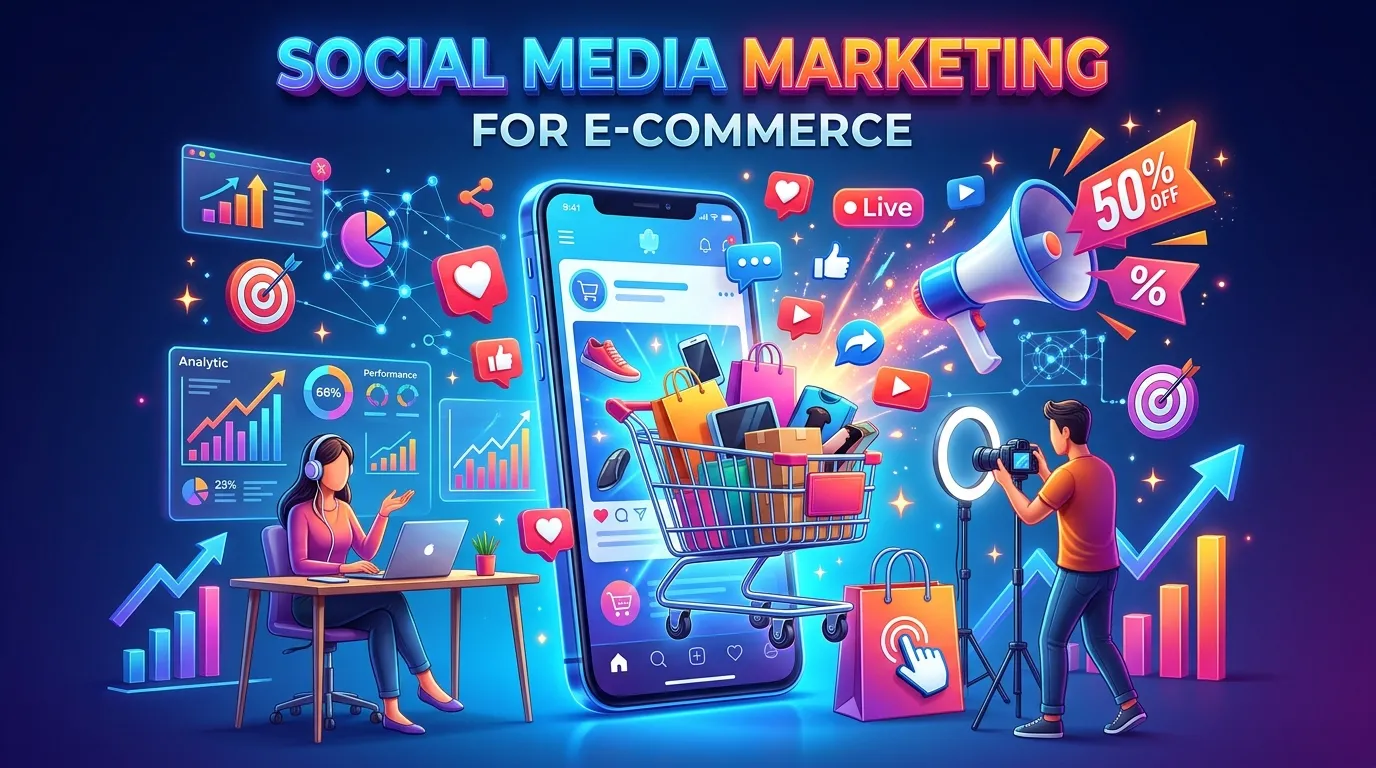 Social media platforms allow online retailers to demonstrate products, communicate with customers, and develop communities around their brands. Images, short videos, tutorials, live demonstrations, customer testimonials, and behind-the-scenes content can help audiences understand products before visiting a store. Different platforms serve different audiences, so businesses should select channels according to their customers’ interests and preferred content formats.
An effective social media campaign provides value rather than publishing promotional messages exclusively. A skincare retailer, for example, could share product application tips, explain ingredient choices, and answer frequently asked questions. A furniture store might publish room styling ideas and customer photographs. This type of content encourages meaningful engagement and helps potential buyers imagine how products could fit into their lives.
Social media also supports paid promotions and influencer partnerships. Businesses can test different creative formats, audiences, and messages to identify what generates the best results. As part of online store marketing, social media activity should connect directly to relevant product pages, landing pages, or shopping features whenever possible. Tracking clicks, purchases, and customer acquisition costs makes it easier to determine whether campaigns are delivering genuine business value.
Online Store Customer Acquisition
Customer acquisition involves attracting new shoppers and converting them into paying customers. Common methods include search engine optimization, paid search advertising, social media campaigns, affiliate partnerships, referral programs, and educational content. Each channel has different costs and conversion patterns, so businesses should evaluate them according to their objectives and available budgets.
The customer journey should be as simple as possible. Visitors need clear product information, transparent pricing, trustworthy payment options, accessible customer support, and an uncomplicated checkout process. Unexpected shipping charges, confusing navigation, limited payment methods, and unclear return policies can discourage potential buyers even when the products are attractive.
A balanced online store marketing plan measures customer acquisition cost alongside conversion rate, average order value, and customer lifetime value. These metrics help businesses understand whether attracting new buyers is financially sustainable. Entrepreneurs should also explore multiple revenue opportunities and understand the wider online business landscape. Resources such as profitable online business ideas can help readers discover business models and opportunities that complement their marketing plans.
E-Commerce Email Marketing
Email marketing allows online retailers to communicate directly with subscribers and existing customers. Unlike social media posts, which depend partly on platform distribution, email campaigns give businesses a direct way to share product updates, educational content, promotions, and personalized recommendations with people who have chosen to receive their messages.
A strong email marketing program usually includes a welcome sequence, abandoned-cart reminders, order confirmations, post-purchase follow-ups, and occasional promotional newsletters. Each message should serve a clear purpose and provide useful information. For example, a welcome email can introduce the brand, explain its benefits, and guide new subscribers toward popular products.
Personalization can make campaigns more relevant. Retailers may organize subscribers by purchase history, product interests, or engagement, provided they handle customer data responsibly and follow applicable privacy requirements. Email performance should be evaluated using metrics such as clicks, conversions, revenue, unsubscribes, and deliverability. Integrating email with other online store marketing activities creates a consistent customer experience and can encourage repeat purchases without relying entirely on paid advertising.
Online Shopping Advertising Strategies
Paid advertising can help online retailers reach relevant audiences quickly. Search ads target people looking for specific products, while social media advertisements introduce products to users based on interests and other permitted targeting signals. Display campaigns and remarketing can also remind interested shoppers about products they previously viewed.
Before launching an advertising campaign, businesses should define their target audience, choose relevant keywords or placements, prepare compelling creative materials, and create landing pages that match the advertisement. If an advertisement promises a particular discount or product benefit, the destination page should clearly reflect that offer. Consistent messaging helps build trust and reduces confusion.
Television advertising can also support brand awareness for businesses with suitable budgets and audiences. Retailers interested in broader promotional channels can learn more about TV commercials and how traditional advertising may complement digital campaigns. Nevertheless, paid advertising should be evaluated carefully. Monitor spending, conversion rates, revenue, and return on advertising spend, and test campaign variations before increasing budgets. Effective online store marketing balances visibility with profitability instead of pursuing clicks that do not lead to meaningful business results.
Conversion Rate Optimization for Online Stores
 Conversion rate optimization focuses on increasing the percentage of website visitors who complete a desired action, such as making a purchase, signing up for a newsletter, or requesting information. Improving conversions can help businesses generate more value from existing traffic without necessarily increasing their advertising expenditure.
Start by examining the shopping experience from the customer’s perspective. Product pages should include clear descriptions, accurate photographs, transparent prices, delivery details, customer reviews, and prominent calls to action. Checkout pages should minimize unnecessary steps and explain shipping costs, payment options, and return policies before customers finalize their orders.
Testing can reveal which changes improve performance. Businesses may compare different headlines, product images, page layouts, calls to action, or checkout designs. Analytics and customer feedback can help identify where visitors abandon the buying process. Avoid assuming that every design change will improve sales; use reliable data to evaluate results.
The most effective online store marketing programs connect customer acquisition with conversion optimization. Attracting more visitors is valuable, but helping those visitors purchase confidently is equally important. By continually reviewing performance, resolving friction, and improving the user experience, online retailers can build a more efficient and profitable sales process.
Conclusion
Growing an e-commerce business requires a thoughtful combination of visibility, customer engagement, trustworthy communication, and continuous improvement. From SEO and social media to email campaigns and conversion optimization, each channel contributes to a different part of the customer journey. Start with realistic goals, prioritize the strategies most relevant to your audience, and use performance data to guide future decisions. A consistent and customer-focused approach can help your store attract qualified visitors, increase conversions, and develop lasting customer relationships.
FAQ
1. What is online store marketing?
Online store marketing is the process of promoting an e-commerce business through digital channels such as search engines, social media, email, content marketing, and online advertising. Its purpose is to attract potential customers, increase sales, and build long-term customer relationships.
2. How can I promote an online store with a small budget?
Start with search engine optimization, helpful content, organic social media posts, email marketing, and customer referrals. These approaches can help businesses build visibility without requiring a large advertising budget. Test paid campaigns gradually as your revenue and marketing knowledge grow.
3. Which marketing strategy works best for e-commerce?
The best strategy depends on your audience, products, budget, and business goals. SEO can support long-term organic traffic, social media can increase awareness, email can encourage repeat purchases, and paid advertising can generate targeted traffic more quickly.
4. How does SEO help an online store?
SEO helps product and category pages appear in relevant search results. Optimized content, descriptive titles, useful product information, fast-loading pages, and effective website navigation can improve discoverability and attract visitors who are already interested in related products.
5. Is social media marketing important for online retailers?
Yes. Social media helps businesses demonstrate products, communicate with potential buyers, share customer experiences, and increase brand awareness. The best results generally come from choosing relevant platforms and publishing useful, engaging content consistently.
6. How can email marketing increase online sales?
Email marketing can introduce products, announce promotions, recover abandoned carts, and encourage repeat purchases. Personalized messages and relevant product recommendations can make communication more useful and help businesses maintain relationships with subscribers.
7. How much should an online store spend on advertising?
There is no universal advertising budget. Consider your available cash, profit margins, customer acquisition cost, and business objectives. Begin with a manageable test budget, evaluate results, and increase spending only when campaigns demonstrate sustainable performance.
8. What is conversion rate optimization in e-commerce?
Conversion rate optimization involves improving a website so more visitors complete desired actions. Common improvements include clearer product descriptions, better images, simplified checkout, transparent shipping information, customer reviews, and mobile-friendly design.
9. How long does it take to see results from online marketing?
Paid campaigns may generate traffic soon after launch, while SEO and content marketing often require several months to produce meaningful organic growth. Results vary according to competition, budget, website quality, and consistency. Regular performance reviews help identify progress and opportunities for improvement.
10. How can I measure the success of my online store marketing?
Track website traffic, conversion rate, sales revenue, average order value, customer acquisition cost, repeat purchase rate, and return on advertising spend. Reviewing these metrics together provides a clearer understanding of profitability than measuring clicks or impressions alone.