E-commerce Sales Funnel: A Complete Guide to Turning Visitors into Customers
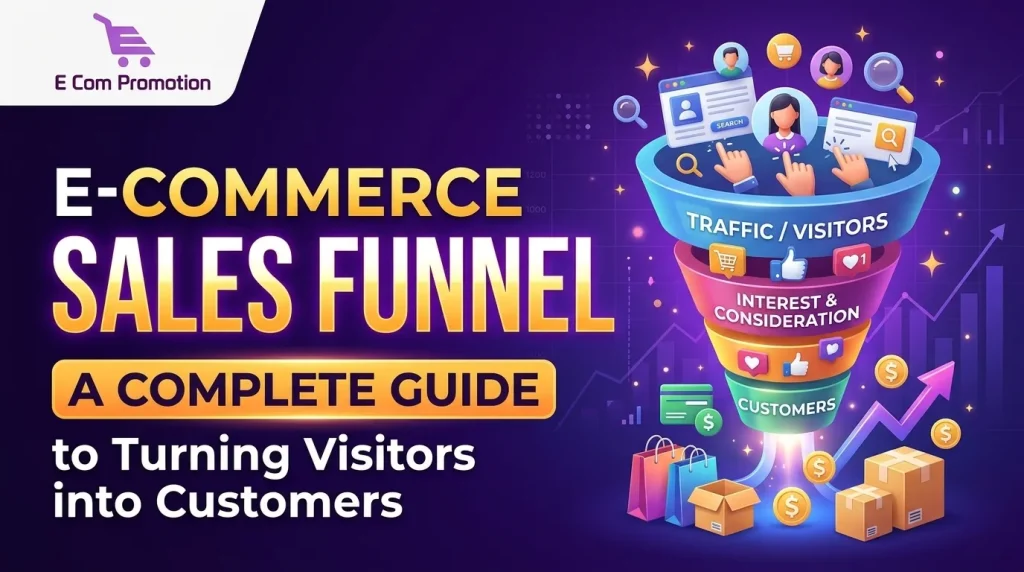
An E-commerce sales funnel is a strategic process that guides potential customers from discovering an online store to making a purchase and becoming loyal buyers. It helps businesses understand customer behavior, improve shopping experiences, attract qualified visitors, and increase sales. By understanding each stage of the buying journey, businesses can create effective marketing campaigns, reduce cart abandonment, and improve customer retention. This guide explores the essential stages, strategies, and optimization techniques needed to build a successful online sales process.
E-commerce Conversion Funnel
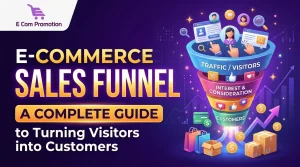
An E-commerce conversion funnel represents the journey customers take before purchasing a product from an online store. It begins when someone discovers a brand and continues through product research, consideration, checkout, and the final purchase. Understanding this journey allows businesses to identify what motivates customers and what prevents them from completing an order.
The conversion process generally includes awareness, interest, consideration, intent, purchase, and retention. During the awareness stage, potential customers discover a business through search engines, social media, advertisements, or recommendations. Once they become interested, they explore the website, compare products, read reviews, and evaluate pricing. At this point, businesses need to provide useful information and a smooth browsing experience.
A well-designed E-commerce sales funnel makes every stage easier for customers. For example, clear product descriptions, high-quality images, transparent pricing, and customer reviews can increase confidence. Similarly, a simple checkout process reduces unnecessary distractions and encourages visitors to complete their purchases. Businesses should also understand that not every visitor follows the same journey. Some customers purchase immediately, while others need several interactions before making a decision. Analyzing customer behavior helps online stores create more relevant experiences and improve their overall conversion performance.
Online Sales Funnel Strategy
An effective online sales funnel strategy focuses on attracting the right audience and guiding them toward purchasing decisions. Instead of trying to sell products immediately, businesses should build relationships with potential customers by providing valuable information, answering questions, and demonstrating the benefits of their products. Content marketing is an important part of this strategy. Blog articles, product comparisons, educational videos, and buying guides help customers understand their options. Search engine optimization also improves online visibility, allowing businesses to reach people who are actively searching for relevant products. Paid advertising can support these efforts by bringing targeted visitors to product pages and promotional landing pages. However, advertisements should communicate clear benefits and direct users to pages that match their expectations. Sending visitors to irrelevant pages can increase bounce rates and waste marketing budgets.
The E-commerce sales funnel becomes more effective when businesses combine different marketing channels into one consistent strategy. Email marketing, social media engagement, retargeting advertisements, and personalized recommendations can maintain customer interest throughout the buying process. Businesses should also consider the resources and skills needed to manage their marketing activities. Exploring digital products for students can provide useful ideas about digital resources, online learning, and products that support different audiences. A clear strategy supported by relevant resources can help businesses create more meaningful customer experiences.
E-commerce Marketing Funnel
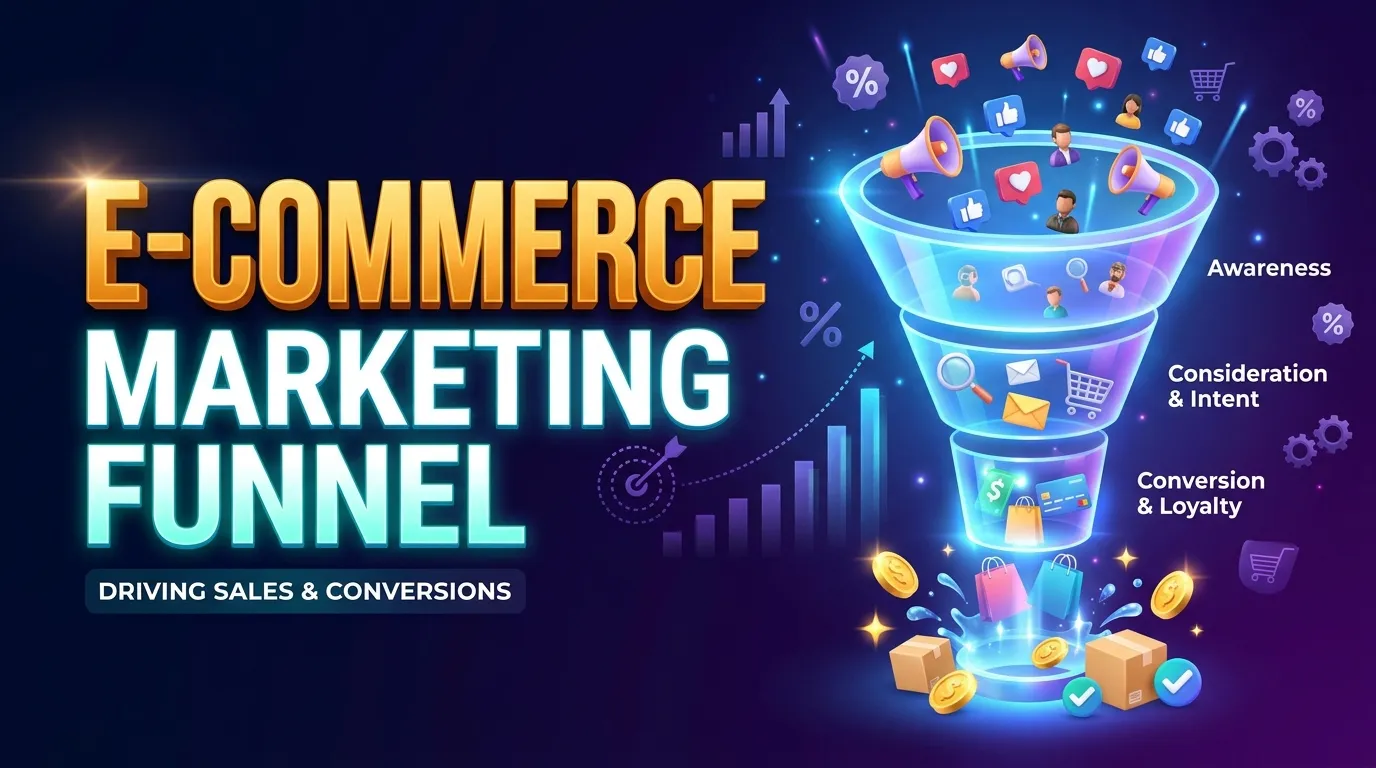 An E-commerce marketing funnel connects marketing activities with customer purchasing behavior. Its main purpose is to attract potential buyers, develop their interest, build trust, and encourage them to purchase. Every marketing channel should support a specific stage of the customer journey. At the top of the funnel, businesses focus on brand awareness. Social media campaigns, search engine optimization, influencer partnerships, and online advertising introduce products to new audiences. The objective is to reach people who may benefit from the products, even if they are not ready to purchase immediately.
The middle stage focuses on engagement and consideration. Potential customers may subscribe to newsletters, explore product categories, read reviews, or compare different brands. Businesses can use educational content, email sequences, product demonstrations, and special offers to encourage further interaction. At the bottom of the funnel, marketing activities focus on converting interested visitors into paying customers. Limited-time offers, free shipping, customer testimonials, and clear calls to action can help customers make their final decisions.
An E-commerce sales funnel should also include marketing activities after the purchase. Thank-you emails, product recommendations, loyalty programs, and personalized promotions help maintain relationships with existing customers. Businesses can explore different advertising approaches to expand their reach. For example, online business TV advertising offers insights into how television advertising can contribute to brand visibility and promotional campaigns. Combining traditional advertising with digital marketing can help businesses reach customers across multiple channels.
Customer Journey in E-commerce
The customer journey in e-commerce describes the complete experience a person has with an online business, from the first interaction to purchasing and receiving ongoing customer support. Understanding this journey is essential because customers expect convenient, trustworthy, and personalized shopping experiences. The journey often begins with a problem or need. A customer might search Google for a particular product, discover a brand through social media, or receive a recommendation from a friend. Once they find an online store, they begin evaluating whether its products meet their expectations.
During the research stage, customers pay attention to product quality, pricing, delivery options, return policies, and customer feedback. If a website provides incomplete information or creates confusion, visitors may leave and choose another store. This is why transparent communication and helpful product information are essential. The E-commerce sales funnel should reflect the different needs customers have at each stage. New visitors may need educational content, while returning visitors might respond better to personalized product recommendations or discounts.
After purchasing, customers continue evaluating their experience. Fast delivery, reliable packaging, responsive support, and easy return procedures can influence whether they buy again. Businesses that understand the complete customer journey can identify opportunities to improve satisfaction and develop long-term relationships. Customer experience also depends on a company’s overall business strategy. Reading about an effective business strategy can provide additional insights into planning, decision-making, and building sustainable business operations. These principles can support better customer experiences and stronger online business performance.
E-commerce Conversion Optimization
E-commerce conversion optimization involves improving an online store so that more visitors complete valuable actions, especially purchases. Instead of focusing only on increasing website traffic, businesses should also improve the experience visitors receive after arriving at the website. One of the most important areas is website usability. An online store should load quickly, display correctly on mobile devices, and provide simple navigation. Customers should be able to locate products, understand their features, and complete checkout without unnecessary difficulties.
Product pages also play an important role in conversion performance. High-quality photographs, detailed descriptions, accurate specifications, pricing information, and customer reviews help visitors make informed decisions. When customers understand exactly what they are purchasing, they are more likely to feel confident. The checkout experience deserves equal attention. Complicated forms, unexpected shipping charges, limited payment options, and forced account registration can discourage customers from completing orders. Offering guest checkout, secure payment methods, and transparent delivery information can reduce these problems.
An E-commerce sales funnel can be improved through continuous testing and performance analysis. Businesses can experiment with different headlines, product images, page layouts, promotional messages, and calls to action. A/B testing helps identify which changes produce better results. Analytics tools can reveal where customers leave the buying process. For example, a high number of visitors leaving during checkout may indicate unexpected costs or technical problems. Addressing these issues can improve conversion rates without requiring a significant increase in advertising spending.
Online Shopping Sales Process
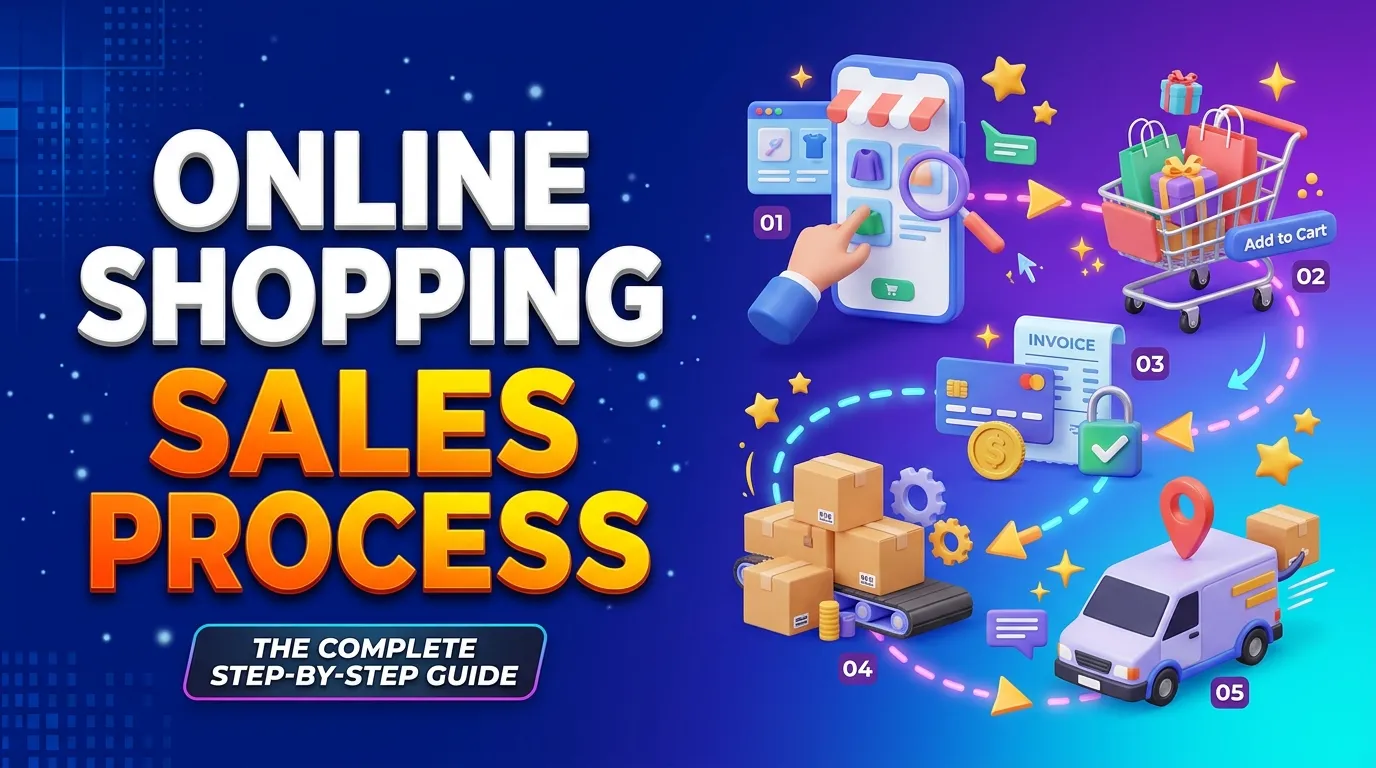 The online shopping sales process includes every step a customer takes when purchasing products through an e-commerce website. It starts with product discovery and continues through browsing, selection, payment, order confirmation, delivery, and post-purchase support. A successful shopping process should be convenient and predictable. Customers need to understand how to search for products, compare available options, add items to their shopping carts, and complete payments. If any stage becomes confusing, customers may abandon their purchases.
The E-commerce sales funnel helps businesses examine this process from the customer’s perspective. For instance, an online store might attract thousands of visitors but generate relatively few completed orders. This could indicate that the problem exists in product presentation, pricing, checkout design, or payment processing. Personalization can make online shopping more relevant. Businesses can recommend products based on browsing history, previous purchases, and customer preferences. Related product suggestions and personalized offers can also increase average order value.
Mobile shopping deserves particular attention because many customers browse and purchase products through smartphones. Responsive website design, mobile-friendly payment options, readable product descriptions, and easy navigation can improve the experience. A smooth sales process benefits both customers and businesses. Customers enjoy a convenient shopping experience, while businesses can increase completed orders, improve customer satisfaction, and create stronger relationships with their audiences.
E-commerce Lead Generation
E-commerce lead generation focuses on attracting potential customers and collecting information that allows businesses to communicate with them in the future. Although many online shoppers are ready to purchase immediately, others need additional information, reminders, or incentives before making a decision. Email subscriptions are one of the most common lead-generation methods. Businesses can encourage visitors to subscribe by offering exclusive discounts, useful guides, product updates, or early access to new collections. Once customers join an email list, businesses can send relevant messages that encourage future purchases.
Social media platforms also provide valuable lead-generation opportunities. Brands can publish engaging content, run promotional campaigns, collaborate with creators, and direct interested users to landing pages. Paid advertising can further improve targeting by reaching people based on interests, demographics, and online behavior. An effective E-commerce sales funnel uses lead-generation information responsibly. Businesses should avoid sending irrelevant messages or overwhelming subscribers with excessive promotions. Instead, they should focus on delivering useful content and relevant offers that match customer interests.
Retargeting is another useful approach. It allows businesses to reconnect with visitors who viewed products or added items to their carts without completing a purchase. Personalized advertisements and reminder emails can bring these visitors back to the store. Lead generation should not end after collecting an email address. Businesses need a consistent communication strategy that gradually builds trust and encourages customers to move toward purchasing.
Sales Funnel Optimization Strategies
Sales funnel optimization strategies help businesses identify weaknesses in their marketing and purchasing processes. The objective is to improve the movement of potential customers from their first interaction to the final purchase while reducing unnecessary barriers. One important strategy is analyzing customer behavior. Website analytics can reveal traffic sources, popular products, conversion rates, and abandonment points. These insights help businesses understand which marketing activities are performing well and where improvements are necessary.
Another effective strategy is personalization. Customers are more likely to engage with content and offers that match their needs. Product recommendations, customized emails, relevant promotions, and personalized landing pages can create a more meaningful shopping experience. Trust-building is equally important. Displaying verified customer reviews, secure payment information, clear return policies, and reliable contact details helps reduce purchase anxiety. Businesses should also respond quickly to customer questions and complaints.
The E-commerce sales funnel should be reviewed regularly because customer expectations and online shopping trends continue to change. Businesses need to monitor performance, test improvements, and update their strategies based on actual customer behavior. Retention should also be part of the optimization process. Encouraging repeat purchases is often more cost-effective than constantly acquiring new customers. Businesses can develop loyalty programs, personalized discounts, referral incentives, and follow-up campaigns to maintain customer relationships. For additional ideas, businesses can explore customer retention strategies. Understanding how to maintain customer relationships can help online stores improve repeat purchases and create a more sustainable revenue model.
E-commerce Customer Acquisition
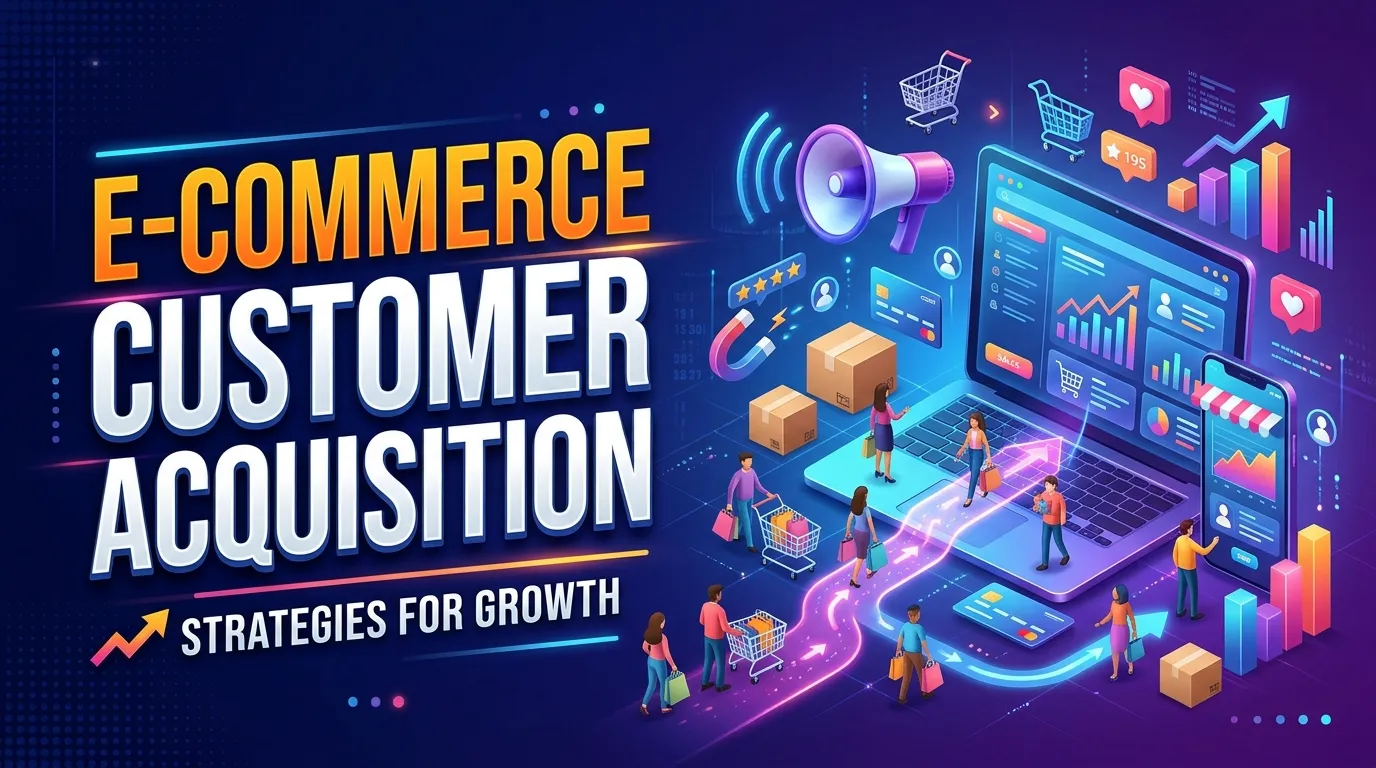 E-commerce customer acquisition refers to the process of attracting new customers and encouraging them to purchase from an online store. It is an important part of business growth because a consistent flow of new buyers helps businesses expand their customer base and increase revenue. Search engine optimization is one of the most valuable acquisition methods. By targeting relevant search terms and publishing helpful content, online stores can attract visitors who are actively looking for particular products. Optimized product pages, informative blog posts, and useful category descriptions can improve search visibility.
Paid advertising provides another way to reach potential buyers. Businesses can use search advertisements, social media campaigns, display advertising, and retargeting to promote products to specific audiences. However, acquisition campaigns should be monitored carefully to ensure that advertising costs remain reasonable compared with the revenue generated. Social proof can also influence customer acquisition. Positive reviews, testimonials, user-generated content, and recommendations from existing customers help establish credibility. People often feel more comfortable purchasing from brands that demonstrate customer satisfaction.
An effective E-commerce sales funnel connects customer acquisition with conversion and retention. Attracting visitors is only the beginning. Businesses must also provide a good shopping experience, build trust, and maintain communication after the purchase. Companies should continuously improve their digital marketing knowledge to remain competitive. Exploring digital marketing skills for 2027 can offer useful perspectives on developing the skills needed to manage modern marketing channels, understand digital audiences, and support long-term business growth.
E-commerce Purchase Funnel Stages
The purchase funnel stages explain how potential customers gradually move from discovering a product to completing an order. Understanding these stages allows businesses to create suitable marketing messages and experiences based on customer readiness. The awareness stage introduces potential buyers to a brand or product. Customers may discover a business through advertisements, search engines, social media, blog content, or recommendations. At this stage, businesses should focus on providing helpful information and creating a positive first impression.
The interest stage begins when visitors want to learn more about the products. They may explore product categories, watch demonstrations, read descriptions, or subscribe to newsletters. Businesses should provide clear information that helps visitors understand product benefits. During the consideration stage, customers compare available options. They may evaluate prices, quality, features, delivery costs, and reviews before selecting a product. Detailed product information and transparent policies can help businesses stand out from competitors.
The intent stage occurs when customers show stronger buying signals. Adding a product to a cart, visiting checkout, or searching for payment information may indicate that someone is close to purchasing. Businesses can support these customers through convenient checkout options, relevant offers, and helpful reminders. The purchase stage represents the completion of an order. However, the relationship should not end here. Follow-up communication, delivery updates, customer support, and personalized recommendations can encourage future purchases.
An E-commerce sales funnel becomes more successful when all these stages work together. Businesses should regularly evaluate each stage, identify customer concerns, and make improvements that create a smooth buying experience. Ultimately, a well-managed purchase funnel helps online stores attract relevant visitors, build customer confidence, increase completed transactions, and develop lasting relationships. Rather than focusing only on immediate sales, businesses should create a complete system that supports customers before, during, and after purchasing.
Conclusion
Building a successful online store requires more than attracting visitors and displaying products. Businesses need to understand customer behavior, create a convenient shopping experience, and develop marketing strategies that support every stage of the buying journey. From lead generation and customer acquisition to conversion optimization and retention, every part of the process contributes to business growth. A properly structured E-commerce sales funnel helps businesses identify opportunities, overcome purchasing barriers, and turn interested visitors into loyal customers. By continuously analyzing performance, improving website experiences, and providing valuable customer support, online stores can build a sustainable sales process and achieve long-term success.
FAQ
1. What is an E-commerce sales funnel?
An E-commerce sales funnel is a marketing and sales process that guides potential customers from discovering an online store to purchasing a product. It includes different stages such as awareness, interest, consideration, intent, and purchase. Its purpose is to improve customer experiences and increase online sales.
2. What are the main stages of an e-commerce conversion funnel?
The main stages generally include awareness, interest, consideration, intent, purchase, and retention. Each stage represents a different level of customer engagement. Businesses use relevant content, marketing campaigns, and customer support to guide visitors through these stages.
3. Why is an online sales funnel important for e-commerce businesses?
An online sales funnel helps businesses understand customer behavior, identify purchasing barriers, and improve marketing performance. It also helps reduce cart abandonment, increase conversion rates, and develop stronger customer relationships.
4. How can I improve my e-commerce conversion rate?
You can improve conversion rates by optimizing website speed, creating better product pages, offering secure payment options, simplifying checkout, displaying customer reviews, and providing clear shipping and return information. Regular testing and analytics can also reveal areas that need improvement.
5. What is the difference between a marketing funnel and a sales funnel?
A marketing funnel focuses on attracting potential customers, building awareness, and developing interest in a brand. A sales funnel focuses more directly on guiding interested prospects toward making a purchase. In e-commerce, both processes work together to support business growth.
6. How does customer retention affect e-commerce sales?
Customer retention encourages existing buyers to make repeat purchases. Loyal customers may also recommend products to others, leave positive reviews, and engage with future promotions. This can reduce customer acquisition costs and support long-term revenue growth.
7. Which marketing channels are best for e-commerce customer acquisition?
Popular customer acquisition channels include search engine optimization, Google Ads, social media marketing, email marketing, influencer partnerships, content marketing, and referral programs. The best channels depend on the target audience, product category, and available marketing budget.
8. How can businesses reduce shopping cart abandonment?
Businesses can reduce cart abandonment by simplifying checkout, displaying shipping costs clearly, offering multiple payment options, providing guest checkout, ensuring website security, and sending appropriate cart reminder emails. A transparent and convenient shopping experience encourages customers to complete their orders.
9. How often should an e-commerce sales funnel be optimized?
Businesses should monitor their funnel continuously and review important performance indicators regularly. Monthly performance reviews can help identify trends, while A/B testing and technical improvements can be performed whenever opportunities arise. Optimization should be an ongoing process rather than a one-time activity.
10. What tools can help manage an e-commerce purchase funnel?
Several tools can support funnel management, including Google Analytics 4 for website performance, Google Search Console for organic search insights, email marketing platforms for customer communication, CRM systems for customer relationships, and heatmap tools for understanding website interactions. The right combination depends on business size, objectives, and marketing requirements.