Social Media Marketing: Strategies, Tips, and Techniques to Grow Your Business
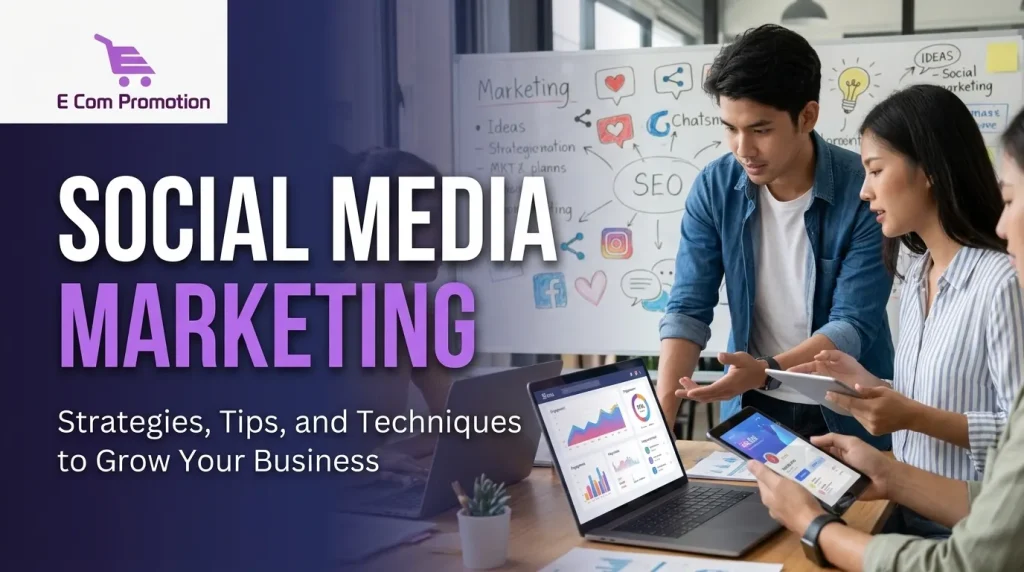
Social media has become an essential part of modern business growth. It helps companies connect with customers, promote products, build brand awareness, and increase sales. An effective social media marketing approach allows businesses of all sizes to reach their target audiences, create valuable content, and develop long-term customer relationships. This guide explores practical strategies, management techniques, advertising methods, popular platforms, and useful tips to help businesses achieve better results online.
The digital world has changed how businesses communicate with their customers. Traditional advertising methods are no longer the only way to promote products and services. Today, millions of people use social media platforms every day to discover brands, research products, share experiences, and make purchasing decisions. This creates valuable opportunities for businesses that want to increase their online visibility and attract new customers. Social media marketing is the process of using platforms such as Facebook, Instagram, LinkedIn, TikTok, Pinterest, and YouTube to promote a business, communicate with an audience, and achieve marketing goals. It involves creating engaging content, maintaining active profiles, running advertising campaigns, and building meaningful relationships with potential customers.
Social Media Marketing Strategies
A successful online presence begins with a clear strategy. Businesses should understand what they want to achieve before creating accounts or publishing content. Common objectives include increasing brand awareness, generating website traffic, attracting potential customers, improving engagement, and increasing product sales. The first step is identifying your target audience. Consider their interests, age groups, locations, online behavior, and purchasing preferences. Understanding these characteristics helps you create content that matches their needs and encourages meaningful interactions.
Another important element is competitor research. Observe how similar businesses communicate with their audiences, what types of content receive attention, and how they promote their products. You can use these insights to identify opportunities and develop a unique brand identity. Consistency is equally important. Publishing useful content regularly helps audiences recognize and remember your business. However, quality should always be more important than quantity. A well-planned strategy should include educational posts, entertaining videos, customer testimonials, product demonstrations, and promotional content. Businesses involved in professional services can also explore B2B digital marketing strategies to understand how digital channels support business relationships and generate qualified leads.
Social Media Management
Managing social media accounts requires regular attention, proper planning, and effective communication. Social media management involves creating content, scheduling publications, responding to messages, monitoring engagement, and evaluating account performance. A content calendar makes this process easier. It allows businesses to organize upcoming posts, plan promotional activities, and maintain a consistent publishing schedule. Instead of deciding what to publish every day, marketers can prepare content in advance and ensure that their communication remains organized.
Community management is another important responsibility. Customers often contact businesses through comments, direct messages, and public posts. Responding politely and quickly can improve customer satisfaction and build trust. Even negative feedback should be handled professionally because the way a company responds can influence how other customers view the brand.
Businesses can manage their accounts manually or use scheduling and analytics tools to save time. These tools help organize multiple profiles, monitor engagement, and identify which content performs best. Effective management also involves reviewing account performance regularly. Understanding audience growth, engagement rates, website clicks, and conversions helps marketers identify areas that need improvement. With a structured management process, businesses can maintain a professional online presence without wasting valuable time.
Social Media Advertising
 Organic content can help businesses build an audience, but paid advertising can increase their reach more quickly. Social media advertising allows companies to display promotional messages to specific groups of users based on factors such as interests, location, age, behavior, and demographics. Platforms such as Facebook, Instagram, LinkedIn, and TikTok provide advertising options for different business objectives. For example, an online store may run product advertisements to increase purchases, while a professional service provider may focus on lead generation.
The effectiveness of an advertisement depends on several factors, including its visual design, message, audience selection, and landing page experience. Attractive images, short videos, and clear headlines can encourage people to pay attention to an advertisement. However, the message should explain the actual value of the product or service rather than relying only on attractive visuals.
Budget management is equally important. Businesses should begin with a realistic advertising budget, test different creative formats, and monitor campaign performance before increasing spending. Although digital advertising provides detailed targeting opportunities, businesses should not ignore traditional promotional channels. Understanding the benefits of television advertising for businesses can help marketers develop a broader promotional strategy that combines digital and traditional media.
Digital Marketing Techniques
Digital marketing includes several methods that work together to increase online visibility and attract potential customers. Search engine optimization, email marketing, content creation, paid advertising, influencer partnerships, and social media promotion are some of the most commonly used techniques. Search engine optimization helps websites appear in relevant search results. When combined with social media promotion, it can increase the opportunities for people to discover a business.
For example, publishing informative blog posts and sharing them across social platforms can bring additional visitors to a website. Email marketing is another effective technique for maintaining communication with existing customers. Businesses can send newsletters, product updates, special offers, and personalized recommendations to encourage repeat purchases.
Companies should also understand how different digital channels support business development. Creating a strong online presence is not just about gaining followers; it is about turning attention into meaningful business opportunities. For additional insights, explore this guide to business development. A balanced digital marketing strategy combines multiple channels rather than depending entirely on one platform. This approach can improve brand visibility, strengthen customer relationships, and create more opportunities for sustainable growth.
Social Media Marketing Tips
Getting better results from online promotion requires patience, creativity, and a good understanding of audience behavior. One useful approach is to create content that answers common customer questions. Educational posts, practical tutorials, product comparisons, and helpful explanations can establish credibility and encourage people to interact with your business.
Visual content also plays an important role. High-quality photographs, short videos, infographics, and behind-the-scenes content can make a business profile more interesting. However, visual content should remain consistent with the company’s branding and communication style. Another useful technique is encouraging audience participation. Asking relevant questions, creating polls, responding to comments, and inviting customers to share their experiences can make followers feel connected to a brand.
Avoid publishing promotional content all the time. People generally follow business accounts because they want information, entertainment, inspiration, or solutions to their problems. Providing value before asking for a purchase can help build stronger relationships. It is also important to monitor performance. Pay attention to which posts receive the most saves, shares, comments, and clicks. These insights can help you understand what your audience prefers and improve future content.
Social Media Platforms for Business
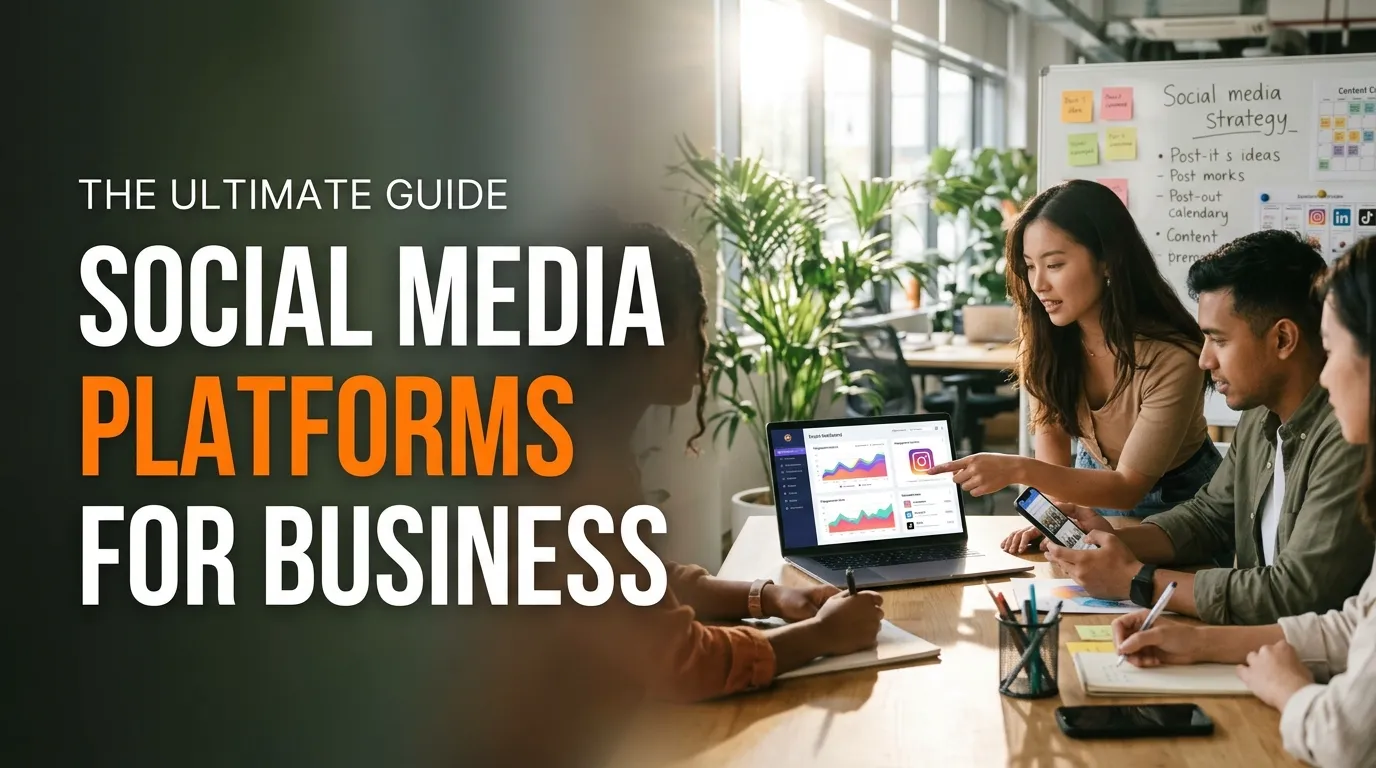 Choosing the right platform is essential because different social networks attract different audiences and support different marketing objectives. Facebook is useful for businesses that want to build communities, share updates, promote products, and reach a broad audience. Its advertising tools also provide opportunities to target specific customer groups.
Instagram is particularly useful for visually focused businesses. Fashion brands, restaurants, beauty companies, travel businesses, and online stores can use photographs, Stories, and Reels to showcase their products and services. LinkedIn is an important platform for professional networking and business-to-business communication. Companies can share industry insights, promote professional services, connect with decision-makers, and establish their expertise.
TikTok is popular for short-form video content. Businesses can use creative videos, demonstrations, educational clips, and entertaining content to introduce their brands to new audiences. YouTube supports longer videos, tutorials, product reviews, interviews, and educational content. Pinterest can also be useful for businesses in industries such as fashion, home decoration, food, and lifestyle. The best platform depends on your target audience, industry, content format, and business objectives. Rather than trying to maintain an active presence everywhere, focus on the channels that offer the greatest potential for reaching your customers.
Social Media Brand Awareness
Brand awareness refers to how familiar people are with a particular business, product, or service. When customers recognize your brand and understand what it offers, they are more likely to consider it when making purchasing decisions. Building awareness requires consistent communication. Your profile photographs, logos, colors, captions, and overall content style should create a recognizable identity across different platforms.
Storytelling can make a brand more memorable. Instead of only discussing products, share the story behind your business, explain your values, introduce your team, and highlight the problems your products solve. This gives audiences more reasons to connect with your company. Customer-generated content can also strengthen brand recognition. When satisfied customers share reviews, photographs, or personal experiences, they introduce your business to their own networks. Such recommendations can make your brand appear more trustworthy.
Influencer collaborations are another way to reach new audiences. Working with creators whose followers match your target market can introduce your products to people who may not have discovered your business otherwise. Brand awareness should be measured through indicators such as reach, impressions, profile visits, branded searches, mentions, and audience growth. These measurements help businesses understand whether their communication is increasing recognition over time.
Content Marketing on Social Media
Content is one of the most important elements of a successful digital presence. It gives businesses an opportunity to educate customers, communicate their expertise, answer questions, and demonstrate the value of their products or services. An effective content strategy should include different formats. Educational content can explain industry topics and provide practical advice. Entertaining content can attract attention and encourage sharing. Promotional content can introduce products, explain special offers, and encourage purchases.
Video content has become particularly important because it allows businesses to explain ideas in an engaging and accessible way. Product demonstrations, tutorials, customer stories, and short educational videos can help audiences understand what a company offers. Blog content can also support social media promotion. Businesses can publish detailed articles on their websites and share shorter summaries across their social profiles. This creates opportunities to attract website visitors and provide more detailed information to interested customers.
For businesses targeting students and young consumers, understanding useful digital products for students can provide ideas for developing relevant educational content and product-focused campaigns. E-commerce companies should also connect their content strategies with other communication channels. For example, e-commerce email marketing can help online stores stay connected with customers through product recommendations, promotional updates, and personalized messages. The most effective content strategy focuses on audience needs rather than simply promoting a company’s services. When people consistently receive useful information, they have more reasons to follow, trust, and engage with the brand.
Social Media Marketing Campaigns
A marketing campaign is a planned promotional activity designed to achieve a specific objective within a particular period. Businesses can create campaigns to introduce new products, announce special offers, increase website traffic, generate leads, or improve brand awareness. Every successful campaign should begin with a clear goal. For example, a business launching a new product may want to increase awareness and encourage potential customers to visit its website. A campaign designed to generate leads may focus on collecting inquiries from interested users.
The next step is developing a campaign message. The content should communicate the main benefit of the product or service and explain why the audience should pay attention. Images, videos, advertisements, landing pages, and promotional captions should support the same message. Campaign timing is also important. Businesses should consider seasonal events, customer interests, product launches, and relevant industry trends when choosing publication dates.
Testing different approaches can improve results. Marketers can experiment with alternative headlines, visuals, audiences, and calls to action to discover which combinations perform best. Once a campaign finishes, evaluate its performance using relevant measurements. Depending on the objective, these may include impressions, engagement, clicks, leads, conversions, and return on advertising spend. A well-planned campaign provides more than temporary attention. It can introduce a business to new customers, strengthen existing relationships, and support long-term growth.
Social Media Marketing for Small Businesses
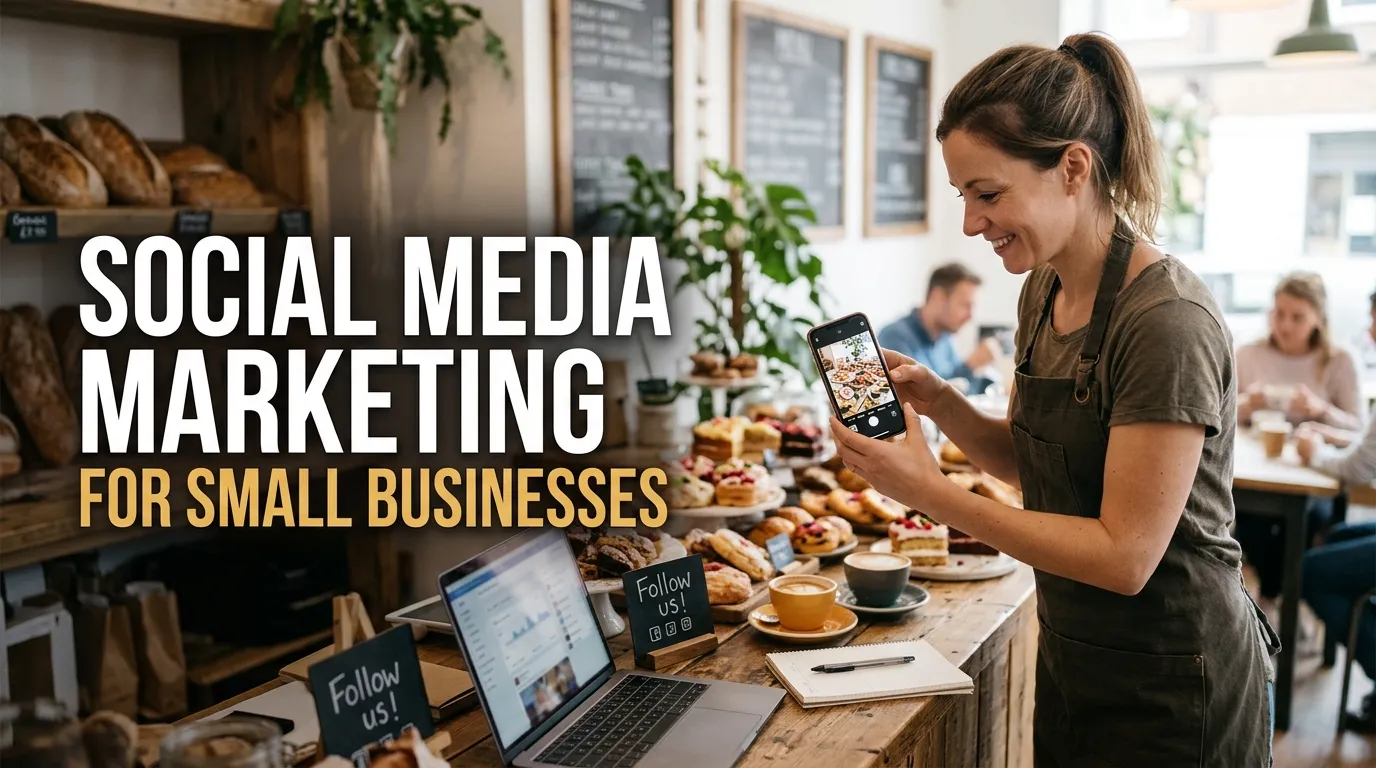 Small businesses often have limited budgets, smaller teams, and fewer resources than large companies. However, digital platforms provide opportunities to compete for attention without requiring a large advertising investment. The first priority should be creating professional business profiles. Include accurate contact information, a clear business description, recognizable branding, and links to relevant websites or product pages. These details make it easier for potential customers to understand the business and contact the company.
Local businesses can benefit from location-based content. Restaurants, salons, retail stores, and service providers can share updates about their products, customer experiences, offers, and local activities. Engaging with nearby communities can also help improve visibility among potential customers. Small businesses should focus on creating content they can maintain consistently. There is no need to publish several times every day if doing so reduces quality or becomes difficult to manage. A realistic schedule with useful posts is often more sustainable.
Customer reviews and testimonials are particularly valuable for smaller companies. Positive experiences can build credibility and help new customers feel more confident about choosing a business. Paid promotion can be introduced gradually when the business has a clear offer and understands its target audience. Even a modest budget can provide useful insights when campaigns are carefully monitored. Ultimately, social media marketing gives small businesses an accessible way to communicate directly with customers, demonstrate their value, and build a recognizable identity. By focusing on consistency, customer service, and relevant content, smaller companies can develop a strong digital presence over time.
Conclusion
Building a successful online presence requires more than creating business accounts and publishing occasional updates. Companies need a clear strategy, valuable content, consistent communication, and a strong understanding of their target audiences. From choosing the right platforms to managing advertising campaigns and measuring performance, every activity should support a specific business objective. Small businesses and large organizations alike can benefit from developing meaningful customer relationships and maintaining a recognizable brand identity. By applying the techniques discussed in this guide, businesses can improve their online visibility, attract potential customers, and create opportunities for sustainable growth. The key is to remain consistent, understand changing audience needs, and continuously improve your approach.
FAQ
1. What is social media marketing?
It is the process of using social networking platforms to promote products, services, and brands. It includes content creation, audience engagement, paid advertising, and performance analysis to achieve business objectives.
2. Why is social media marketing important for businesses?
It helps businesses reach potential customers, increase brand recognition, communicate directly with audiences, promote products, and generate website traffic. It also provides valuable information about customer interests and behavior.
3. Which social media platform is best for business promotion?
The best platform depends on your target audience and industry. Facebook and Instagram are useful for reaching broad consumer audiences, LinkedIn supports professional networking, TikTok focuses on short-form videos, and YouTube is suitable for longer educational and promotional content.
4. How often should a business publish social media content?
There is no universal publishing schedule. Businesses should choose a realistic frequency based on their audience, resources, and platform. Maintaining a consistent schedule and publishing valuable content is more important than posting excessively.
5. Is social media advertising worth the investment?
Yes, when campaigns are properly planned and targeted. Paid advertisements can help businesses reach specific audiences, increase website traffic, generate leads, and promote products. Regular performance monitoring is essential for managing advertising costs.
6. How can small businesses increase their social media followers?
Small businesses can attract followers by sharing useful content, maintaining consistent branding, responding to comments, participating in relevant communities, collaborating with creators, and using suitable hashtags and promotional campaigns.
7. What type of content performs best on social media?
Short videos, educational posts, product demonstrations, customer testimonials, informative graphics, and behind-the-scenes content can perform well. The best format depends on the audience and the platform being used.
8. How can businesses measure social media performance?
Businesses can measure performance through reach, impressions, engagement rates, follower growth, website clicks, leads, and sales. These metrics help determine whether campaigns are achieving their intended objectives.
9. Can social media help increase website traffic?
Yes. Businesses can share blog articles, product pages, service information, and useful resources through their social profiles. Attractive content and relevant links can encourage interested users to visit their websites.
10. How long does it take to see results from social media marketing?
Results depend on the business, industry, audience, content quality, and advertising budget. Paid campaigns may generate visibility quickly, while building brand recognition and a loyal audience generally requires consistent effort over several months.