The Ultimate Beginner’s Guide to Dropshipping on Amazon
Starting an online business can feel overwhelming, but learning how to start dropshipping on Amazon changes the game for many new entrepreneurs. This business model allows you to sell products to millions of active buyers without ever touching the physical inventory. You simply find a reliable supplier, list their products, and let them handle the fulfillment when a customer makes a purchase.
Understanding the fundamentals of dropshipping on Amazon gives you a significant advantage. The platform already has massive built-in traffic, meaning you spend less time trying to drive visitors to a brand-new website and more time focusing on product research and customer service. If you want to build a profitable e-commerce store with low upfront costs, mastering dropshipping on Amazon is an excellent place to begin.
In this comprehensive guide, you will learn exactly how to launch and scale your new business. We will cover everything from setting up your seller account and finding profitable products to managing suppliers and navigating Amazon’s strict policies. By the end of this post, you will have a clear, actionable roadmap for successfully dropshipping on Amazon.
Introduction to Dropshipping on Amazon
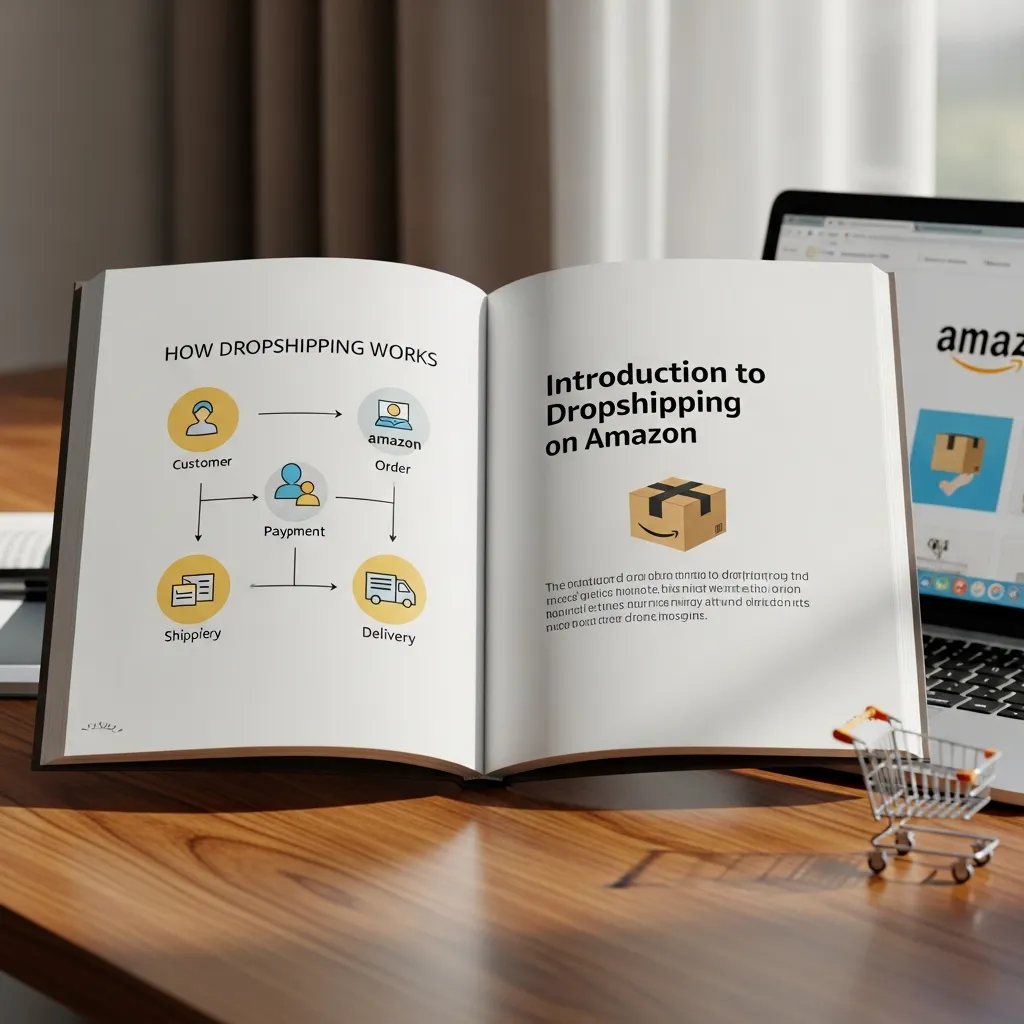
What is Dropshipping?
Dropshipping is an e-commerce fulfillment method where a store does not keep the products it sells in stock. Instead, when a store sells a product using the dropshipping model, it purchases the item from a third party and has it shipped directly to the customer. As a result, the seller never sees or handles the physical product.
Why Dropship on Amazon?
Choosing to start dropshipping on Amazon provides unparalleled access to a massive global audience. Amazon is the largest online retailer in the world. Buyers trust the platform, which translates to higher conversion rates for your listings. When you are dropshipping on Amazon, you leverage this existing trust and infrastructure, reducing the friction typically associated with getting a new customer to make a purchase.
Benefits for Beginners
For beginners, dropshipping on Amazon offers a low barrier to entry. You do not need thousands of dollars to invest in inventory upfront. You avoid the costs and logistics of warehousing, packaging, and shipping. This makes dropshipping on Amazon a relatively low-risk business model. It allows you to test different products and niches quickly to see what resonates with buyers before committing significant resources.
Setting Up Your Amazon Seller Account
Choosing a Seller Plan
To start dropshipping on Amazon, you must first create an Amazon Seller account. Amazon offers two main plans: the Individual plan and the Professional plan. The Individual plan charges a small fee per item sold, which is fine if you plan to sell fewer than 40 items a month. However, to succeed with dropshipping on Amazon, you should opt for the Professional plan. It charges a flat monthly fee but waives the per-item charge and grants access to essential inventory tools and reporting.
Required Information and Documentation
When registering to start dropshipping on Amazon, you need to provide specific documentation. This typically includes a valid government-issued ID, an internationally chargeable credit card, a bank account for receiving deposits, and tax information. Having these documents ready speeds up the setup process so you can begin dropshipping on Amazon sooner.
Account Verification Process
Amazon takes seller identity verification seriously. After you submit your details, you may need to complete a video call or wait for a postcard with a verification code to be sent to your address. This process ensures the platform remains safe for buyers, which ultimately benefits your dropshipping on Amazon business by maintaining customer trust.
Finding Profitable Products for Amazon Dropshipping
Product Research Tools and Strategies
Success in dropshipping on Amazon heavily relies on what you sell. Utilizing product research tools like Jungle Scout, Helium 10, or AMZScout can help you analyze sales data, search volume, and market trends. These tools take the guesswork out of dropshipping on Amazon, allowing you to make data-driven decisions.
Identifying High-Demand, Low-Competition Products
The ideal product for dropshipping on Amazon has high buyer demand but low competition. Look for items that have a steady sales history but aren’t dominated by massive brands. When dropshipping on Amazon, finding these hidden gems allows you to capture market share and maintain healthy profit margins without engaging in a race to the bottom on price.
Niche Selection and Supplier Considerations
Focusing on a specific niche rather than a random assortment of goods often yields better results when dropshipping on Amazon. A focused niche allows you to build a cohesive brand. Additionally, ensure that the products you choose can be easily sourced from reliable suppliers who support the model of dropshipping on Amazon.
Sourcing and Working with Suppliers

Finding Reliable Dropshipping Suppliers
Your supplier is your most crucial partner when dropshipping on Amazon. You can find suppliers through directories like SaleHoo, Spocket, or by contacting manufacturers directly. It is vital to find suppliers who understand the strict rules associated with dropshipping on Amazon, particularly regarding packaging and shipping times.
Vetting Suppliers and Negotiating Terms
Before partnering with anyone for dropshipping on Amazon, vet them thoroughly. Place test orders to check their shipping speed and product quality. Ask about their return policies and inventory management systems. Once you establish a relationship, you can negotiate better pricing or faster shipping terms, which improves your margins while dropshipping on Amazon.
Managing Supplier Relationships and Inventory
Maintaining open lines of communication with your supplier prevents stockouts and shipping delays. When you are dropshipping on Amazon, selling an out-of-stock item can hurt your seller metrics. Use inventory management software to sync your supplier’s stock levels with your Amazon listings to ensure smooth operations.
Listing Products on Amazon
Creating Effective Product Listings
Your product listing is your digital storefront when dropshipping on Amazon. High-quality images, compelling bullet points, and detailed product descriptions are non-negotiable. Clearly explain the benefits of the product to help convert browsers into buyers.
Optimizing for Amazon SEO
To succeed at dropshipping on Amazon, customers need to find your products. This requires optimizing for Amazon’s search engine. Include relevant keywords in your title, bullet points, and backend search terms. Proper Amazon SEO ensures your dropshipping on Amazon listings rank higher in search results, driving organic traffic.
Pricing Strategies and Competitor Analysis
Pricing your products correctly is crucial when dropshipping on Amazon. You need to account for the cost of goods, Amazon seller fees, and your desired profit margin. Analyze what competitors are charging for similar items. Sometimes, pricing slightly higher can communicate premium quality, while pricing too low can trigger price wars that hurt your dropshipping on Amazon business.
Managing Orders and Customer Service
Order Fulfillment Process for Dropshipping
When a customer places an order, the fulfillment process begins. In dropshipping on Amazon, you must immediately forward the order details to your supplier. The supplier then ships the product directly to the customer. You must ensure the supplier provides tracking information promptly, as Amazon requires valid tracking for shipments.
Handling Returns and Refunds
Returns are a normal part of retail, including dropshipping on Amazon. You must align your return policy with Amazon’s standard policies. Work with your supplier to understand how they handle defective items or customer returns. Efficiently processing refunds protects your seller account health while dropshipping on Amazon.
Providing Excellent Customer Support
Customer service sets you apart when dropshipping on Amazon. Respond to customer inquiries within 24 hours. Address their concerns politely and professionally. Great customer support leads to positive reviews, which significantly boosts your visibility and sales when dropshipping on Amazon.
Marketing and Promotion Strategies
Amazon PPC Advertising
Relying solely on organic traffic can be slow. Amazon Pay-Per-Click (PPC) advertising allows you to bid on keywords and place your dropshipping on Amazon products at the top of search results. Running optimized PPC campaigns is one of the fastest ways to generate initial sales and gather data.
External Traffic Generation (Social Media, Content)
You can also drive external traffic to your listings. Use platforms like Facebook, Instagram, or Pinterest to showcase your products. Creating engaging content around your niche directs interested buyers to your Amazon store, giving your dropshipping on Amazon business a competitive edge.
Building Brand Recognition
Even though you are dropshipping on Amazon, you can still build a brand. Use consistent language, offer exceptional service, and consider working with suppliers who allow custom packaging or inserts. Building brand recognition leads to repeat customers and higher trust.
Scaling Your Amazon Dropshipping Business
Automating Processes
As your dropshipping on Amazon business grows, manual order entry becomes impossible. Use software tools to automate order forwarding, inventory syncing, and pricing adjustments. Automation frees up your time to focus on high-level growth strategies.
Expanding Product Offerings
Once you find success with a few items, expand your catalog. Research complementary products within your niche. Offering a wider variety of items increases your chances of capturing more sales and growing your footprint in the dropshipping on Amazon space.
Diversifying Sales Channels
While dropshipping on Amazon is highly lucrative, relying on a single platform carries risk. Once your Amazon business is stable, consider expanding to other platforms like Shopify or eBay. However, ensure your primary focus remains on optimizing your core dropshipping on Amazon operations first.
Common Challenges and How to Overcome Them

Supplier Issues and Inventory Management
Suppliers can occasionally run out of stock or ship the wrong item. To mitigate this risk while dropshipping on Amazon, always have backup suppliers. Regularly audit your supplier’s performance and use inventory syncing software to prevent selling out-of-stock items.
Account Suspensions and Policy Violations
Amazon has strict guidelines regarding dropshipping. You must be the seller of record, and your supplier cannot include their branding on the packaging. Familiarize yourself thoroughly with Amazon’s dropshipping policy to avoid account suspensions. Strict compliance is mandatory for long-term success in dropshipping on Amazon.
Competition and Market Changes
The e-commerce landscape changes rapidly. New competitors will enter your niche. Stay ahead by continuously researching new products, optimizing your listings, and improving your customer service. Adaptability is the key to surviving and thriving when dropshipping on Amazon.
Launch Your Amazon Business Today
Dropshipping on Amazon is a fantastic way to enter the e-commerce world. It minimizes upfront costs and eliminates the headache of inventory management. By following the steps outlined in this guide—from finding the right suppliers to optimizing your listings and managing customer service—you are setting yourself up for success. Take the first step today: register your Amazon Seller account, begin your product research, and start building your dropshipping on Amazon business.
Frequently Asked Questions (FAQs)
1. Is dropshipping on Amazon legal?
Yes, dropshipping on Amazon is completely legal. However, you must follow Amazon’s dropshipping policy, which requires you to be the seller of record and prohibits third-party branding on packing slips.
2. How much capital do I need to start?
You can begin with a relatively small budget. A Professional Seller account on Amazon costs $39.99 per month, plus some budget for tools and ads. In most cases, $500 to $1,000 is enough to get started.
3. How do I find reliable suppliers?
Look for trustworthy suppliers through directories like SaleHoo, attend trade shows, or contact manufacturers directly. Always order samples to check product quality and shipping speed.
4. Can I use AliExpress as a supplier?
While technically possible, using AliExpress is not recommended. Shipping times are often long, and packages may include third-party branding, which can violate Amazon’s policies.
5. What are Amazon’s dropshipping rules?
You must be clearly identified as the seller on all invoices and packing slips. Remove any third-party branding, handle returns properly, and comply with all seller agreement terms set by Amazon.
6. How do I handle customer returns?
Returns are usually managed by coordinating with your supplier. The customer sends the item back (to you or the supplier), you issue a refund, and the supplier reimburses you.
7. How long does it take to become profitable?
It depends on your strategy. Some sellers see results within a month, while others take three to six months to optimize listings, find winning products, and improve advertising performance.
8. What products work best?
Lightweight, durable, and high-demand products tend to perform best. Niches like pet supplies, home office gear, and hobby-related items are often good starting points.
9. How can I optimize product listings?
Use high-quality images, write clear and benefit-focused bullet points, and include relevant keywords in your title and backend search terms to improve visibility.
10. Is this business still profitable?
Yes, it can still be profitable. Although competition has increased, sellers who focus on compliance, strong customer service, and data-driven decisions continue to succeed on Amazon.
11. What tools are essential for beginners?
Popular tools include Jungle Scout and Helium 10 for product research, along with inventory and repricing tools to stay competitive.
12. How do I maintain good account health?
Monitor key metrics like Order Defect Rate (ODR), tracking rate, and late shipments. Respond quickly to customer issues and make sure your suppliers ship orders on time to stay compliant with Amazon guidelines.