E-commerce Email Marketing: Strategies to Boost Sales and Customer Retention
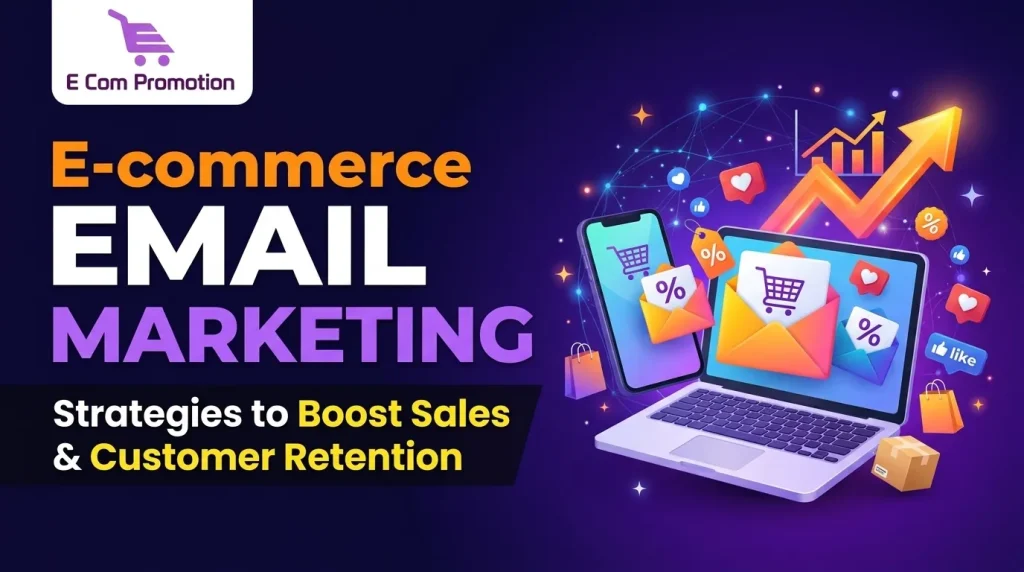
E-commerce businesses need effective ways to connect with customers, promote products, and increase revenue. While social media and paid advertising help attract new visitors, email remains one of the most valuable channels for building long-term customer relationships. E-commerce email marketing allows online stores to communicate directly with their audiences, share personalized recommendations, announce special offers, and encourage repeat purchases.
From welcoming new subscribers to recovering abandoned shopping carts, a well-planned email strategy can support customers throughout their buying journey. Businesses can also use automation and customer data to deliver relevant messages at the right time without manually managing every campaign. In this guide, we will explore practical strategies, automation techniques, personalization methods, useful tools, and proven practices that help online businesses improve engagement, strengthen customer loyalty, and generate more sales.
E-commerce Email Marketing Strategies
A successful email strategy begins with understanding your audience and identifying what you want to achieve. Some online stores want to increase product sales, while others focus on building brand awareness, promoting new collections, or encouraging previous customers to return. Having clear goals makes it easier to create relevant campaigns and measure their performance.
E-commerce email marketing strategies should focus on delivering useful content instead of constantly sending promotional messages. Customers are more likely to engage when emails provide genuine value, such as product recommendations, educational information, exclusive discounts, and helpful shopping advice.
Segmentation is another important part of an effective strategy. Rather than sending the same message to everyone, divide your subscribers into groups based on their interests, purchase history, browsing behavior, and engagement levels. This allows your business to create more relevant campaigns. You should also maintain a consistent sending schedule. Sending too many emails can frustrate subscribers, while sending too few may cause customers to forget your brand. Testing different subject lines, email designs, and sending times can help identify what works best for your audience.
Email Marketing for Online Stores
Email marketing for online stores is an effective way to maintain communication with customers before and after a purchase. Unlike social media platforms, where organic reach can change frequently, email gives businesses a direct communication channel with people who have chosen to receive updates. An online store can use email to introduce its brand, highlight popular products, announce seasonal collections, and share exclusive promotions. Welcome emails are particularly important because they create the first impression after someone subscribes to your mailing list.
Product launch emails can generate excitement around new arrivals, while promotional newsletters can inform customers about limited-time offers. After a customer completes an order, transactional emails provide essential information such as order confirmation, payment details, and shipping updates.
E-commerce email marketing also supports customer education. For example, a skincare store can send product usage instructions, while an electronics retailer can share setup guides and maintenance tips. Providing useful information helps customers feel confident about their purchases and builds trust in your business. Businesses that want to expand their promotional activities can also explore broader marketing campaign strategies to understand how different marketing channels can work together to reach potential customers.
E-commerce Email Automation
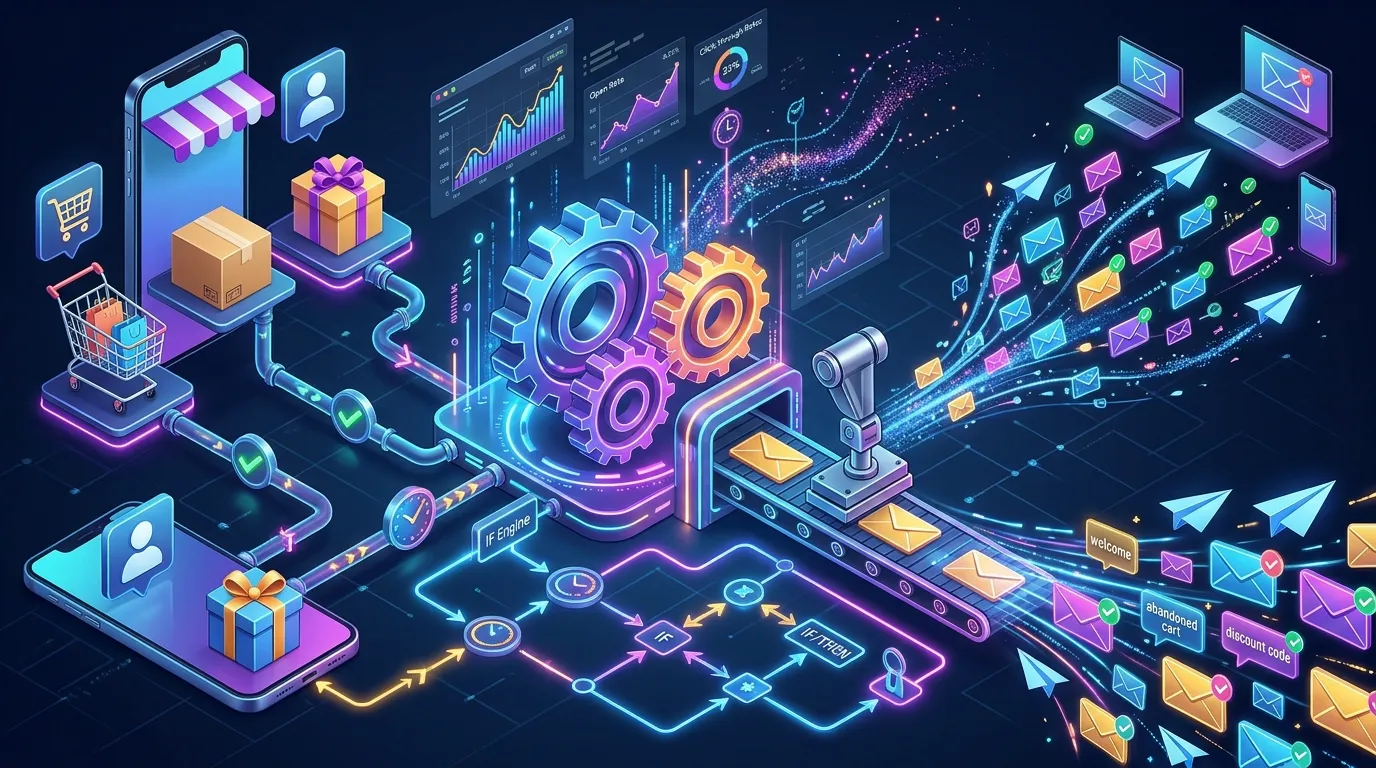 Email automation allows online businesses to send relevant messages automatically when customers perform specific actions. Instead of manually preparing and sending every email, businesses can create workflows that respond to subscriber behavior. A welcome email sequence is one of the most common automation examples. When someone joins your mailing list, they can automatically receive an introduction to your brand, information about your products, and a special first-purchase discount.
Another useful workflow is the post-purchase sequence. After completing an order, customers can receive confirmation messages, delivery updates, product care instructions, and requests for feedback. These communications improve the shopping experience while creating opportunities for future purchases.
E-commerce email marketing becomes more efficient when automation is connected to customer activity. For instance, customers who repeatedly view a product but do not purchase may receive a reminder or additional product information. Re-engagement automation is also valuable. If subscribers have not opened or interacted with emails for a long period, businesses can send a personalized message featuring new products or an exclusive offer. This approach can help bring inactive customers back without requiring manual follow-ups.
Email Marketing Campaigns for E-commerce
Email campaigns are an important part of promoting products, increasing website traffic, and generating revenue. However, every campaign should have a clear purpose and communicate a message that matches the audience’s interests. Seasonal campaigns are particularly effective for online retailers. Events such as Black Friday, Cyber Monday, Christmas, Valentine’s Day, and other shopping occasions provide opportunities to promote relevant products and special discounts.
Product launch campaigns can introduce new collections and encourage subscribers to explore the latest additions to your store. You can build anticipation by sending an announcement before the launch, followed by a product showcase and a reminder after the release. E-commerce email marketing campaigns can also support limited-time promotions. When customers understand that an offer is available for a specific period, they may be more motivated to complete their purchases. However, promotional messages should always be honest and avoid creating misleading urgency.
Businesses can strengthen these campaigns by combining email promotions with other advertising channels. For example, Facebook ads for e-commerce can help attract new audiences, while email campaigns can nurture interested visitors and encourage them to become paying customers.
Best Email Marketing Practices for Online Businesses
Following best practices helps online businesses maintain a professional image, improve deliverability, and create better customer experiences. The first step is to build an email list through legitimate methods. Use website subscription forms, checkout opt-ins, and relevant lead magnets to attract people who genuinely want to hear from your brand. Always obtain appropriate consent before sending marketing emails. Provide a clear and simple unsubscribe option so subscribers can manage their preferences. Following applicable email marketing and data protection regulations is essential for maintaining customer trust.
Your email design should also work well on mobile devices. Many customers check their inboxes using smartphones, so messages should have readable text, properly sized images, and clear calls to action. Avoid overcrowding emails with unnecessary graphics or too many promotional messages.
E-commerce email marketing performance also depends on good subject lines. A subject line should communicate the main benefit of opening the email without using misleading claims. Keep your message focused and make sure the email content matches what the subject line promises. Finally, regularly review your campaign results. Monitor delivery rates, open rates, click-through rates, conversions, and unsubscribe rates. These measurements help identify weaknesses and guide future improvements.
E-commerce Customer Retention Strategies
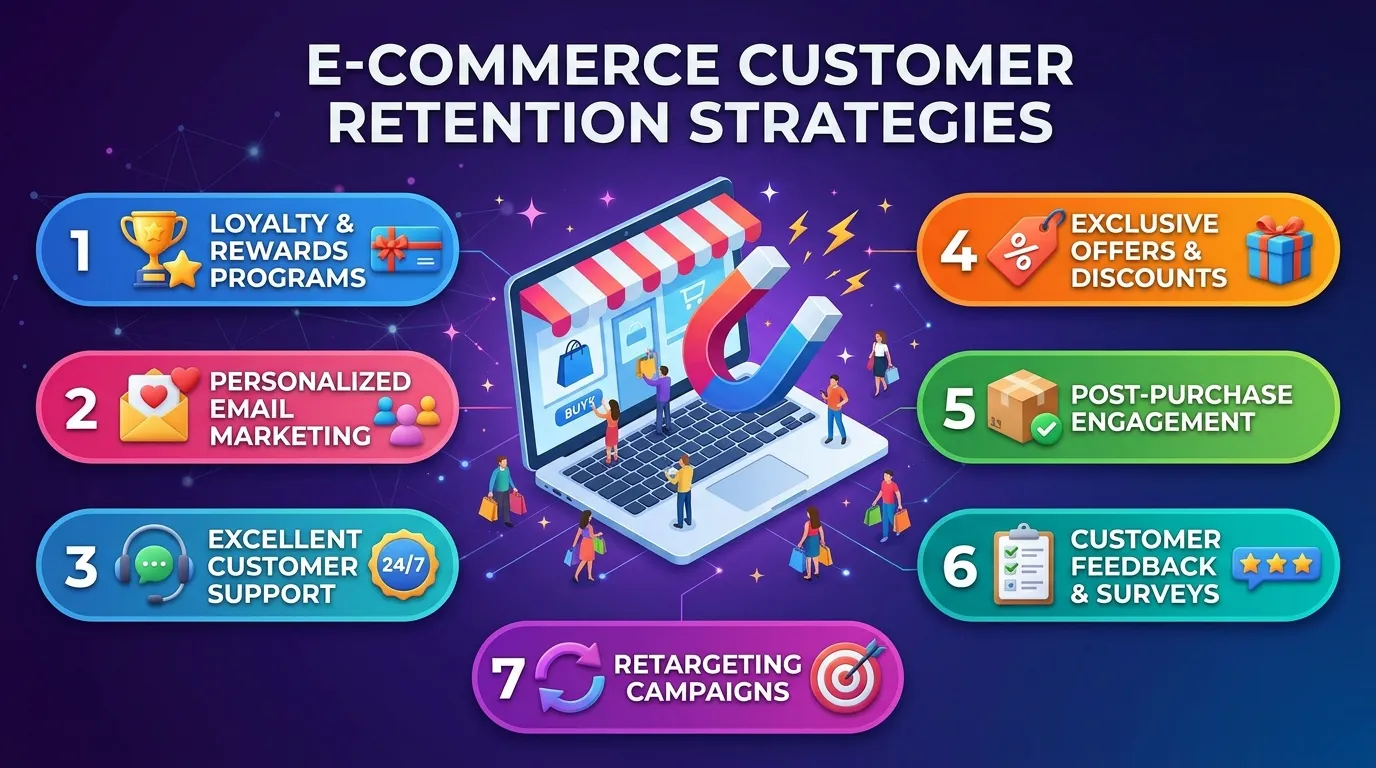 Attracting new customers is important, but keeping existing customers engaged is equally valuable. Repeat buyers already have experience with your store, making it easier to build stronger relationships and encourage future purchases. Customer retention begins with a positive shopping experience. Provide reliable customer support, clear product descriptions, transparent pricing, and timely order updates. After a purchase, continue communicating through helpful emails that demonstrate your commitment to customer satisfaction.
Loyalty programs are another effective retention method. Online stores can reward repeat purchases through points, exclusive discounts, early product access, or special membership benefits. Email is an excellent channel for informing customers about their rewards and encouraging them to use available benefits. E-commerce email marketing can strengthen these retention efforts through personalized follow-ups. For example, a customer who regularly purchases coffee may receive recommendations for new flavors or complementary products. These relevant suggestions can make customers feel understood rather than treated as ordinary sales opportunities.
Businesses should also consider sending feedback requests after purchases. Customer reviews provide valuable insights into product quality and service performance. Using this feedback to improve your store can contribute to long-term customer loyalty. For businesses looking beyond email, exploring different business growth strategies can provide additional ideas for improving customer relationships, strengthening brand positioning, and expanding revenue opportunities.
Abandoned Cart Email Marketing
Shopping cart abandonment is a common challenge for e-commerce businesses. Customers may add products to their carts but leave the website without completing checkout. This can happen because of unexpected shipping costs, complicated checkout processes, price comparisons, distractions, or a lack of immediate purchase motivation. Abandoned cart emails help businesses reconnect with these potential customers. A reminder email can show the products left in the shopping cart and provide a direct link that allows customers to continue shopping.
Timing plays an important role in abandoned cart campaigns. Many stores experiment with sending the first reminder within a few hours of abandonment, followed by another message after a day or two. The ideal timing depends on the product category, customer behavior, and purchasing cycle. E-commerce email marketing can make abandoned cart messages more effective through personalization. Including product images, names, prices, and relevant information helps customers remember what they were interested in buying.
Some businesses also offer a small discount or free shipping incentive to encourage checkout completion. However, offering discounts in every reminder may train customers to delay purchases. Before introducing incentives, test whether simple reminders and better checkout information can solve the problem.
Personalized Email Marketing for E-commerce
Personalization helps businesses create email experiences that match individual customer preferences. Instead of sending identical promotional content to every subscriber, online stores can use customer information to make messages more relevant. Basic personalization includes using a subscriber’s name in the greeting. More advanced approaches involve recommending products based on previous purchases, browsing activity, product preferences, and shopping frequency.
For example, a clothing retailer can recommend seasonal outfits based on products a customer has previously purchased. A home improvement store might send suggestions for complementary accessories after someone buys furniture. E-commerce email marketing benefits significantly from behavioral personalization because it connects messages with actual customer interests. A subscriber who frequently explores a particular product category may receive relevant updates about new arrivals in that category.
Personalized campaigns can also recognize important customer moments, including birthdays, purchase anniversaries, and membership milestones. Sending thoughtful messages during these occasions can improve engagement and strengthen brand relationships. However, personalization should always respect customer privacy. Collect only the information your business genuinely needs, communicate transparently about data usage, and follow applicable privacy requirements.
E-commerce Email Marketing Tools
Choosing the right email platform can make campaign management easier and more efficient. Modern email marketing tools provide features such as contact management, audience segmentation, automation workflows, campaign templates, analytics, and integration with e-commerce platforms. Popular options include Klaviyo, Mailchimp, Omnisend, Brevo, and ActiveCampaign. Each platform offers different features, pricing structures, and integration options, so businesses should compare them based on their requirements.
Klaviyo is widely used by e-commerce brands that want advanced customer segmentation and purchase-based automation. Mailchimp provides email campaign management and marketing features suitable for different business sizes. Omnisend focuses on e-commerce marketing automation, while Brevo offers email marketing and additional communication tools. E-commerce email marketing tools should be selected according to your store’s size, budget, technical requirements, and marketing goals. A small online business may only need basic newsletters and welcome automation, whereas a growing retailer may require advanced segmentation and customer lifecycle workflows.
Before selecting a platform, consider its integration with your online store, automation capabilities, reporting features, customer support, and scalability. Starting with the essential features and upgrading as your business grows can help control marketing expenses.
Email Marketing to Increase Online Sales
 Email can directly support online sales by encouraging customers to discover products, return to your store, and complete purchases. However, increasing revenue requires more than sending frequent promotional messages. Successful campaigns combine relevant content, effective timing, customer understanding, and a smooth shopping experience. Product recommendation emails can introduce customers to items that match their interests. Promotional emails can highlight discounts, bundles, and special offers, while educational content can explain product benefits and help customers make informed decisions.
E-commerce email marketing can also increase average order value through cross-selling and upselling. For example, someone purchasing a smartphone might receive recommendations for compatible cases, chargers, or screen protectors. These suggestions should be relevant and genuinely useful rather than simply encouraging customers to spend more. Another important approach is testing different campaign elements. Experiment with subject lines, product images, email layouts, promotional offers, and calls to action. A/B testing can reveal which versions generate more clicks and purchases.
Businesses should measure actual revenue and conversions rather than judging success only through email engagement. Connect your email platform with your online store analytics to understand which campaigns generate sales and which customer segments deliver the strongest results. You can also consider how other advertising formats support your sales strategy. For example, learning about the benefits of television advertising for businesses can help you understand how broader brand awareness campaigns may complement direct-response marketing channels. Similarly, businesses selling downloadable products, templates, courses, or other online resources can explore digital products for entrepreneurs to discover additional opportunities for building and promoting digital offerings.
Conclusion
Building a successful email strategy requires consistency, customer understanding, and continuous improvement. From welcome sequences and promotional newsletters to abandoned cart reminders and personalized recommendations, every email should serve a meaningful purpose in the customer journey. E-commerce email marketing gives online businesses an opportunity to communicate directly with their audiences, encourage repeat purchases, and build stronger customer relationships. By selecting suitable tools, using automation, segmenting subscribers, and measuring campaign performance, businesses can create a sustainable marketing approach that supports long-term growth. Rather than focusing only on short-term promotions, prioritize delivering valuable and relevant messages. When customers receive emails that genuinely match their interests and needs, they are more likely to trust your brand, remain engaged, and return to your online store.
FAQ
1. What is e-commerce email marketing?
E-commerce email marketing is a digital marketing strategy that allows online stores to communicate with customers through email. Businesses use it to promote products, share updates, send personalized recommendations, recover abandoned carts, and encourage repeat purchases.
2. Why is email marketing important for online stores?
Email marketing helps online stores maintain direct communication with subscribers and existing customers. It supports product promotion, customer retention, personalized offers, and repeat sales without depending entirely on paid advertising or social media algorithms.
3. How often should an e-commerce business send marketing emails?
The ideal frequency depends on your audience, product category, and campaign goals. Many businesses start with one or two marketing emails per week and adjust their schedule based on engagement, conversions, and unsubscribe rates.
4. What are the best types of emails for e-commerce businesses?
Popular email types include welcome emails, promotional newsletters, product announcements, abandoned cart reminders, order confirmation emails, post-purchase follow-ups, personalized recommendations, and customer re-engagement campaigns.
5. How can I recover abandoned shopping carts through email?
You can recover abandoned carts by sending automated reminders that display the products customers left behind. Include product images, a direct checkout link, and helpful information about shipping or returns. Test different sending times to improve recovery rates.
6. Which email marketing tools are best for e-commerce?
Klaviyo, Mailchimp, Omnisend, Brevo, and ActiveCampaign are popular options. The best platform depends on your budget, store size, automation requirements, integration needs, and customer segmentation goals.
7. How does personalization improve e-commerce email campaigns?
Personalization makes emails more relevant by using customer preferences, previous purchases, browsing behavior, and shopping interests. Relevant product recommendations and personalized offers can improve engagement and encourage customers to purchase.
8. How can email marketing increase online sales?
Businesses can increase online sales through product promotions, abandoned cart reminders, personalized recommendations, exclusive discounts, seasonal campaigns, and automated follow-ups. Tracking conversions and testing campaign elements helps improve results over time.
9. Is email marketing suitable for small e-commerce businesses?
Yes. Small online businesses can use email marketing to build relationships, promote products, and encourage repeat purchases without requiring a large advertising budget. Starting with a welcome sequence, monthly newsle