What is Dropshipping? The Ultimate Beginner’s Guide
Many aspiring entrepreneurs find themselves asking: exactly what is dropshipping? If you want to start an online business without keeping physical inventory, you are in the right place. This retail fulfillment method has completely changed how people launch e-commerce stores, removing the need for massive upfront investments.
When you ask what is dropshipping, you are essentially looking at a business model where a store does not keep the products it sells in stock. Instead, when a store sells a product, it purchases the item from a third party and has it shipped directly to the customer. As a result, the seller never handles the product directly. This fundamental shift in retail logistics opens the door for anyone with an internet connection to build a profitable business.
This comprehensive guide will explain everything you need to know about what is dropshipping. We will cover the pros and cons of dropshipping, explore how to start dropshipping on Amazon for beginners, and reveal the best dropshipping products for beginners. By the end of this post, you will have a clear roadmap to launch your store, secure free dropshipping suppliers, and implement top-tier marketing strategies for dropshipping.
Understanding the Basics of Dropshipping
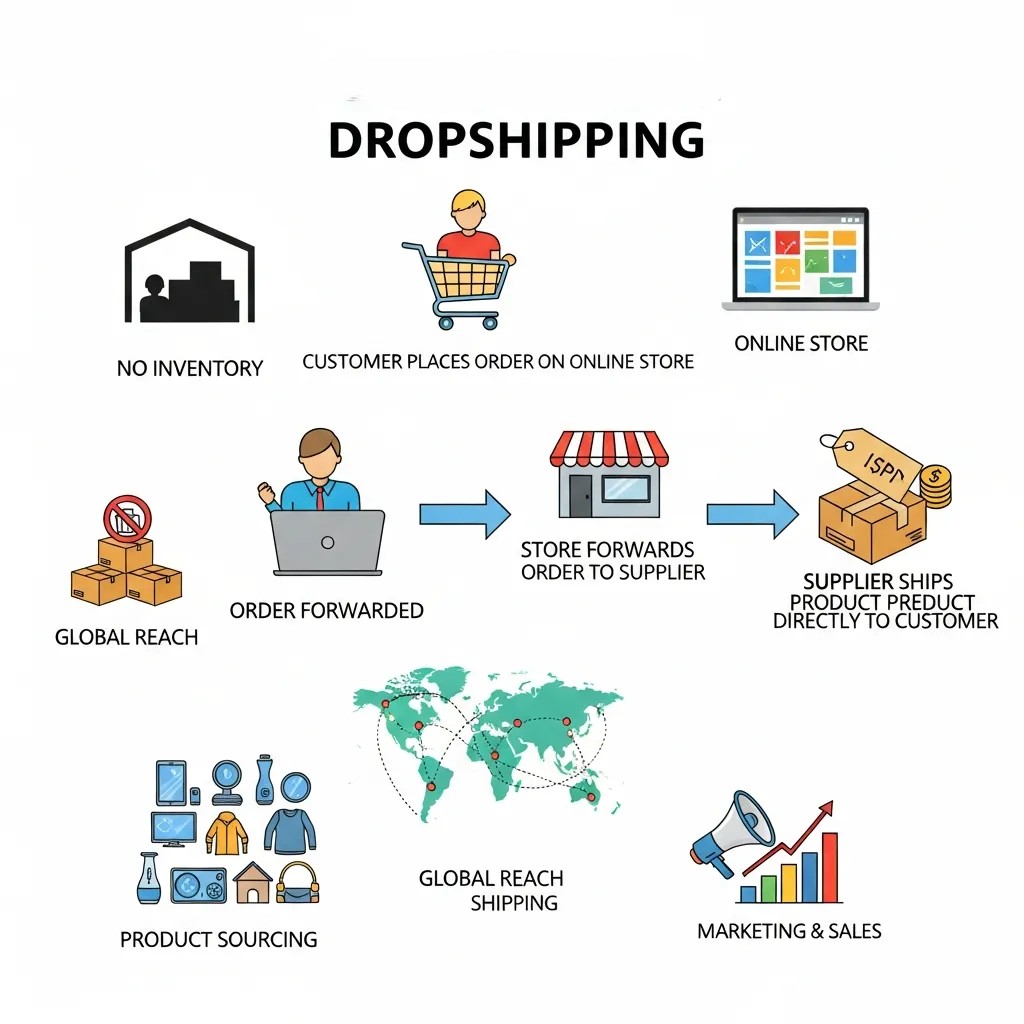
To truly grasp what is dropshipping, we need to break down its core mechanics. It is a streamlined approach to online retail that removes the friction of traditional inventory management.
What is Dropshipping?
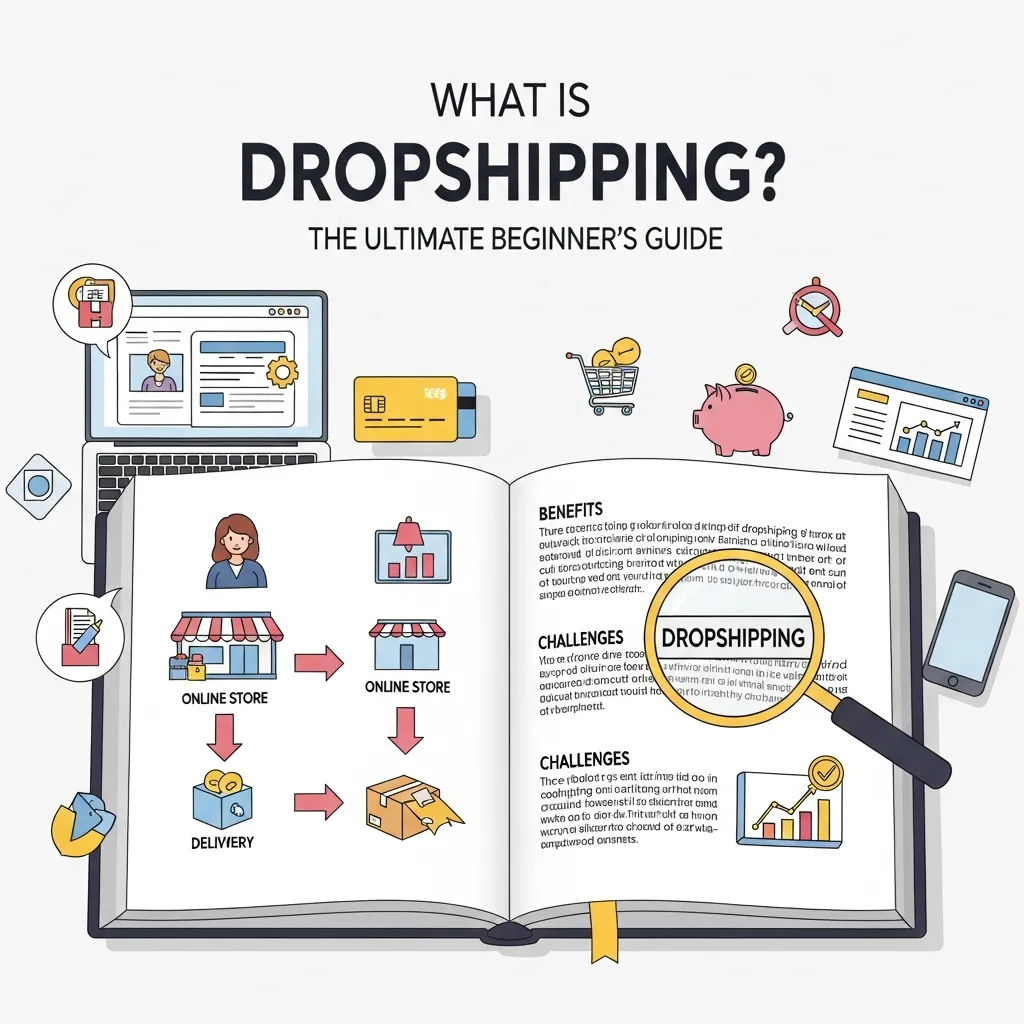
So, what is dropshipping at its core? It is an order fulfillment method that lets store owners sell products directly to consumers without stocking any inventory. When a customer places an order on your website, you forward that order to your supplier. The supplier then packages and ships the product directly to the customer’s doorstep. You profit from the difference between the wholesale price you pay the supplier and the retail price you charge the customer.
How Does Dropshipping Work?
The process is straightforward. First, the customer places an order on your online store and pays the retail price. Second, you forward the order details and customer information to your dropshipping supplier, paying the wholesale price. Finally, the supplier ships the product directly to the customer with your store’s branding. The customer remains unaware that a third party was involved, keeping your brand front and center.
The Appeal of Dropshipping for Entrepreneurs
When people discover what is dropshipping, the appeal becomes obvious. You do not need to lease warehouse space, pack boxes, or manage supply chains. This low barrier to entry means you can launch a business from your laptop anywhere in the world. It allows you to test new product ideas quickly without financial risk.
Exploring the Pros and Cons of Dropshipping
Before diving in, you must weigh the pros and cons of dropshipping. Like any business model, it has unique advantages and specific challenges you need to navigate. Read for more details : Pros and Cons of Dropshipping
Advantages of the Dropshipping Model
The most significant benefit is the low startup costs. Because you do not purchase inventory upfront, you can start a store with minimal capital. You also gain access to a wide product selection. If a supplier stocks an item, you can list it for sale immediately. Furthermore, the model offers incredible flexibility and scalability. If your sales suddenly double, your suppliers handle the extra fulfillment work, leaving you to focus on customer service and marketing.
Disadvantages and Challenges
Understanding what is dropshipping also means acknowledging the downsides. Low-profit margins are the biggest disadvantage. Because it is so easy to start, competition is fierce, driving prices down. You also face inventory management issues; since you do not control the stock, items you list might suddenly become unavailable. Supplier dependency is another risk. If your supplier ships late or sends a low-quality item, the customer blames you, not the supplier.
How to Start Dropshipping on Amazon for Beginners
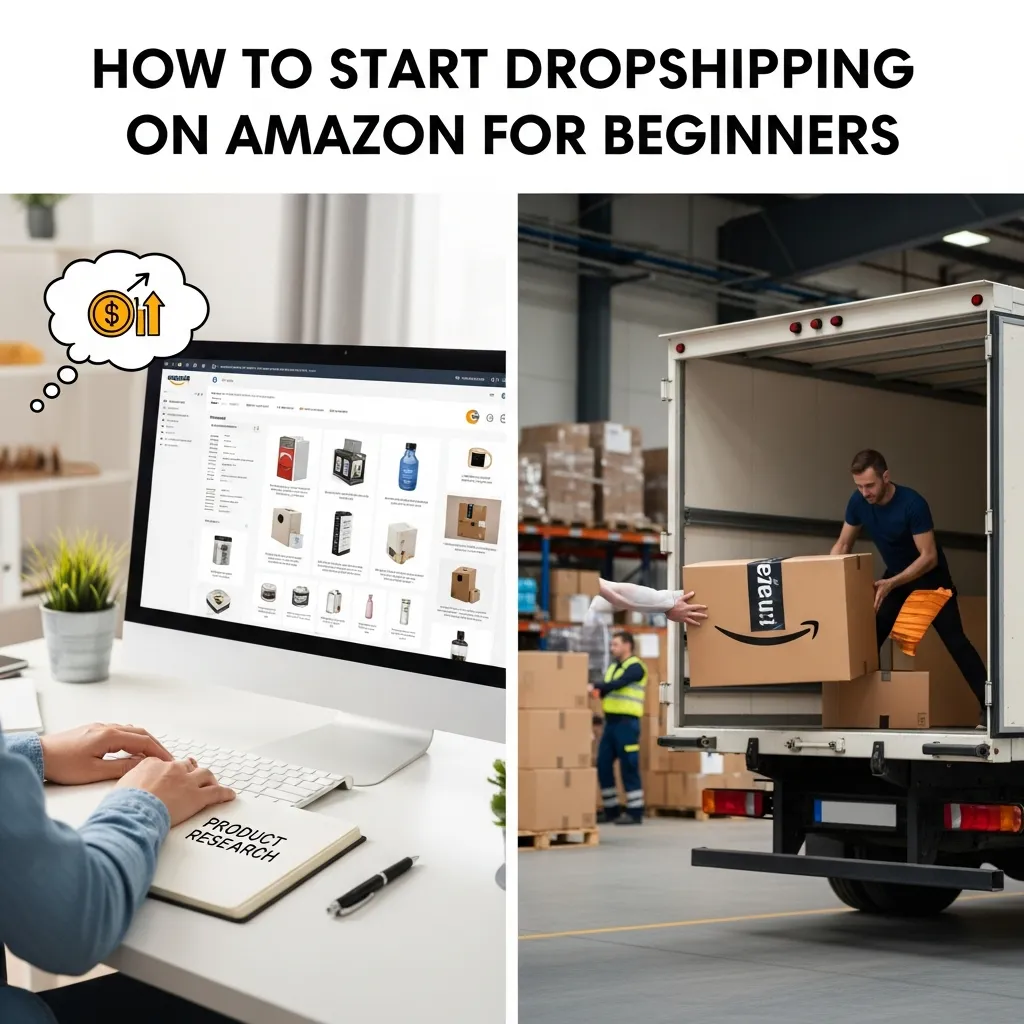
Amazon is a massive marketplace with millions of active buyers. Learning how to start dropshipping on Amazon for beginners is a great way to tap into an existing customer base.
Setting up an Amazon Seller Account
First, you need to register for an Amazon Seller account. Choose the Professional plan if you plan to sell more than 40 items a month. Ensure you thoroughly read Amazon’s dropshipping policy. You must always be the seller of record, identify yourself on packing slips, and be responsible for accepting and processing customer returns.
Product Research and Selection for Amazon
Success on Amazon requires careful product research. Use tools like Jungle Scout or Helium 10 to analyze search volume and competition. Look for products that have high demand but relatively low competition. Avoid branded items or products dominated by Amazon’s own private labels.
Listing Products and Managing Orders on Amazon
Once you find profitable products, create compelling listings with high-quality images and keyword-rich descriptions. When an order comes in, promptly purchase the item from your supplier and enter the customer’s shipping details. Always provide valid tracking numbers to maintain your seller metrics and keep your account in good standing.
Finding the Best Dropshipping Products for Beginners
Selecting the right items to sell is crucial when you are figuring out what is dropshipping. The best dropshipping products for beginners balance demand, profitability, and low risk.
Niche Selection and Market Research
Do not try to be the next Amazon. Instead, focus on a specific niche. This could be anything from eco-friendly pet supplies to ergonomic home office equipment. Use Google Trends and social media to see what people are talking about. A focused niche makes it easier to target your marketing and build a loyal customer base.
Trending Products and Evergreen Categories
Aim for a mix of trending products and evergreen items. Trending products, like viral TikTok gadgets, can bring quick bursts of sales. Evergreen categories, such as fitness gear or baby products, provide consistent, year-round revenue.
Products with High-Profit Margins and Low Return Rates
Look for lightweight, durable products that are easy to ship. Avoid fragile items, complex electronics, or clothing with complicated sizing, as these often lead to high return rates. High-margin items, like jewelry or specialized hobby accessories, give you more room to spend on advertising while still making a profit.
Locating Reliable Free Dropshipping Suppliers
You do not need to pay expensive monthly directory fees to find good products. There are plenty of free dropshipping suppliers available to help you launch your store.
Overview of Popular Free Platforms
AliExpress is the most famous platform, offering millions of products at wholesale prices with no upfront fees. Other options include the SaleHoo directory (which has some free resources), CJ Dropshipping, and Zendrop. These platforms connect you directly with manufacturers and wholesalers globally.
Tips for Choosing Reliable Free Suppliers
When evaluating free dropshipping suppliers, look at their ratings and reviews. Order samples to check shipping times and product quality. A reliable supplier should communicate quickly, process orders efficiently, and provide consistent tracking information.
Integrating Suppliers with Your E-commerce Platform
Use apps and plugins to connect your store directly to your suppliers. Tools like DSers or Spocket integrate seamlessly with Shopify and WooCommerce, automating the order forwarding process and keeping your inventory levels synced.
Effective Marketing Strategies for Dropshipping
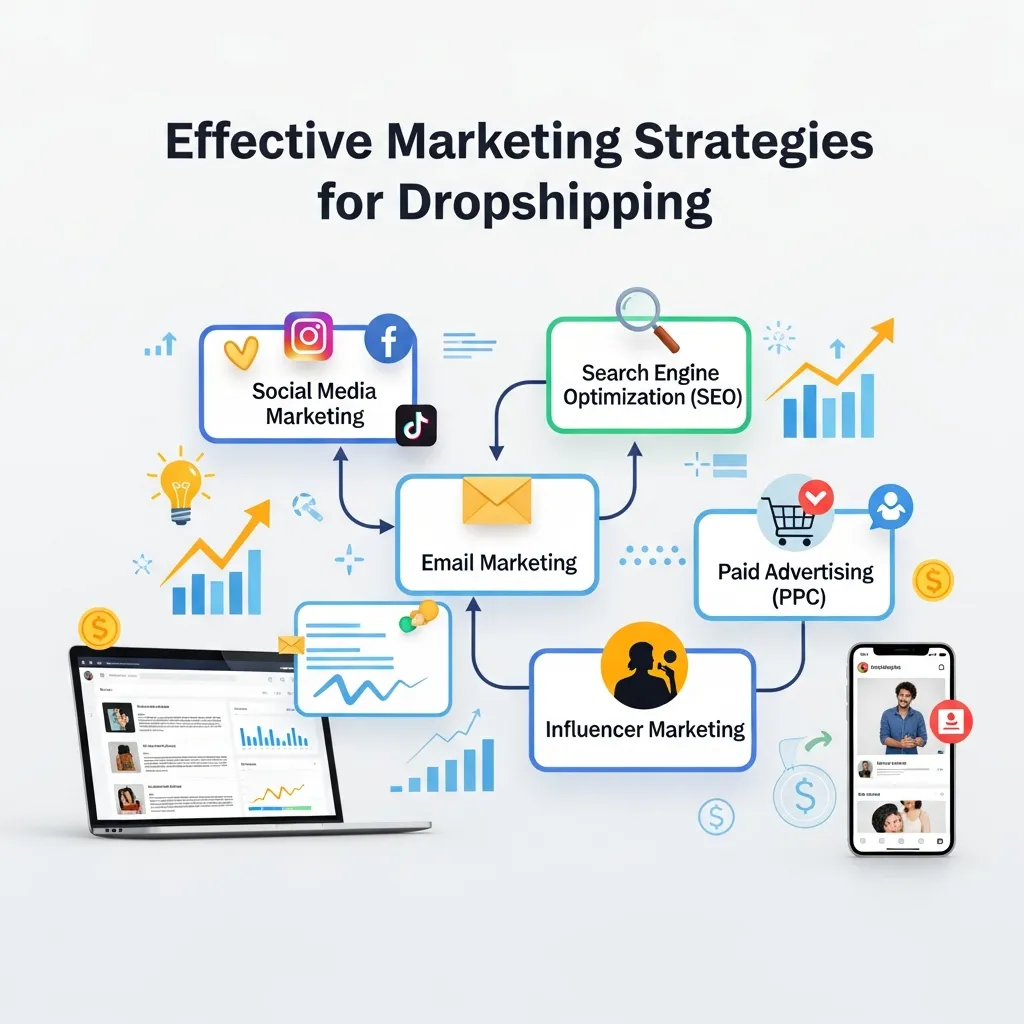
Building a store is only half the battle. You need proven marketing strategies for dropshipping to drive traffic and generate sales.
Search Engine Optimization (SEO)
SEO helps your store rank higher in Google search results. Optimize your product titles, descriptions, and blog posts with relevant keywords like “what is dropshipping” and specific product terms. Fast page load speeds and a mobile-friendly design also boost your SEO rankings.
Social Media Marketing
Platforms like Facebook, Instagram, and TikTok are visual and highly engaging. Create compelling video content showing your products in action. Influencer marketing is another powerful tactic; send free products to micro-influencers in exchange for honest reviews and shoutouts.
Paid Advertising
Paid ads can deliver immediate traffic. Google Ads are great for capturing high-intent shoppers searching for specific products. Facebook and Instagram Ads allow you to target users based on their interests, behaviors, and demographics, making them ideal for impulse purchases.
Email Marketing and Customer Retention
Do not ignore the people who have already bought from you. Collect email addresses by offering a small discount on the first order. Send regular newsletters featuring new products, abandoned cart reminders, and special promotions to turn one-time buyers into repeat customers.
Artificial Intelligence Dropshipping Strategies
The e-commerce landscape is shifting rapidly, and artificial intelligence dropshipping tools are at the forefront of this change. AI can automate tasks and provide deep insights that were previously out of reach for small businesses.
AI for Product Research and Trend Prediction
AI tools can analyze massive amounts of social media data, search queries, and competitor pricing to identify emerging trends before they peak. This allows you to add winning products to your store weeks before your competitors even notice them.
AI-Powered Customer Service and Chatbots
Customer service can be incredibly time-consuming. AI-powered chatbots can handle routine inquiries like order tracking, shipping policies, and basic product questions 24/7. This improves customer satisfaction while freeing you up to focus on growing your business.
AI for Optimizing Pricing and Marketing Campaigns
AI algorithms can monitor your competitors’ prices in real-time and automatically adjust your pricing to maximize profits while remaining competitive. Furthermore, AI can optimize your ad targeting, adjusting your bids and creative assets to ensure the highest possible return on ad spend.
The Role of AI in Dropshipping Business Operations
Integrating AI in dropshipping business operations goes beyond just marketing; it fundamentally improves how your business runs behind the scenes.
Using AI to Enhance Operational Efficiency
AI can automate the tedious aspects of running an online store. From generating engaging product descriptions to managing inventory syncing across multiple suppliers, AI tools save you countless hours of manual data entry.
AI for Risk Management and Fraud Detection
E-commerce stores are frequent targets for fraudulent orders. Payment processors powered by AI can analyze purchasing patterns and flag suspicious transactions before they are processed, protecting you from costly chargebacks.
Future Trends of AI in the Dropshipping Industry
As technology advances, we will see even deeper integration of AI in dropshipping business models. Expect hyper-personalized shopping experiences where AI customizes the entire storefront based on individual user behavior, and predictive logistics that anticipate shipping delays before they happen.
Taking Your First Steps Towards E-commerce Success
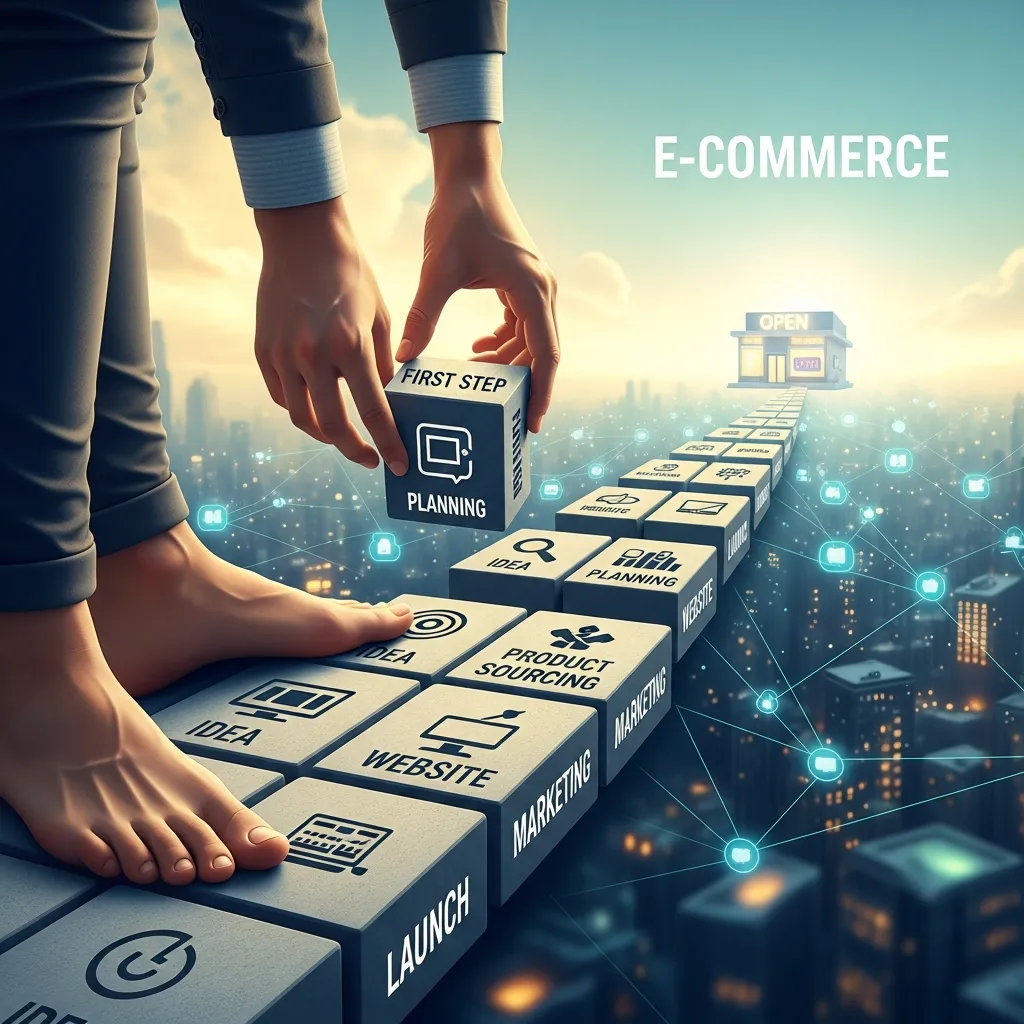
Now that you understand what is dropshipping, the path forward is clear. While the model has its challenges, the low barrier to entry makes it an incredible vehicle for learning e-commerce and building an independent income stream. By carefully weighing the pros and cons of dropshipping, finding reliable suppliers, and leveraging AI tools, you can build a sustainable online business. Start small, focus on a specific niche, and continuously refine your marketing strategies. The world of digital retail is waiting for you.
Frequently Asked Questions (FAQs)
What is dropshipping?
Dropshipping is a retail fulfillment method where a store does not keep the products it sells in stock. Instead, it purchases the item from a third-party supplier, who ships it directly to the customer.
Is dropshipping profitable in 2024?
Yes, dropshipping can still be profitable in 2024. However, success requires a strong brand, unique product selection, and effective marketing strategies to stand out in a competitive market.
How much money do I need to start dropshipping?
You can start a dropshipping business with as little as $100 to $500. This covers domain registration, basic hosting or platform fees (like Shopify), and a small budget for initial marketing tests.
Can I do dropshipping with no money?
While challenging, it is possible. You can use free platforms, leverage organic social media marketing on TikTok or Instagram, and utilize free dropshipping suppliers to eliminate upfront inventory and software costs.
What are the best dropshipping platforms?
The most popular e-commerce platforms for dropshipping include Shopify, WooCommerce (on WordPress), BigCommerce, and Wix. Shopify is generally considered the most beginner-friendly due to its seamless app integrations.
How do I find dropshipping suppliers?
You can find suppliers through directories like SaleHoo, platforms like AliExpress, or integrated apps like DSers and CJ Dropshipping. You can also contact manufacturers directly to ask if they offer dropshipping programs.
Is dropshipping legal?
Yes, dropshipping is a completely legal order fulfillment model used by many major retailers. However, you must ensure you are not selling counterfeit goods and that you comply with local tax and consumer protection laws.
How much can a beginner make dropshipping?
Earnings vary wildly. Some beginners make a few hundred dollars a month, while others scale to thousands. Success depends entirely on your product choice, marketing skills, and work ethic.
What are the biggest challenges in dropshipping?
The primary challenges include low profit margins, intense competition, lack of control over shipping times and product quality, and managing inventory syncs with multiple suppliers.
How do I market my dropshipping store?
Effective marketing strategies for dropshipping include running targeted Facebook and Google Ads, optimizing your site for SEO, engaging in content marketing on social media, and utilizing email marketing campaigns.
Can AI really help with dropshipping?
Absolutely. Artificial intelligence dropshipping tools can automate product descriptions, handle customer service via chatbots, predict market trends, and optimize your paid advertising campaigns.
What is the future of dropshipping with AI?
The future of AI in dropshipping business operations will likely involve hyper-personalized customer experiences, automated supply chain management, and advanced predictive analytics that tell you exactly what to sell and when.