Unpacking the Pros and Cons of Dropshipping
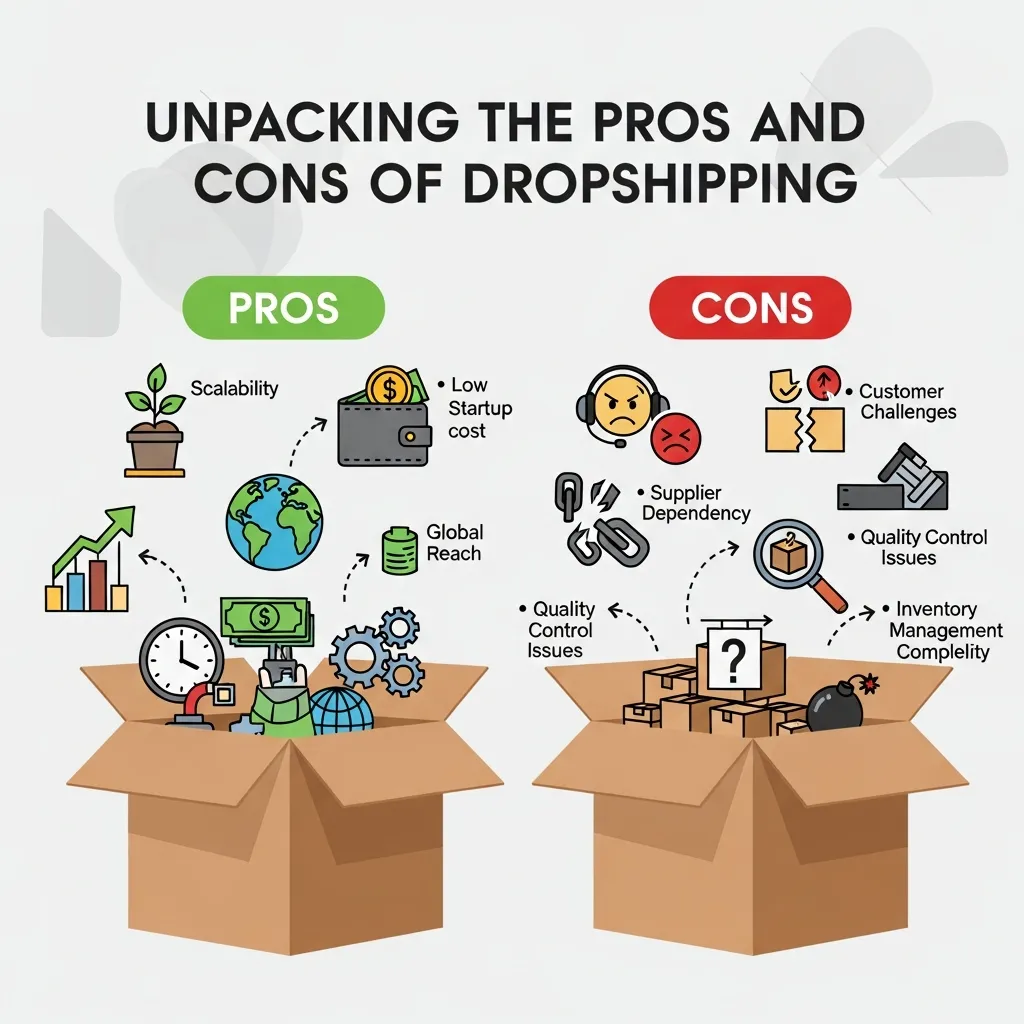
Starting an online business is an exciting venture. Many new business owners look for models that reduce risk and upfront costs. This is where dropshipping enters the conversation. If you are exploring e-commerce, you have likely heard this term. But before you build a store, you need to understand the pros and cons of dropshipping.
Knowing the pros and cons of dropshipping helps you make an informed decision. This guide breaks down exactly what you can expect. We will look at why entrepreneurs love this model and the hidden challenges that can cause trouble. By exploring the pros and cons of dropshipping, you will know exactly what it takes to succeed.
Introduction to Dropshipping: Unpacking the Pros and Cons
To truly evaluate the pros and cons of dropshipping, we must define it. Dropshipping is an e-commerce retail model where the store does not keep the products it sells in stock. Instead, when a store sells a product, it purchases the item from a third party and has it shipped directly to the customer. As a result, the merchant never sees or handles the product.
The rise of dropshipping in e-commerce has been massive over the last decade. Platforms like Shopify and WooCommerce make it simple to connect with suppliers. This low barrier to entry attracts thousands of new sellers every day. However, looking at the pros and cons of dropshipping reveals that easy entry does not guarantee easy profits.
The Pros of Dropshipping: Why Entrepreneurs Are Drawn to It
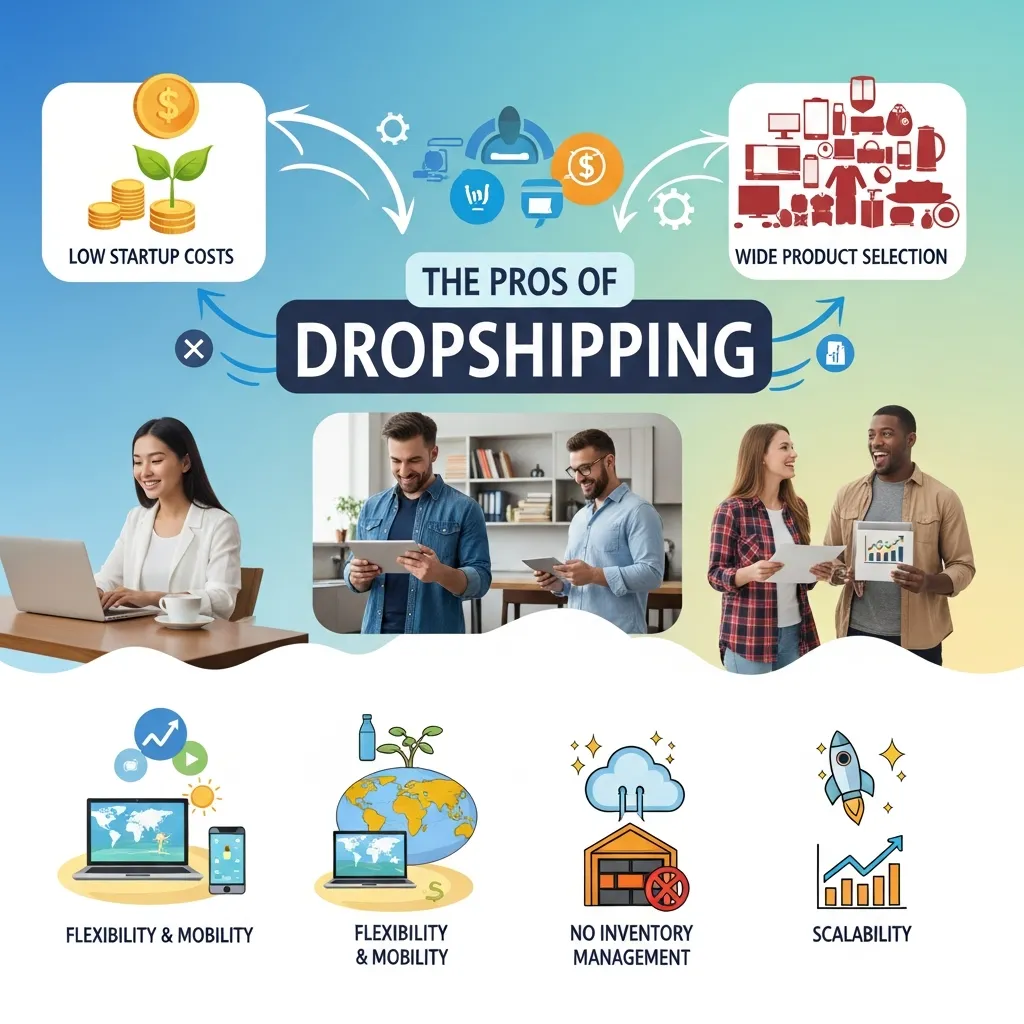
When weighing the pros and cons of dropshipping, the advantages often stand out first. This model offers unique benefits for new business owners.
Low Startup Costs and Minimal Overhead
One of the biggest factors when looking at the pros and cons of dropshipping is the cost. Traditional retail requires thousands of dollars to get started.
No Inventory Management
You do not need to buy products in advance. This eliminates the need for a warehouse or storage space. You only buy a product when you already have a sale.
Reduced Capital Investment
Because you avoid inventory costs, you can launch a store with very little money. You mainly pay for your website hosting and initial marketing tests. This financial safety is a major highlight when discussing the pros and cons of dropshipping.
Wide Product Selection and Flexibility
Another major advantage when understanding what is drop-shipping is the incredible freedom it offers in choosing what to sell. Unlike traditional retail models, you are not limited by inventory, storage space, or upfront purchasing costs. This flexibility allows you to explore multiple niches and quickly adapt to changing market trends.
Easy to Test New Products
One of the biggest benefits of dropshipping is how simple it is to experiment with new products. If an item doesn’t perform well, you can easily remove it from your store without any financial loss. You’re not stuck with unsold stock or wasted investment. This makes it a low-risk way to test trending products and identify what your audience actually wants—an important concept when learning what is drop-shipping in practice.
Diverse Product Offerings Without Risk
Dropshipping allows you to build a wide and varied product catalog with minimal effort. You can list hundreds of products across different categories, from pet supplies to kitchen gadgets, without worrying about storage or logistics. Adding or removing items takes just a few clicks, giving you the freedom to scale your store quickly. This level of flexibility is one of the key reasons why many beginners are drawn to understanding what is drop-shipping and how it works as a business model.
Location Independence and Flexibility
For many, the lifestyle benefits dominate the pros and cons of dropshipping.
Work From Anywhere
You do not need a physical storefront. As long as you have an internet connection, you can communicate with suppliers and customers from a local cafe or a beachside hotel.
Scalable Business Model
If your store suddenly receives a surge in orders, you do not have to pack the boxes yourself. Your suppliers handle the extra volume, allowing your business to grow rapidly without overwhelming your daily schedule.
Ease of Starting and Managing
Simplicity is a huge part of the pros and cons of dropshipping.
Simple Setup Process
With modern software, you can build a dropshipping store in a single weekend. Apps automatically sync products and orders with suppliers.
Focus on Marketing and Sales
Because you do not handle fulfillment, you can spend all your time optimizing ads, writing product descriptions, and building a loyal audience.
The Cons of Dropshipping: Challenges to Consider
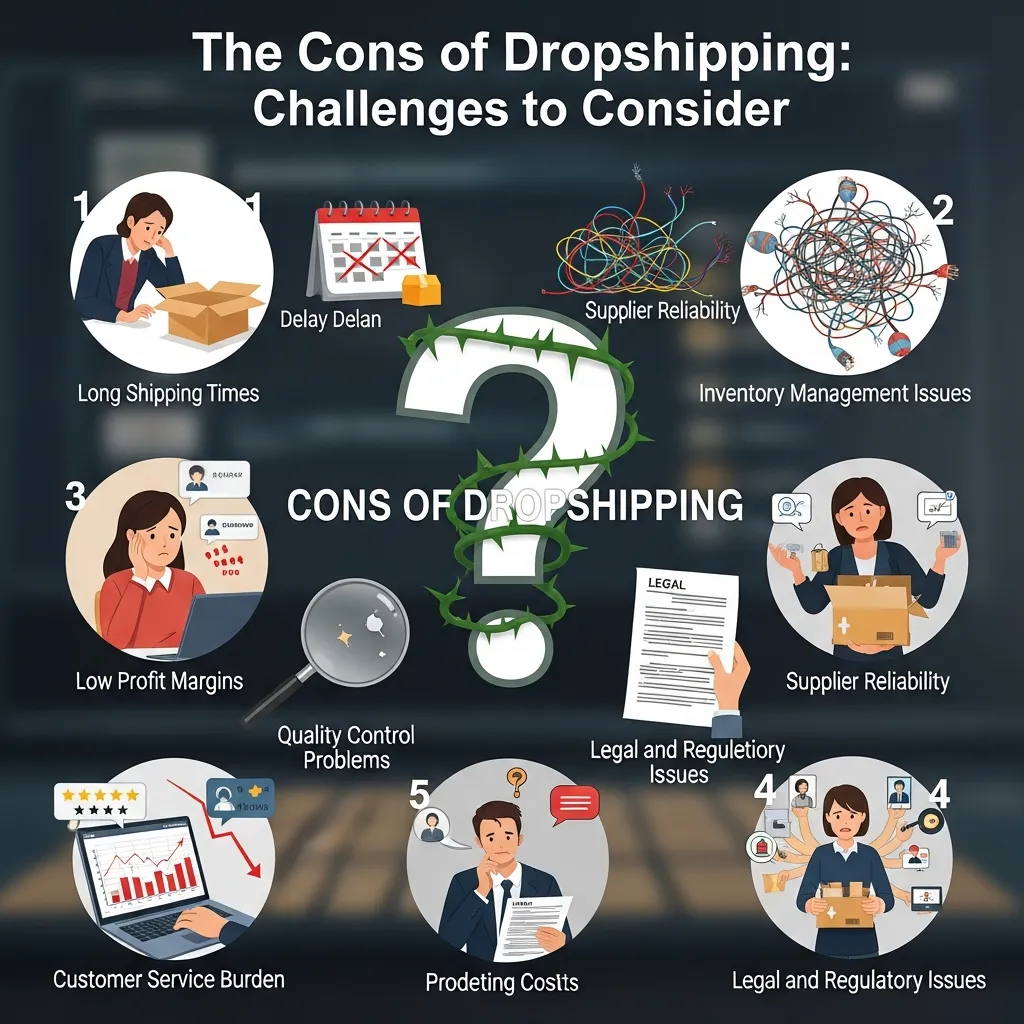
No business is perfect. To fully understand the pros and cons of dropshipping, you must look at the serious hurdles.
Low Profit Margins
The biggest drawback in the pros and cons of dropshipping is the profit margin.
Intense Competition
Because it is so easy to start, you will face thousands of competitors. Many competing stores sell the exact same items. This often leads to price wars, driving your potential profits down.
Supplier Pricing and Fees
Suppliers charge a premium for picking, packing, and shipping individual items. You pay more per unit than a traditional retailer who buys in bulk.
Inventory Management and Shipping Complexities
While you avoid storing items, you lose control. This is a crucial aspect of the pros and cons of dropshipping.
Supplier Dependence
If your supplier runs out of an item, you cannot fulfill your orders. You rely entirely on their inventory levels, which can change without warning.
Quality Control Issues
You never see the product before it reaches the customer. If the supplier sends a damaged or low-quality item, your store’s reputation takes the hit.
Shipping Delays and Errors
Many dropshippers use overseas suppliers to cut costs. This can lead to shipping times of two to four weeks. Customers expect fast delivery, and slow shipping often leads to complaints.
Customer Service Challenges
When examining the pros and cons of dropshipping, customer support is often a headache.
Handling Returns and Refunds
If a customer wants to return an item, the process is complicated. You must coordinate between the customer and the supplier, and sometimes you just have to absorb the cost of the refund.
Blame for Supplier Mistakes
If the supplier ships the wrong size or uses poor packaging, the customer gets angry at you. You must take the blame and fix the issue, even though you did not pack the box.
High Competition and Marketing Costs
Marketing is where many dropshippers fail.
Standing Out in a Crowded Market
With so many stores selling the same products, you need a unique brand. Without a strong identity, customers have no reason to choose your store over Amazon.
Ad Spend and Customer Acquisition
Advertising on social media platforms is getting more expensive. Because your profit margins are low, a high cost to acquire a customer can easily wipe out your earnings.
Key Considerations Before Starting a Dropshipping Business
After reviewing the pros and cons of dropshipping, you must plan carefully.
Research and Niche Selection
Do not sell random products. Find a specific niche with a passionate audience. A targeted store is easier to market and builds customer loyalty faster.
Supplier Vetting and Relationship Building
Order sample products before you sell them. Verify the shipping times and the product quality. Building a good relationship with a reliable supplier is essential.
Marketing and Brand Building
Invest time in creating a recognizable brand. Use custom packaging if possible, write engaging emails, and create high-quality content for your social media channels.
Legal and Tax Implications
Treat this like a real business. Understand your local tax laws, register your business properly, and ensure you have clear terms of service and privacy policies on your website.
Is Dropshipping Right for You?
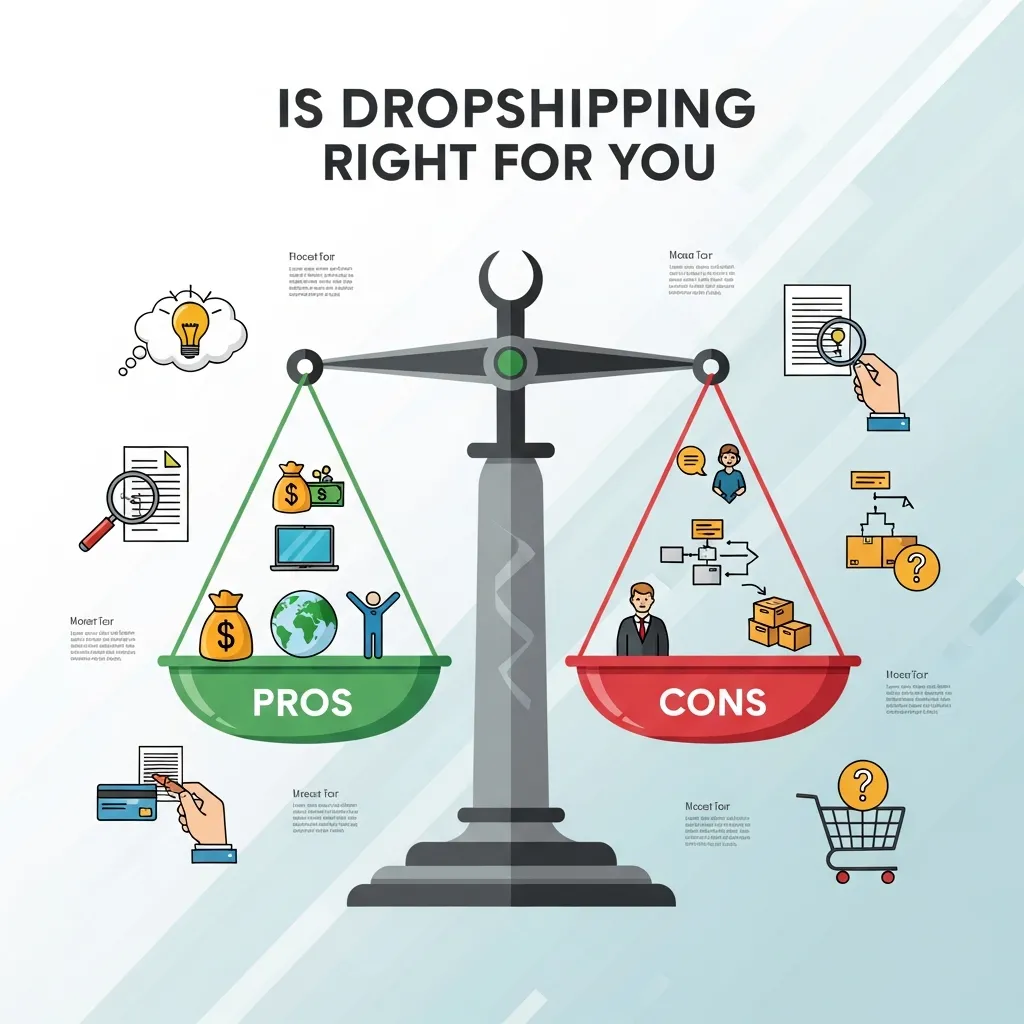
Understanding the pros and cons of dropshipping is the only way to decide if it fits your goals.
Weighing the Pros and Cons of Dropshipping
On one hand, you get a business with low startup costs, incredible flexibility, and scalability. On the other hand, you face low profit margins, intense competition, and a lack of control over product quality. Evaluating the pros and cons of dropshipping requires looking at your own strengths. Are you great at marketing? Can you handle angry customers gracefully?
Final Thoughts on Success in Dropshipping
Success requires patience. The pros and cons of dropshipping show that it is not a get-rich-quick scheme. It is a legitimate business model that rewards those who focus on branding, reliable suppliers, and excellent customer service. By understanding the pros and cons of dropshipping, you can build a sustainable and profitable store.
Frequently Asked Questions (FAQs) About Dropshipping
What is dropshipping?
Dropshipping is a retail fulfillment method where a store does not keep the products it sells in stock. Instead, it purchases the item from a third-party supplier, who ships it directly to the customer.
How much does it cost to start dropshipping?
You can start a dropshipping business for less than $100. The main costs involve website hosting (like Shopify), purchasing a domain name, and running initial marketing tests.
Is dropshipping profitable?
Yes, it can be profitable. However, profit margins are typically low (around 10% to 20%). Success depends heavily on finding winning products and running efficient marketing campaigns.
What are the biggest challenges in dropshipping?
The major challenges include high competition, low profit margins, shipping delays, and a lack of control over inventory and product quality.
How do I find reliable dropshipping suppliers?
You can find suppliers through directories like AliExpress, Spocket, or Zendrop. Always order sample products to test their shipping times and product quality before selling to customers.
Can I dropship internationally?
Yes. Many dropshipping platforms allow you to sell to customers worldwide. Just be aware of different shipping costs, delivery times, and potential customs duties.
What are common dropshipping mistakes to avoid?
Common mistakes include expecting overnight success, selling low-quality products, ignoring customer service, and failing to build a unique brand identity.
How do I handle returns and refunds in dropshipping?
You usually handle refunds by issuing the money back to the customer directly. If the supplier is at fault, you can request a refund from them. Have a clear return policy on your website to avoid confusion.
Is dropshipping legal?
Yes, dropshipping is a completely legal and widely used business model. You just need to ensure you follow standard business regulations, such as paying taxes and having valid business licenses.
What’s the difference between dropshipping and traditional e-commerce?
The main difference is inventory. Traditional e-commerce requires you to buy products upfront, store them, and ship them yourself. Dropshipping offloads all inventory and shipping tasks to a supplier.
How can I market my dropshipping store effectively?
Effective marketing involves using targeted social media ads, building an email list, partnering with influencers, and optimizing your website for search engines (SEO).
What are the key pros and cons of dropshipping?
The key pros are low startup costs, easy setup, and high flexibility. The key cons are low profit margins, lack of control over shipping, and high competition. Understanding these pros and cons of dropshipping is essential for success.